- Category
- Defense Tech
US Unveils Hypervelocity Carbine That Could Defeat Body Armor at 600 Meters
 Prefer U24 Media on Google
- Authors

-111f0e5095e02c02446ffed57bfb0ab1.jpeg "Photo of Roman Kohanets")
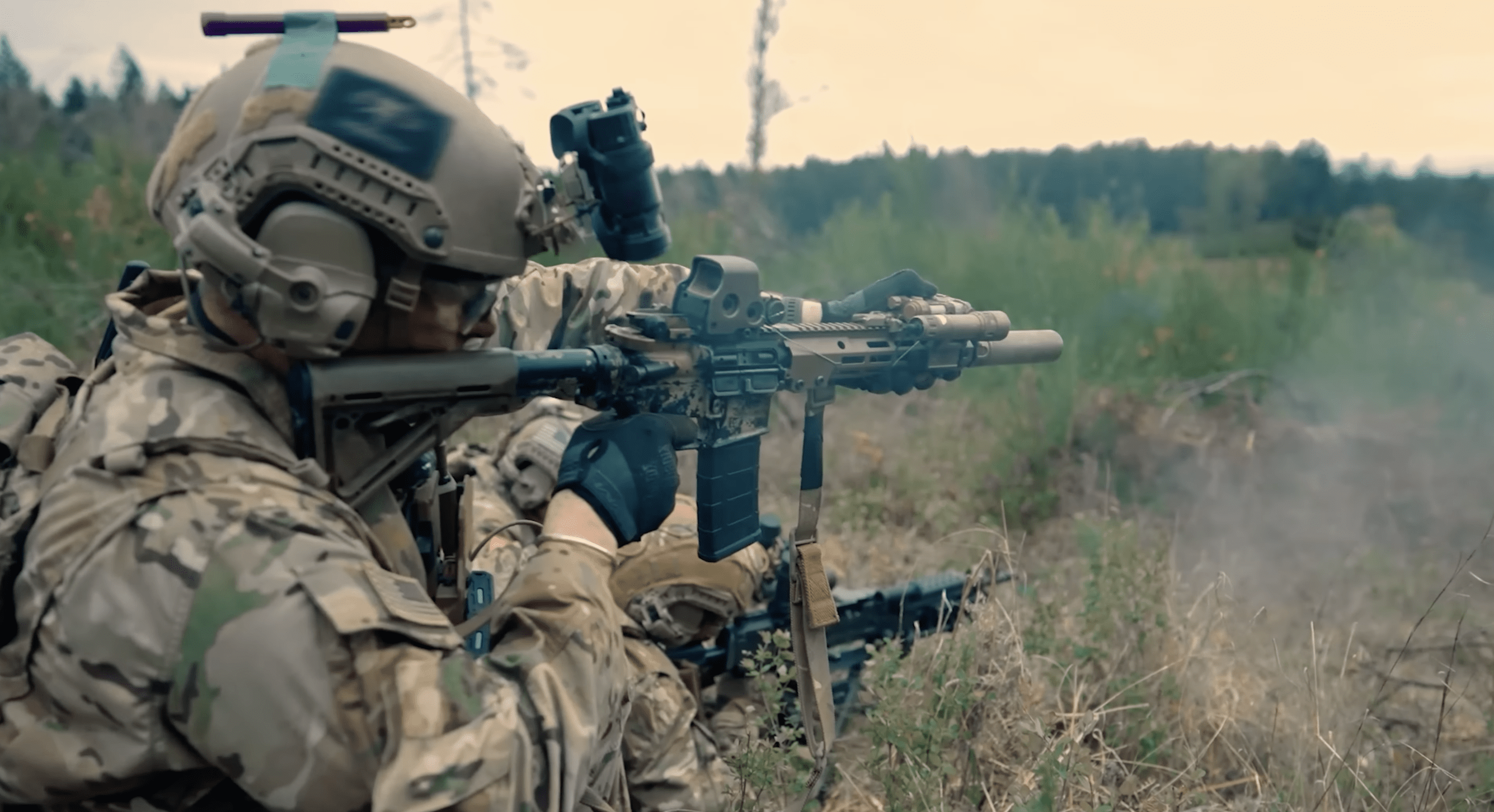
US Special Operations Command has launched development of a next-generation carbine that extends the range of the standard 5.56mm platform while retaining compatibility with the existing M4A1, according to a solicitation on the government contracting portal.
The program, made public on July 21, is designated the Hypervelocity Improved Carbine, or HICAR.
We bring you stories from the ground. Your support keeps our team in the field.
According to Defense News, USSOCOM is running the project with the Naval Surface Warfare Center Crane division to build a next-generation individual weapon for its special operations forces.
The requirement calls for a weapon that reliably engages targets at 600 meters and beyond, roughly double the effective range of about 300 meters recognized for current standard 5.56 NATO platforms.
The carbine would replace or upgrade the current M4A1 upper receiver group, the improved URG-I, while keeping the existing M4A1 lower receiver used across US special operations units.
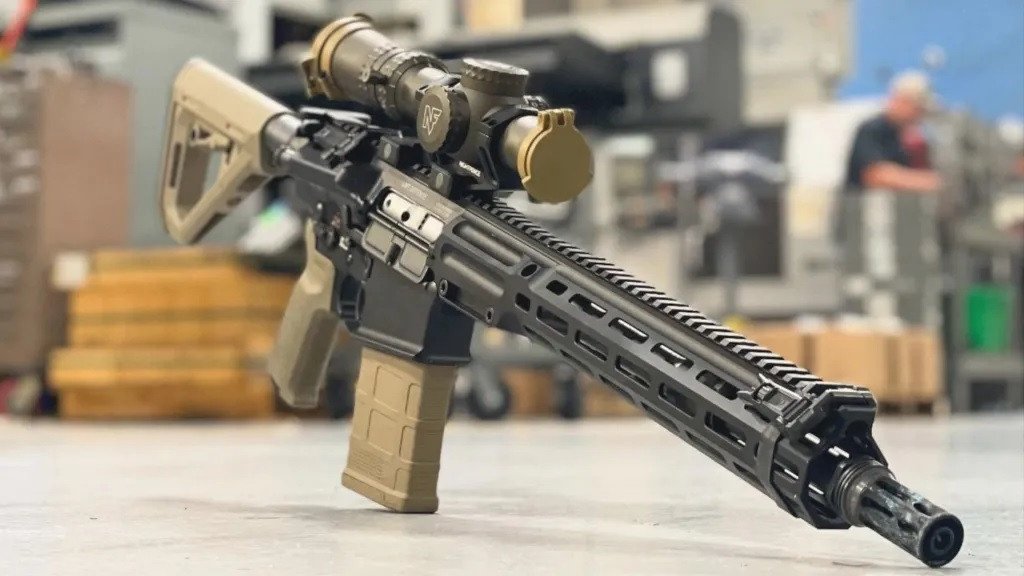
Army Recognition noted that the new rifle must remain compatible with existing M4A1 lowers, STANAG magazines, SOCOM optics, suppressors, laser aiming devices, and other fielded equipment.
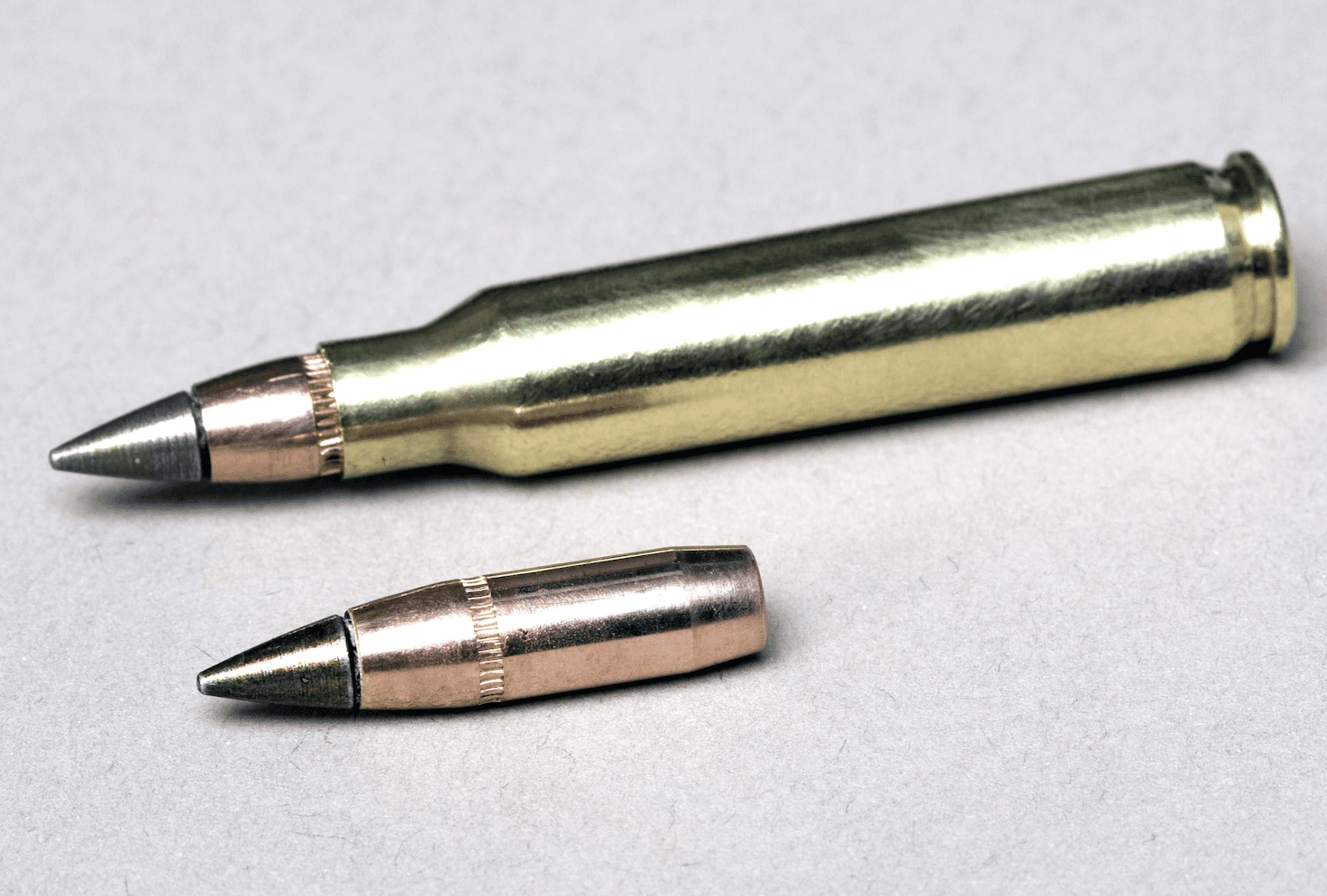
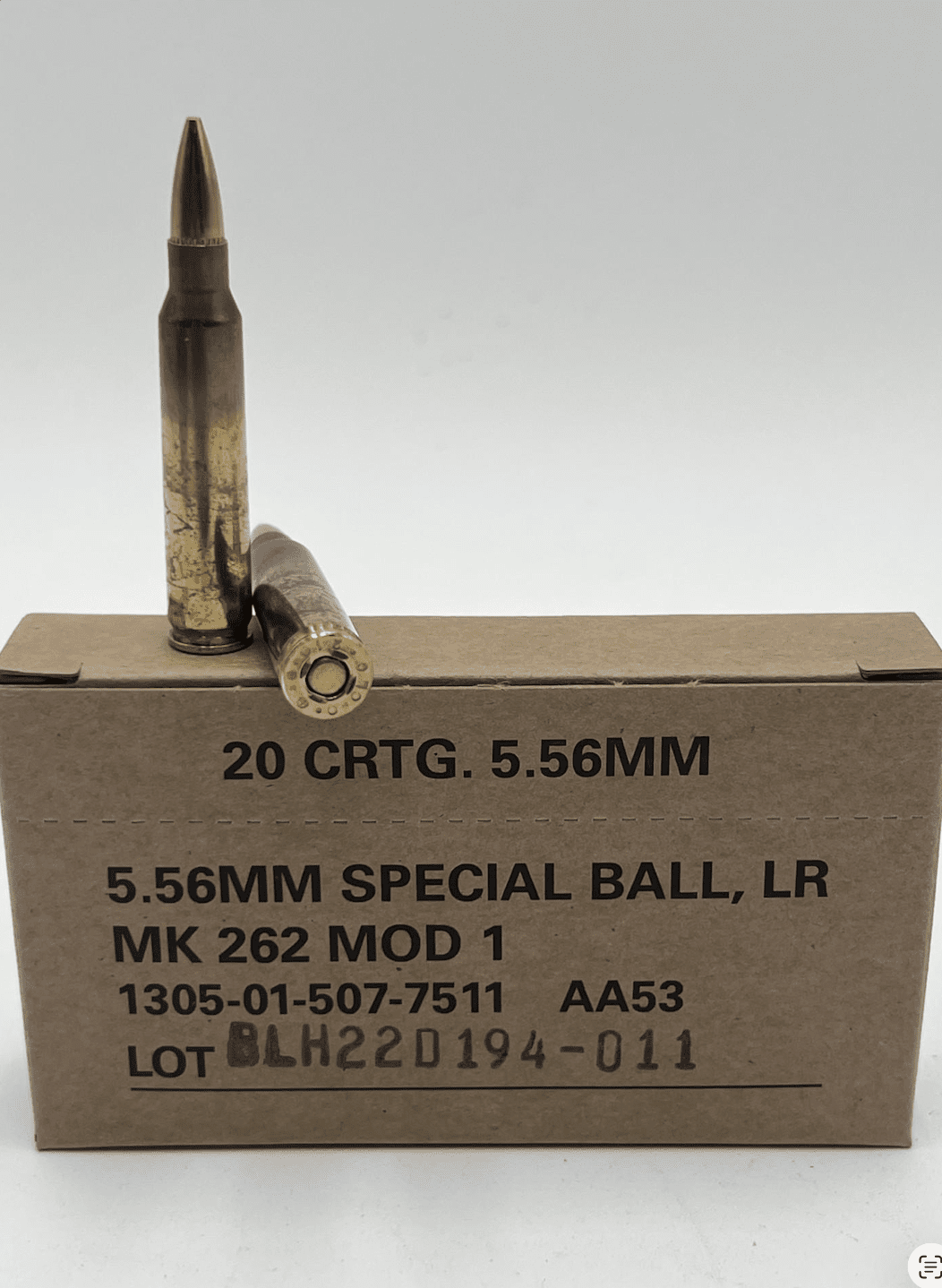
At the center of the program is ammunition. The solicitation requires the carbine to cycle standard rounds—the M855A1 Enhanced Performance Round and the 77-grain Mk262—alongside government-supplied M855A1+ hypervelocity rounds loaded to chamber pressures up to 82,000 psi.
The higher-velocity rounds are intended to extend effective range, improve terminal performance, and defeat body armor and reinforced barriers, USSOCOM stated. Because those pressures far exceed those of conventional 5.56 systems, the command wants significant engineering upgrades to the gas systems, bolts, barrels, and materials to ensure durability.
The solicitation sets strict technical thresholds while preserving the portability of a standard carbine. Among them:
a barrel of 11 to 12 inches, measured from the bolt face to the muzzle;
an unloaded weight under 8 pounds, or about 3.63 kilograms, with 6.5 pounds preferred;
an overall length no greater than 31 inches, with 28 inches set as the objective;
accuracy no worse than 1 MOA unsuppressed, with 0.5 MOA as the target;
a trigger pull under 5 pounds, with under 3 pounds preferred;
recoil below that of the 7.62 NATO Mk17 rifle;
compatibility with Gen3 PMAG magazines and a minimum 16-inch M1913 Picatinny rail;
ambidextrous controls and protective fencing to guard against accidental activation.
Accuracy testing will run multiple 10-shot groups at 100 meters with 77-grain Black Hills Mk262 Mod1-C ammunition, with no group permitted to exceed 2.5 MOA.
The program aims to raise the lethality of special operations units by increasing projectile velocity, rather than moving to a larger cartridge, while preserving the logistics and compact handling of the 5.56 system.
Efforts to tailor rifles to special-forces needs extend beyond conventional platforms. At the Eurosatory exhibition in Paris in June, a Ukrainian company, OM Defense Systems, presented a drone capable of carrying a suspended rifle system or up to 15 kilograms of mortar munitions.
The rifle-armed variant was built at the request of Ukrainian special services, though testing found it less effective than conventional munition drops.
Discuss this article: