- Category
- Latest news
40 Russians Killed in One Day: Skiba’s Rise to Ukraine’s Gold Star Hero
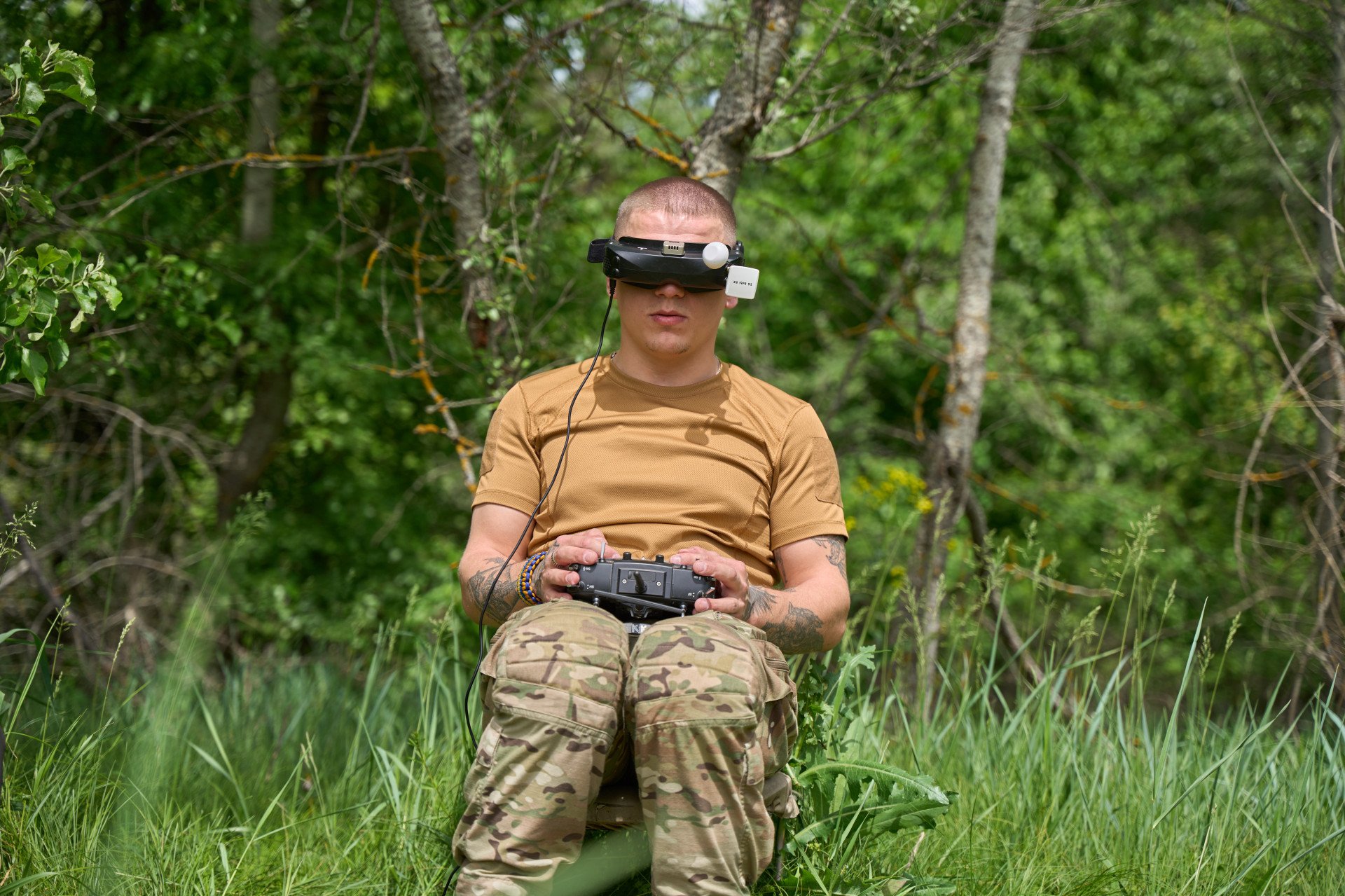
In one legendary sortie, 25-year-old Ukrainian drone operator Andrii “Skiba” armed with just a single Mavic 3T and 60 F‑1 grenades, eliminated 40 Russian combatants and wounded another 40 in a single day—a feat that reshaped the front line forever.
 Prefer U24 Media on Google
- Authors


It was a moment that would redefine the role of drones on the battlefield—and mark Skiba as one of Ukraine’s most effective and innovative frontline tacticians.
This story is based on a frontline video report by UNITED24 Media, offering a rare look inside one of the most advanced UAV units in the Ukrainian Armed Forces.
One day, one drone, 80 targets
In Ukraine’s evolving drone war, few names stand out like Andrii Skibin, known by his callsign Skiba.
At just 25, he became one of the youngest recipients of the Order of the Gold Star—Ukraine’s highest military honor—for a legendary FPV strike that took out 40 Russian soldiers and wounded 40 more in a single day.
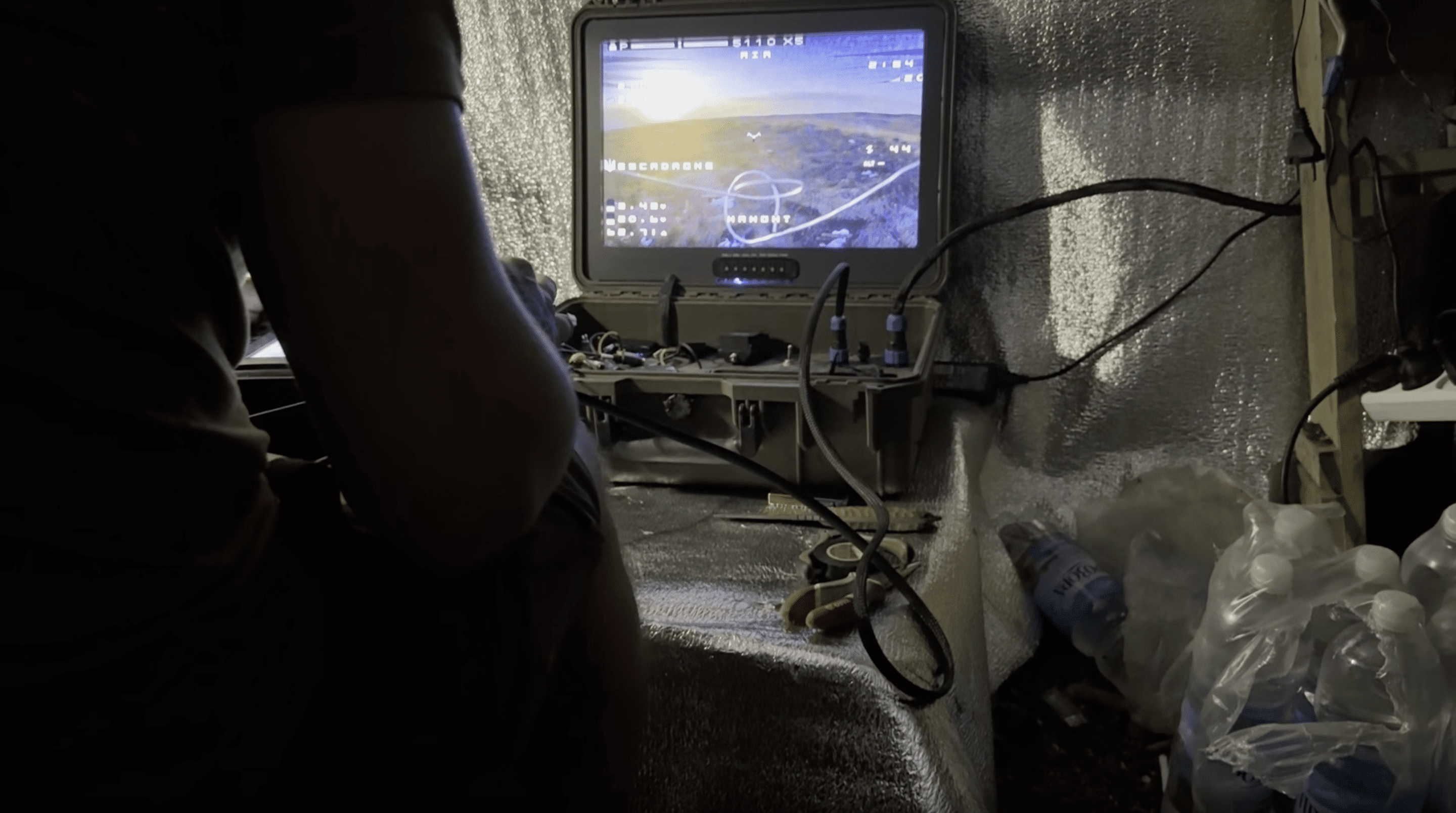
It happened during a massive night assault by Russia’s 88th Brigade. Armed with just one Mavic 3T and 60 F‑1 grenades, Skiba held the line with pinpoint precision. Dropping grenades from heights as low as seven meters, he turned commercial drones into surgical strike weapons.
“Everyone says I’ve killed a lot of Ruskies—sure, I have,” Skiba says. “But I don’t see it as a milestone. It’s not over. If I can do more, I will.”
Precision under fire
During months of continuous attacks, including those by Wagner Group fighters, Skiba destroyed up to twenty Russian soldiers per day.
At a time when drone warfare was still in its infancy, he refined techniques that would later become standard—setting altitude limits, calculating flight paths, and coordinating directly with infantry on the ground.
“I knew our guys were holding the line,” he says. “They called me on the radio. I knew them by name. How could I not help them when they asked?”
From test flights to Russian heroes
Skiba’s reputation as a drone pilot solidified further when he eliminated a Hero of Russia—a decorated commander with the callsign Tashkent—during what was originally a test flight with FPV drones.
It was a clear signal: Ukraine wasn’t just catching up in drone warfare—it was setting the pace.
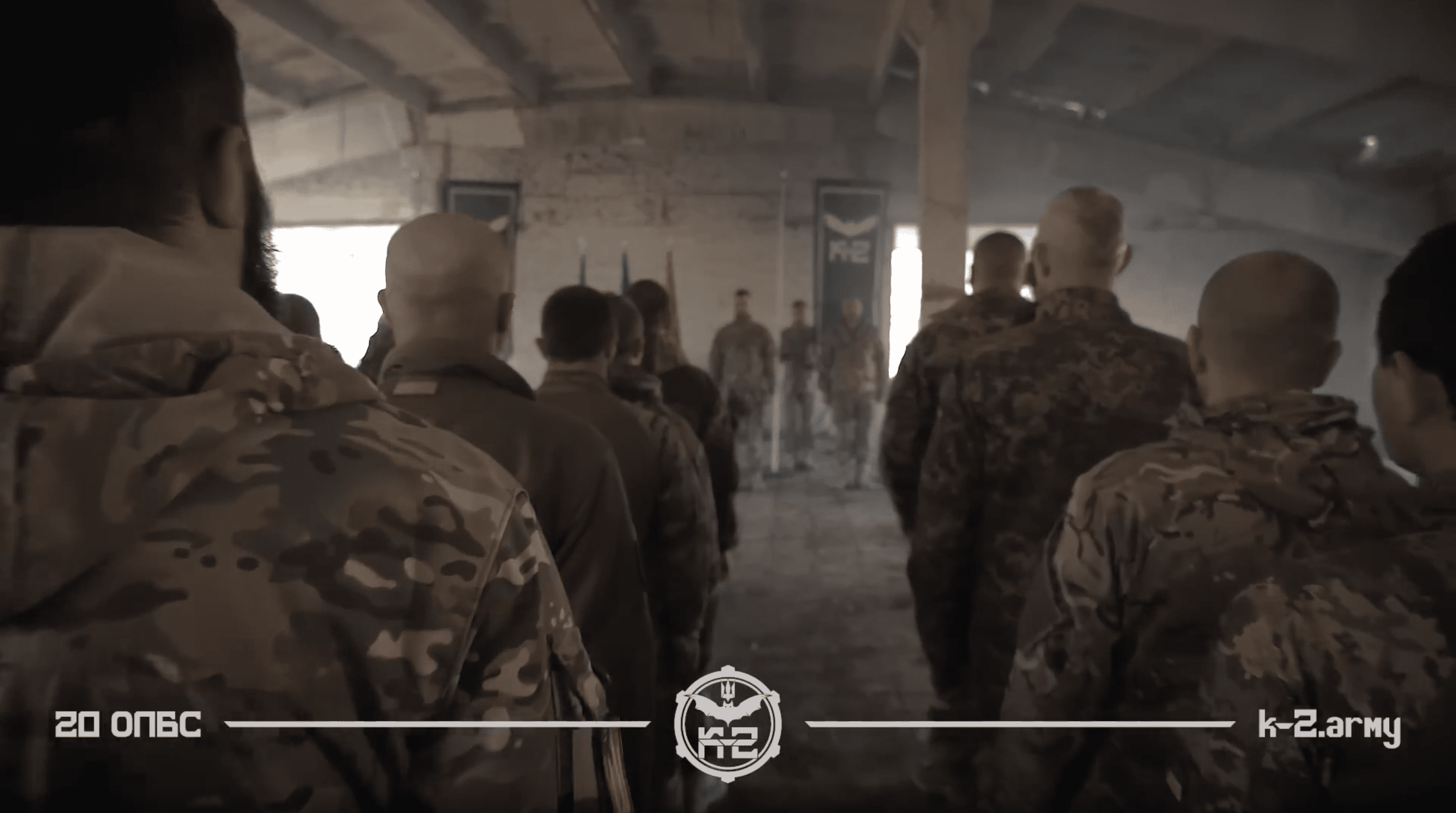
Today, Skiba leads an FPV strike formation within the K-2 UAV Regiment, one of the most advanced drone units in the Land Forces. As the battalion scales into a full regiment, he focuses on training and empowering the next wave of drone pilots.
“We’re building from the ground up,” he says. “New leaders, new systems—this isn’t just about fighting. It’s about growing.”
The engineers behind the mission
Supporting Skiba is a tight-knit team of innovators. Bacchus, a former marksman, now commands FPV platoons from behind the launch line. His father, Khara, is a drone engineer—or “Fixik”—who ensures every aircraft is battle-ready. “It was always my dream,” Khara says. “I prep the drones, and my son destroys the enemy.”
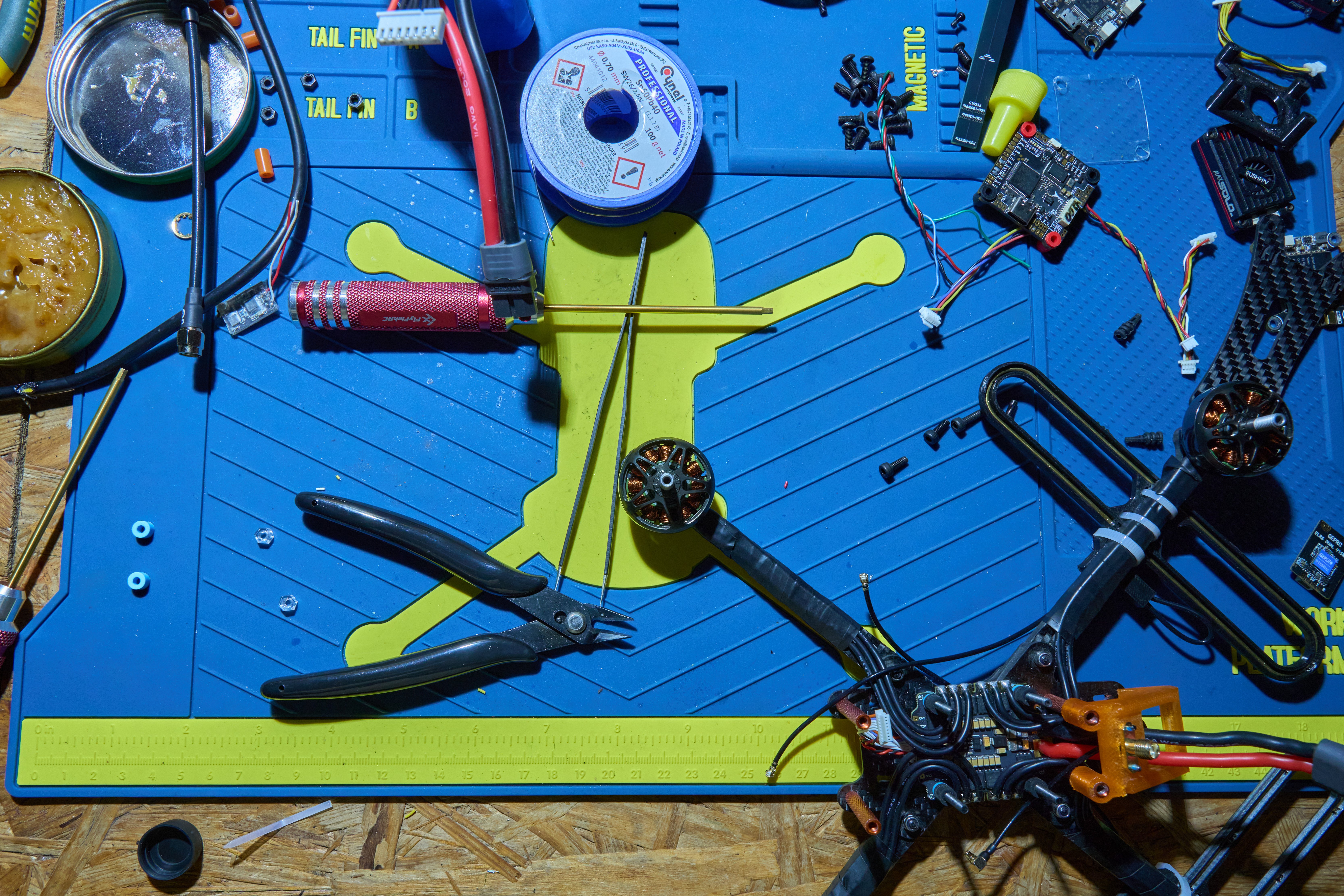
At the workshop, chief engineer Bash oversees scaling: customizing drones, adjusting frequencies, and assembling ground stations. Atrei, a senior pilot and former AI researcher, still prefers hands-on work, soldering and building between missions.
“We used to do it all ourselves—build, fly, repair,” Atrei says. “Now the unit is bigger, but the mindset is the same: if it breaks, we fix it. And we keep flying.”
Writing the drone warfare playbook
The K‑2 UAV Regiment is now part of Ukraine’s top tier of drone units. Along with a handful of elite teams, they are not only fighting the war—they are defining what drone warfare looks like in the 21st century.
Skiba sees his role as both tactical and moral.
“We just keep working—because we have no other choice,” he says. “Discipline and work. That’s how we win.”
Discuss this article:

-c439b7bd9030ecf9d5a4287dc361ba31.jpg "Photo of Katherina Popilnichenko")