- Category
- Latest news
After Heavy Losses, Russia Adds Anti-Drone Shield To Tor Air Defenses—But Will It Work?
 Prefer U24 Media on Google
- Authors


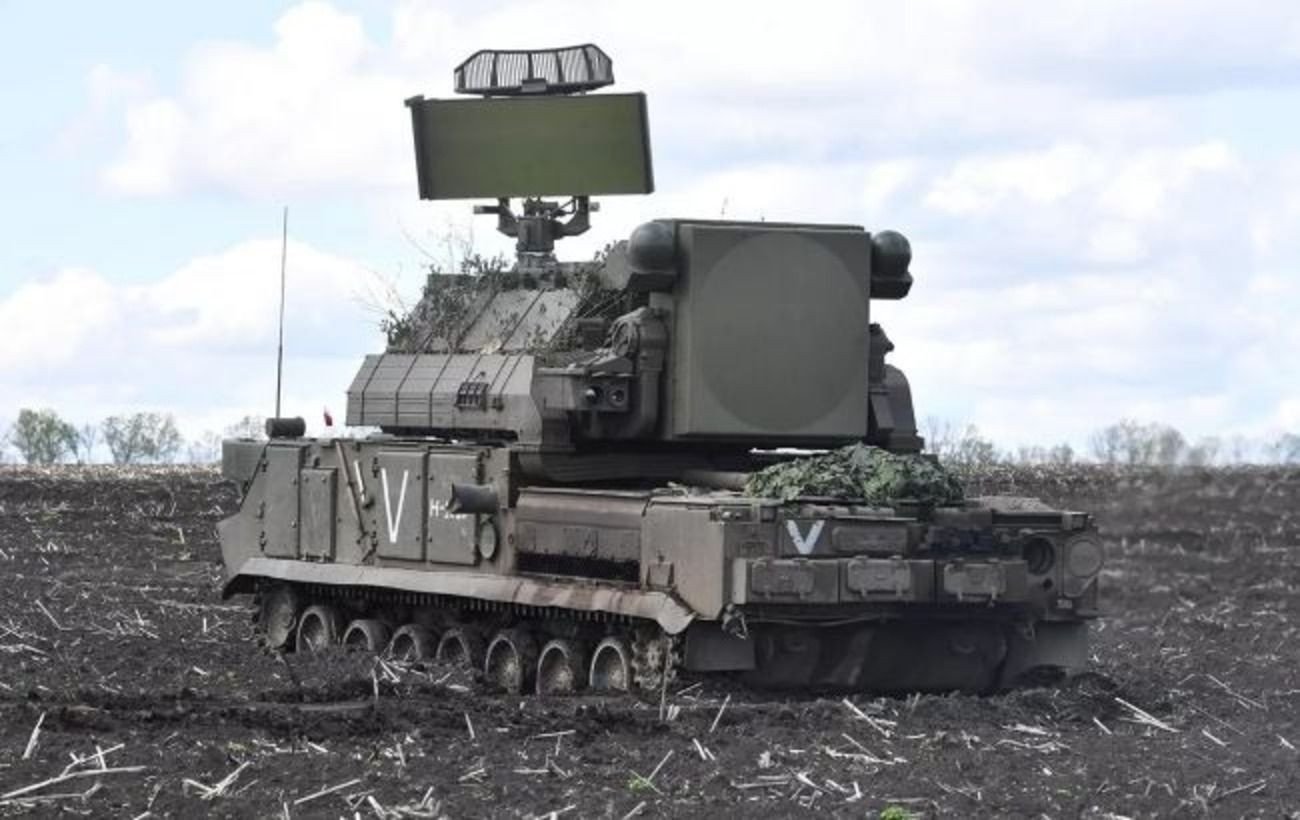
Russia has developed a new protection system designed to shield its Tor surface-to-air missile systems from Ukrainian drone attacks, as battlefield losses among air defense units continue to increase.
We bring you stories from the ground. Your support keeps our team in the field.
According to Militarnyi on March 19, citing armored vehicle researcher Andrii Tarasenko, the Russian enterprise Kupol presented a concept for upgrading Tor systems with integrated electronic warfare capabilities aimed at countering both FPV and reconnaissance drones. The report is based on technical materials and analysis shared by Tarasenko.
The proposed system combines drone signal detectors, electronic warfare modules, and directional jamming antennas integrated directly onto the combat vehicle. Sensors are positioned at the front and rear of the platform and connected to a centralized control and power system.
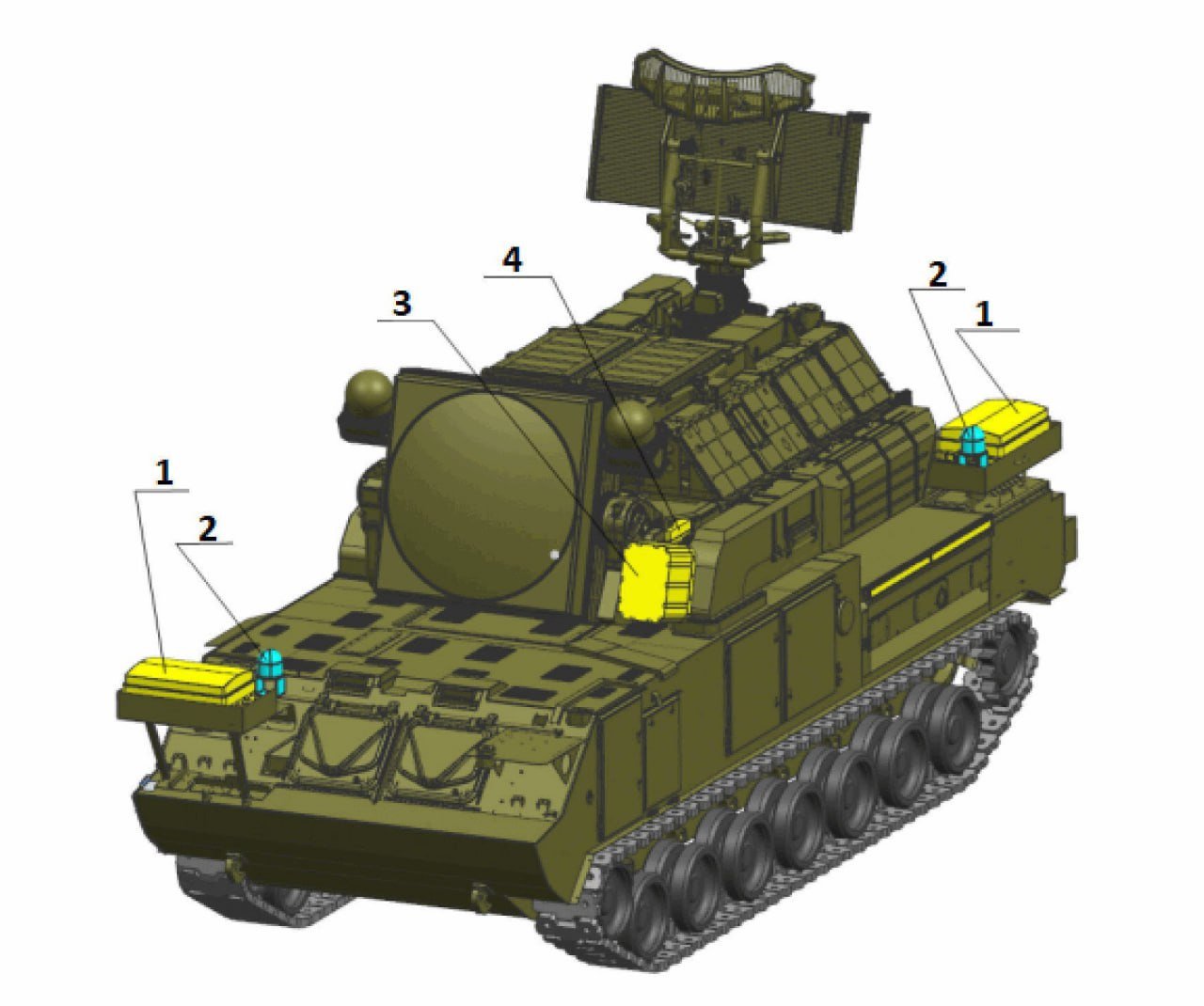
The system operates in two modes. In the first, an omnidirectional configuration generates a hemispherical jamming field covering 360 degrees horizontally and up to 90 degrees vertically. This setup is intended to disrupt FPV drone control links at distances of up to 500 meters, either continuously or automatically when drone video signals are detected.
In the second mode, the system focuses on longer-range threats such as reconnaissance drones. According to Militarnyi, a directional antenna block mounted on the missile guidance radar enables suppression at distances of up to 5 kilometers.
The system operates across a frequency range of 415 to 5860 MHz with a stated output power of at least 2 kW, targeting both control and navigation channels.
The integration is designed to avoid interference with the system’s radar and combat functions, while maintaining the vehicle’s dimensions and operational performance.
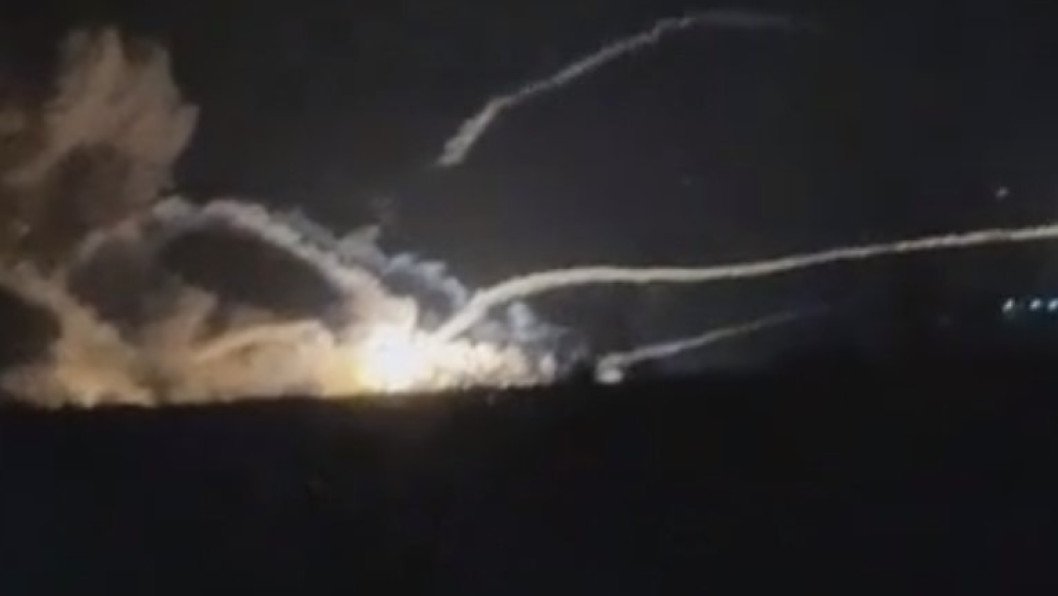
According to Militarnyi, Russian air defense systems such as Tor, Buk, and Pantsir have increasingly become targets for Ukrainian drones at both tactical and operational levels. In recent days, Ukrainian forces reportedly destroyed multiple systems, including two Buk-M1 units and four Tor-M2 systems in separate incidents.
The report notes that continued losses are pushing Russia to adapt its air defense platforms. However, the effectiveness of such electronic warfare solutions remains uncertain, given the rapid evolution of drone technologies, including frequency-hopping communication and autonomous navigation systems.
Alternative approaches, such as mobile fire groups and passive protection measures, are also being considered to reduce vulnerability.
Earlier, Ukrainian military intelligence reported the destruction of a rare Arctic-configured Tor-M2DT air defense system using precision drone strikes, highlighting the growing vulnerability of Russia’s advanced air defense assets—even those designed for extreme conditions—to Ukrainian UAV operations.
Discuss this article:
-4a56a6b482ec132402c16ef6fcabf9a2.png)


-c439b7bd9030ecf9d5a4287dc361ba31.jpg "Photo of Katherina Popilnichenko")