- Category
- Latest news
After Starlink Restrictions, Russia Turns To Stratospheric Balloons—But Wind Works Against It
 Prefer U24 Media on Google
- Authors




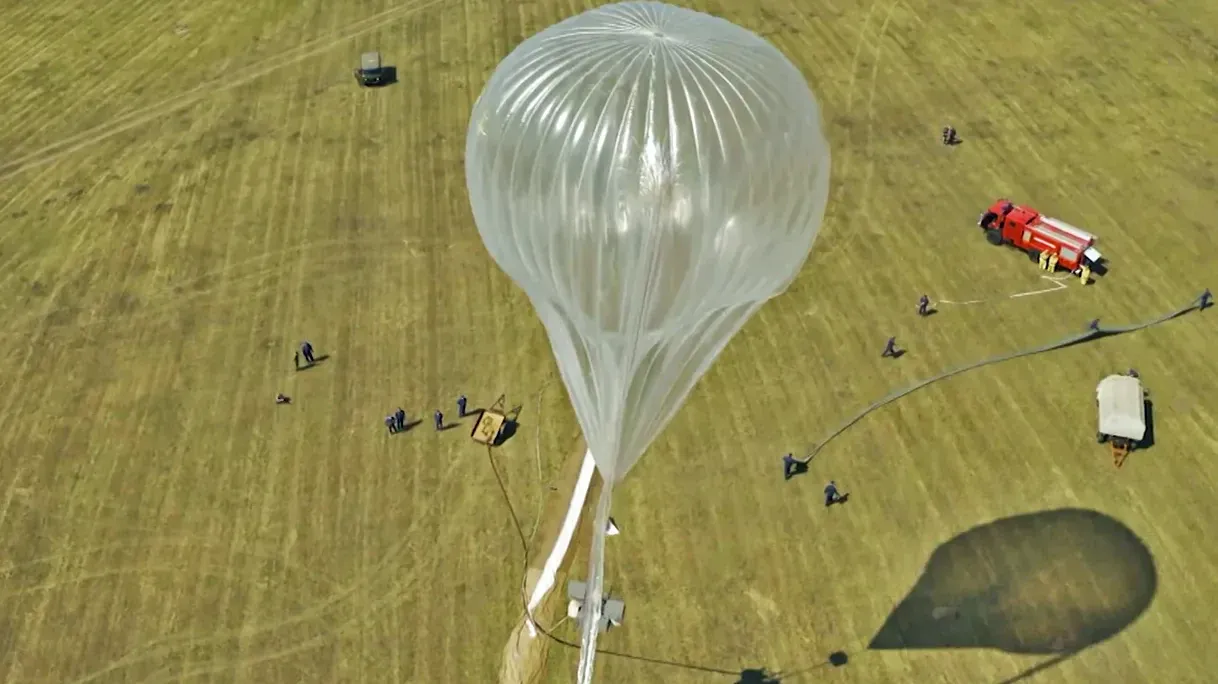
Following tightened controls on unauthorized Starlink terminals in occupied Ukrainian territories, Russia has begun testing a high-altitude stratospheric balloon platform known as “Barrazh-1,” designed to carry communications relay equipment to altitudes of up to 20 kilometers.
However, prevailing wind patterns over Eastern Europe may significantly limit its effectiveness if deployed against Ukraine.
We bring you stories from the ground. Your support keeps our team in the field.
According to Defense Express on February 17, the project accelerated after Russian forces encountered growing restrictions on satellite communications in occupied areas, prompting Moscow to seek alternative battlefield connectivity solutions, including stratospheric relay platforms.
The outlet cited Ukrainian military communications specialist Serhiy “Flash” Beskrestnov, an adviser to Ukraine’s Minister of Defense, who reported that Russia has started trials of the “Barrazh-1” system. The platform is being developed by Russian companies Aerodrommash and Bauman Moscow State Technical University.
Russian developers have stated that the system “is almost entirely composed of Russian components and materials” and is intended to lift a 5G NTN communications station to approximately 20 kilometers while maintaining extended operational capability.
Technical concept and operational challenges
According to Defense Express, the balloon is designed to adjust altitude in order to utilize wind currents for directional movement. Russian sources describe this as a maneuvering capability intended to maintain positioning over designated areas.
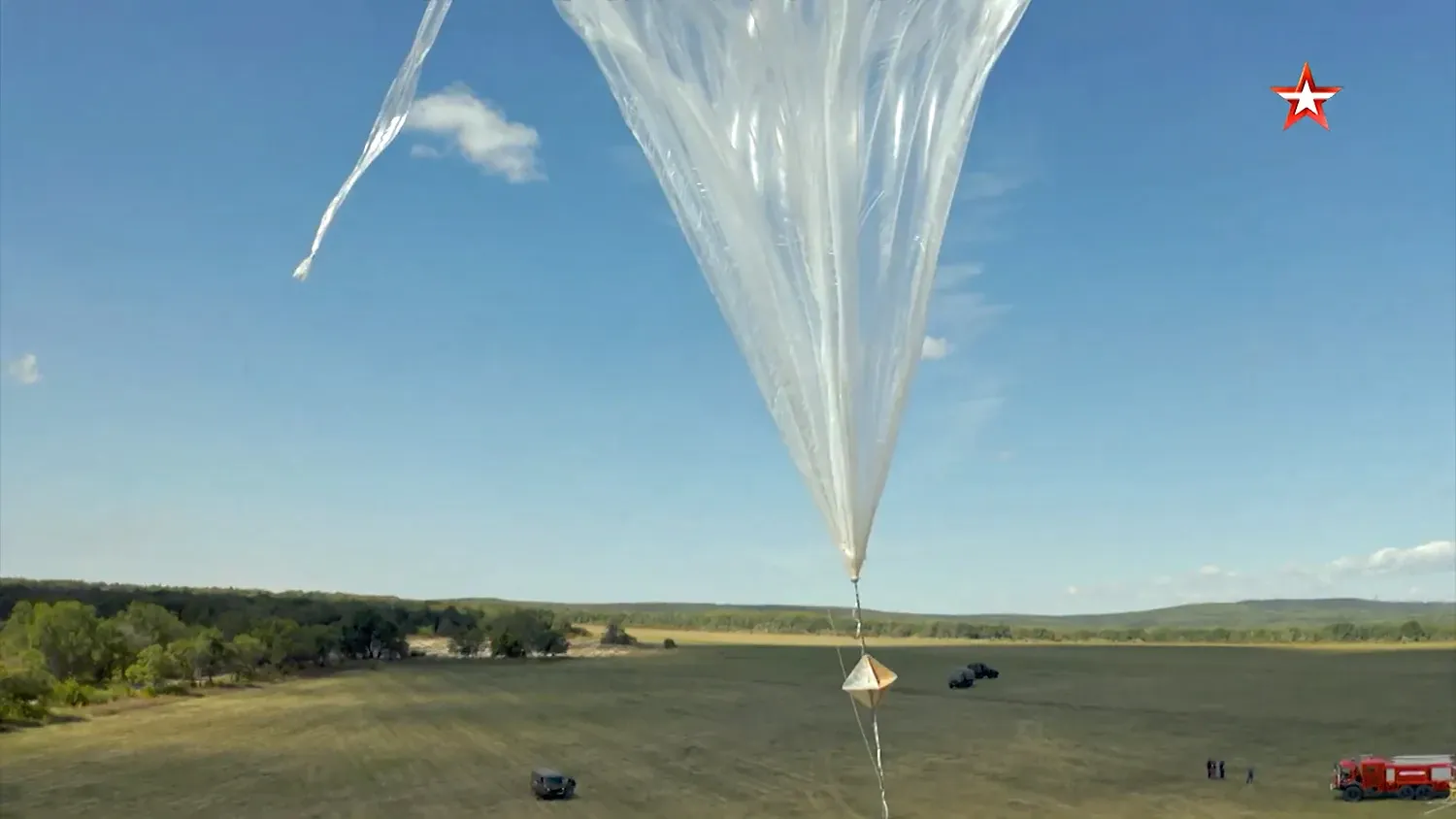
However, the outlet notes that stratospheric balloons drift with prevailing air masses. At high altitudes over most of Ukraine, dominant wind flows move from west to east—a phenomenon known as westerly transfer. This means that in many cases, platforms launched from Russian-controlled territory would drift deeper into Russia rather than toward Ukrainian territory.
Exceptions may occur in southern Ukraine, particularly south of the approximate Luhansk–Dnipro–Balta line, where eastern winds are more common during winter months.
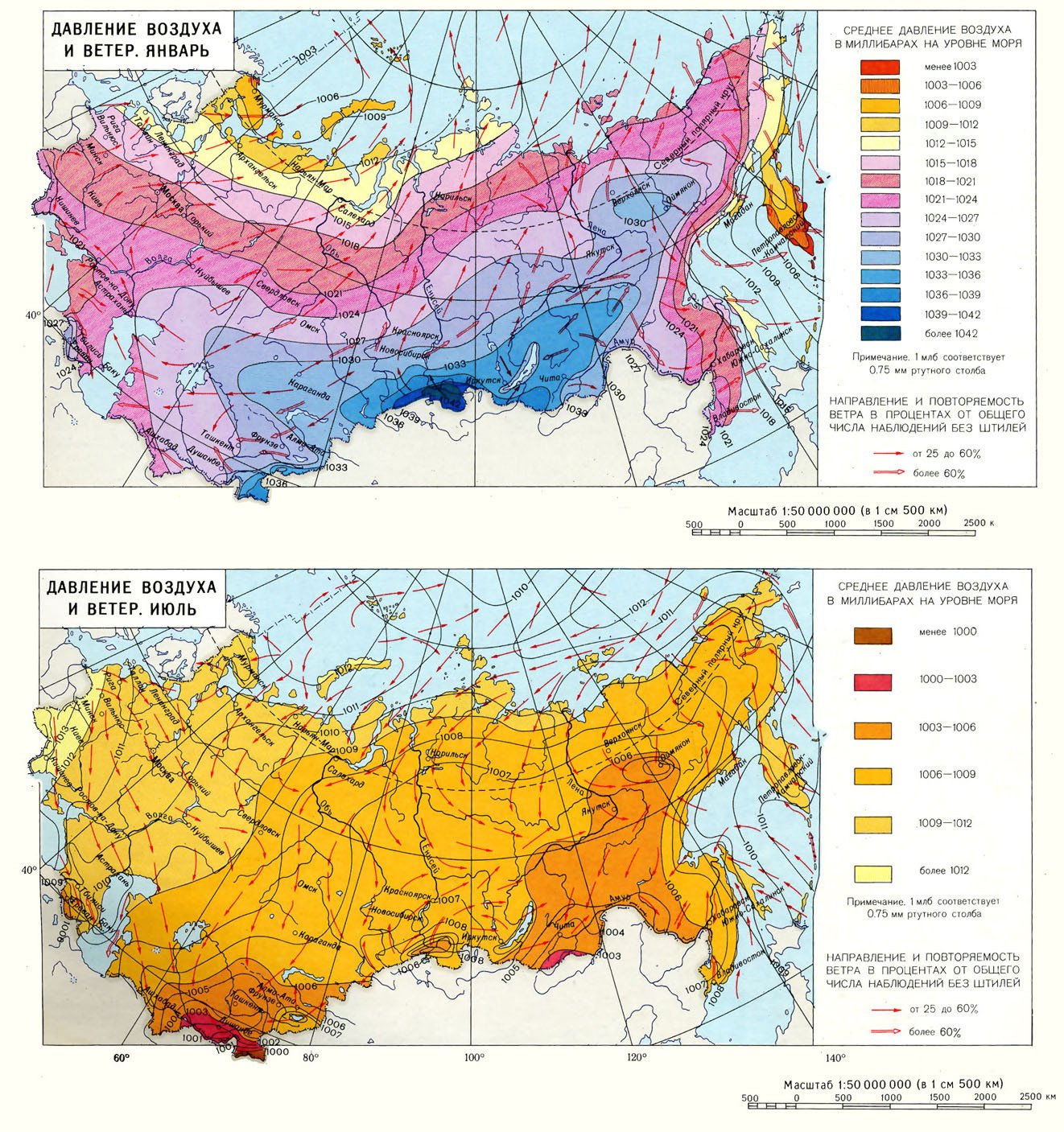
Nevertheless, the prevailing wind pattern presents a structural limitation for establishing a sustained balloon-based communications network over Ukraine.
Air defense considerations
According to Defense Express, targets operating above 20 kilometers pose complex interception challenges. While certain air defense systems are technically capable of engaging high-altitude objects, practical deployment may require specialized assets.

The outlet referenced the February 2023 downing of a Chinese surveillance balloon by the United States, which involved an F-22 fighter jet armed with an AIM-9X missile. During the Cold War, the Soviet Union also developed a dedicated high-altitude interceptor aircraft, the M-17 “Stratosfera,” which first flew in 1982.
Historical and international context
Defense Express reports that high-altitude balloon use is not new. The Soviet Union experimented extensively with stratospheric balloons in the 1930s, while the United States employed similar platforms for reconnaissance throughout the Cold War. In 1956, under the Genetrix program, the US launched 512 balloons between January 10 and February 8.
#ICYMI SNC’s rapidly deployable High-Altitude Balloon (HAB) successfully completed its first flight demo. Our HAB provides global, persistent & uninterrupted ISR with communication capabilities at higher altitudes in near real-time. https://t.co/DWl16G3yJ3 #ProjectAether pic.twitter.com/7PtP7BAINP
— Sierra Nevada Corporation (@SierraNevCorp) October 27, 2022
The placement of communications equipment on such platforms represents a more recent application. The US Army uses Thunderhead stratospheric balloons, and Sierra Nevada Corporation is developing the LTA-HAPS project focused on high-altitude relay systems.
According to Defense Express, while Russia may pursue stratospheric relays as a temporary or situational solution, geographic and atmospheric conditions complicate their use as a stable, long-term communications network over Ukraine.

The outlet also notes that Ukraine, due to the same prevailing wind patterns, would have more favorable conditions for launching similar platforms toward Russian territory.
Earlier, Ukrainian forces recaptured 201 square kilometers in one week—the largest gain since June 2023—after Russian troops reportedly lost access to Starlink terminals. The counterattacks near Zaporizhzhia likely exploited the recent blocking of Russian access to Starlink, which has disrupted their battlefield communications.
Discuss this article:
-4a56a6b482ec132402c16ef6fcabf9a2.png)