- Category
- Latest news
Banned in the West, Sold in Moscow—North Korea’s Pseudo-Medicines Go Global
 Prefer U24 Media on Google
- Authors

-72b63a4e0c8c475ad81fe3eed3f63729.jpeg "Photo of Cyril Barabaltchouk")
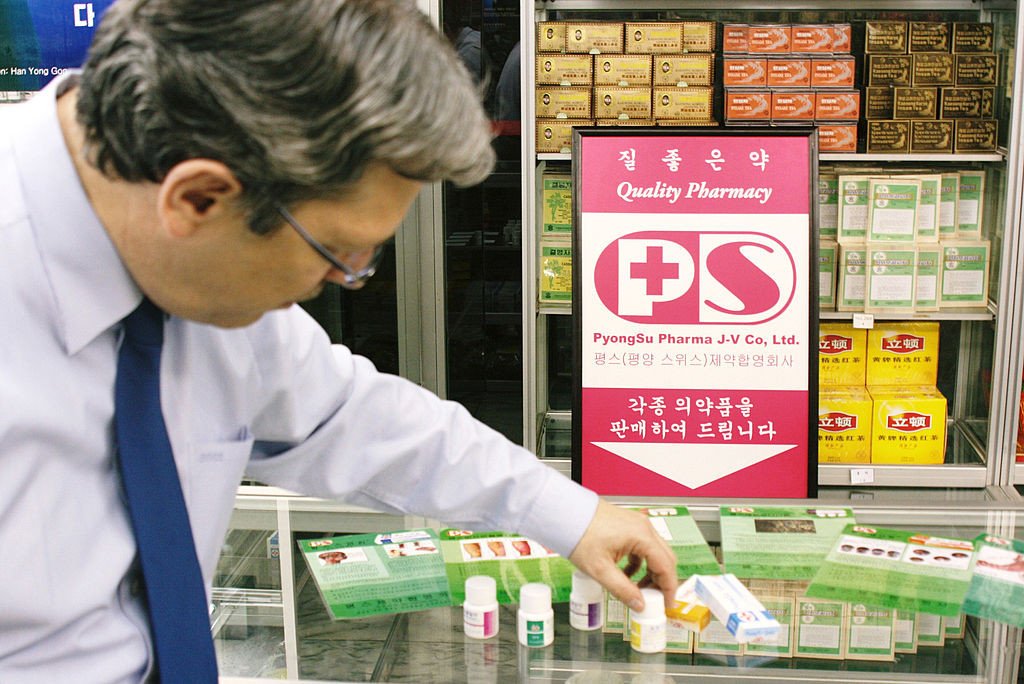
Several North Korean pharmaceutical companies under international sanctions are entering the Russian market, led by Pugang Pharmaceutical Company—a firm known for its pseudo-medicinal products, The Moscow Times reported on November 12.
According to NK News, citing Russian patent data, Pugang registered the brand Royal Blood-Fresh in February through its subsidiary Korea Pugang Trading Corporation, sanctioned by the UN, US, and EU for links to Pyongyang’s military contractors.
Royal Blood-Fresh, marketed as an anti-thrombosis supplement made from soybeans, is sold in North Korea as a remedy for “deep vein thrombosis” and is even offered on Air Koryo flights.
North Korean propaganda claims it helps passengers “become younger and smarter,” though the product has been dismissed abroad as unscientific, The Moscow Times wrote.
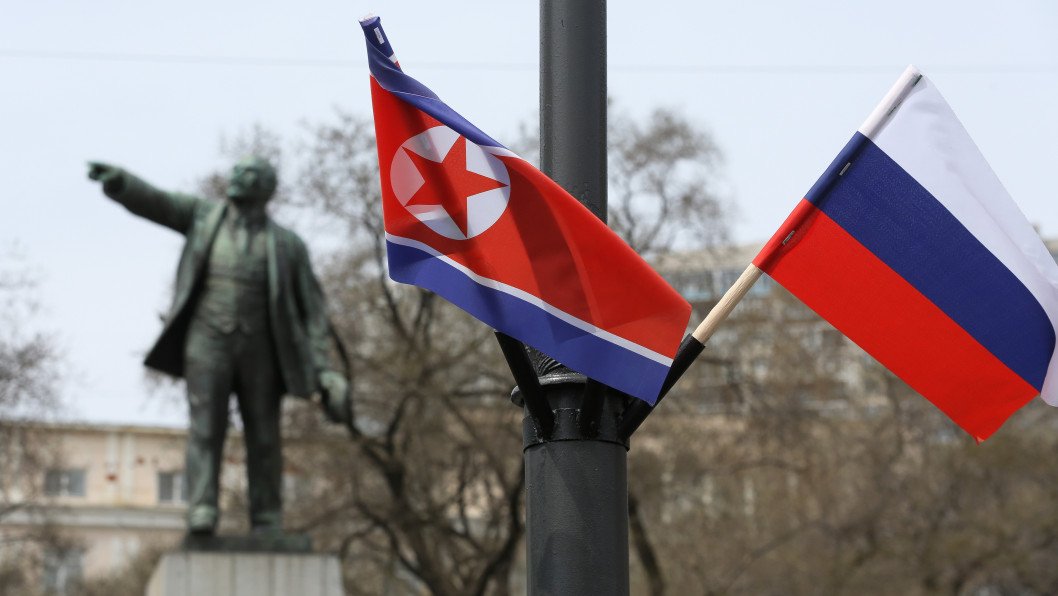
Pugang also produces Kumdang-2 Injection, which it falsely promotes as effective against HIV, COVID-19, malaria, and even drug addiction. The formula reportedly contains ginseng, gold, and platinum particles.
Other North Korean firms are expanding similarly. The Oriental Instant Medicine Development Center recently filed for Russian registration of two new herbal products, one billed as an anti-cancer treatment and another marketed as a “universal medicine” for ailments from hypertension to post-stroke speech disorders.
Meanwhile, Moksong Trading Company gained approval to export painkillers, disinfectants, and antibiotics to Russia, despite its ties to a building materials firm known for producing “ginseng liquor” and other dubious tonics, The Moscow Times wrote.
Experts have raised concerns about the safety of these products: one Pugang-linked medicine, Angunguhwanghwan, was banned in Vietnam after tests found dangerously high levels of lead, mercury, and arsenic, thousands of times above health norms.
The surge in pharmaceutical cooperation follows a new intergovernmental agreement signed in early November between Moscow and Pyongyang to expand collaboration in healthcare — including the training of North Korean medical staff and the supply of Russian medicines and equipment to the DPRK, according to The Moscow Times.
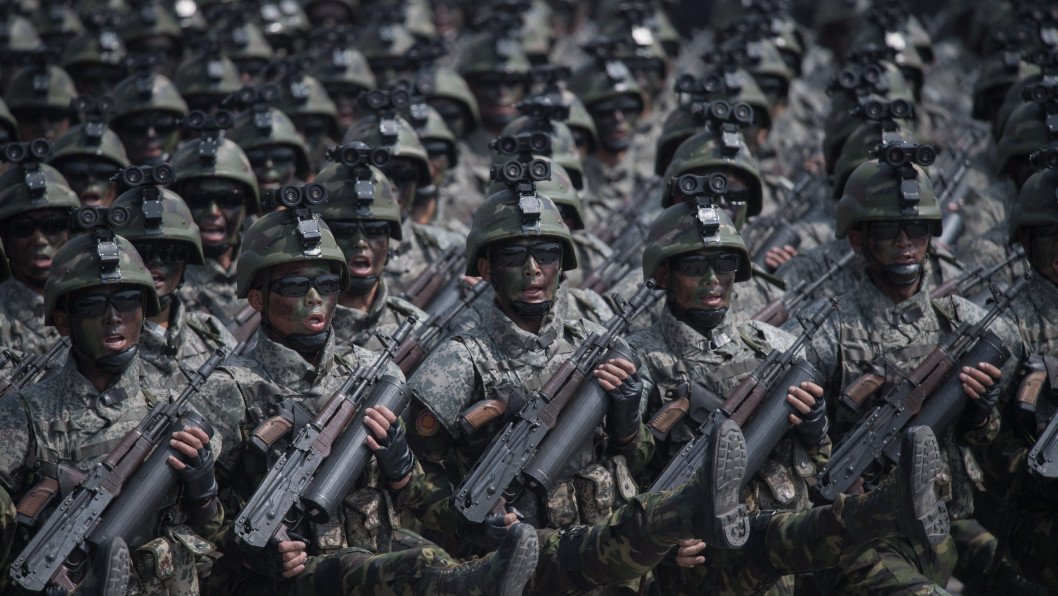
Previously, it was reported that North Korea and Russia have engaged in high-level discussions regarding methods to strengthen cooperation between their respective military-political organs.
These meetings occur amid increasing indications that North Korea may be preparing to deploy additional personnel to support Russian military operations in Ukraine.
Discuss this article:

-c439b7bd9030ecf9d5a4287dc361ba31.jpg "Photo of Katherina Popilnichenko")
-111f0e5095e02c02446ffed57bfb0ab1.jpeg "Photo of Roman Kohanets")