- Category
- Latest news
Budget Cuts Force Russia to Prioritize Working-Age Diabetes Patients for Medicine
 Prefer U24 Media on Google
- Authors

-c439b7bd9030ecf9d5a4287dc361ba31.jpg "Photo of Katherina Popilnichenko")
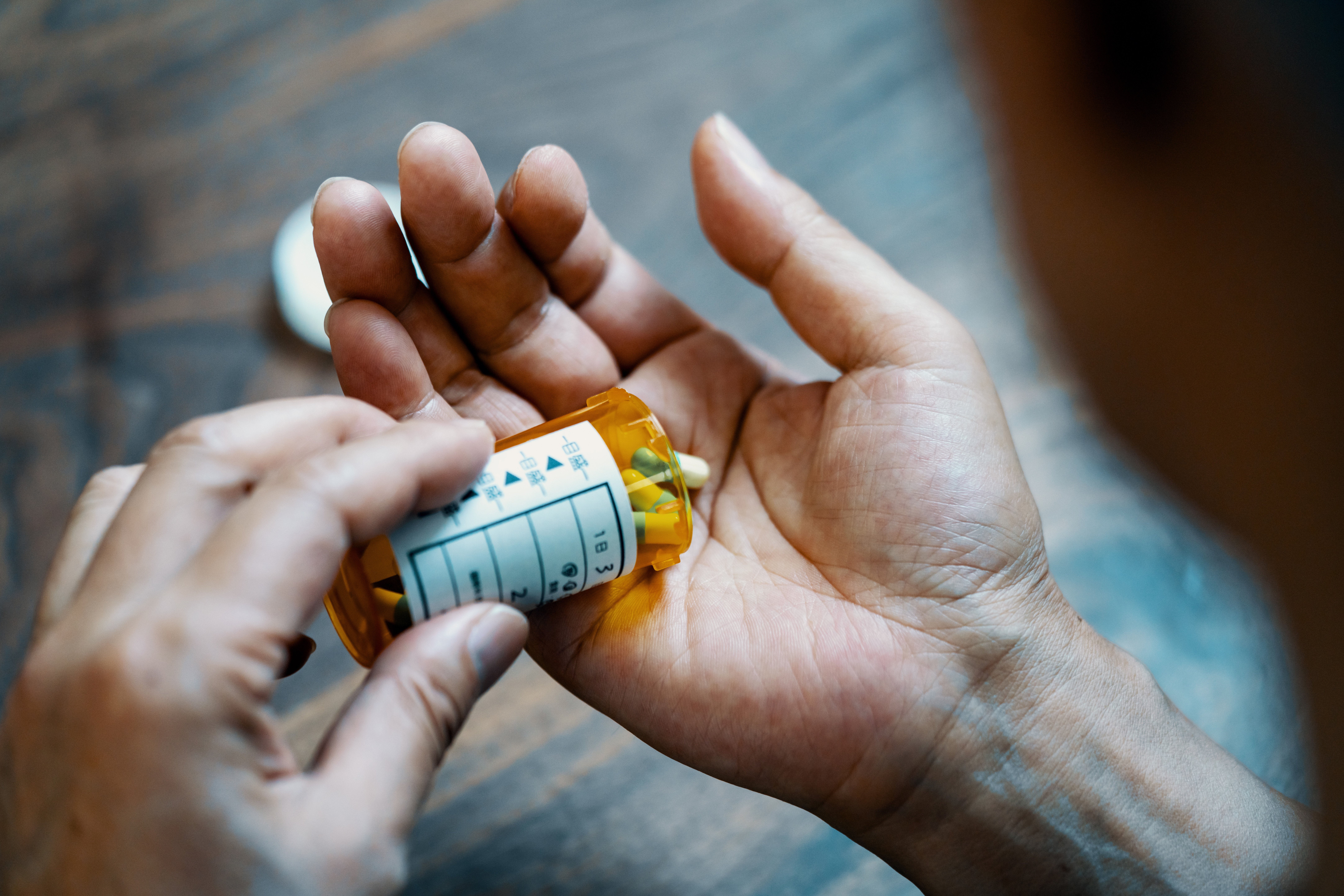
Russian health officials have proposed limiting subsidized diabetes medications to working-age citizens as the country faces a shortage of funding for modern treatments.
There are approximately 5.5 million patients in the country with type II diabetes. This condition can lead to serious damage to the heart, kidneys, nervous system, and vision if left untreated. About one million of these patients require advanced glucose-lowering drugs, according to The Moscow Times on March 13.
We bring you stories from the ground. Your support keeps our team in the field.
However, Marina Shestakova, director of the Diabetes Institute at the Dedov National Medical Research Center for Endocrinology, stated that “there is no money in the country for the drug provision of such a number of patients at the moment.”
Because of these financial constraints, scientists have proposed providing subsidized medications primarily to working-age patients. Shestakova explained that paying for the treatment of this specific group using state funds is “economically justified.”
Endocrinologists have identified a priority group of 105,507 Russians under the age of 60 who have heart and kidney disease but do not have a disability status. Currently, these individuals rely on regional subsidies, which the All-Russian Patients' Union (VSP) reports are often unreliable.
The targeted group includes patients with type II diabetes who also suffer from chronic heart failure or advanced chronic kidney disease. Clinical guidelines recommend modern drug classes such as SGLT2 inhibitors and GLP-1 receptor agonists for these cases.

A representative from the Endocrinology Center noted that the drug dapagliflozin, for example, reduces the risk of developing chronic kidney disease by 47%. The center plans to push for expanded eligibility criteria in the future.
These proposals come as the Russian government reduces healthcare spending amid Russia’s full-scale invasion of Ukraine. The 2026 budget shows a 13% cut to the diabetes program, falling to 8.4 billion rubles ($90.3 million) from 9.6 billion ($103.2 million) in 2025.
Funding for emergency medical services development will drop by 28%, while spending on modernizing primary healthcare will be cut by more than half.
Yuri Zhulev, co-chairman of the VSP, noted that regional authorities decide which drugs to buy and in what quantities. This leads to significant differences in treatment availability depending on the region. Supply interruptions are often caused by delays in procurement or insufficient purchase volumes.
As a result, many patients must pay for their own medication.
According to Natalya Babkova of the VSP, 10% of high-priority patients spend over 30% of their monthly income on these drugs, while 2% spend more than half.

The Ministry of Health stated that current supplies of diabetes medications are enough to last 7.4 months. This includes a 4.1-month supply in medical organizations and a 1.6-month supply in pharmacies.
Russia’s federal budget for 2026 included sweeping cuts to at least 18 of 51 state programs, saving the Kremlin more than $2.15 billion. Key sectors such as healthcare, aviation, energy, and rural development faced significant reductions, while healthcare development alone lost about $330 million.
Conversely, spending on state power structures and propaganda increased sharply, with funding for the “Russia in the World” program doubling and the “Defenders of the Fatherland” fund receiving 2.5 times more than in the previous year.
Discuss this article:
-9a7b3a98ed5c506e0b77a6663f5727c5.png)