- Category
- Latest news
Drone Raid on Russia’s Major Explosives Factory—Ukraine Targets Heart of Kremlin’s Shell Production
 Prefer U24 Media on Google
- Authors


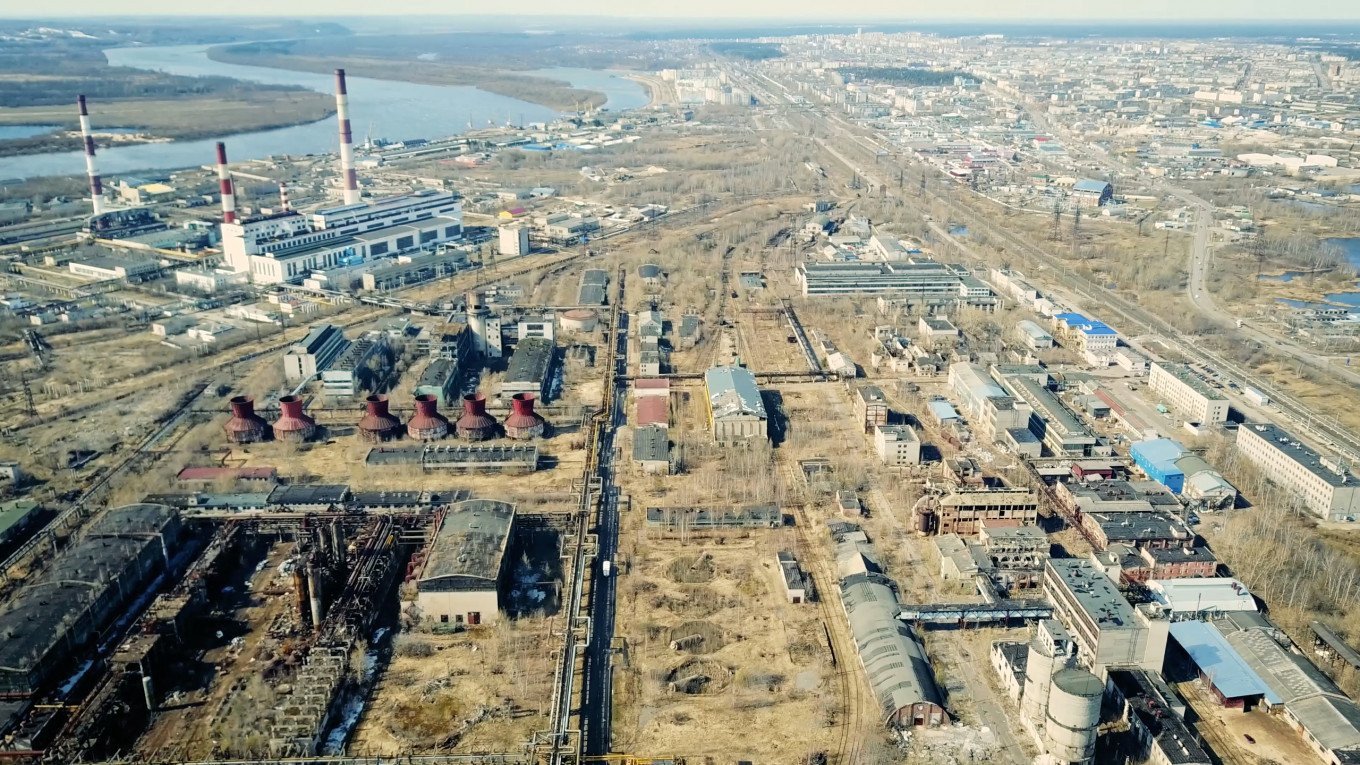
Ukraine’s General Staff has confirmed a successful strike on one of Russia’s most critical defense industry sites—the Zavod im. Ya. M. Sverdlova explosives plant in the Nizhny Novgorod region, some 750 kilometers from the Ukrainian border, on October 6.
The attack triggered “numerous explosions and a fire in the target area,” according to the official statement.
💥Dzerzhinsk, at least two strikes on Sverdlov plant. pic.twitter.com/Ww4ni6WNtT
— MAKS 25 🇺🇦👀 (@Maks_NAFO_FELLA) October 6, 2025
The Sverdlov plant, located outside the city of Dzerzhinsk, is Russia’s largest producer of explosives used to fill everything from artillery shells to ballistic missiles.
It is also, by Moscow’s own declarations, the country’s only industrial-scale manufacturer of octogen (HMX) and hexogen (RDX), key compounds that underpin almost the entire range of Russian ammunition.
The 14th UAS regiment of the USF bombed #Dzerzhinsk last night —
— Aurora Borealis 🤫 (@aborealis940) October 6, 2025
for #Chernihiv, for #Lviv, for all our cities suffering because of those bastards.
More to come🔥🔥🔥 pic.twitter.com/fsIjYf2wSz
Footage posted by residents showed the strikes and the resulting fires. Despite the site being heavily defended, Ukrainian forces appear to have used long-range drones to penetrate its air defenses.
Military analysts note that while drones carry relatively small warheads, their effectiveness grows with repeated, methodical strikes — a tactic Kyiv has increasingly relied upon against Russia’s deep rear infrastructure.
In Dzerzhinsk, Nizhny Novgorod region, Russia, something is burning on the territory of the Zarya plant.
— Exilenova+ (@Exilenova_plus) June 25, 2025
The plant specializes in mechanical engineering for the chemical, oil and gas refining, and nuclear industries. pic.twitter.com/jr0ZM22rpT
The attack follows previous Ukrainian strikes on facilities supplying the Sverdlov plant, including the Sibur-Kstovo oil refinery, which provides essential raw materials. This time, however, Ukraine hit the production site itself, marking a direct blow against Russia’s munitions manufacturing chain.
The factory, first established in 1916 and expanded during the Soviet era, was deliberately designed to resist catastrophic destruction.
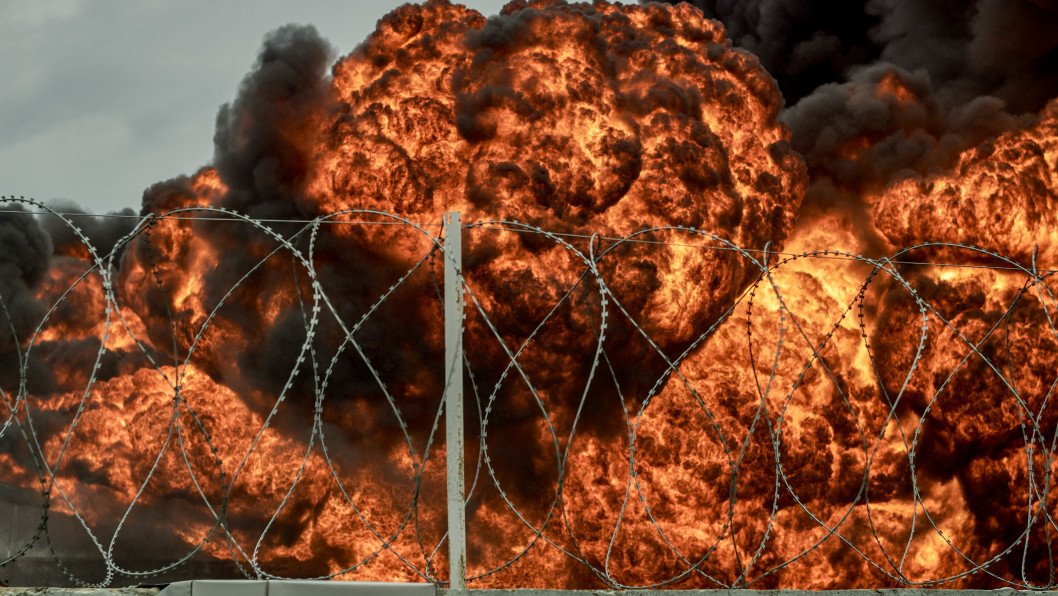
Its production lines and logistics systems are spread out and reinforced with berms to prevent chain detonations. That makes the facility difficult to disable entirely, but repeated attacks could gradually erode its capacity to supply the Russian military.
Earlier, Major General Andrii Hnatov, chief of the Ukrainian General Staff, said that Kyiv has both the means and the weapons to carry out responses if Moscow continues to target Ukrainian infrastructure.
Discuss this article:



-72b63a4e0c8c475ad81fe3eed3f63729.jpeg "Photo of Cyril Barabaltchouk")



-2232920be2c2768100ea7818ba05831c.jpg "A large plume of smoke rises near the Gazprom Neftekhim Salavat oil refinery in Russia’s Bashkortostan following a reported attack on October 8, 2026. (Source: Exilenova+)")