- Category
- Latest news
Drone Strike Sets Major Transneft Oil Pumping Station Ablaze in Russia’s Tatarstan
 Prefer U24 Media on Google
- Authors

-c439b7bd9030ecf9d5a4287dc361ba31.jpg "Photo of Katherina Popilnichenko")
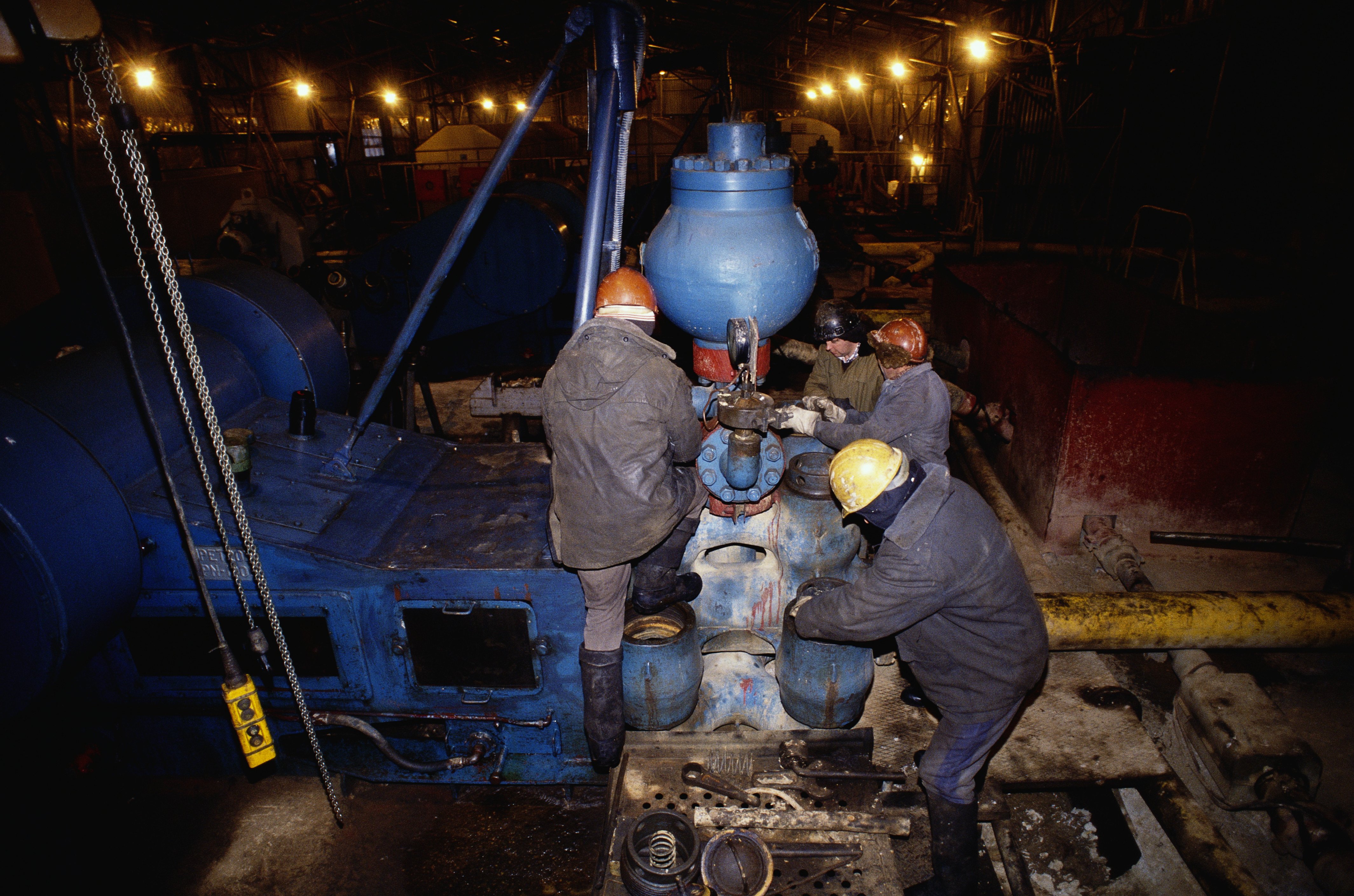
The Kaleykino oil pumping station owned by Transneft caught fire following an overnight attack on Almetyevsk in Russia’s Tatarstan region. In the early hours of February 23, local residents reported multiple explosions in the city, followed by a large fire, according to ASTRA on the same day.
We bring you stories from the ground. Your support keeps our team in the field.
Almetyevsk authorities stated, “Work to eliminate the consequences is currently ongoing. All necessary forces and means of emergency services are involved at the site. We emphasize: there is no threat to the population. The situation is under control.”
Drones attacked the Kaleykino oil station in Tatarstan during a large-scale raid. Residents of Almetyevsk reported a series of 5 to 7 powerful explosions accompanied by bright flashes in the sky.
Shortly after, a severe fire began in one of the city’s districts, and columns of thick smoke rose over the horizon. Authorities urged residents not to approach windows and to stay in shelters. Airports in Kazan and Nizhnekamsk temporarily stopped operations.
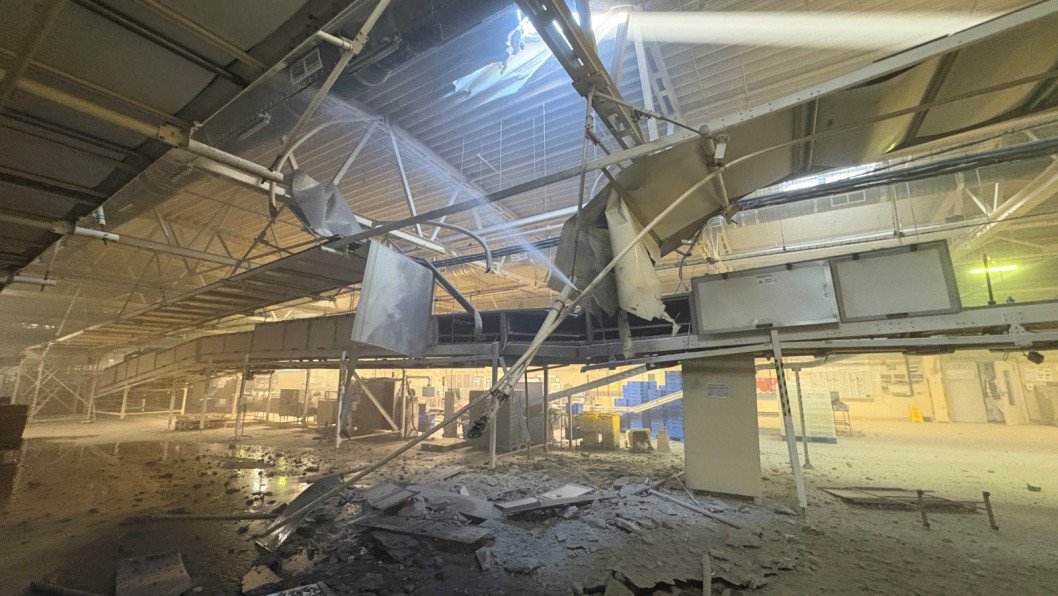
The Kaleykino oil pumping station is the largest transport hub of Transneft-Prikamye. It is the main station where oil flows from Western Siberia, Tatarstan, Udmurtia, and Bashkiria are received and mixed. Witnesses recorded a fire on the territory of the facility, which plays a strategic role in the Russian energy system, according to ASTRA.
The facility plays a critical role in the regional economy, as oil flows through Kaleykino into major trunk pipelines, including the Druzhba export route and lines supplying the Nizhnekamsk oil refineries.
Dozens of large storage tanks for raw materials are located on the station’s territory, making it a critical link in the energy export chain during Russia’s full-scale invasion of Ukraine.

On the night of February 22, a series of about ten powerful explosions was also heard over the cities of Saratov and Engels. According to residents, loud sounds began around two in the morning.
The greatest activity was recorded in the southern part of the region, where car alarms were triggered by shockwaves. Witnesses also reported bright flashes in the sky over the Volga River.
Additionally, on the night of February 12, a military facility in the village of Kotluban in the Volgograd region was hit. Local residents reported a series of powerful explosions in the area where an arsenal of the Main Missile and Artillery Directorate of the Russian Ministry of Defense is located.
Regional Governor Andrey Bocharov confirmed the attack and the occurrence of a fire on the territory of the defense ministry facility due to “falling debris.”
During the same night of February 12, explosions were heard in the city of Michurinsk in the Tambov region, after which a fire broke out on the territory of the Progress plant. This strategic defense enterprise has become a target of attacks twice.
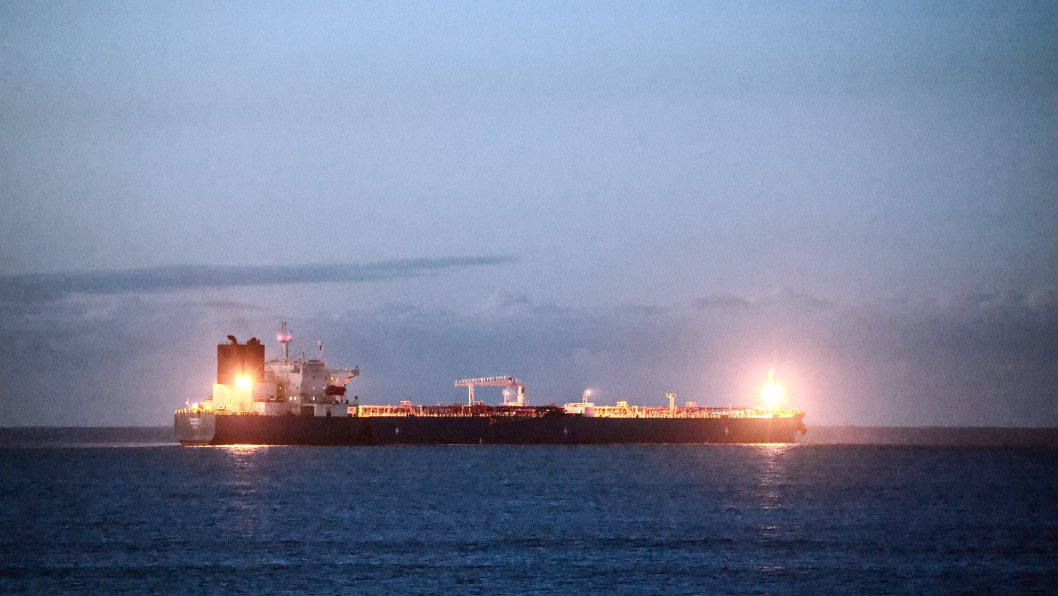
Earlier, report findings revealed that Russia had reached three oil export records through its Baltic ports in January 2026. Despite international sanctions pressure, Moscow managed to increase its seaborne crude exports to 12.7 million tons in a single month, surpassing previous highs.
The data showed that nearly half of this volume was moved by tankers already under Western sanctions, while the total number of vessels involved in these shipments hit an all-time peak of 106.
Experts noted that while sanctions initially caused short-term panic, the industry quickly adapted throughout 2025 by utilizing a “shadow fleet” and electronic warfare to bypass maritime tracking systems during Russia’s full-scale invasion of Ukraine.
Discuss this article:
-4a56a6b482ec132402c16ef6fcabf9a2.png)