- Category
- Latest news
EU Introduces New Approach to Russia Sanctions—Here’s the Strategy Behind It
 Prefer U24 Media on Google
- Authors

-72b63a4e0c8c475ad81fe3eed3f63729.jpeg "Photo of Cyril Barabaltchouk")
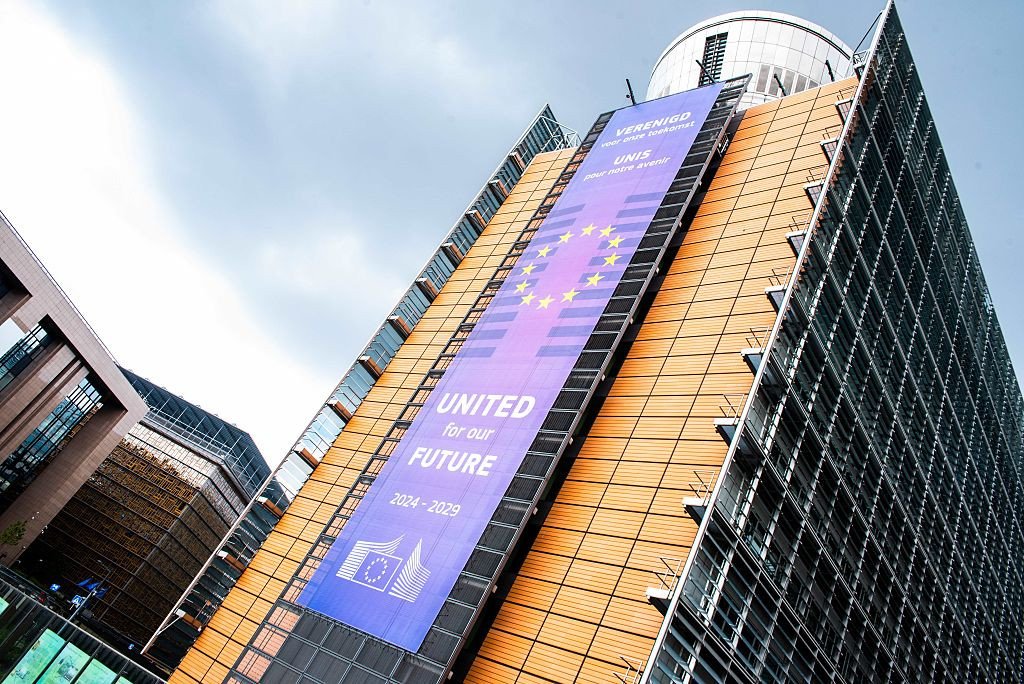
At an informal European summit in Copenhagen on October 1, European Commission President Ursula von der Leyen announced that the EU plans to implement tougher restrictions on Russia, targeting three key sectors: energy, financial services, and trade.
This new approach, part of the 19th sanctions package under discussion, marks a shift from previous incremental sanctions. Von der Leyen emphasized the urgency of increasing pressure on Russia and stressed the need for more robust measures in these critical areas to strengthen the EU’s response to the ongoing Russian invasion of Ukraine.
“We are no longer proposing phased sanctions, but much tougher measures on energy, financial services, and trade,” she said.
-ed051fb1853bcb98ed81f53fa31bd834.png)
On energy
The EU is taking further steps to curb Russia’s energy revenues by halting imports of Russian LNG into European markets. The crude oil price cap has been lowered to $47.6, and transaction bans have been placed on major companies like Rosneft and Gazpromneft. Over 560 vessels from Russia’s shadow fleet are now sanctioned. These measures, combined with a 90% reduction in Russia’s oil revenues in Europe over three years, aim to sever Russia’s economic ties to energy markets.
On finance
The EU is targeting Russian banks and institutions, including those in third countries, with new transaction bans. For the first time, crypto platforms are also facing restrictions to prevent Russia from evading sanctions. Additionally, the EU is cracking down on circumvention tactics by listing foreign banks linked to Russia’s alternative payment systems and limiting transactions with entities in special economic zones.
On technology
The EU is imposing new export restrictions on technology and items crucial to Russia’s military operations. Forty-five companies directly or indirectly supporting Russia’s military-industrial complex have been added to the sanctions list. These measures are designed to block access to key technologies, particularly for drone development, a vital tool for Russia’s war efforts.
Previously, Ursula von der Leyen said the European Union is on track to sever its dependence on Russian fossil fuels by 2027, reiterating a pledge first set under the REPowerEU plan.
Earlier, the European Commission had rolled out its 19th package of sanctions against Russia, targeting everything from Moscow’s shadow fleet to cryptocurrency platforms and major energy players, with von der Leyen disclosing its key points.
Discuss this article:
-9bd5e1532102621f8fb1c4ba871a3171.png)

-c439b7bd9030ecf9d5a4287dc361ba31.jpg "Photo of Katherina Popilnichenko")