- Category
- Latest news
EU Maintains Tariffs on Russian and Belarusian Fertilizers Despite Pressure
 Prefer U24 Media on Google
- Authors

-c439b7bd9030ecf9d5a4287dc361ba31.jpg "Photo of Katherina Popilnichenko")
The European Union does not intend to lift existing tariffs on fertilizers imported from Russia and Belarus.
Despite pressure from certain member states to reconsider the measures, the current policy remains firm, according to Suspilne News on March 27.
We bring you stories from the ground. Your support keeps our team in the field.
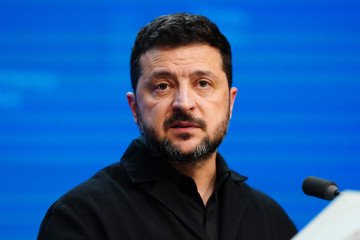
"We do not expect that we will go down this path. We continue our work, bearing in mind the sanctions that are already applied against Russia on this issue. We do not expect any changes," the EU top diplomat said.
The statement follows a formal request from Hungarian Agriculture Minister István Nagy.
In a letter addressed to European Commissioners, Nagy requested a temporary suspension of duties on Russian and Belarusian goods, specifically focusing on phosphorus and potassium fertilizers.
Nagy justified the request by pointing to rising global fertilizer prices and supply uncertainties linked to the war in Iran. The Hungarian government argued that these factors could threaten farmers across the EU and lead to higher food prices for consumers.
The minister noted that Hungary faces potential crop losses without access to cheaper imports. He explained that while Hungary produces nitrogen fertilizers domestically, the country relies entirely on foreign supplies for phosphorus and potassium.
New tariffs on Russian and Belarusian agricultural products and fertilizers officially took effect on July 1, 2025, following a decision by the Council of the European Union.
The European Commission originally proposed these trade measures on January 28, 2025. The policy was designed to weaken the Russian military economy and the economies of third countries involved in Russia’s full-scale invasion of Ukraine.
In the negotiations regarding the Black Sea, the Kremlin demanded the removal of restrictions on its Agricultural Bank and its return to the SWIFT system to simplify the financing of shipments.
Although agricultural exports were initially excluded from sanctions to prevent a global food crisis, Russia attempted to use this "carve-out" as a bargaining chip while claiming to be concerned about global food security.
Despite the ongoing war, Russian chemical giants like UralChem and EuroChem continued to export large quantities of fertilizer, even though they also supplied critical chemicals to the Russian state-owned defense conglomerate Rostec for the production of explosives.
Discuss this article:
-4a56a6b482ec132402c16ef6fcabf9a2.png)