- Category
- Latest news
EU Plans Joint Energy Purchases to Tackle Price Surge From Iran War
 Prefer U24 Media on Google
- Authors

-c439b7bd9030ecf9d5a4287dc361ba31.jpg "Photo of Katherina Popilnichenko")
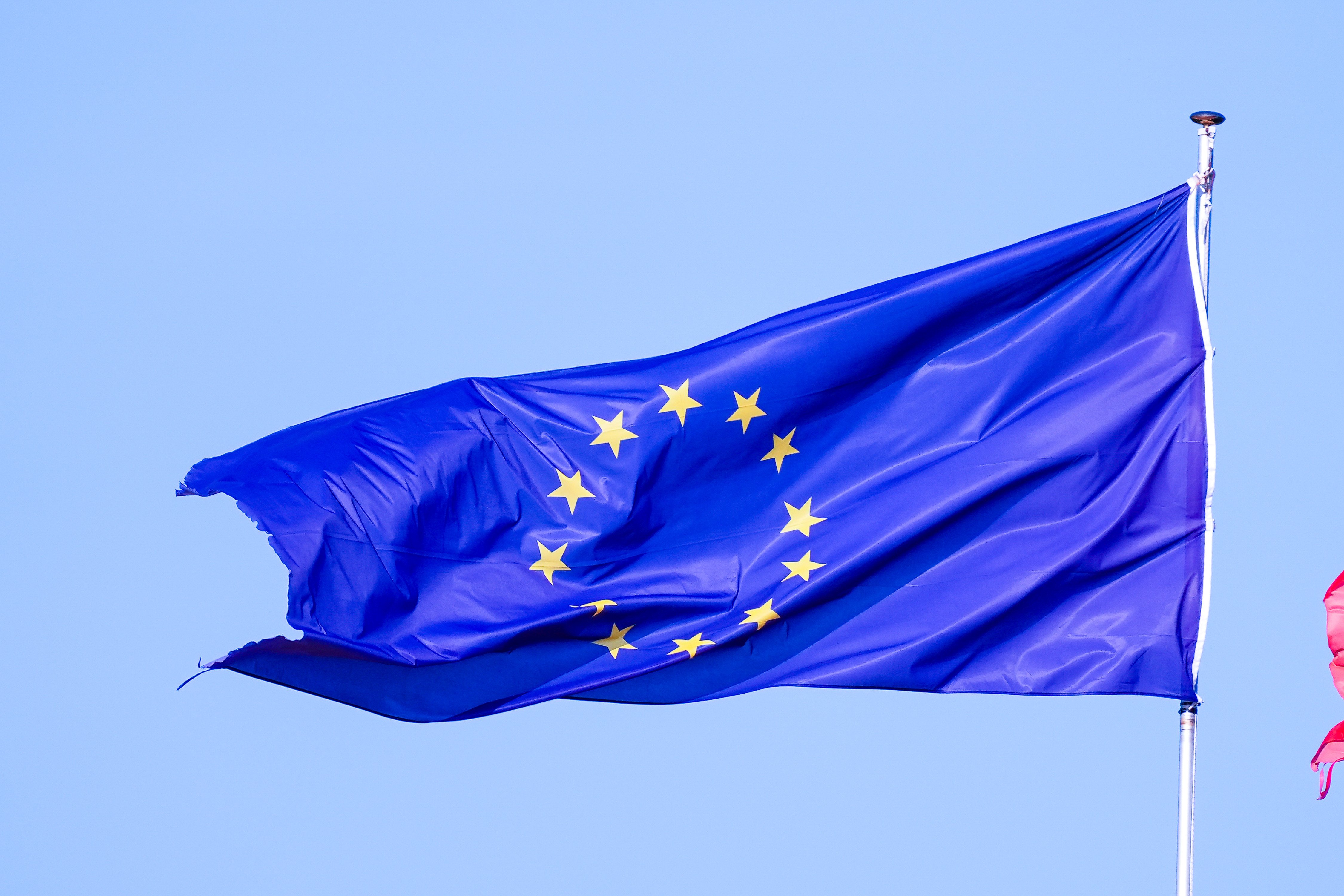
The European Commission is planning to reintroduce joint gas procurement for member states to address rising energy prices caused by the war in Iran.
This is one of several measures being considered by Brussels to protect the region from the effects of a potential energy crisis, according to Politico on April 21.
We bring you stories from the ground. Your support keeps our team in the field.
The proposal follows the EU’s initial use of demand aggregation in 2023 through the AggregateEU platform. This system allowed European buyers to combine their needs and match them with international suppliers, facilitating both bilateral and group purchase agreements.
The Commission now aims to expand these tools to improve coordination with oil and gas suppliers and partner nations with similar energy needs.
The updated platform would also increase coordination for oil purchases, specifically addressing concerns regarding jet fuel supplies.
On April 22, the European Commission is expected to release a broader package of measures aimed at mitigating high energy costs. This plan reportedly includes electricity tax cuts and the wider implementation of clean technologies.
Additionally, the European Union intends to advise member states against rapidly exiting nuclear power or closing plants prematurely during the current crisis. Officials in Brussels are also urging governments to avoid excessive state aid.
-034c3de8b859219566f81401780c88b4.jpg)
They warn that the economic pressure resulting from the war in Iran could lead to a financial crisis if not managed carefully.
While the Commission moves forward with these plans, the industry has expressed skepticism. Some business leaders continue to question whether coordinated fuel purchases are an effective solution to the market's current challenges.
Previously, the European Commission ruled out easing the EU’s ban on Russian gas despite renewed political pressure tied to rising energy costs. This pushback arrived after some European leaders called for a return to cheaper energy sources.
However, Brussels rejected that logic and stressed that the bloc’s phaseout of Russian energy had become a binding law rather than a temporary political commitment.
Discuss this article: