- Category
- Latest news
Europe Just Discovered Russia’s Quiet Land Grab Near Military Bases
 Prefer U24 Media on Google
- Authors


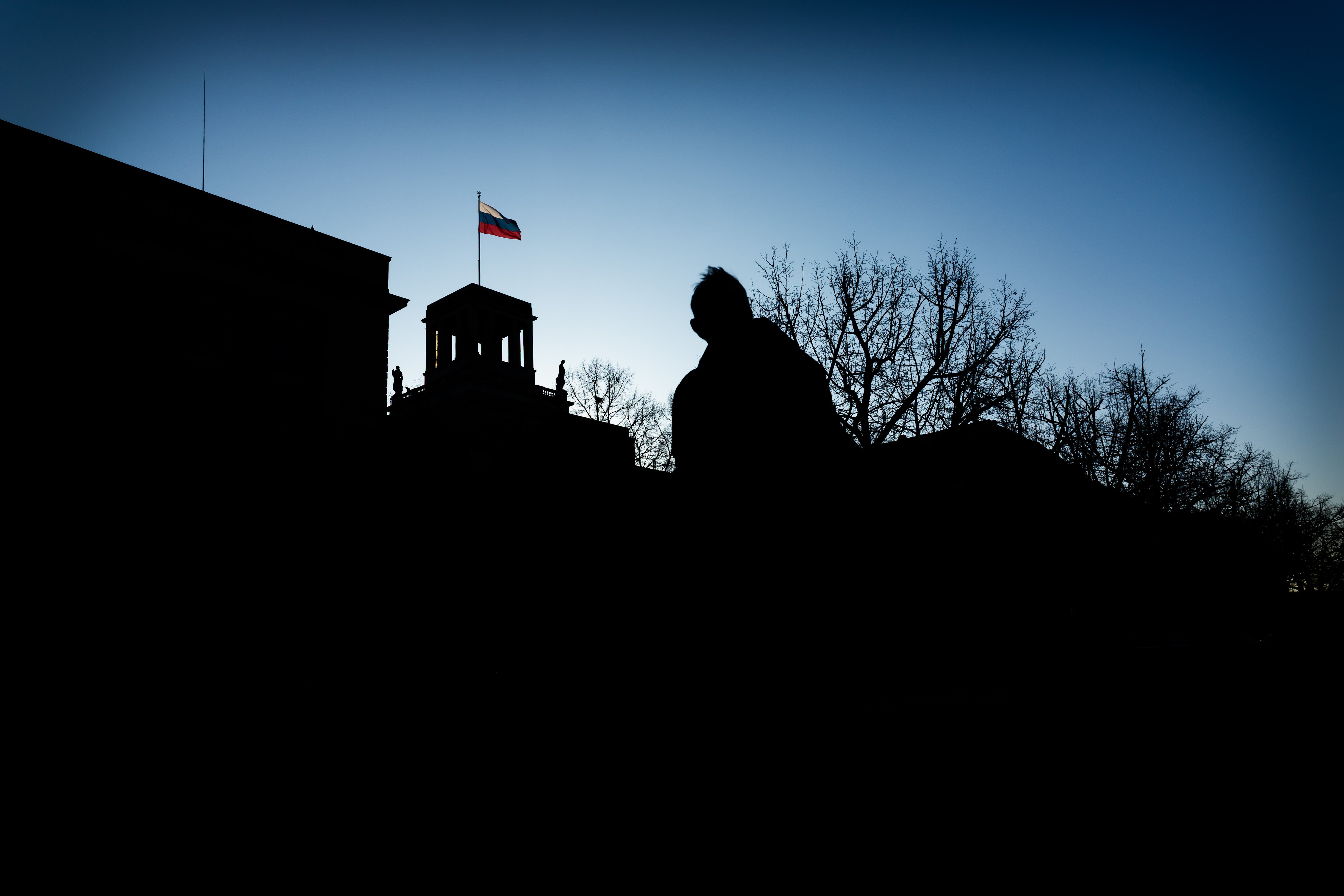
Russian operatives are increasingly purchasing residential and commercial real estate across Europe near military bases, ports, and critical infrastructure, raising concerns among Western intelligence agencies about potential espionage and sabotage networks, The Telegraph reported on February 23, citing security sources.
According to intelligence officials, the acquisitions may form part of a wider system of so-called “Trojan horse ” assets designed to support surveillance operations, covert logistics, and potential attacks during periods of heightened geopolitical tension.
We bring you stories from the ground. Your support keeps our team in the field.
The Telegraph investigators believe Russian-linked buyers have acquired holiday homes, warehouses, apartments, abandoned buildings, land plots, and even entire islands across at least a dozen European countries. Authorities suspect some properties could serve as observation posts, safe houses, or concealed storage locations for equipment.
Serving and former intelligence officers from three European agencies told The Telegraph they fear certain sites may already contain drones, explosives, weapons, or undercover operatives prepared for activation during a crisis.

Hybrid warfare below the threshold of open conflict
Security officials say the Kremlin may be attempting to operate below the threshold of conventional war in order to avoid triggering NATO’s Article 5 collective defense clause.
Rather than launching direct military attacks, Russia could attempt deniable disruptions targeting transport systems, energy networks, and communications infrastructure across allied countries.
“A sabotage campaign is less likely to produce consensus around Article 5 than a conventional Russian military operation,” one intelligence officer said. “Deniability – plausible or otherwise – makes attribution harder and, without certainty, it becomes much trickier to rally support.”
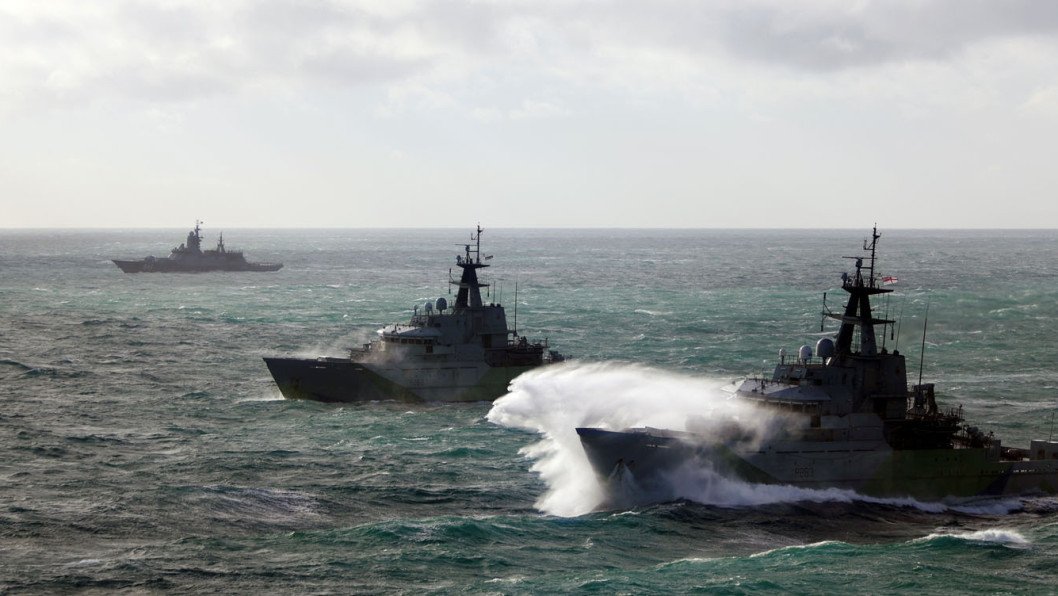
British foreign intelligence chief Blaise Metreweli previously warned that Russia is “testing us in the grey zone with tactics that are just below the threshold of war,” describing an operational space between peace and open conflict.
Accoriding to The Telegraph, western officials note that sabotage incidents linked to Moscow—including arson attacks, infrastructure disruptions, and alleged assassination plots—have increased sharply since Russia launched its full-scale invasion of Ukraine in 2022. Some analysts believe these incidents may represent rehearsals for larger coordinated operations.
Finland’s warning case
European concerns intensified after Finnish authorities uncovered suspicious activity connected to the company Airiston Helmi, which had quietly purchased 17 properties near strategic maritime routes and telecommunications infrastructure.
During a major 2018 raid, investigators discovered extensive facilities on one island, including multiple docks, surveillance systems, a helipad, communications equipment, and buildings resembling military barracks.
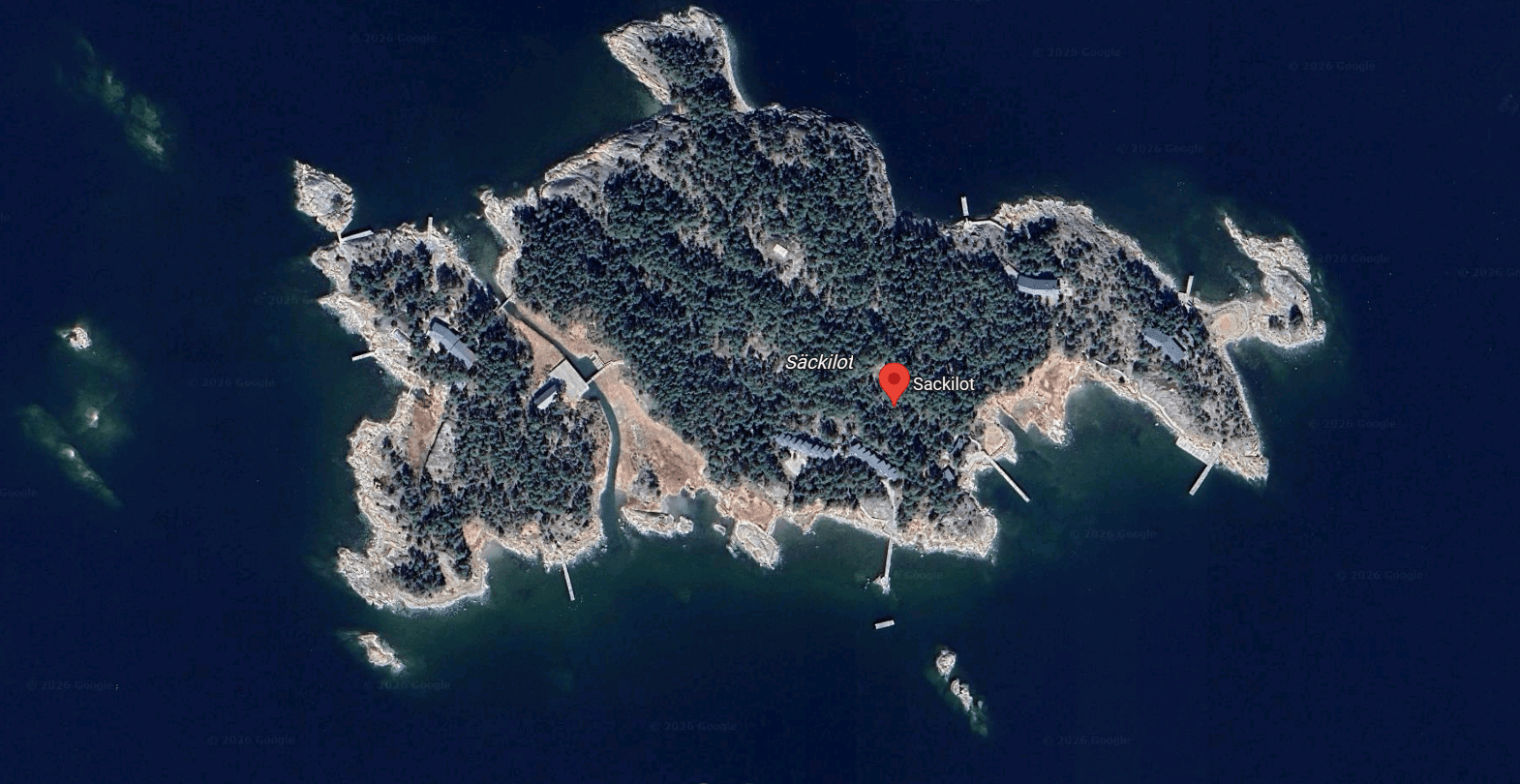
Although the company’s Russian owner was ultimately convicted of fraud rather than espionage, Finnish officials viewed the case as a potential model for hybrid operations.
Following the investigation, Finland effectively barred Russian and Belarusian citizens from purchasing real estate, a move later echoed by several Baltic states.
Legal gaps across Europe
Despite growing concern, intelligence officials warn that legislative loopholes still allow Russian investors to acquire strategically located properties in many European countries, including the United Kingdom.
Security experts fear vulnerable locations could include areas near submarine bases, undersea cable landing points, and major military installations.
Officials in Norway and Sweden have also raised alarms over properties linked to Russian entities near sensitive Arctic bases and airfields. In some cases, buildings owned by organizations tied to Moscow have reportedly been assessed as potential surveillance platforms.
Charlie Edwards, a senior fellow at the International Institute for Strategic Studies, said property acquisitions have evolved into a recognized component of modern hybrid warfare.
“What once looked like suspicious commercial activity has evolved into a recognised vector for hybrid warfare, surveillance and potential sabotage,” he said.
Intelligence agencies believe Russia has shifted away from large, easily detectable projects toward acquiring many smaller, ordinary properties across Europe—creating a dispersed network that is significantly harder to monitor, The Telegraph noted.
Earlier, reports emerged that Russian intelligence services may have used the wreck of the MS Estonia ferry in the Baltic Sea as a covert site for underwater surveillance operations targeting NATO naval activity.
Discuss this article:
-4a56a6b482ec132402c16ef6fcabf9a2.png)


-111f0e5095e02c02446ffed57bfb0ab1.jpeg "Photo of Roman Kohanets")
-f1e0a0eb8dc4159d1ee6f9483ef88571.jpg "Malambahe Sabtar Sabanal, a Philippine national identified by Ukrainian military intelligence as a Russian military recruit who was killed during assault operations in the Donetsk region. (Source: HUR)")

-72b63a4e0c8c475ad81fe3eed3f63729.jpeg "Photo of Cyril Barabaltchouk")