- Category
- Latest news
Europe’s New Spy Hub? Von der Leyen Pushes for Centralized EU Intelligence Agency
 Prefer U24 Media on Google
- Authors


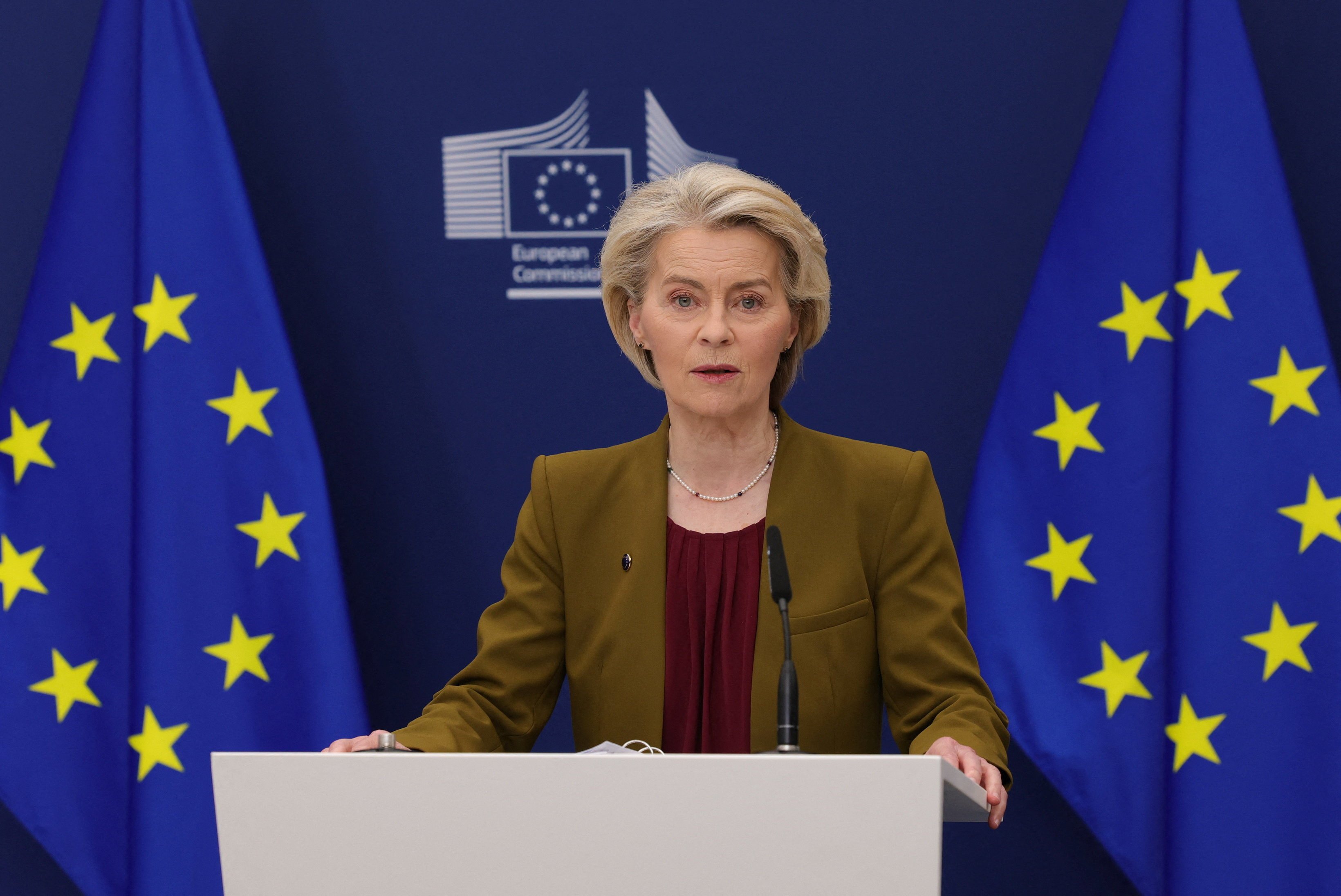
The European Commission, under the leadership of President Ursula von der Leyen, has commenced establishing a new intelligence coordination body aimed at significantly improving the strategic utilization of data collected by national spy agencies across the bloc, Financial Times reported on November 11.
The proposed unit is slated for formation within the Commission’s secretariat-general and intends to staff positions with officials seconded from across the EU’s diverse intelligence community. Its primary function will be to collate and synthesize intelligence for joint strategic purposes, according to four sources briefed on the confidential plans.
According to Financial Times, this bold move to upgrade the EU’s homegrown security capabilities is directly driven by geopolitical imperatives, particularly Russia’s full-scale invasion of Ukraine and recent warnings from US President Donald Trump regarding potential reductions in American security support for Europe. These external pressures have prompted the EU to initiate its largest rearmament effort since the Cold War era.
-61e3383fc39a961c714bb3b330eab5d9.png)
“EU member state spy services know a lot. The commission knows a lot. We need a better way to put all that together and be effective and useful to partners. In intelligence, you need to give something to get something,” a source close to the initiative commented.
The initiative has met with internal resistance from senior officials within the European External Action Service (EEAS), which currently oversees the bloc’s Intelligence and Situation Centre (Intcen). These critics fear the new body will create unnecessary duplication of roles and undermine Intcen’s future mandate.
A commission spokesperson in a comment to Financial Times said that the body was “examining how to strengthen its security and intelligence capabilities. As part of this approach, the creation of a dedicated cell within the [secretariat-general] is being considered.”
They added clarity regarding the proposal's status: “The concept is being developed and discussions are ongoing. No specific timeline has been set,” and confirmed that the cell “would build on existing expertise within the commission and . . . closely co-operate with respective services of EEAS [European External Action Service].”
Intelligence sharing has historically proven to be a sensitive issue among EU members, with major states possessing extensive capabilities, like France, exercising caution over releasing sensitive material. This complication is compounded by political dynamics, including the emergence of pro-Russian governments in certain member states, such as Hungary.
It is anticipated that EU capitals may oppose the Commission’s push for new intelligence powers in Brussels. However, multiple sources indicate that there have been longstanding concerns regarding Intcen’s overall effectiveness, particularly as Europe grapples with Russia's hybrid warfare strategy.
One source sought to temper expectations regarding the unit's operational scope, asserting: “The commission is not going to start sending agents into the field.”
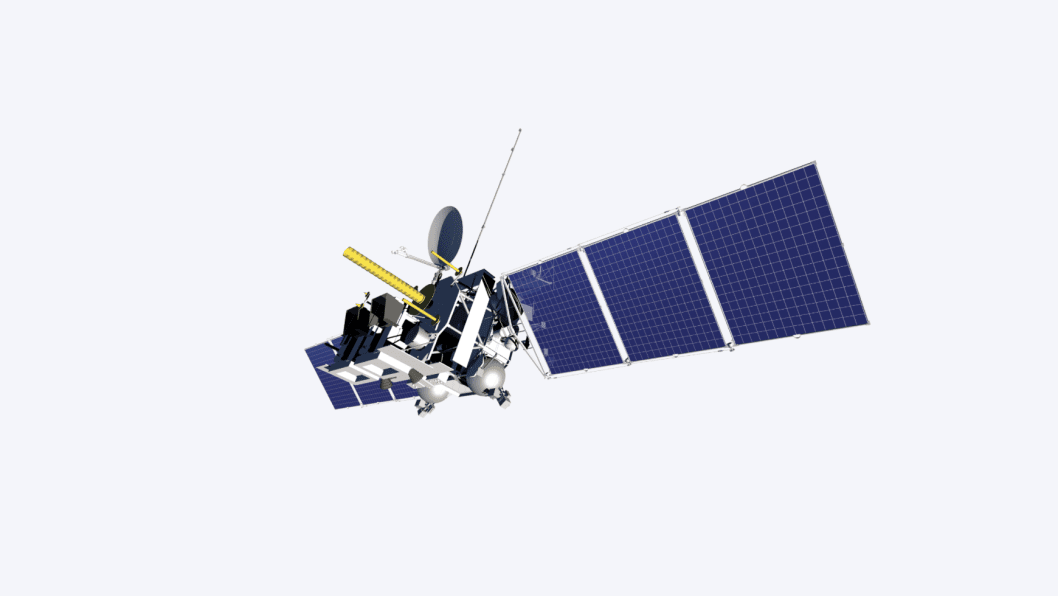
According to Financial Times, this new unit follows President von der Leyen's prior actions to boost security focus, including establishing a dedicated “security college” for Commissioners, funding weapons procurement for Ukraine, and launching the Iris² satellite project.
Earlier, it was reported that the United States government endorses the European Union's initiative to utilize frozen Russian sovereign assets for the purpose of financially supporting Ukraine and intensifying economic pressure against the government in Moscow.
Discuss this article:


-c439b7bd9030ecf9d5a4287dc361ba31.jpg "Photo of Katherina Popilnichenko")