- Category
- Latest news
Finnish Police Investigating Fake Drone Safety Manuals in Suspected Russian Disinformation Campaign
 Prefer U24 Media on Google
- Authors

-c439b7bd9030ecf9d5a4287dc361ba31.jpg "Photo of Katherina Popilnichenko")
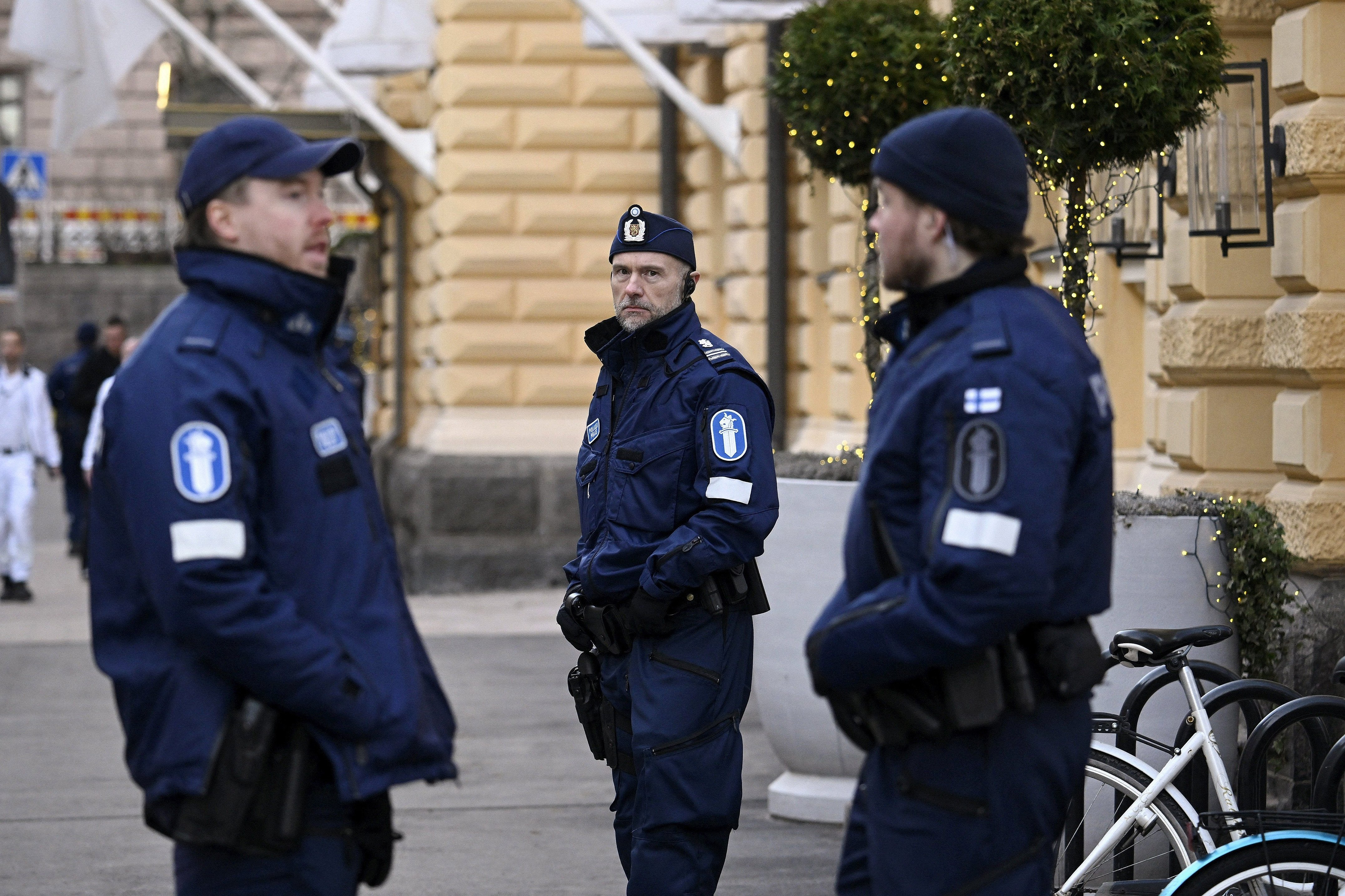
Finnish authorities have launched an investigation into the distribution of fraudulent safety instructions regarding drone attacks.
The fake manuals appeared following the crash of three unmanned aerial vehicles within Finland’s borders, according to Yle on April 14.
We bring you stories from the ground. Your support keeps our team in the field.
The documents falsely claimed to offer guidance on how to seek protection indoors and outdoors during an attack, as well as what steps to take in the aftermath.
The creators of the counterfeit materials used the official name and logo of the Finnish Rescue Service to make the instructions appear legitimate.
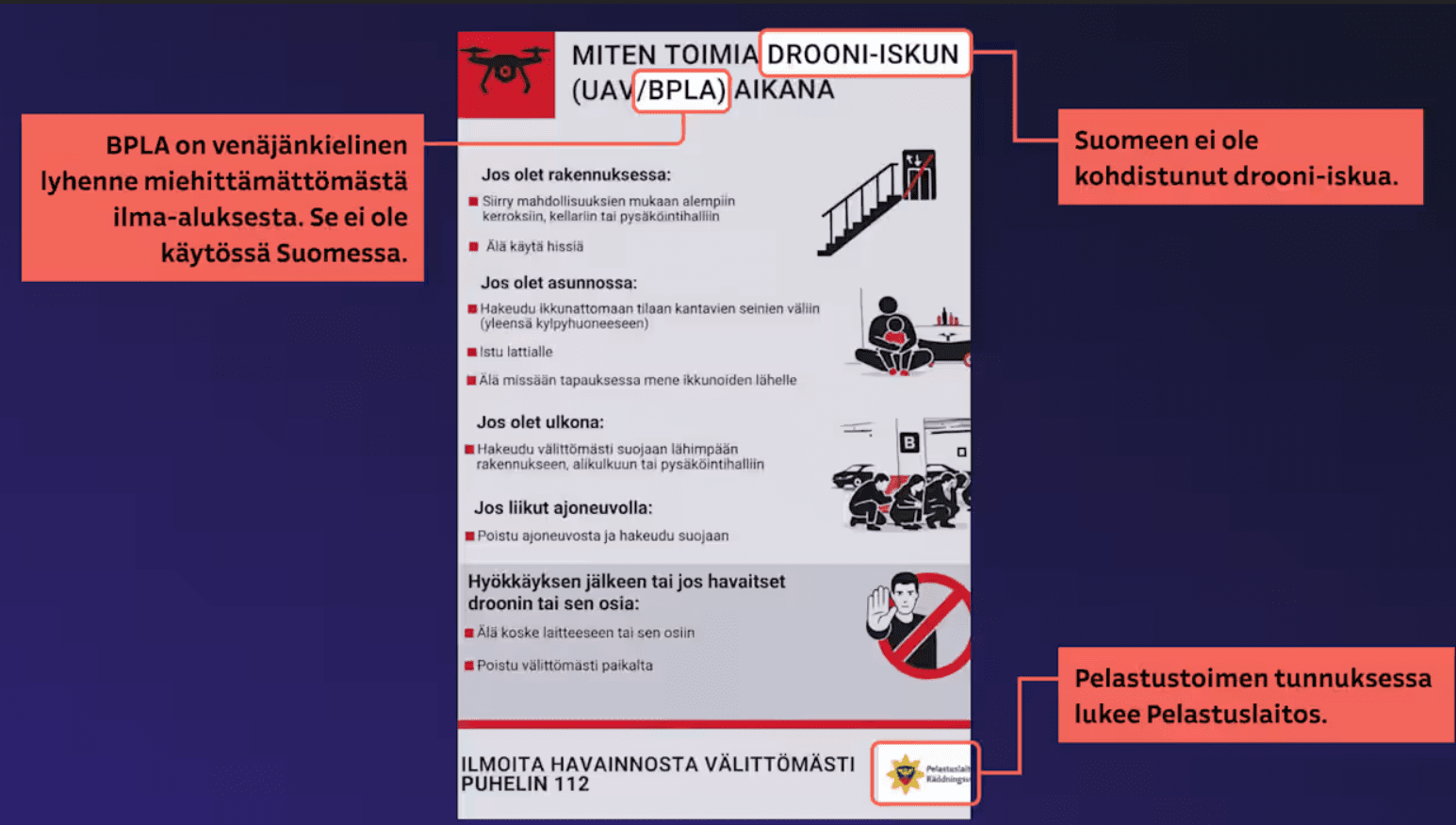
While some social media reports suggested that these documents were being placed in physical mailboxes across southeastern Finland, investigators have not yet found physical evidence to confirm these claims.
The Finnish police are currently working to identify the source of the campaign and have not named any specific suspects at this stage.
An investigation by the media outlet Yle traced the initial spread of the fake manuals to the Russian social media platform VKontakte . The instructions only appeared on Finnish-language pages in other networks after being circulated in Russian channels.
In those Russian posts, the narrative claimed that “Ukrainian drones threaten Finland.”
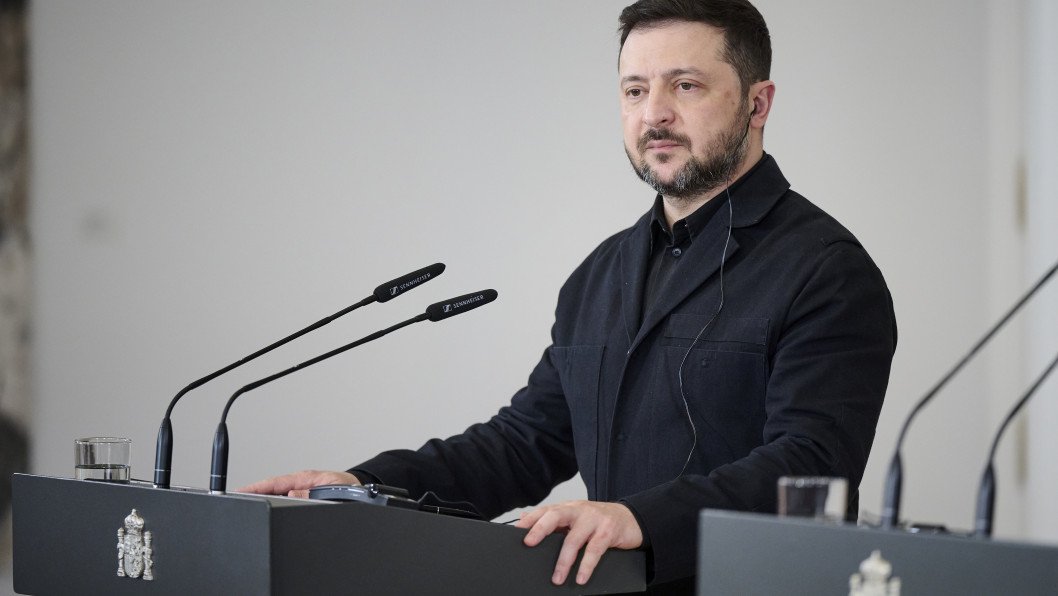
Jukka Savolainen, a director at the European Centre of Excellence for Countering Hybrid Threats, stated that it is highly probable the instructions originated in Russia.
He noted that the incident matches the patterns seen in Russian disinformation campaigns. These campaigns often follow specific events to maximize impact.
The appearance of these fake instructions followed an incident on March 29, when three unidentified drones violated Finnish airspace and crashed on its territory. Two of the drones landed near Kouvola, a town located approximately 50 kilometers from the Russian border.
Russia increased the scale of its disinformation operations with artificial intelligence, according to a report from the Center for Countering Disinformation released on March 20.
The agency, citing the European External Action Service’s threat assessment, noted that 540 cases of foreign information manipulation were recorded in 2025. These operations involved roughly 10,500 social media channels and websites, with Ukraine remaining the primary target of campaigns designed to weaken international support.
The findings also highlighted a sharp technological shift, as 27% of the analyzed incidents utilized AI-generated text, synthetic audio, or manipulated video to produce content more rapidly.
Discuss this article:
-9bd5e1532102621f8fb1c4ba871a3171.png)


-111f0e5095e02c02446ffed57bfb0ab1.jpeg "Photo of Roman Kohanets")