- Category
- Latest news
Investigation Finds Russian Military Institute Conducting Artillery Tests on Humans
 Prefer U24 Media on Google
- Authors

-c439b7bd9030ecf9d5a4287dc361ba31.jpg "Photo of Katherina Popilnichenko")
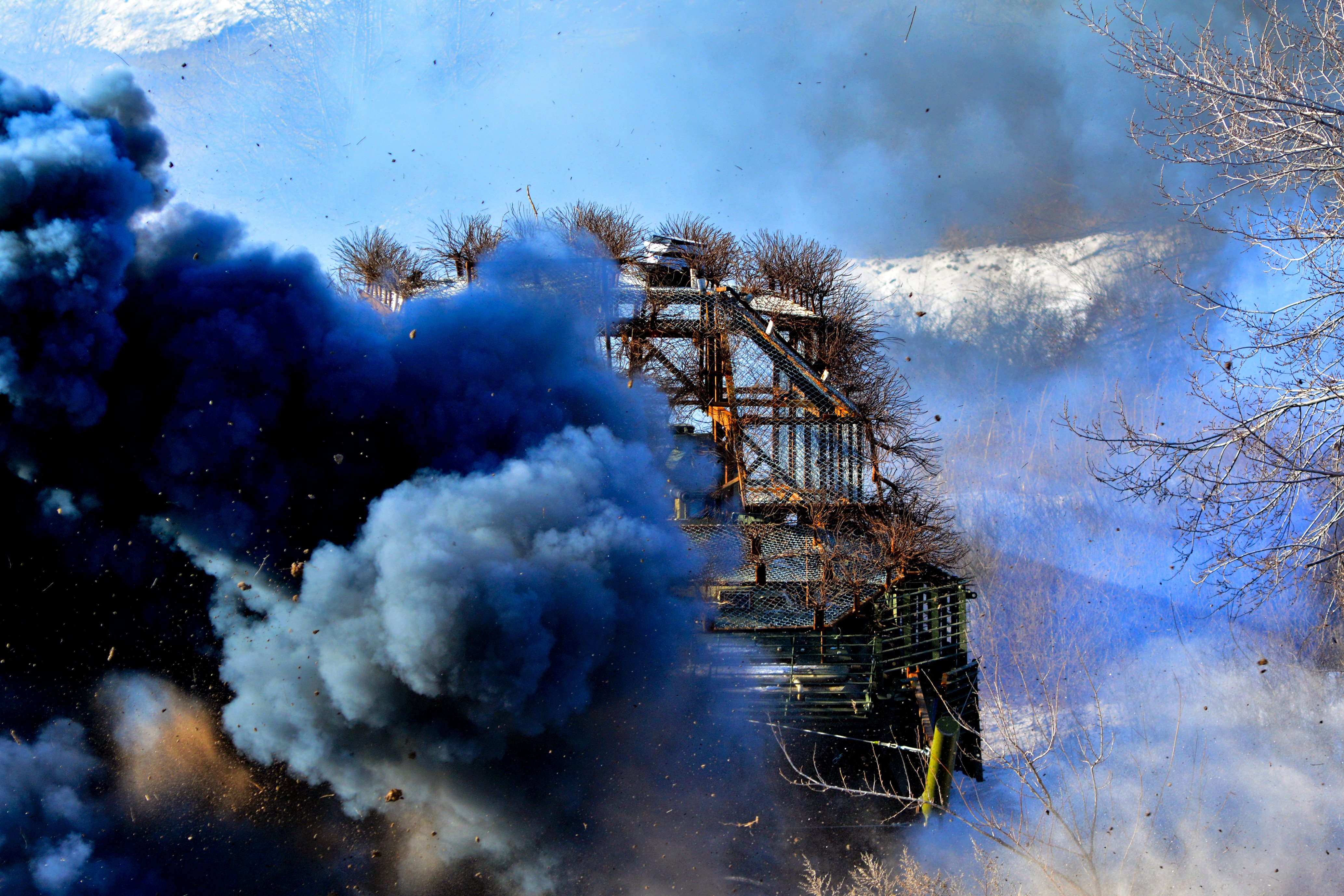
An investigation by the outlet Proekt reports on April 13 that the State Research Institute of Military Medicine of the Russian Ministry of Defense (GNIII VM MO) has been conducting tests of artillery munitions on human subjects.
These studies utilize military volunteers to determine the specific shell characteristics needed "for the destruction or incapacitation of enemy manpower."
We bring you stories from the ground. Your support keeps our team in the field.
Reports from the Military Journal and statements by the institute's director, Sergei Chepur, indicate that since 2015, this facility has become the only Ministry of Defense institution authorized to conduct research involving human participants.
The investigation describes a specialized testing ground featuring experimental sites that simulate fortifications and military equipment. During these trials, researchers monitored the cardiovascular and nervous systems of the volunteers.
They also took biological samples to evaluate how functional body impairments correlate with the distance from shots fired by 122 mm and 300 mm caliber cannons.
To support these operations, a scientific clinical center was established at the institute in 2018. The facility includes 100 beds and departments for intensive care, therapy, and surgery. In its first year, the center reportedly recorded over 300 observations of personnel participating in the testing of weapons, medications, and vaccines.

In addition to munitions, the institute evaluates performance-enhancing drugs, protective gear against extreme environments, and new military equipment. The report also identifies the institute as a primary participant in Russia's chemical weapons program.
Furthermore, Proekt states that Chepur provided consultations to GRU officers linked to the 2018 poisoning attempt of former intelligence officer Sergei Skripal and his daughter in the United Kingdom.
The 2018 attack, which utilized the military-grade nerve agent Novichok, sparked a global diplomatic crisis and remains one of the most prominent examples of Russian clandestine operations on foreign soil.
The findings suggest that the facility’s research extends beyond conventional medicine, serving as a critical support hub for Russia's most sensitive and high-profile intelligence operations abroad.
Separate reporting has also highlighted broader allegations of systemic abuse within Russia’s military. According to a report released on March 22, 2026, graphic footage appeared to show Russian commanders torturing their own troops and forcing wounded soldiers back into combat.
The evidence described scenes where servicemen were beaten, electrocuted, and tied naked to trees in freezing temperatures after they had refused orders. In some of the most severe cases, soldiers were reportedly chained by the neck or forced to survive on muddy water due to a total lack of supplies.
Experts noted that these actions reflected deeper systemic issues within the Russian armed forces, where violence and coercion were used to sustain manpower during Russia’s full-scale invasion of Ukraine.
Discuss this article:




-72b63a4e0c8c475ad81fe3eed3f63729.jpeg "Photo of Cyril Barabaltchouk")
-111f0e5095e02c02446ffed57bfb0ab1.jpeg "Photo of Roman Kohanets")