- Category
- Latest news
For the First Time, Ukrainian Unmanned Systems Capture Russian Position Without Infantry or Losses
 Prefer U24 Media on Google
- Authors

-c439b7bd9030ecf9d5a4287dc361ba31.jpg "Photo of Katherina Popilnichenko")
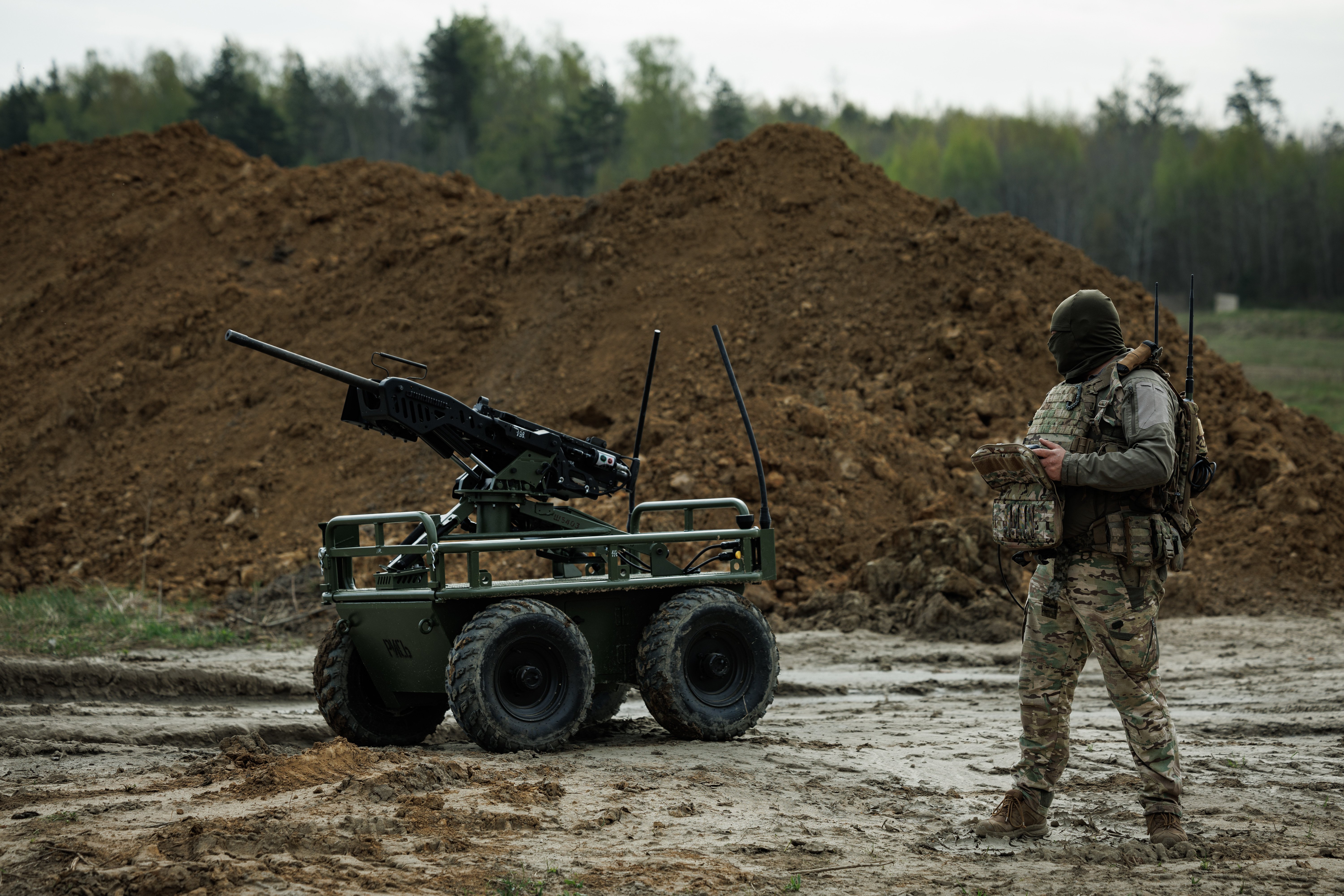
Ukrainian forces have successfully taken control of a Russian position using only drones and ground-based robotic systems.
President Volodymyr Zelenskyy shared details of the mission through the Office of the President on April 13. He emphasized that this development represents a significant shift in how modern warfare is conducted.
We bring you stories from the ground. Your support keeps our team in the field.
"For the first time in the history of this war, an enemy position was taken exclusively by unmanned platforms—UGVs and drones. The occupiers surrendered, and this operation was carried out without the participation of infantry and without losses on our side," Zelenskyy said.
The President noted that various robotic systems including the Ratel, Termit, Ardal, Lynx, Snake, Protector, and Volya have completed more than 22,000 missions over the last three months. He explained that the primary goal of integrating this technology is to minimize the risk to human personnel in high-danger zones.
"In other words, lives were saved more than 22,000 times—a robot went into the most dangerous areas instead of a soldier. This is about high technologies in defense of the highest value—human life," the President noted.
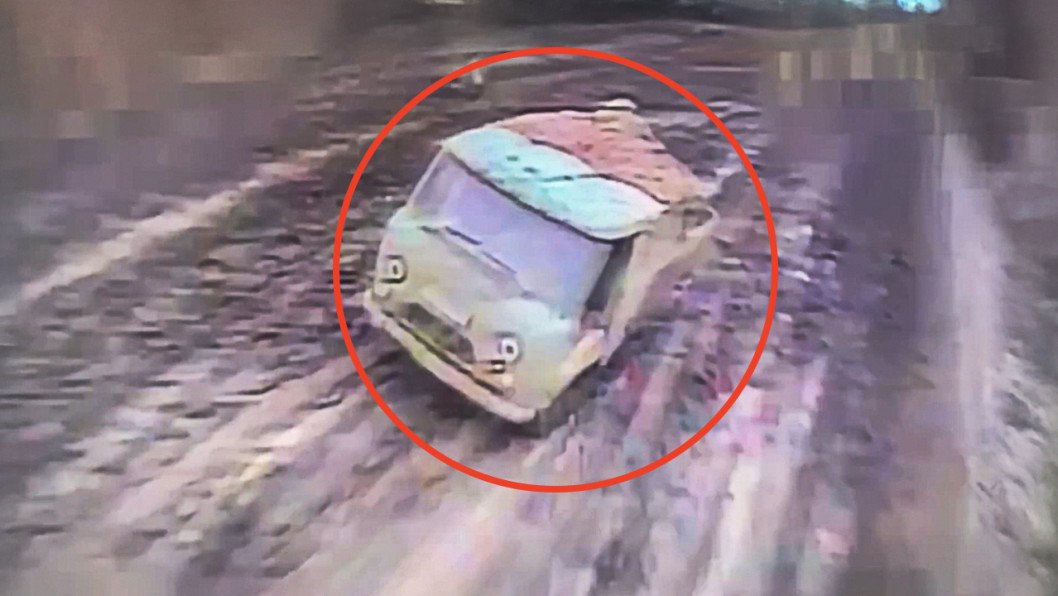
This milestone follows other recent examples of unmanned technology assisting in complex battlefield scenarios.
Commander-in-Chief Oleksandr Syrskyi also recently reported a significant increase in the use of these technologies. According to Syrskyi, robotic complexes performed 50% more tasks in March compared to the previous month.
By March 2026, the Ukrainian Armed Forces had significantly expanded their use of ground-based robotic systems, completing over 9,000 missions in that month alone.
This surge represented a substantial increase from previous periods, as the military prioritized deploying unmanned platforms to high-threat environments to reduce risks to personnel.
The robots were primarily utilized for critical logistical support, such as delivering ammunition and evacuating wounded soldiers, with the number of units employing this technology growing from 67 in late 2025 to 167 by the spring of 2026.
Discuss this article: