- Category
- World
Sweden Sends First Military Satellite Into Orbit to Monitor Russia and Baltics
 Prefer U24 Media on Google
- Authors


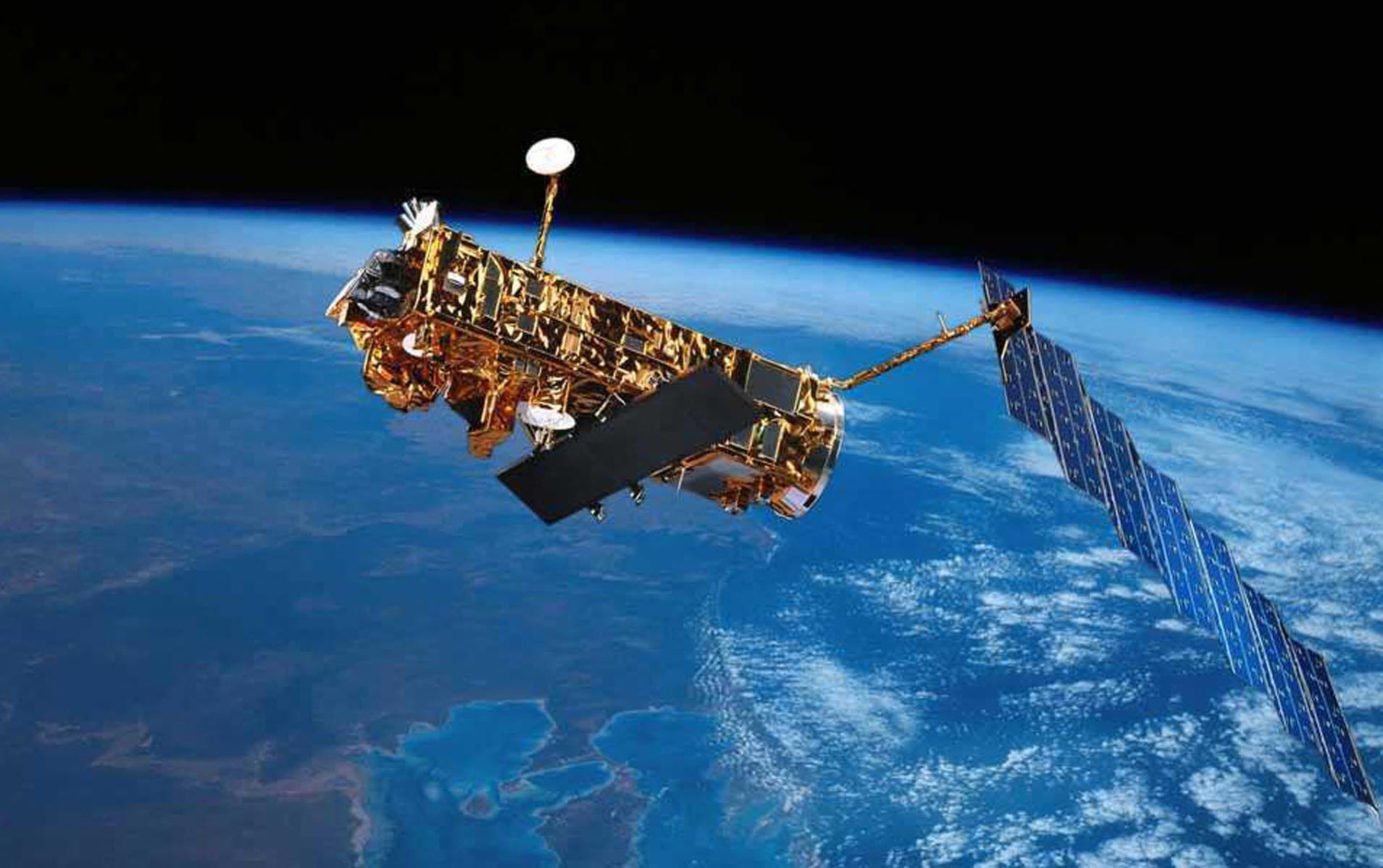
Sweden has successfully placed its first sovereign military satellite into orbit to monitor Russian territory. The spacecraft is the first in a series of projects designed to provide independent reconnaissance as regional security dynamics shift.
According to SVT on May 4, currently, Sweden relies on satellite imagery provided by commercial entities or international allies. Within the next two years, the country plans to have approximately ten of its own military satellites in orbit.
We bring you stories from the ground. Your support keeps our team in the field.
The launch took place on Sunday from Vandenberg Space Force Base in California and was carried out by the space company SpaceX, the outlet reported.
“We will have the opportunity to monitor and prioritize a reconnaissance sensor that is always operational and has the ability to scout at great distances. This is a significant increase in capabilities,” Anders Sundeman, head of the Space Division, stated.
Regarding the rapid expansion of the satellite constellation, Sundeman noted that it is “an extremely tight schedule, driven by a serious need.”

The drive for independent space intelligence is fueled by two primary factors. First, Sweden's accession to NATO has expanded the operational reach of the Swedish Armed Forces to the alliance's external borders. Second, the acquisition of new long-range weaponry necessitates high-precision targeting data.
“In simple terms, we then also need information about targets and reconnaissance information at greater distances,” Sundeman explained.
The satellite's mission involves both mapping potential military targets inside Russia and the early detection of threats, such as the movement of Russian troops.
“It takes the satellite an hour and a half to reach Earth's orbit. Roughly a dozen satellites are not enough to fully monitor events in Russia, the Baltic Sea region, and the Arctic,” SVT notes.
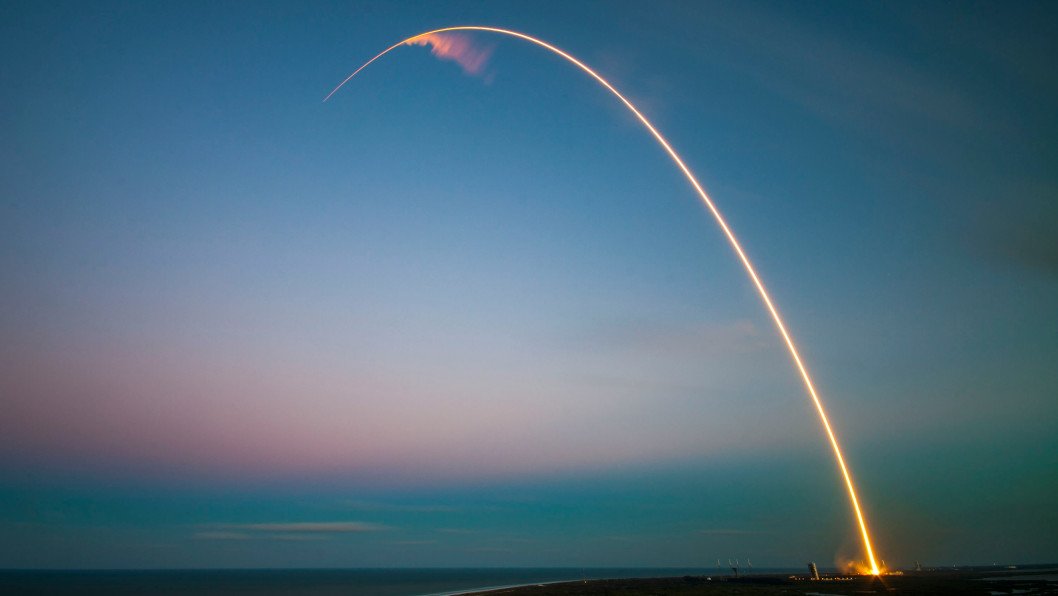
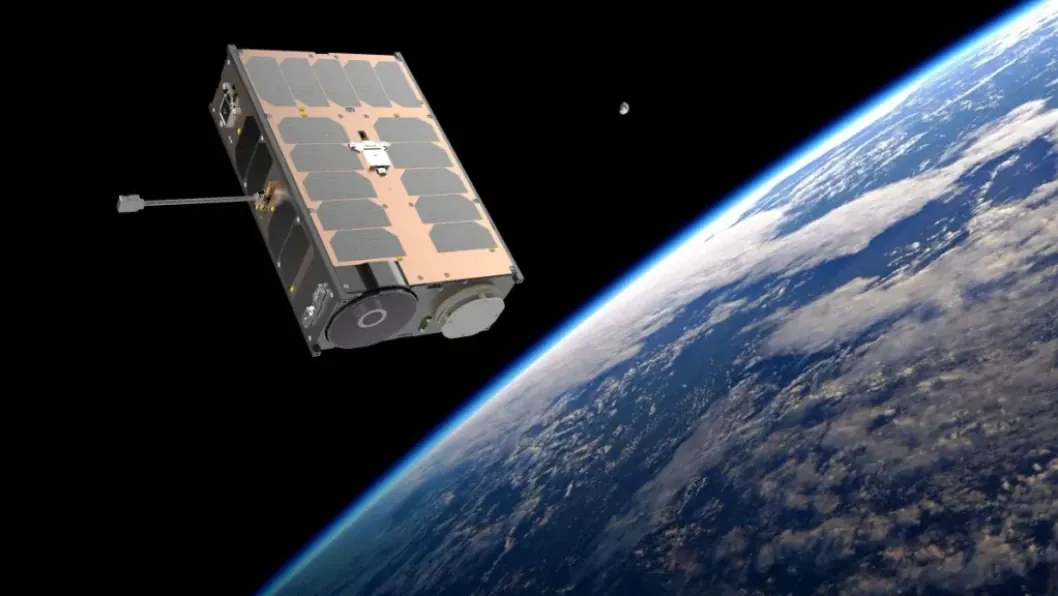
Roughly the size of a washing machine, the satellite reached space in about ten minutes, though it will take approximately one month to settle into its final correct orbit. For the first year of operation, the manufacturer, Planet Labs, will assist the Swedish Armed Forces in managing the craft. The satellite features maneuverability to avoid collisions with space debris or other objects.
In the long term, these assets will be managed from the Space Operations Center at the Air Force Headquarters in Uppsala, though this center can be relocated depending on the conflict situation.
While Sweden accelerates its orbital surveillance to secure its borders, the risks of a crowded and contested space environment have been highlighted by the recent destruction of a high-profile Russian asset. A Russian satellite, recognized by Western experts as a signals intelligence platform, has been completely destroyed after colliding with orbital debris, according to the Swiss space monitoring firm S2A Systems.
On January 30, the satellite—officially designated as Luch and registered under NORAD ID 40258—fragmented in a graveyard orbit, an area specifically set aside for retired satellites. S2A Systems observed the breakup and suggests it was likely triggered by an accidental strike from space junk, though it remains uncertain if the incident was truly a mishap or the result of a deliberate act.
Launched in September 2014, the Luch satellite was a frequent subject of scrutiny for military and commercial observers because of its unusual maneuvering. While the Luch-5 series typically handles commercial communications, this particular craft repeatedly repositioned itself along the geostationary belt to linger near foreign satellites.
The satellite's history is marked by international friction: in 2015, its maneuvers between two Intelsat communication satellites drew a formal protest from the United States. By 2018, French Armed Forces Minister Florence Parly went public with accusations that Russia was attempting to intercept secure signals after Luch closely approached the Athena-Fidus, a joint French-Italian military satellite.
In 2025, the Russian military satellite Kosmos-2553, which US officials suspect is linked to nuclear anti-satellite research, reportedly began to spiral out of control. As reported by Reuters, space-tracking companies like LeoLabs and Slingshot Aerospace noticed inconsistent movements and shifts in brightness, fueling anxieties regarding its connection to Moscow's possible efforts to develop space-based nuclear weapons.
Discuss this article:
-9a7b3a98ed5c506e0b77a6663f5727c5.png)


-c439b7bd9030ecf9d5a4287dc361ba31.jpg "Photo of Katherina Popilnichenko")