- Category
- World
Russia Expands Wagner-Era Playbook Into the Air, Using Algeria as Covert Weapons Hub
 Prefer U24 Media on Google
- Authors


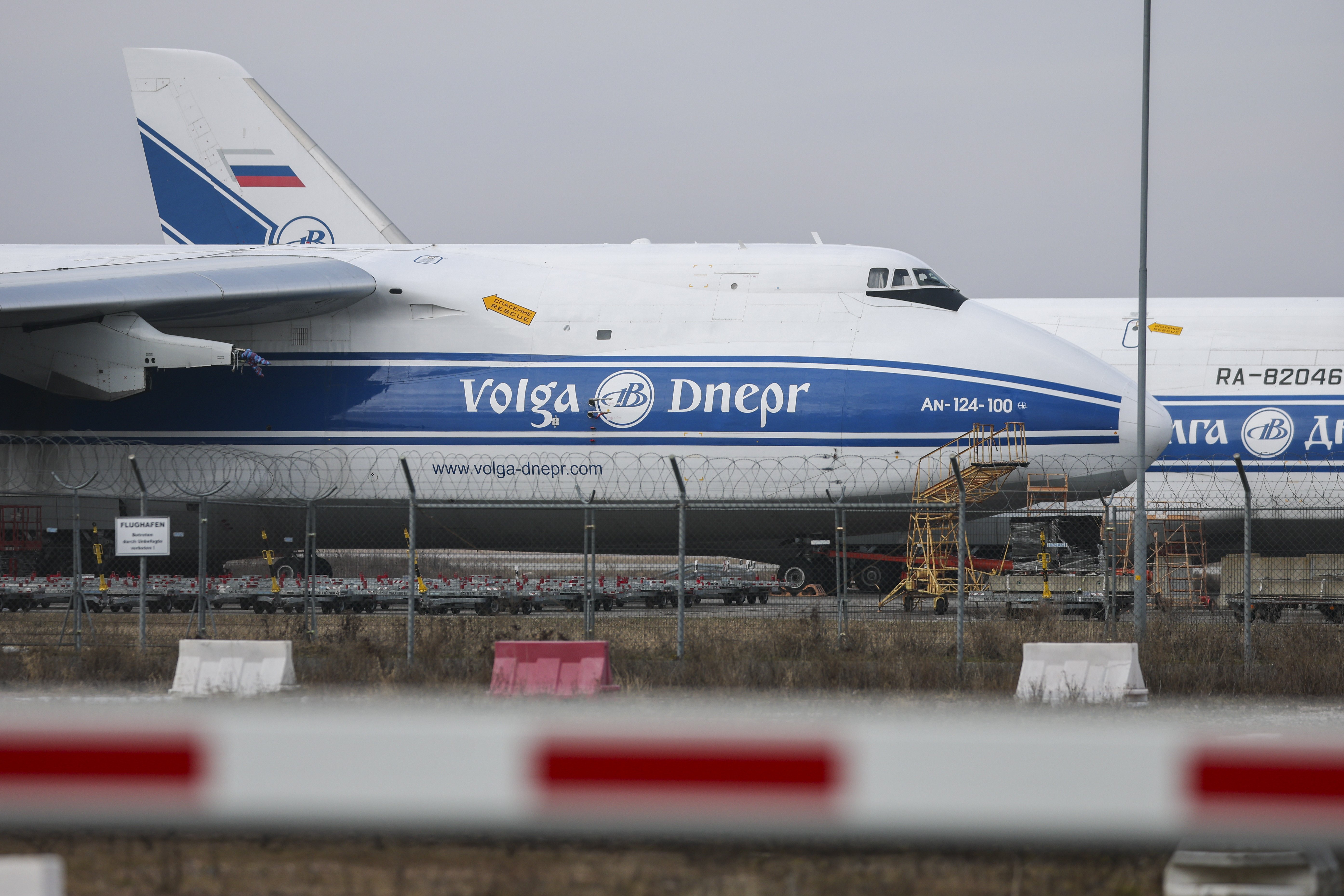
Russia has established Algeria as a key logistics hub for its covert air transport network, using civilian-registered cargo aircraft to move weapons, dual-use equipment, and support operations across Africa and beyond.
We bring you stories from the ground. Your support keeps our team in the field.
According to Defense News on April 30, at least 167 cargo flights linked Russia to Algeria between March 2025 and April 2026, highlighting the North African country’s growing role in Moscow’s global logistics chain.
The investigation describes a network of nominally civilian airlines operating aircraft that in practice support military supply routes and sanctions evasion.
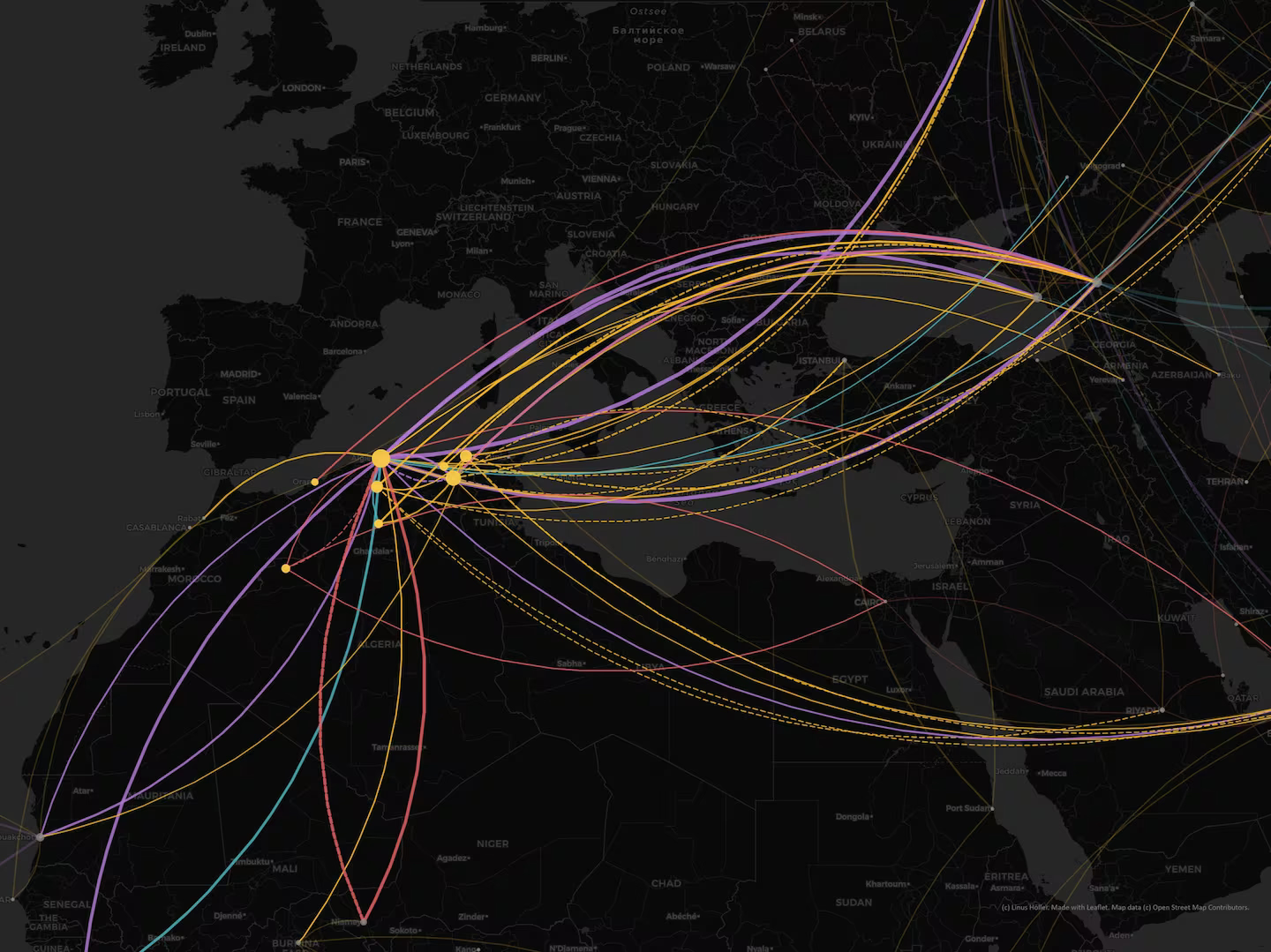
These same airlines also serve as a logistical backbone for Russia’s overseas paramilitary operations, including the so-called Africa Corps—the successor structure to the Wagner Group—mirroring earlier systems used to deploy personnel, weapons, and equipment across the continent.
The flights frequently connected Russian aircraft production sites—including facilities tied to the United Aircraft Corporation—with multiple Algerian air bases.
Defense News reports that some of these routes coincided with sightings of newly delivered Russian combat aircraft, including Su-57 and Su-34 jets, suggesting a link between the air traffic and ongoing arms transfers.
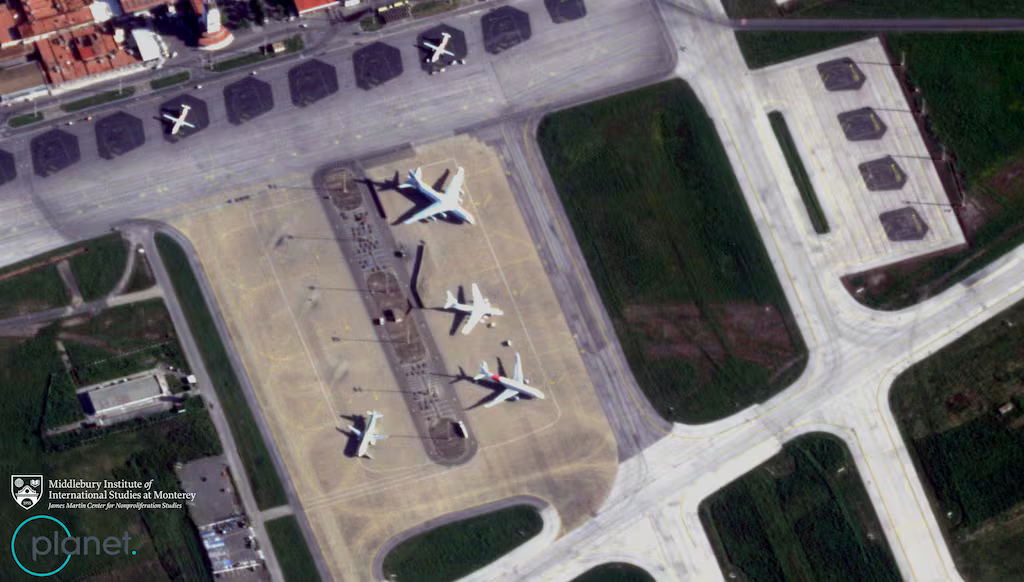
Key destinations in Algeria included air bases in Oum El Bouaghi, Ain Oussera, Annaba, Laghouat, and Béchar. Aircraft involved in these routes often used tracking evasion techniques, such as disabling transponders or misreporting flight paths, complicating monitoring efforts.
The investigation also points to Algeria’s role as a transit hub. Russian Il-76 cargo aircraft were documented flying onward routes into West Africa, including Guinea, while other flights extended to Latin America with multiple stopovers. In several cases, aircraft used Algeria as an intermediate point before continuing to destinations linked to Russian economic or military interests.
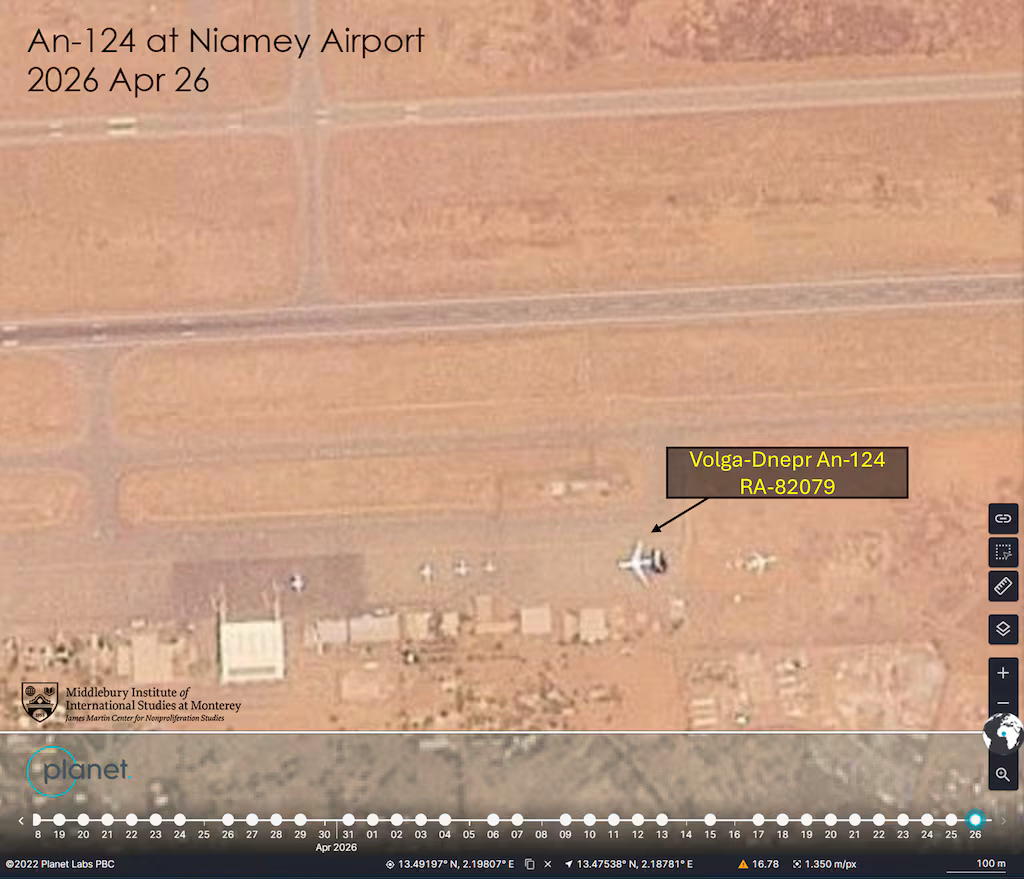
Heavy-lift aircraft such as the An-124 “Ruslan” were observed operating shuttle flights between Algeria and sub-Saharan Africa, with satellite imagery indicating activity in locations such as Niger. These aircraft are capable of transporting large volumes of cargo, including military equipment.
According to Defense News, the network relies on a group of operators, including sanctioned companies such as Aviacon Zitotrans, which has previously been linked to the transport of military hardware. The use of chartered civilian aircraft allows Russian entities to access international airspace and infrastructure while maintaining a degree of plausible deniability.
Algeria’s role in this system is supported by long-standing defense ties with Russia. Between 2018 and 2022, the country sourced approximately 73% of its weapons from Moscow, making it one of Russia’s largest arms clients.
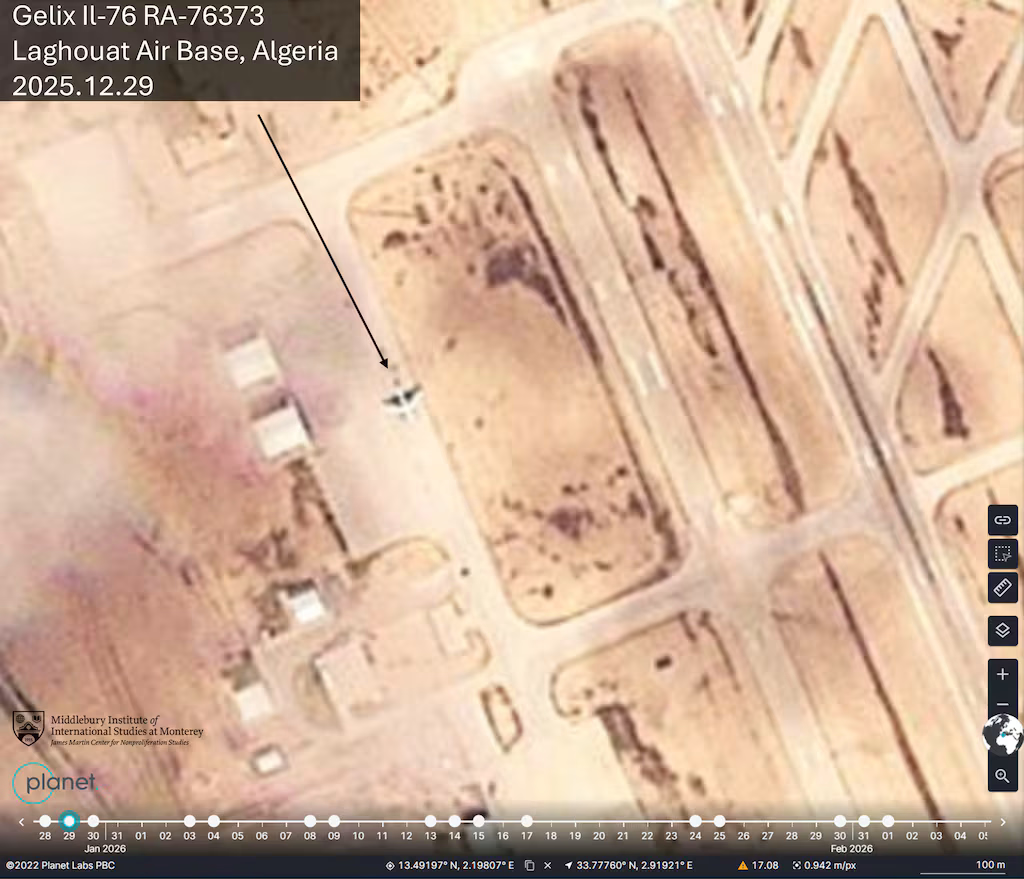
This relationship has expanded to include logistical cooperation that enables Russia to project influence across Africa despite Western sanctions.
Additional indicators point to ongoing arms deliveries through this network. Footage circulating online shows a Russian Su-57 fighter jet operating over Algeria, suggesting initial export activity.
Leaked Rostec-linked documents outline a contract for 12 aircraft with phased deliveries through 2028. If confirmed, Algeria would become the first foreign operator of Russia’s fifth-generation fighter, reinforcing its role not only as a buyer of Russian weapons but also as a key node in their transfer and deployment.
Discuss this article:
-9a7b3a98ed5c506e0b77a6663f5727c5.png)


-c439b7bd9030ecf9d5a4287dc361ba31.jpg "Photo of Katherina Popilnichenko")