- Category
- World
Greece’s Ukrainian Naval Drone Production Plans Stall as Greece Demands Ukraine Remove Veto Clause
 Prefer U24 Media on Google
- Authors


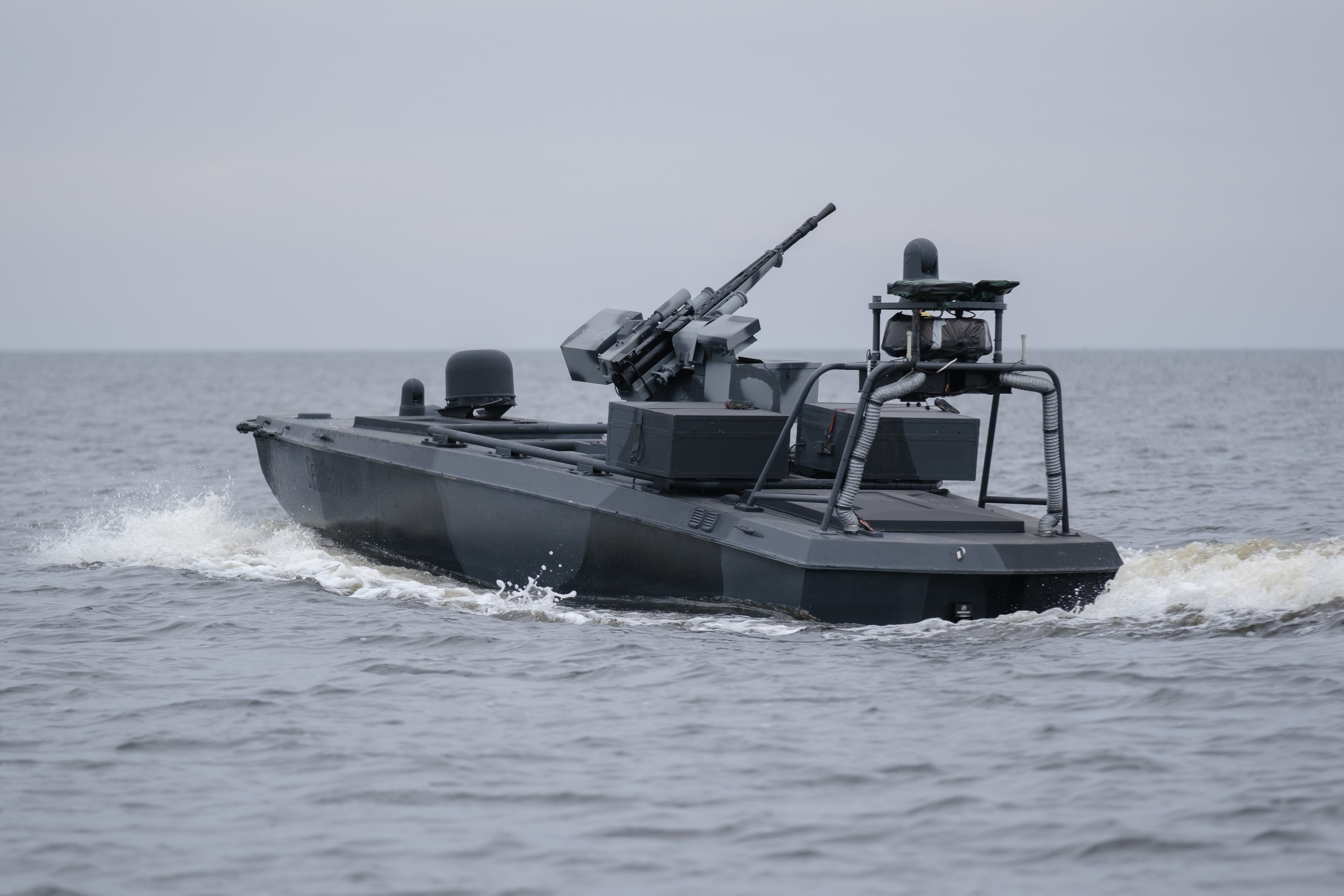
Greece’s plans to launch local production of Ukrainian naval drones have encountered delays due to a dispute over operational control, potentially complicating a defense cooperation agreement between the two countries.
We bring you stories from the ground. Your support keeps our team in the field.
According to Kathimerini on May 1, negotiations between Athens and Kyiv have stalled over a clause that would allow Ukraine to retain a say in how the drones—developed using Ukrainian technology—are used after production in Greece. The report states that this provision could enable Kyiv to restrict or block the deployment of such systems.
The disagreement stems from a bilateral defense arrangement reached in November 2025, which envisaged the localization of Ukrainian naval drone production at Greek facilities. The systems were intended for use by both the Greek and Ukrainian armed forces, reflecting growing defense ties between the two countries.
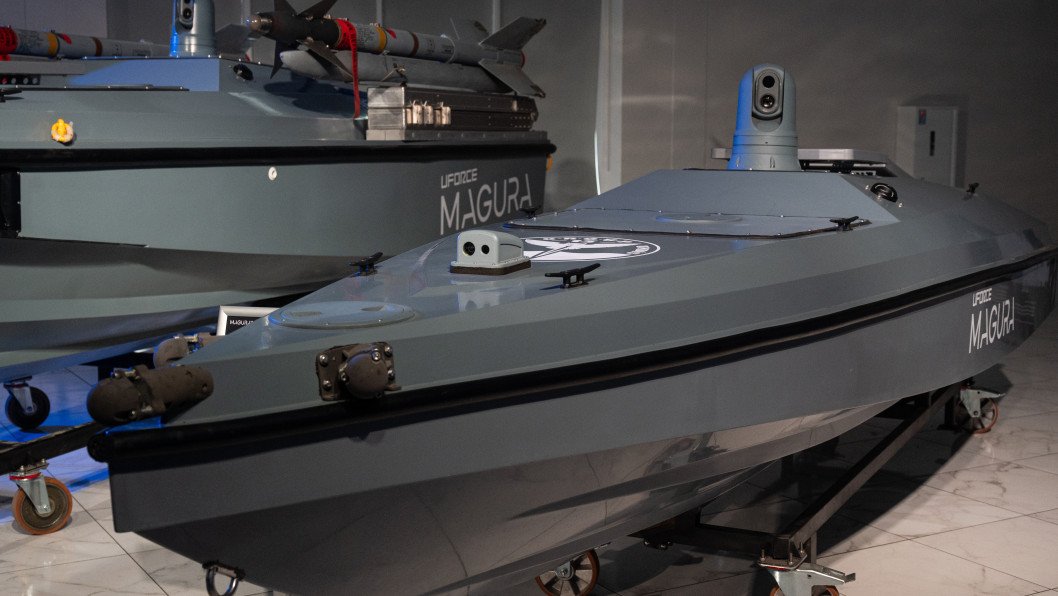
According to Kathimerini, Greek officials view the proposed clause as a potential limitation on their ability to deploy the drones freely, particularly in scenarios involving Turkey.
The outlet reports that Athens is concerned the condition could undermine the operational value of the systems if their use is subject to external approval. The report also notes that negotiations remain ongoing and have not collapsed.
Previous details of the cooperation suggested that drones assembled in Greece could incorporate locally produced electronics, optical systems, and sensors, while core elements such as control systems and software would remain Ukrainian. These technologies have been described as combat-tested in Ukraine.
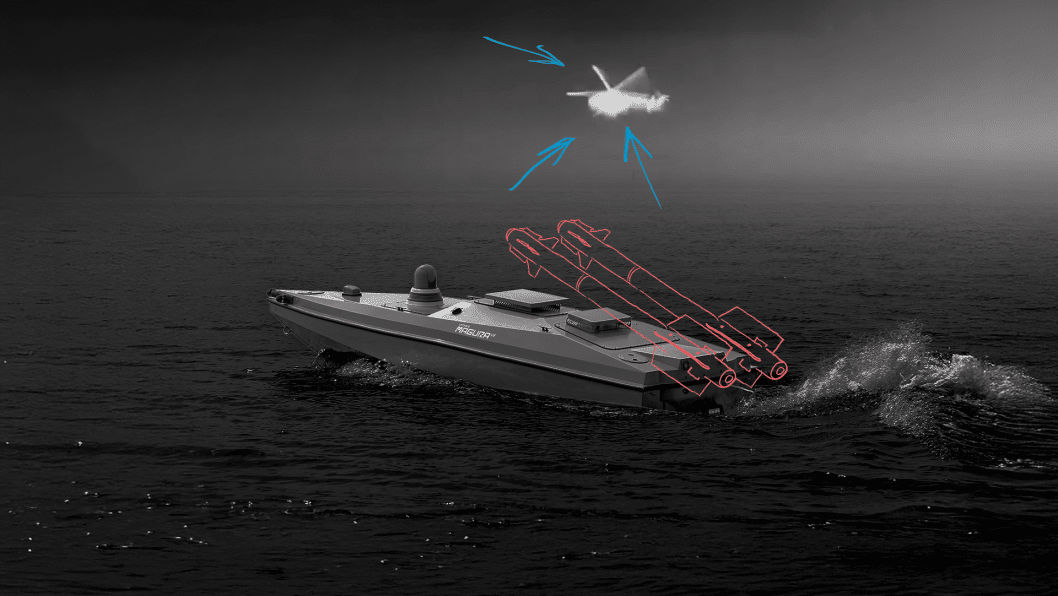
Greece is seeking to accelerate its naval drone capabilities amid regional security concerns, including developments in Turkey’s unmanned maritime systems.
According to open-source data referenced by Kathimerini, Turkey has been advancing such platforms for several years, including the ULAQ series of armed unmanned surface vessels, which entered testing before 2022 and has since evolved into operational systems.
In parallel, Turkish defense companies have introduced additional platforms, including loitering maritime drones and systems designed for serial production, highlighting a competitive environment in the region.
Earlier, President Volodymyr Zelenskyy unveiled more than 50 domestically developed weapons systems during a presentation marking Ukraine’s Day of the Defense Industry, including long-range strike drones, cruise missiles, electronic warfare tools, and naval drones—many of which have already been tested in combat.
Discuss this article:
-9a7b3a98ed5c506e0b77a6663f5727c5.png)


-c439b7bd9030ecf9d5a4287dc361ba31.jpg "Photo of Katherina Popilnichenko")