- Category
- Defense Tech
What Is the Drone Deal? Ukraine’s Plan to Export Battle-Tested Weapons Worldwide
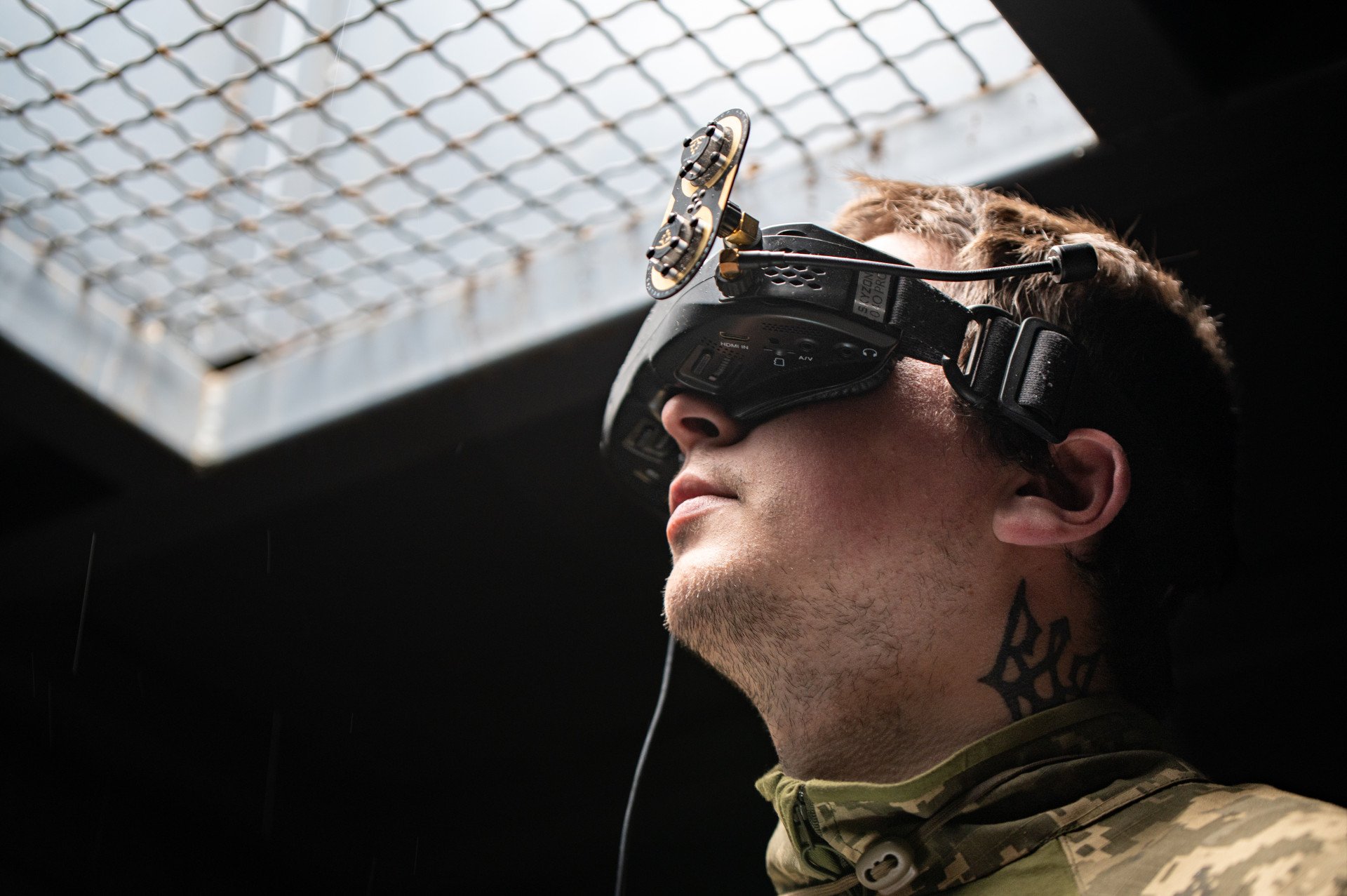
Ukraine has emerged as a leader in modern warfare, with its defense industry rapidly evolving under pressure. Production has surged fiftyfold since Russia’s full-scale war. Now Kyiv is ready to export battle-tested weapons and expertise to its trusted partners.
 Prefer U24 Media on Google
- Authors

-29a1a43aba23f9bb779a1ac8b98d2121.jpeg "Photo of Illia Kabachynskyi")
Since the beginning of Russia’s full-scale invasion, the capabilities of Ukraine’s defense-industrial complex have grown from approximately $1 billion to more than $50 billion. Hundreds of new companies are now producing drones, military equipment, ammunition, and other types of weapons worth tens of billions of dollars.
We bring you stories from the ground. Your support keeps our team in the field.
Some production sectors currently have a surplus of up to 50% in manufacturing capacity, says Ukrainian President Volodymyr Zelenskyy. Kyiv cannot purchase as much weaponry as domestic producers can produce. Exporting arms is therefore a logical step that addresses several objectives at once:
Ukrainian weapons are in high demand among partner countries, especially following the outbreak of war in the Middle East.
It creates growth opportunities for manufacturers, with additional sales driving new investment in R&D and scaling production.
It generates revenue for the state.
As Zelenskyy notes, Ukraine possesses vast security expertise and strong manufacturing capabilities, and will therefore begin exporting weapons to partner countries that support Ukraine and have no ties to Russia.
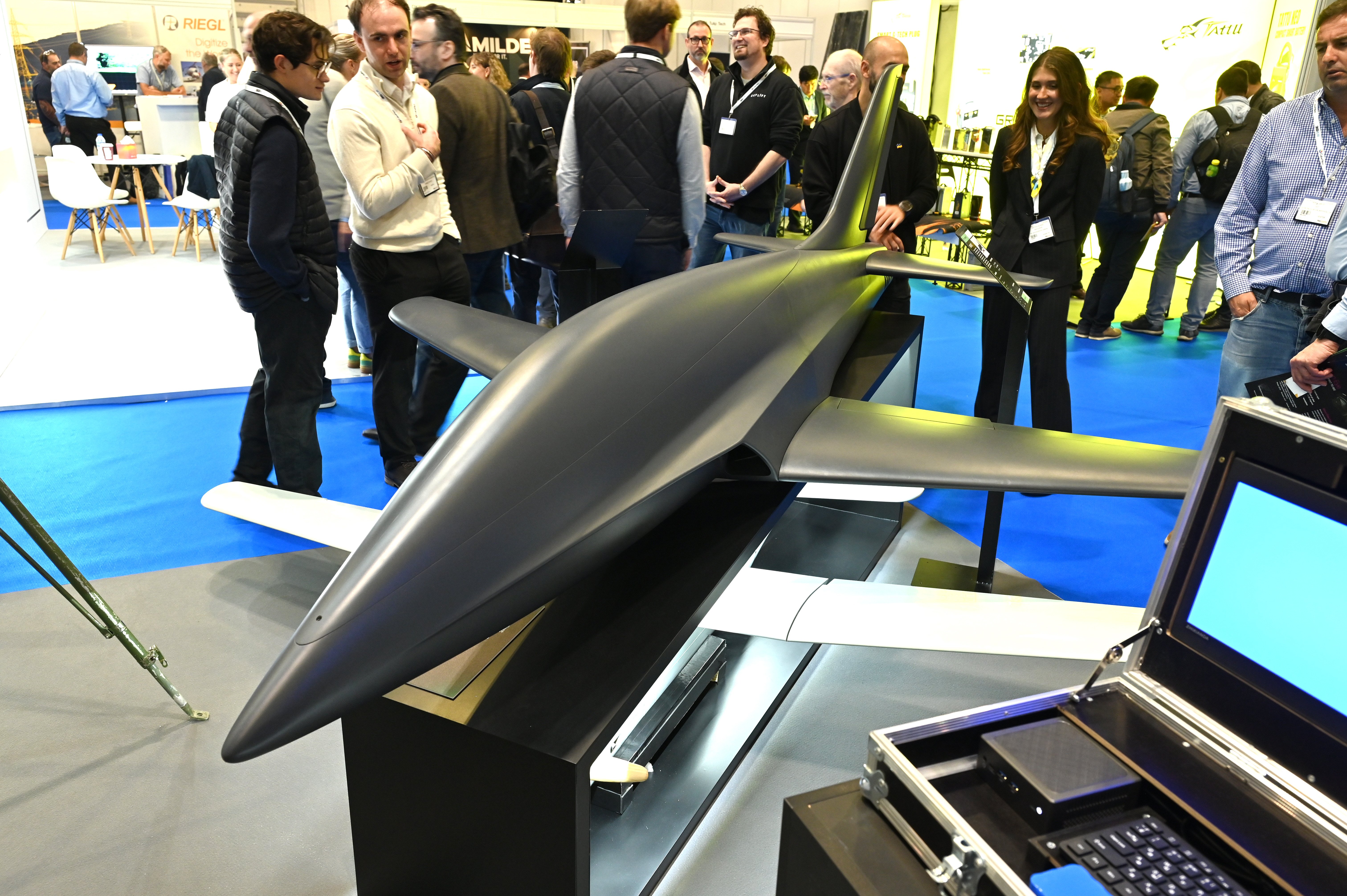
The rollout will take place in several stages. One key principle is that Ukrainian armed forces will always have priority access to sufficient volumes: the military will take what it needs, and any surplus will be exported.
Ukraine’s National Security and Defense Council (NSDC), in coordination with partners, will define the framework for cooperation to ensure that Ukrainian technologies and weapons do not fall into Russian hands.
Government officials, together with special services, are also expected to streamline bureaucratic procedures while maintaining necessary export controls. Automated export permits should be introduced in a way that ensures clear timelines and minimizes opportunities for corruption.
What is the Drone Deal?
A separate format for cooperation with partner countries is the Drone Deal initiative. Ukraine is currently working in this format, Zelenskyy says, with partners across three regions:
The Middle East and the Gulf
Europe
The Caucasus
This is a specialized type of agreement that extends beyond the export of individual weapons. Instead, it involves delivering a comprehensive defense system, including drones designed to repel mass attacks, air defense systems, and electronic warfare capabilities. Preliminary discussions point to at least 10 different arms export contracts.
In other words, Ukraine will export its full spectrum of expertise, including various types of weaponry, training, and operational experience, together forming complete defense systems. These are envisioned as long-term cooperation programs, primarily aimed at protecting critical and civilian infrastructure. Events in the Middle East have shown that such infrastructure is often the first target of attacks by authoritarian and terrorist regimes.
“We have already reached 10-year agreements with three key countries: Saudi Arabia, the United Arab Emirates, and Qatar,” Zelenskyy said. “We already have requests from 11 countries—the Middle East and the Gulf, plus we’re also gradually turning our attention to the Caucasus.”
Ukraine is also considering joint production models, where manufacturing lines and funding would be shared between Ukraine and partner states, including the joint development of new technologies through R&D teams.
Battle-proven technology
Ukraine’s arms export story has a unique advantage: its weapons have been tested in real combat conditions. Interceptor systems are downing thousands of Shahed drones, electronic warfare systems are disabling FPV drones, naval drones are destroying elements of the Black Sea Fleet, and Ukrainian missiles are already striking targets inside Russia. Everything Ukraine has achieved is aimed at building real, multi-domain defense capabilities—across air, land, and sea.
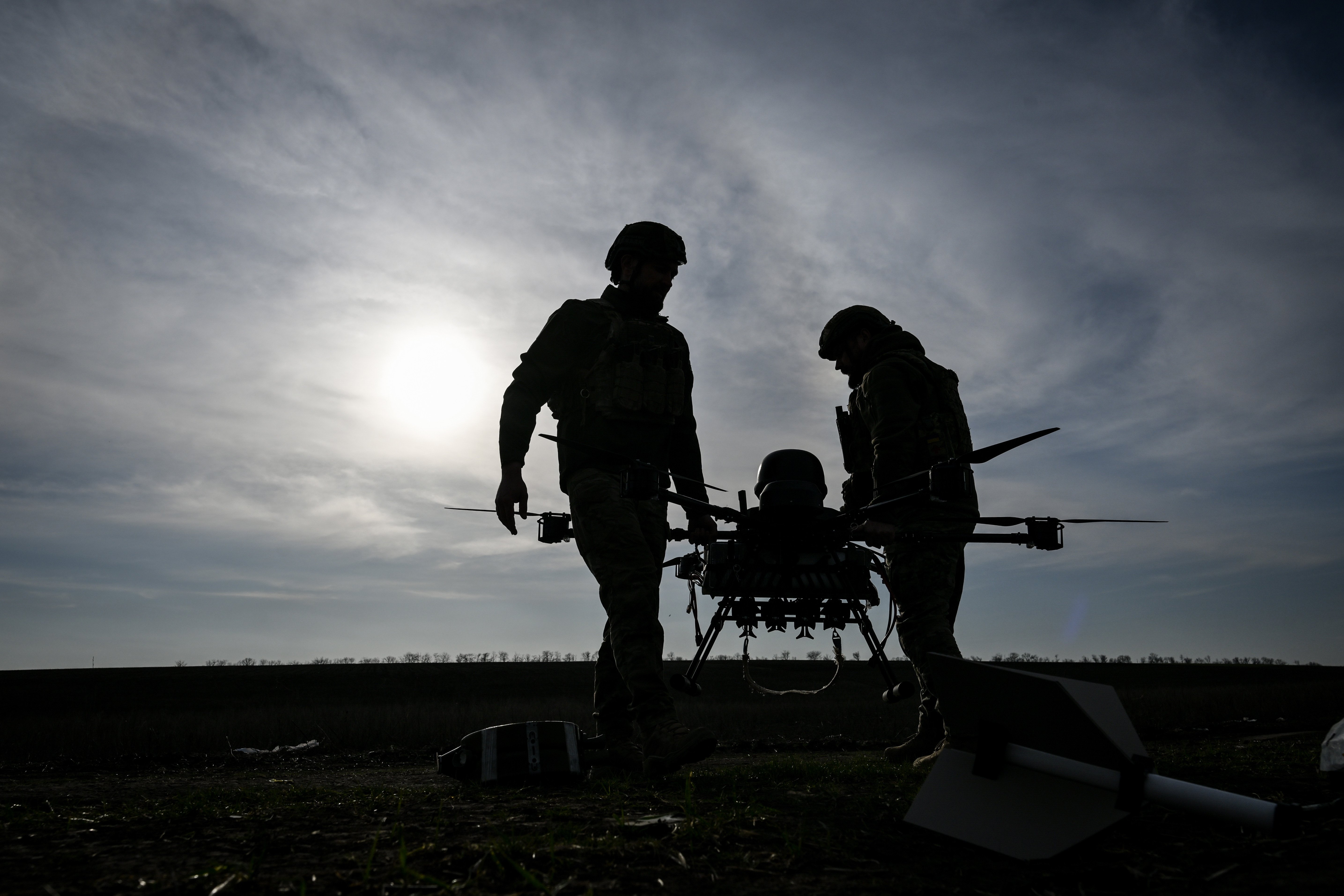
There is another key factor: Ukrainian weapons are not developed in a static environment. The intensity of the war requires constant updates and improvements. As a result, these systems remain consistently effective—and in many cases, increasingly so. Interceptor drones are a clear example. At the same time, Ukraine continues to accumulate operational experience with different types of weapons, which it is also ready to share with its partners.
In this sense, Ukraine’s arms exports represent not only battle-tested solutions, but also continuously evolving systems—defining features of the country’s defense industry.
Discuss this article:
-4a56a6b482ec132402c16ef6fcabf9a2.png)


-f88628fa403b11af0b72ec7b062ce954.jpeg "Photo of Amira Barkhush")

-c439b7bd9030ecf9d5a4287dc361ba31.jpg "Photo of Katherina Popilnichenko")



