- Category
- Latest news
From M777 to Bohdana: US Laser System Powers Ukraine’s Artillery Resilience
 Prefer U24 Media on Google
- Authors


Laser Techniques Co. LLC has unveiled a new generation of precision inspection systems that use laser-based profilometry to measure barrel wear and erosion in artillery and tank guns — technology that’s rapidly transforming how militaries monitor and maintain their heavy weapons, Defence Blog reported on October 31.
In an interview with Jason Waligura, the company’s Vice President of Business Development, he described the firm’s Bore Erosion Measurement and Inspection System (BEMIS) as a “fundamental shift toward data-driven sustainment of large-caliber weapons.”
According to company materials, reviewed by Defense Blog, BEMIS performs rapid, non-contact 3D scans of weapon bores ranging from small-caliber rifles to 155 mm howitzers, detecting microscopic corrosion, pitting, or metal fatigue that traditional inspections might miss.
The system’s laser sensor functions like a “laser caliper,” capturing surface changes with sub-millimeter precision as it scans the full length and circumference of a barrel.
According to Defence Blog, the result is a digital reconstruction that quantifies erosion, concentricity, and deformation in real time—offering a faster, more consistent alternative to mechanical or mold-based inspections long used in armories and proving grounds.
Laser Techniques says its BEMIS systems are now standard across major US Army installations, including Yuma and Aberdeen Proving Grounds, and the Watervliet Arsenal, where every 105 mm, 120 mm, and 155 mm cannon is inspected using the platform.
Other American users include Picatinny Arsenal, Benet Laboratories, and the US Navy’s Surface Warfare Centers, alongside major defense contractors like General Atomics and Northrop Grumman.
Internationally, the company’s clients span more than twenty nations—from BAE Systems in the UK and FN Herstal in Belgium to Krauss-Maffei Wegmann in Germany, Patria in Finland, and the Republic of Korea’s Agency for Defense Development.
Its technology is also in service with military and research institutions in Japan, France, Spain, Italy, Sweden, and Ukraine, Defence Blog notes.
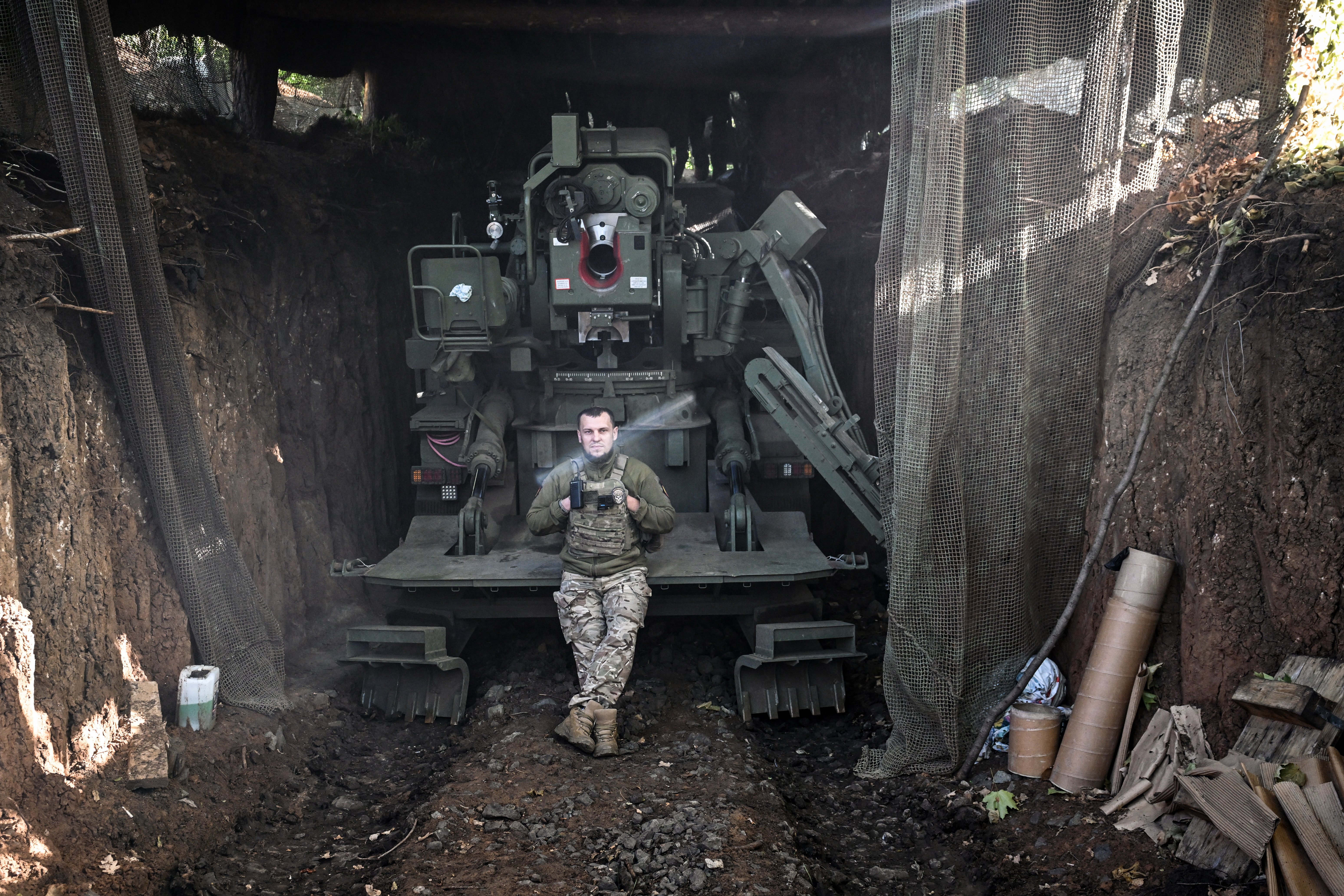
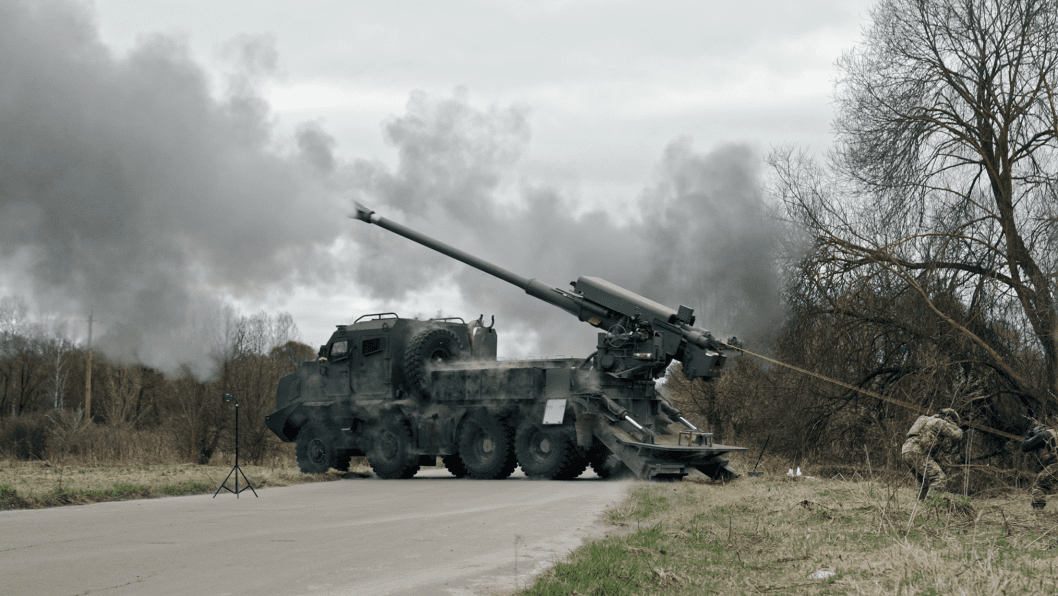
In Ukraine, the manufacturer of the 2S22 Bohdana 155 mm self-propelled howitzer has adopted BEMIS to monitor barrel wear during production and post-firing analysis.
Waligura said the move underscores “a growing international recognition that precision bore measurement is essential to sustaining modern artillery under wartime conditions.” Ukrainian engineers reportedly use the data to extend barrel life beyond standard replacement intervals — a key advantage for a country heavily reliant on sustained artillery fire.
The modular system can inspect nearly all weapon types, from 5.56 mm rifles to naval guns, and integrates easily with both shop-floor and field environments, Defence Blog wrote. Supported by software such as LaserViewer 3D, the system automatically detects uneven erosion, pitting, and land-to-groove wear, generating detailed visual and tabular reports for long-term maintenance tracking.
One of BEMIS’s biggest advantages, the company says, is speed. After a brief calibration, a 76 mm naval gun can be fully scanned in just over twenty minutes at a 0.025-inch axial resolution.
The data can be viewed in 2D or 3D, or exported as CAD-compatible files for integration with digital maintenance records.
While laser profilometry cannot detect subsurface flaws, its surface accuracy has made it indispensable for predictive maintenance. By tracking barrel erosion, chrome flaking, and rifling wear across thousands of firing cycles, technicians can forecast maintenance needs more precisely, improving both safety and cost efficiency.
Earlier, American Rheinmetall secured a contract valued at $31 million to develop a Rapid Damage Assessment and Repair Demonstration aimed at supporting the US Army and the Ukrainian Armed Forces.
Discuss this article:


-c439b7bd9030ecf9d5a4287dc361ba31.jpg "Photo of Katherina Popilnichenko")