- Category
- Latest news
German Siemens Equipment Powers Sanctioned Russian Weapons Plant, Investigation Finds
 Prefer U24 Media on Google
- Authors


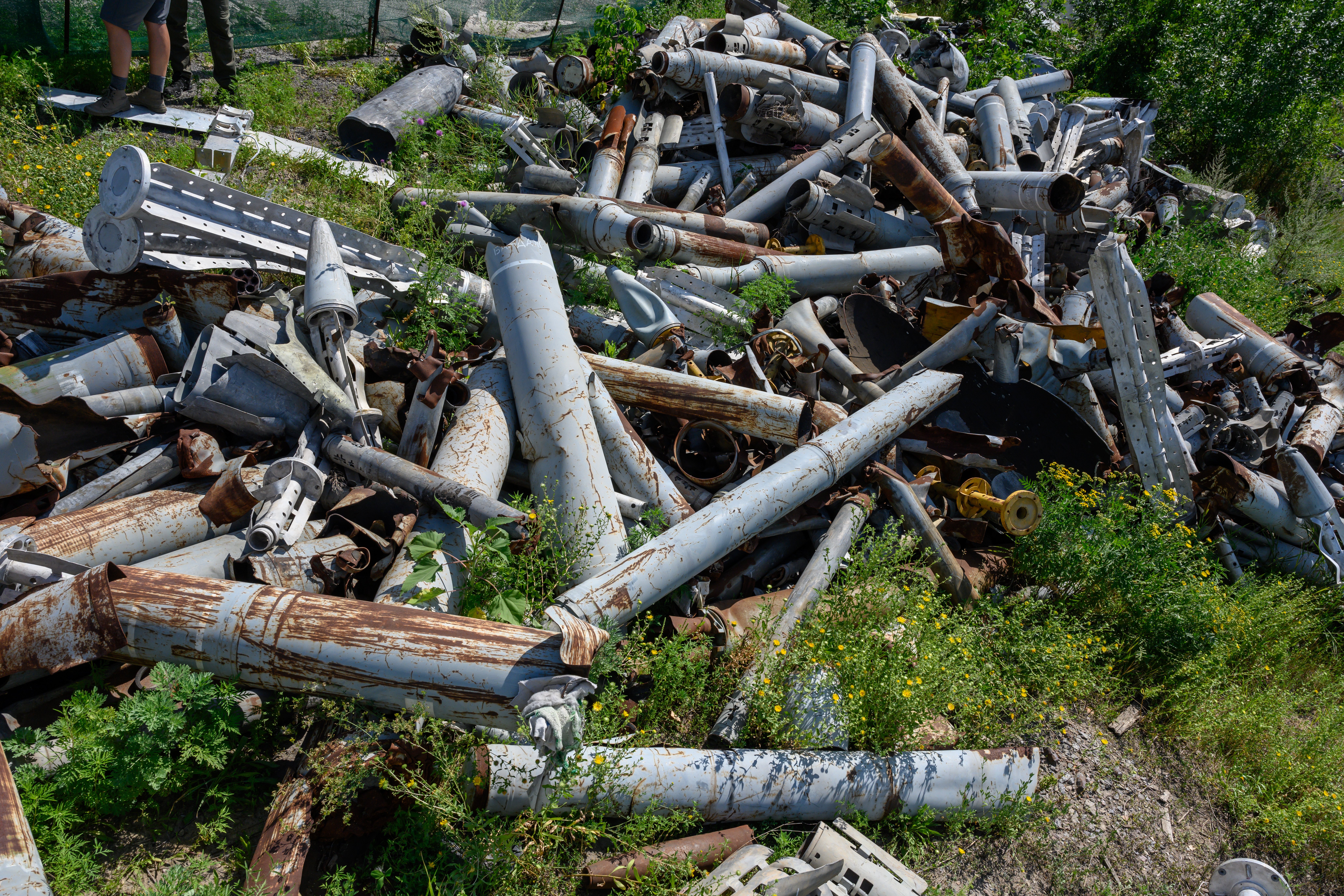
As Russia works to increase military production for its war in Ukraine, a state-owned explosives manufacturer bypassed Western sanctions by acquiring German-made Siemens equipment through a middleman importing technology from China, Reuters reported on August 7.
Customs data and state procurement records reviewed by Reuters indicate that the Biysk Oleum Factory (BOZ) in southern Siberia obtained Siemens components via a Russian intermediary, Techpribor, which sources industrial technology from Chinese wholesalers and resellers. The equipment was required to automate machinery at the facility.
The transaction highlights how Russian military-linked enterprises continue to evade Western export restrictions to expand production.
BOZ’s parent company, the Federal State Enterprise Ya. M. Sverdlov Plant, is already under US and EU sanctions for supporting Russia’s war effort. According to procurement records, BOZ signed an agreement in October 2022 with Techpribor to acquire Siemens devices. Shortly before the end of the 140-day delivery period, Techpribor received a shipment from Huizhou Funn Tek, a Guangdong-based supplier of industrial equipment.
By matching Siemens product and customs codes, Reuters determined that two Siemens power regulator devices supplied by Huizhou Funn Tek were identical to the models ordered by BOZ. Reuters found no evidence that Siemens was aware its equipment had been supplied to a sanctioned Russian explosives producer.
A Siemens spokesperson said the company strictly complies with international sanctions and requires its customers to do the same but acknowledged that certain goods could reach Russia without its knowledge. Techpribor did not respond to Reuters’ inquiries, while BOZ and its parent company also declined to comment.
While it is well known that Russian defense producers source Western technology through China, the Reuters investigation traced a clear supply chain showing how such equipment can reach sanctioned Russian entities with minimal obstacles. Since Russia’s full-scale invasion in February 2022, the BOZ facility in Biysk has been expanding, including the construction of a new plant to produce the high explosive RDX.
Automated machine tools are critical to Russia’s efforts to boost munitions output, enabling higher productivity with fewer workers amid ongoing labor shortages, according to a 2024 report by the UK-based RUSI think tank and the Open Source Centre. Russia has limited capacity to manufacture such tools domestically, making imports essential.
Konrad Muzyka, director of the Rochan military consultancy in Poland, said the flow of Western-made equipment to Russia prolongs the war by supporting Moscow’s rearmament.
“These high-precision components are often irreplaceable within advanced manufacturing processes, including missile production, drone assembly, and tank refurbishment," he said. "Without them, Russia's capacity to sustain or scale its war effort would be more time consuming, expensive and place a bigger burden on the labour market.”
Tender documents show that in 2022 and 2023, BOZ’s parent company purchased three sets of Siemens Simatic industrial automation systems for the Biysk facility. These devices can integrate with industrial machinery, allowing automation and remote monitoring.
The documents identify Techpribor, based in Russia’s Kaliningrad exclave, as a supplier. Confidential tax records reviewed by Reuters confirm business dealings between Techpribor and BOZ’s parent company. Customs data shows that between February and November 2023, Techpribor imported Siemens equipment from multiple Chinese firms, including several shipments from Huizhou Funn Tek.
Huizhou Funn Tek lists Siemens as a partner on its website. A representative, identified as Ms. Chen, said the company could buy directly from Siemens, adding: “They don’t ask who the end user is.” She stated that while the firm has many Russian clients, it does not knowingly ship to entities that might use the goods for military purposes.
Earlier, it was reported that recent report by the private intelligence and analytics firm Dallas suggests that Russian defense companies may have incorporated Austrian-made laser diodes into the guidance systems of air-to-air missiles.
Discuss this article:



-c439b7bd9030ecf9d5a4287dc361ba31.jpg "Photo of Katherina Popilnichenko")