- Category
- Latest news
Germany Unveils Largest Military Reform in Decades, Expanding Land, Air, and Space Capabilities
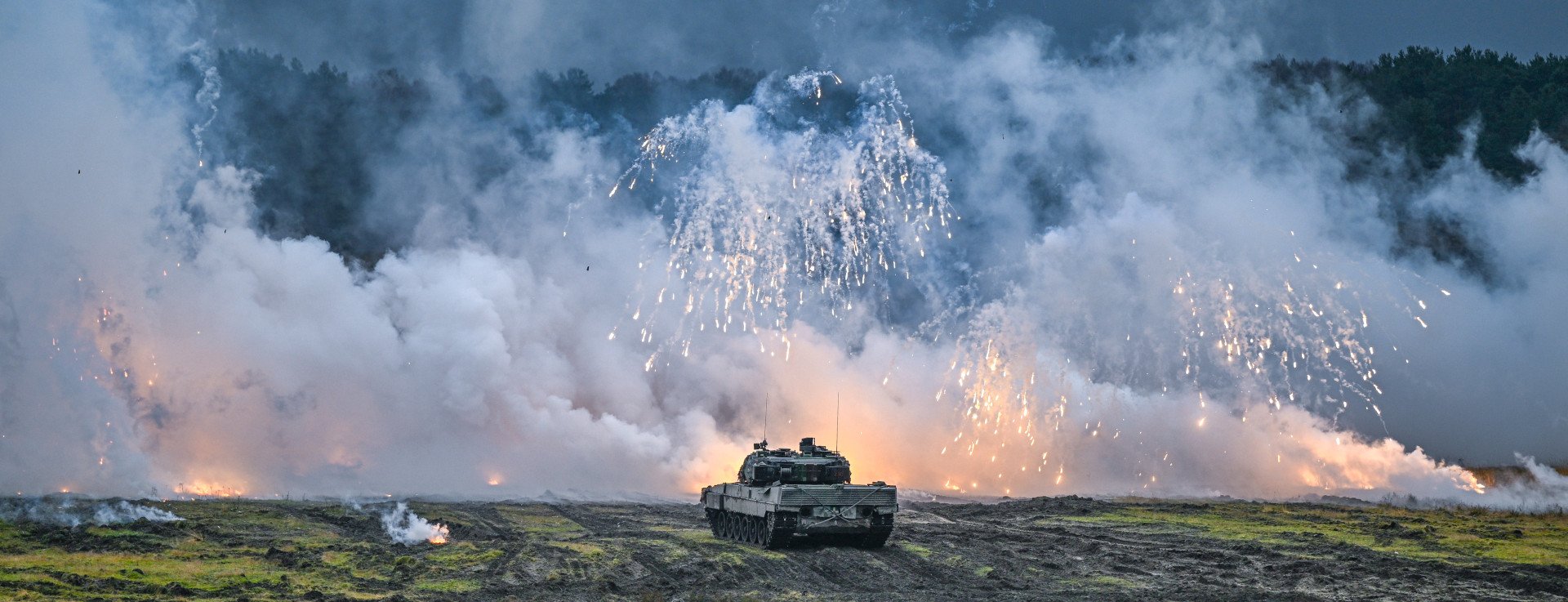
Germany is launching a historic military spending spree, preparing over 60 major defense contracts—including thousands of armored vehicles, next-gen drones, and new Eurofighter jets—aimed at transforming the Bundeswehr into Europe’s most powerful conventional army and reducing the continent’s dependence on US defense systems.
 Prefer U24 Media on Google
- Authors


Germany is preparing more than 60 major military procurement orders for parliamentary approval by the end of the year, aiming to overhaul its armed forces and establish Europe’s strongest conventional military, sources familiar with the matter told Bloomberg on July 29.
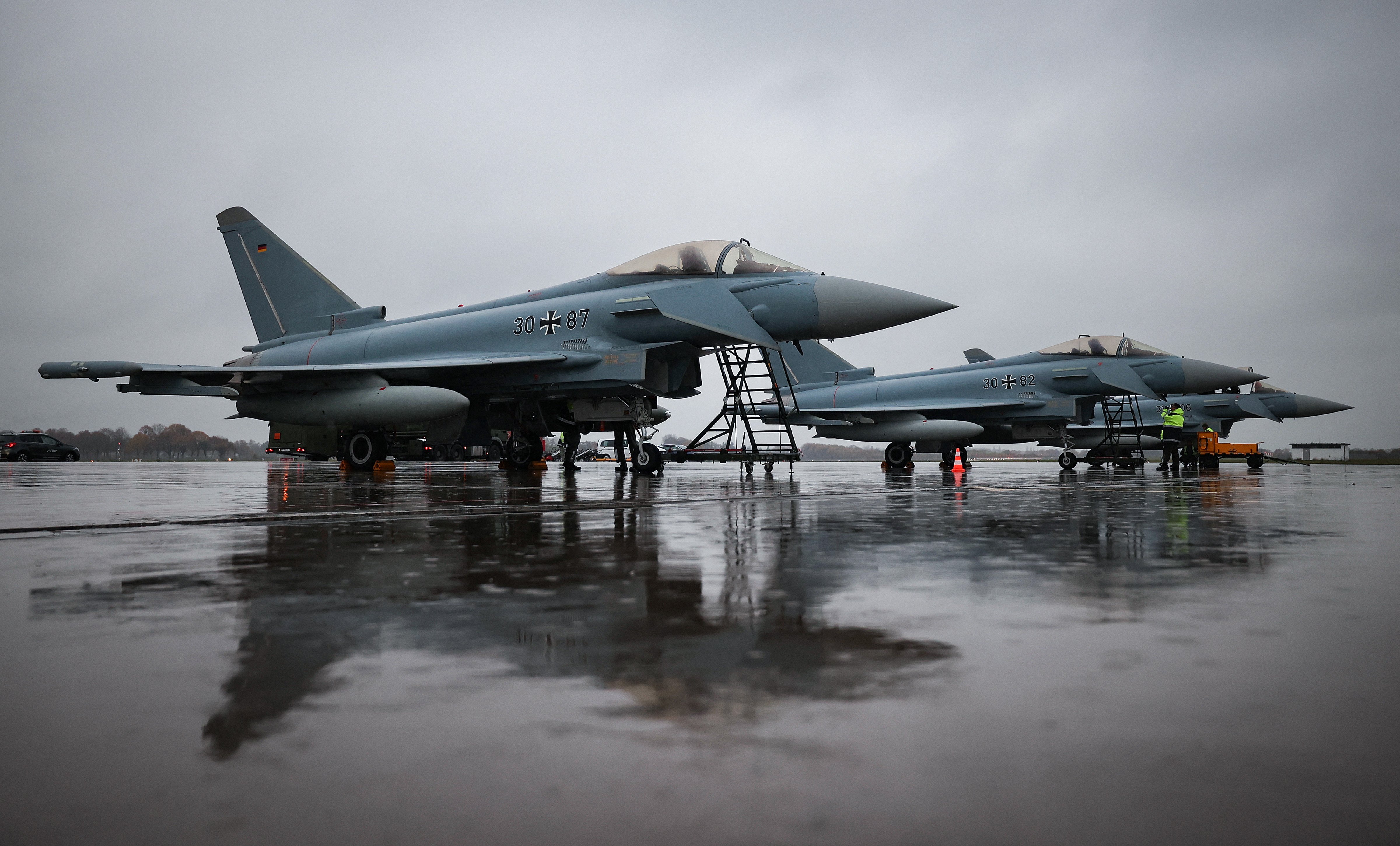
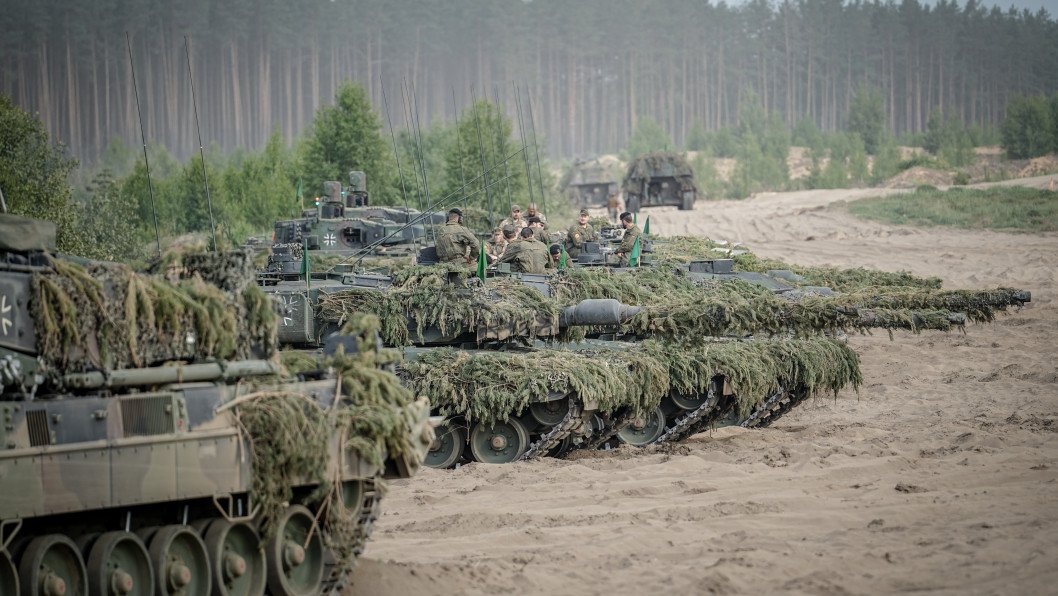
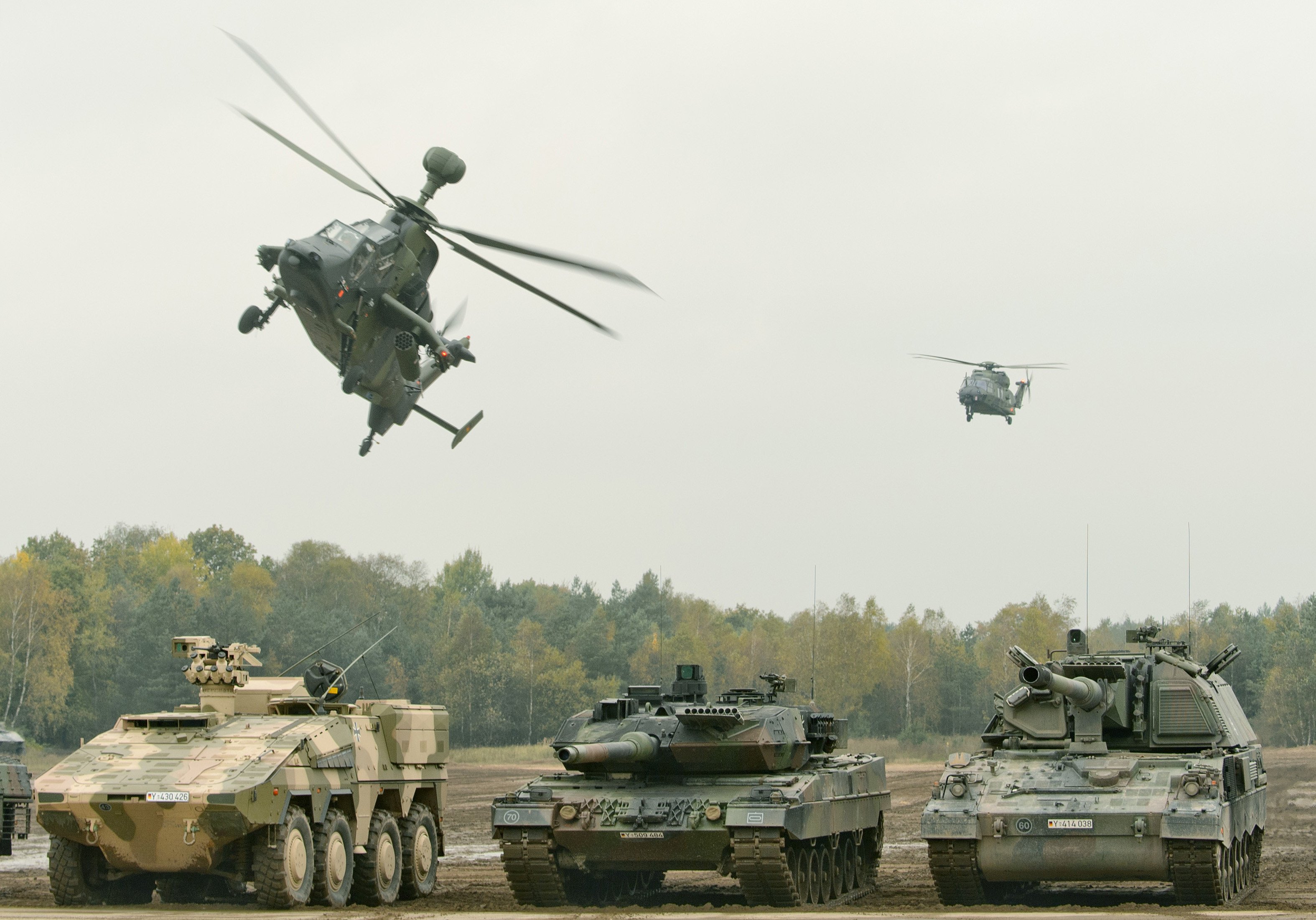
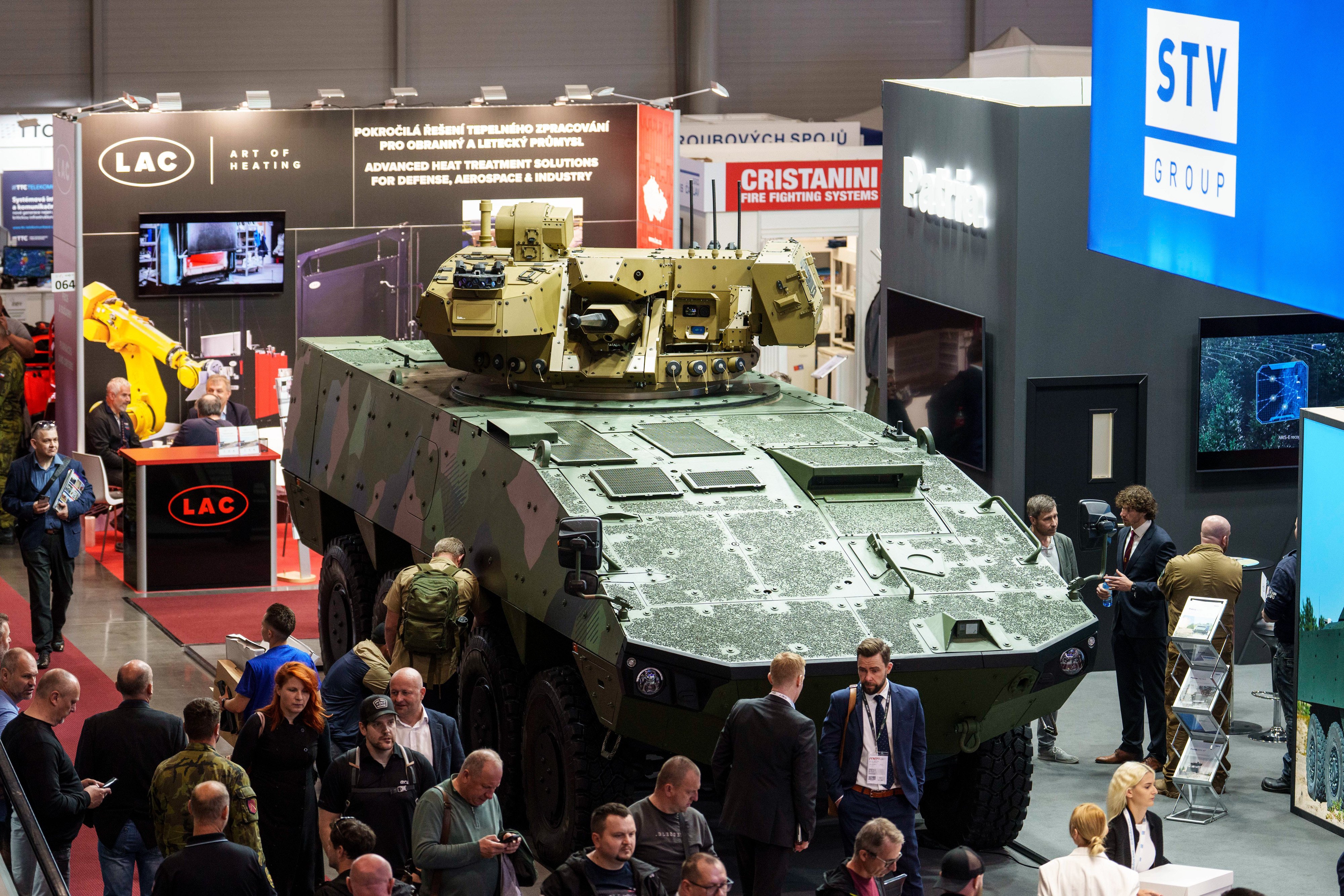
Among the headline acquisitions are 20 Eurofighter jets, up to 5,000 Boxer armored vehicles, and at least 3,500 Patria armored modular vehicles from Finland.
German Defense Minister Boris Pistorius laid out the plans to lawmakers, underscoring the government’s aggressive push to modernize the Bundeswehr.
The German cabinet is expected to approve a medium-term financial roadmap that would more than double the annual defense budget to $187 billion within four years.
Eurofighter Typhoon Turn and Burn in the Swiss Alps. pic.twitter.com/952rMH4KB2
— Ayhan Bakır (@Teomandogukan) July 25, 2025
That level of spending is expected to be reached by 2029, well ahead of NATO’s 2035 target for member states to hit 3.5% of GDP in military expenditure.
“It is foreseeable that we would like to launch a large number of procurement projects this year,” said an official at the Defense Ministry. “In view of the Russian threat situation… there are considerable material requirements.”
A European pivot away from US defense dependence
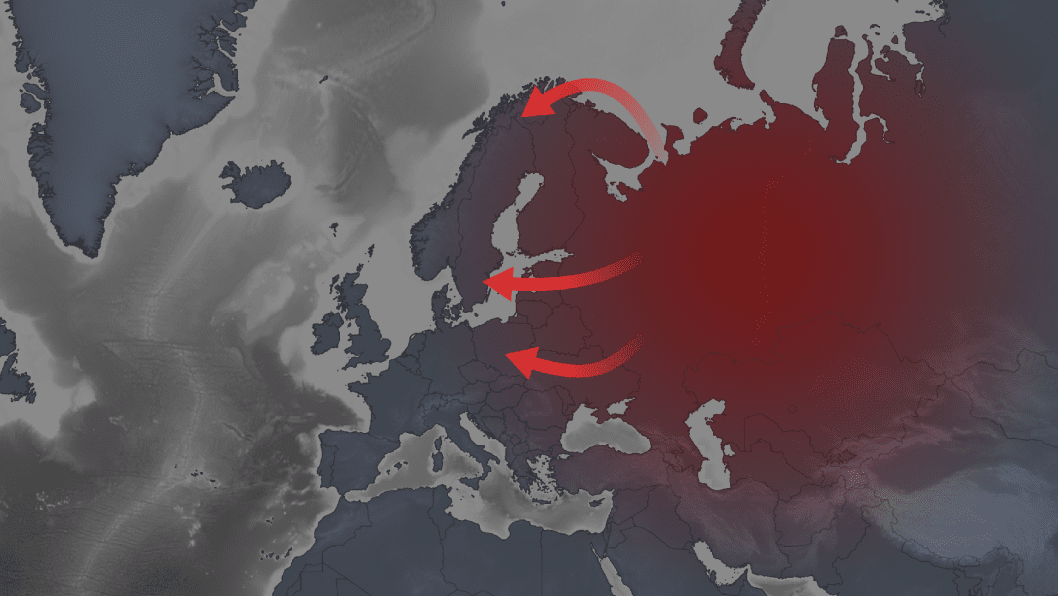
Chancellor Friedrich Merz is pushing to reorient Germany’s military spending toward European manufacturers in a bid to reduce the continent’s reliance on US defense firms.
The pivot comes amid Russia’s ongoing war against Ukraine and growing uncertainty about Washington’s long-term military commitment to NATO under Donald Trump’s “America First” doctrine.
To fund the transformation, Merz’s coalition has agreed to exempt defense spending from Germany’s strict constitutional borrowing limits. A separate $577 billion special fund—also debt-financed—will bankroll parallel investments in infrastructure, such as roads, railways, and schools.
The renewed defense push is already fueling investor optimism: shares of European defense firms have surged.
Germany’s Rheinmetall has nearly tripled in value this year, BAE Systems is up 56%, and Airbus—part of the Eurofighter consortium—has risen 17%.
Fighter jets, armored fleets, and drone doctrine
At the top of the procurement list is the long-anticipated contract for 20 additional Eurofighter jets, valued at up to $3.46 billion.
Former Chancellor Olaf Scholz first announced the plan in 2024, but it stalled due to coalition disagreements over defense priorities.
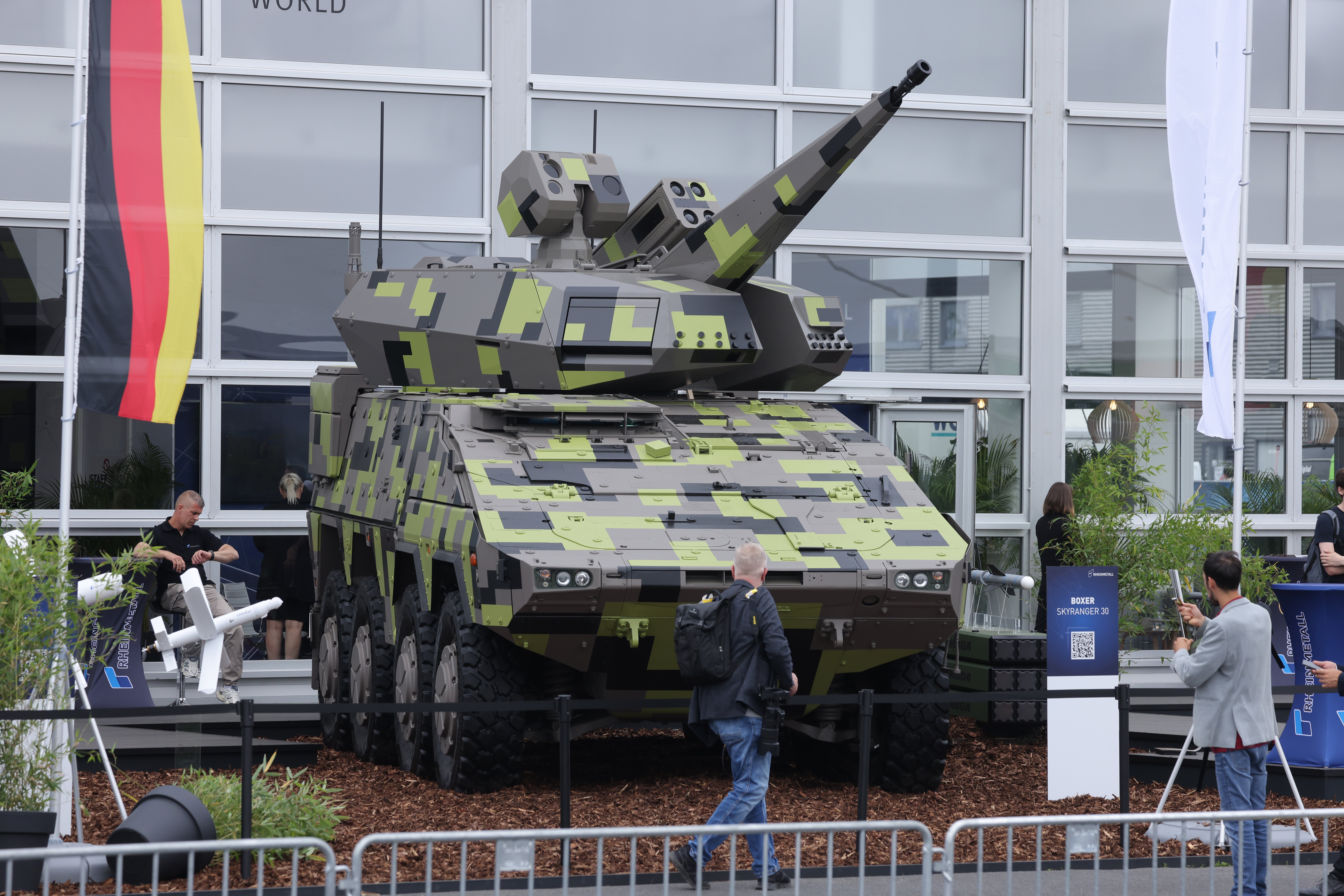
Berlin is also preparing to order up to 5,000 Boxer armored vehicles in multiple configurations from KNDS and Rheinmetall. These include up to 600 Boxer-based Skyranger air-defense systems, along with variants for combat, reconnaissance, and medical evacuation.
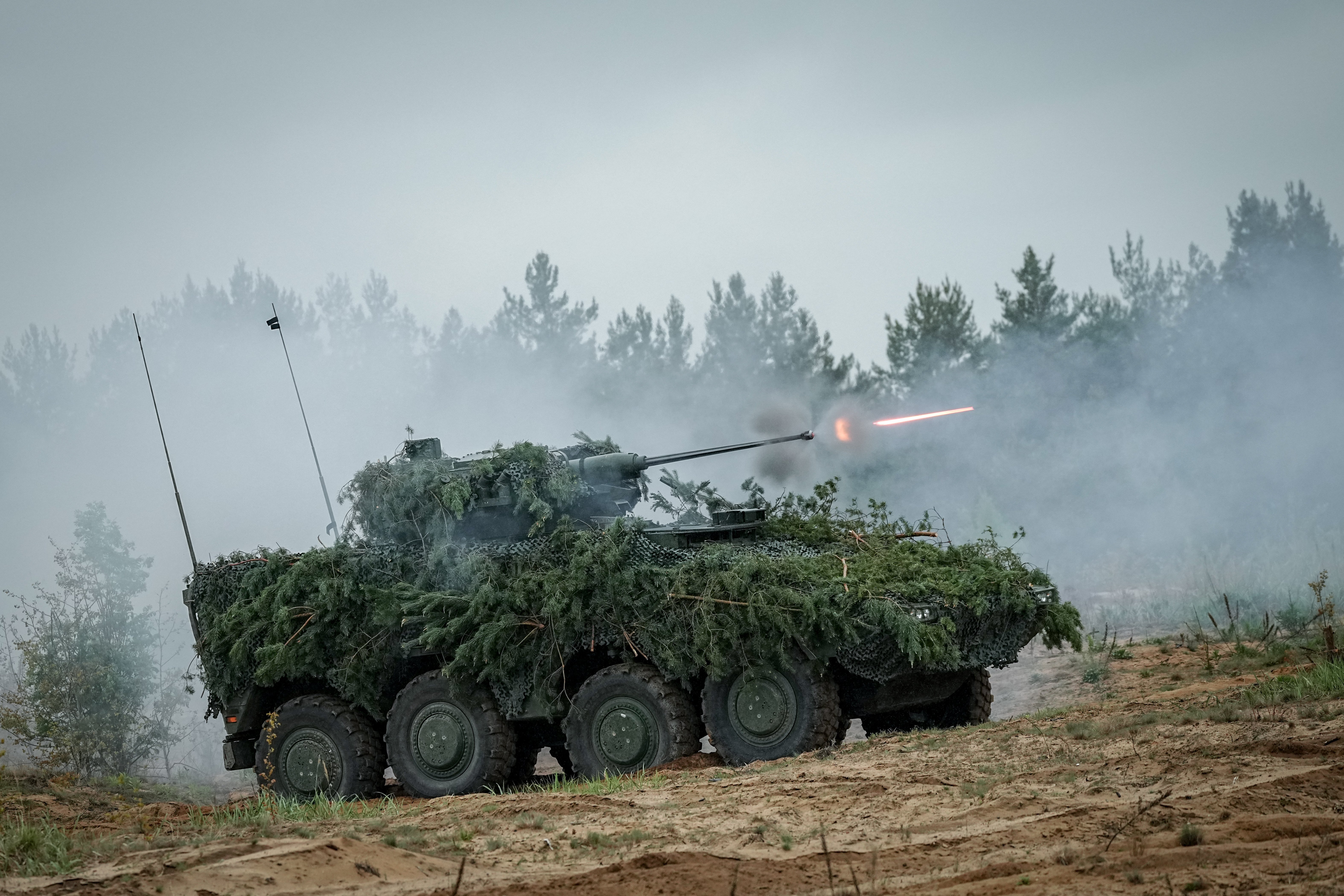
In parallel, Germany will purchase at least 3,500 Patria AMVs from the Finnish firm Patria Oyj. The deal could be worth up to $5.76 billion.
The vehicles will replace the Bundeswehr’s aging Fuchs fleet, with approximately 90% of production expected to take place in Germany via partnerships with KNDS and Flensburger Fahrzeugbau Gesellschaft.
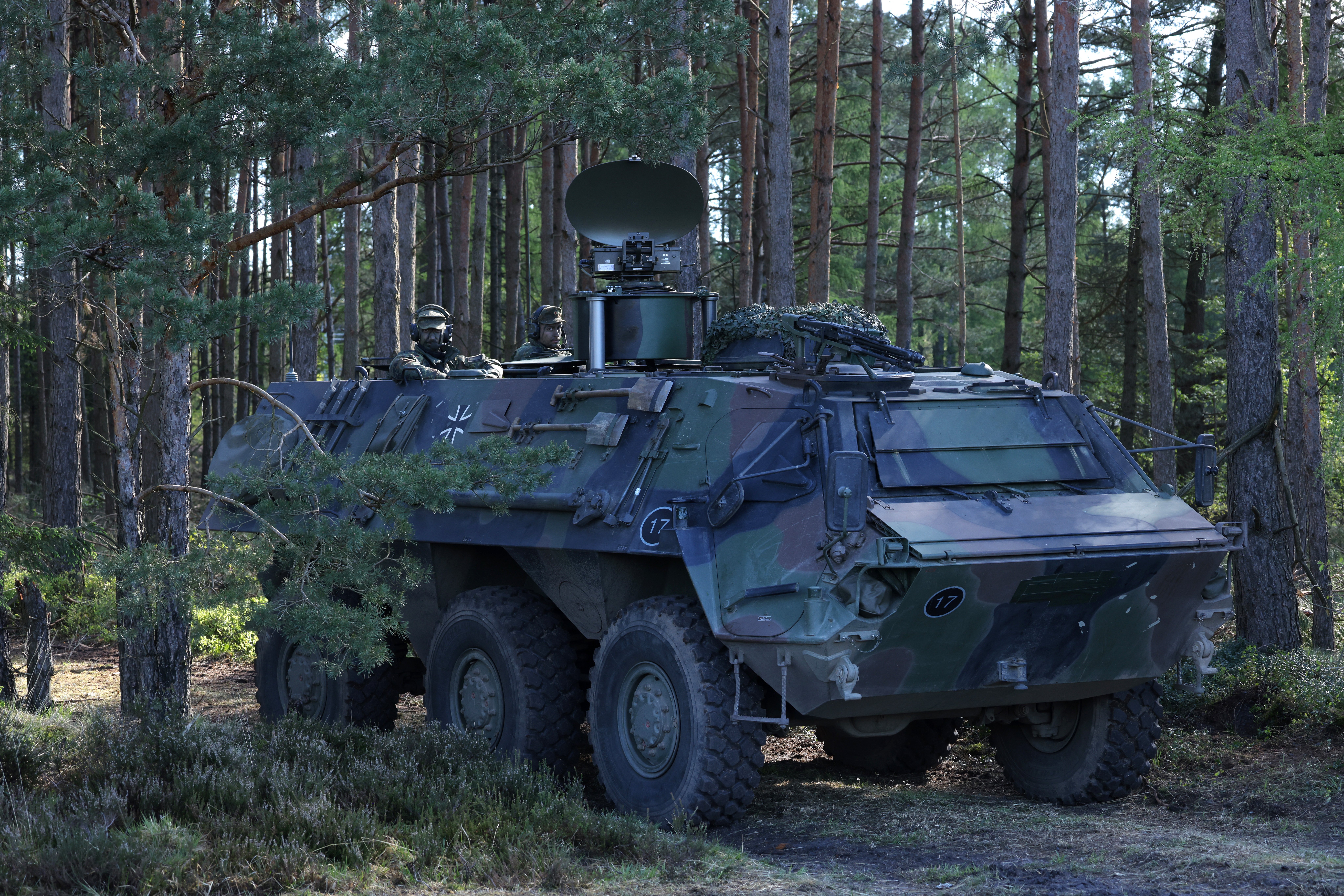
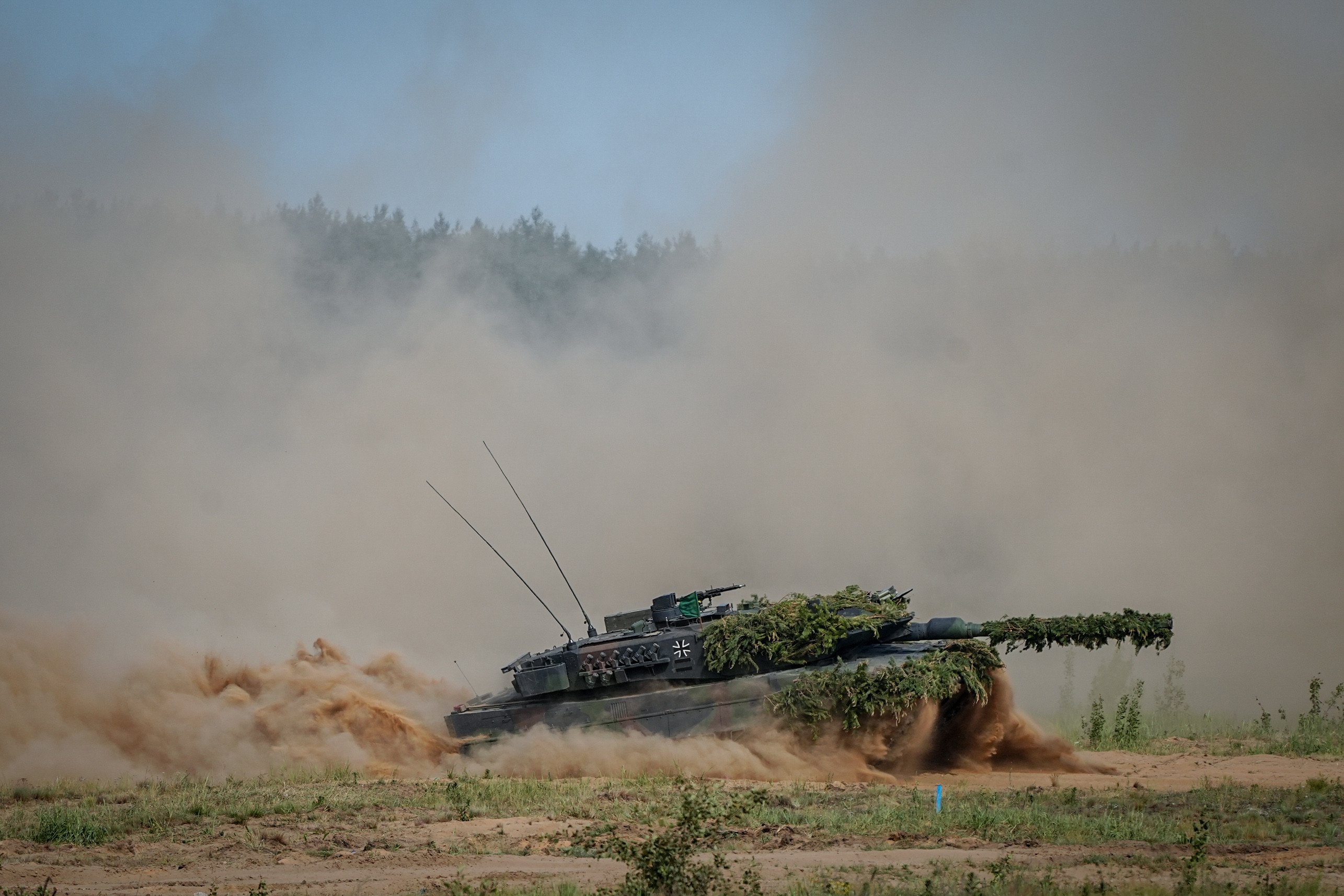
In addition, the Ministry of Defense is exploring the acquisition of several hundred Leopard 2 main battle tanks—Germany’s flagship heavy armor—also from KNDS and Rheinmetall.
Germany is also finalizing a national drone strategy that will drive several billion euros in new orders for domestic manufacturers such as Helsing and Quantum Systems. The focus is on autonomous systems, reconnaissance drones, and loitering munitions.
Military satellites and strategic bottlenecks
Another strategic priority is breaking Europe’s dependency on US-controlled satellite communications. Germany plans to invest over $17.3 billion in modernizing its military satellite infrastructure in the coming years.
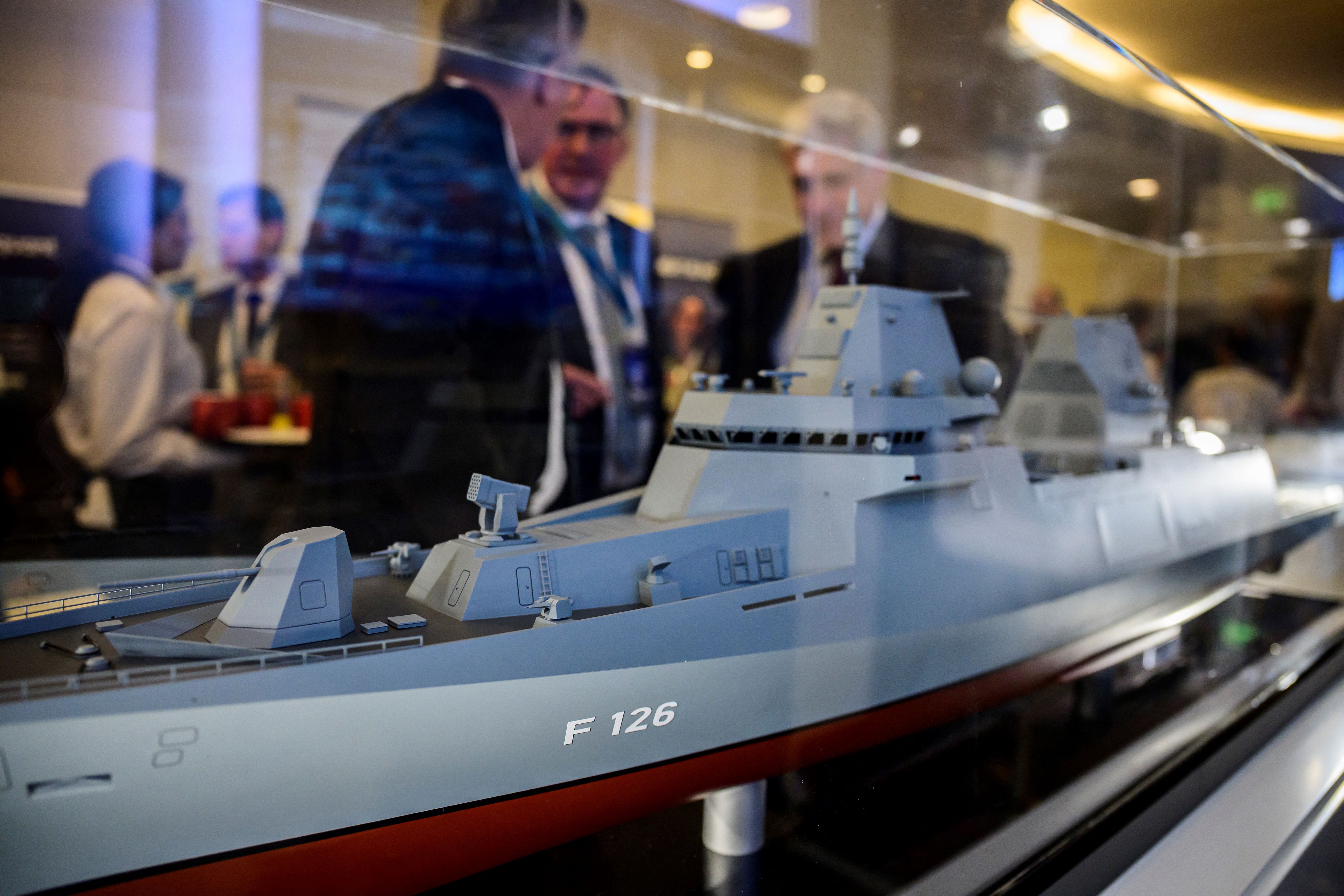
Despite the record budget, officials warn that production bottlenecks and procurement delays may slow progress. The long lead times for big-ticket items—such as the F-126 frigate program—highlight the challenge of turning fiscal ambition into battlefield readiness.
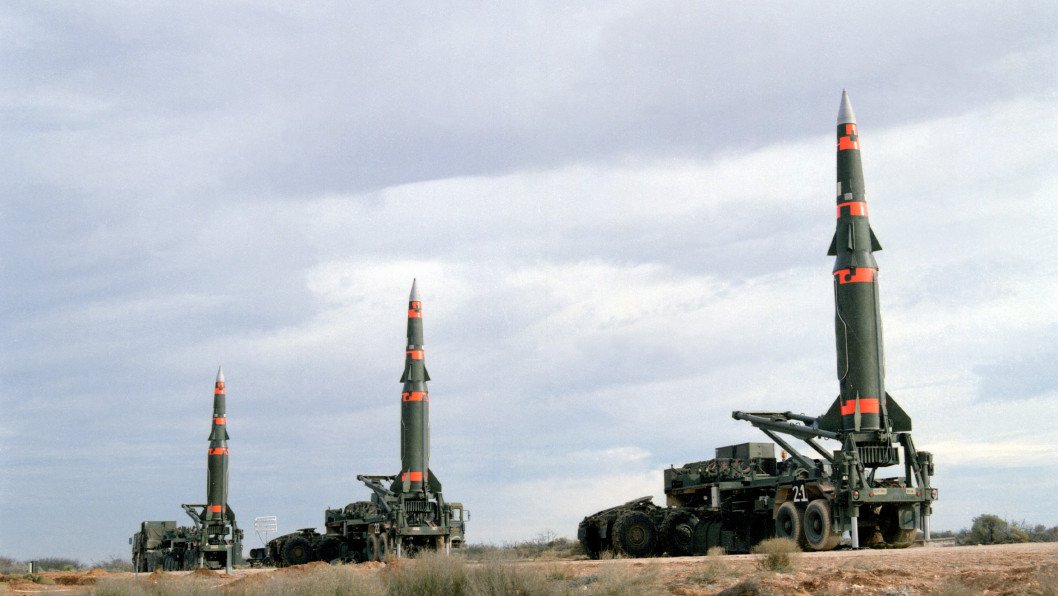
Earlier, reports emerged that the United States was considering reducing its military footprint in Europe by up to 30% as part of a global reassessment of force posture.
Currently, between 90,000 and 100,000 US troops are stationed across Europe. Approximately 20,000 of them were deployed under President Joe Biden following Russia’s full-scale invasion of Ukraine in 2022, according to international relations expert Aylin Matlé.
The largest American contingent is based in Germany, which hosts about 35,000 US personnel.
Discuss this article:


-c439b7bd9030ecf9d5a4287dc361ba31.jpg "Photo of Katherina Popilnichenko")