- Category
- Latest news
“I Have No Regrets”: Ukrainian Skeleton Athlete Disqualified for Memorial Helmet at Winter Olympics
 Prefer U24 Media on Google
- Authors


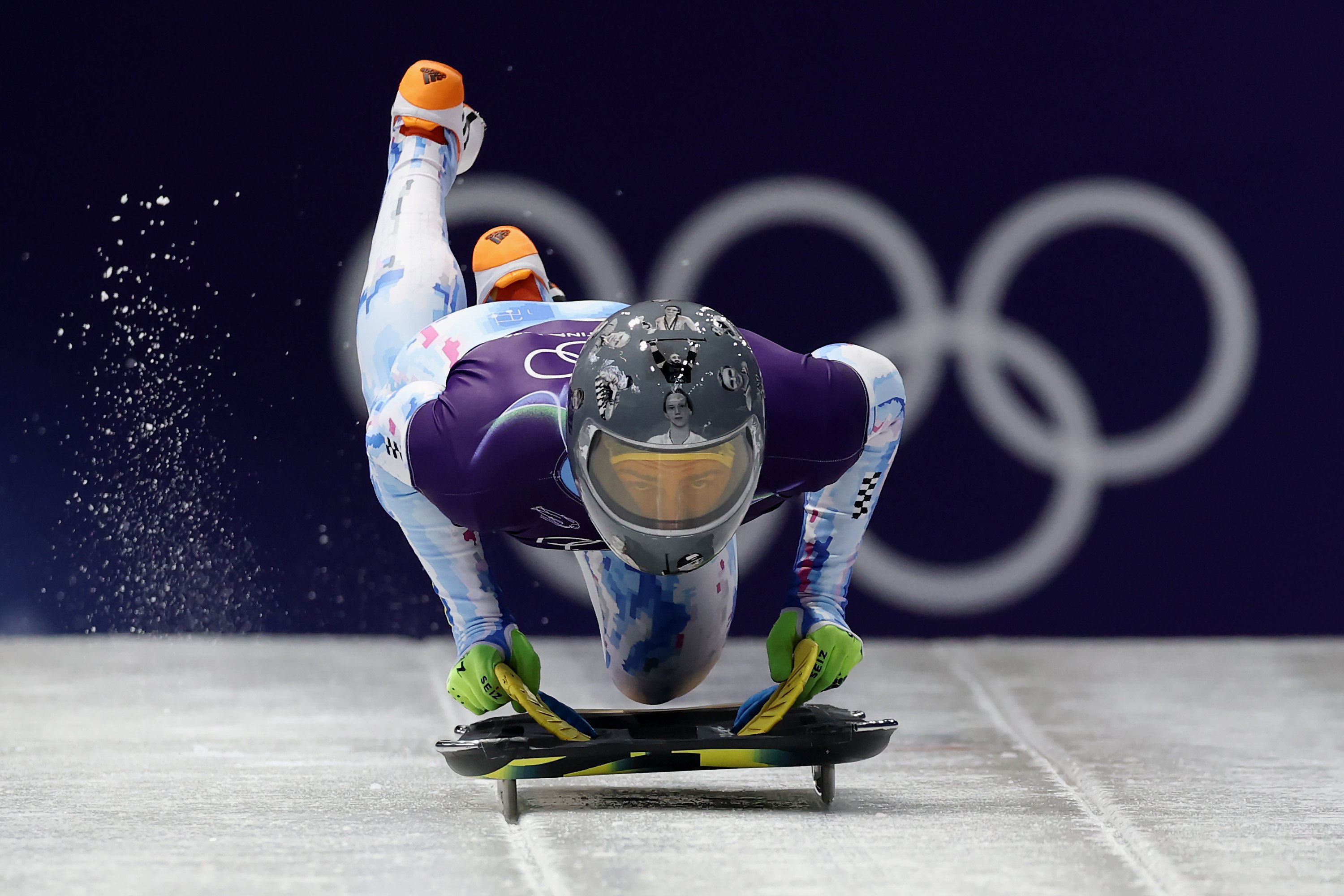
Ukrainian skeleton athlete Vladyslav Heraskevych was disqualified before the start of his first run at the 2026 Winter Olympic Games, according to Suspilne Sport on February 12.
Heraskevych had intended to compete wearing his “memorial helmet,” dedicated to Ukrainian athletes killed in Russia’s war against Ukraine. However, the competition proceeded without him after he was banned from the start list.
We bring you stories from the ground. Your support keeps our team in the field.
The International Olympic Committee (IOC) had previously prohibited Heraskevych from using the “memory helmet” during the Games, warning that failure to comply could result in disqualification.
“I never wanted a scandal with the IOC, and I did not create it. The IOC created it with its interpretation of the rules, which many view as discriminatory. Although this scandal has made it possible to loudly speak about Ukrainian athletes who have been killed, at the same time the very fact of the scandal distracts a tremendous amount of attention away from the competitions themselves and from the athletes participating in them.,” Heraskevych wrote on his Instagram.
Susilne Sport correspondent Serhii Zakharchenko later reported during a live Olympic studio broadcast that Heraskevych had received an official ruling from the International Bobsleigh and Skeleton Federation (IBSF) confirming the decision.
“There is a decision by the skeleton competition jury at the Olympic Games in the case of Vladyslav Heraskevych concerning a violation of Olympic rules regarding athletes expressing [their position]. That he would wear a helmet which, under IOC rules, violates Article 50—allegedly constituting some kind of political appeal.
Vladyslav Heraskevych has been removed from the startlist,” the outlet wrote.
The International Olympic Committee later confirmed Heraskevych’s disqualification in an official statement published on its website.
🔴 BREAKING: Ukrainian skeleton athlete Vladyslav Heraskevych was disqualified before his first run at the 2026 Olympic Games, Suspilne reports.
— UNITED24 Media (@United24media) February 12, 2026
Earlier, the IOC has banned Heraskevych from using his memorial helmet, depicting Ukrainian athletes killed by Russia. pic.twitter.com/cYJNF7LINZ
The IOC said the decision followed the athlete’s refusal to comply with its Guidelines on Athletes’ Expression. The ruling was issued by the jury of the IBSF, which determined that the helmet he planned to wear did not meet Olympic regulations.
The committee also noted that Heraskevych met with IOC President Kirsty Coventry earlier that morning, but the discussion did not lead to an agreement.
According to the IOC, the athlete had been allowed to display the helmet during all training sessions and was offered alternative options, including presenting it in the mixed zone immediately after competition or competing with a black armband. The committee stressed that the issue was not the message itself, but the location in which it was to be expressed.
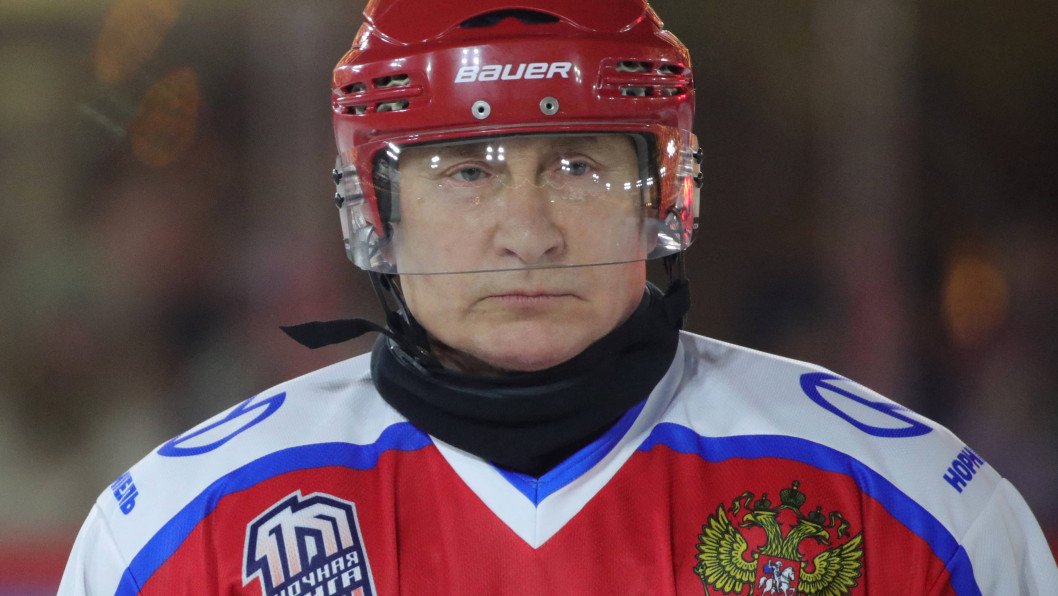
“Mourning is not expressed and perceived in the same way everywhere in the world. In order to support athletes in their mourning, the IOC has put in place multifaith centres in the Olympic Villages and a place of mourning, so that grief can be expressed with dignity and respect. There is also the possibility to wear a black armband during competition under certain circumstances,” the statemnet read.
The National Olympic Committee of Ukraine reacted to the decision, emphasizing that Heraskevych had intended to compete in the “memorial helmet” as a tribute to fallen Ukrainian athletes and all Ukrainian heroes.
“He was supposed to take the start wearing the ‘helmet of remembrance’ — as a sign of respect for the Ukrainian athletes who were killed and for all our Heroes. Today Vladyslav did not start, but he was not alone — the whole of Ukraine stood with him. Because when an athlete stands up for truth, honor, and memory — that is already a victory,” the statement said.
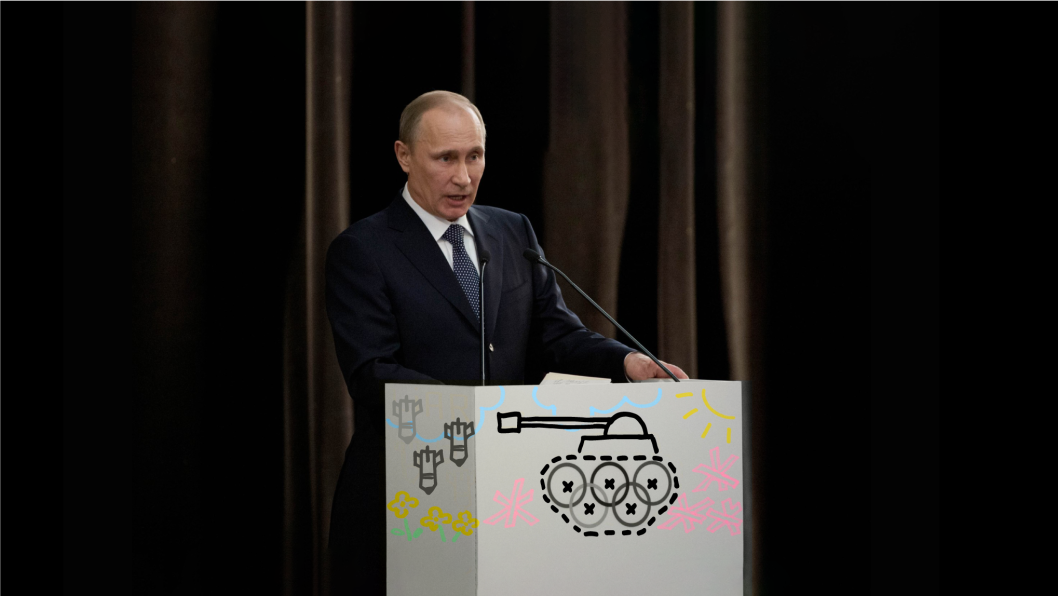
Additionally, Minister of Youth and Sports Matvii Bidnyi stated that this decision “looks like a mistake that they did not dare to correct.”
“We will correct this mistake through legal channels,” Bidnyi said. “Vladyslav, you acted with dignity. This story will definitely continue.”
Heraskevych later commented on the situation, expressing regret over how events unfolded but standing by his position.
“Do I regret what I did? Of course, it’s unfortunate. I didn’t want this scandal. I wanted to be part of this sporting celebration, which was also taken away from me. I wanted to be part of these Olympic Games in a friendly atmosphere with many athletes with whom I have good, friendly relationships… I have no regrets... There are things more important than medals. I stood up for what I believe in.,” he told Suspilne Sport correspondent.
Ukraine’s Foreign Minister Andrii Sybiha also issued a response, accusing the IOC of damaging its own credibility.
“The IOC has banned not the Ukrainian athlete, but its own reputation. Future generations will recall this as a moment of shame,” Sybiha wrote.
He stressed that Heraskevych had sought only to honor fellow athletes killed in the war. “He simply wanted to commemorate fellow athletes killed in war. There is nothing wrong with that under any rules or ethics.”
The IOC has banned not the Ukrainian athlete, but its own reputation. Future generations will recall this as a moment of shame.
— Andrii Sybiha 🇺🇦 (@andrii_sybiha) February 12, 2026
He simply wanted to commemorate fellow athletes killed in war. There is nothing wrong with that under any rules or ethics.
The IOC intimidated,… pic.twitter.com/5FsK7FCakC
Sybiha further criticized the IOC’s conduct, saying the organization “intimidated, disrespected, and even lectured our athlete and other Ukrainians on how they should keep quiet about ‘one of 130 conflicts in the world’.”
“A country that started three invasions during the Olympic Truce in the past three decades, implemented the largest state-funded doping program, killed 650 Ukrainian athletes and coaches, and damaged 800 sports facilities in Ukraine. These are Russians who must be banned, not the commemoration of their victims. None of them are ‘neutral’,” minister added.
Earlier, Thomas Weikert, president of the German Olympic Sports Confederation, called on Ukrainian skeleton athlete Vladyslav Heraskevych to adhere to Olympic rules and not compete at the 2026 Winter Games in Milan–Cortina with his “memorial helmet,” which honors Ukrainian athletes killed in Russia’s war against Ukraine.
Discuss this article: