- Category
- Latest news
India’s Reliance Resumes Russian Oil Imports Through Non-Sanctioned Channels
 Prefer U24 Media on Google
- Authors

-72b63a4e0c8c475ad81fe3eed3f63729.jpeg "Photo of Cyril Barabaltchouk")
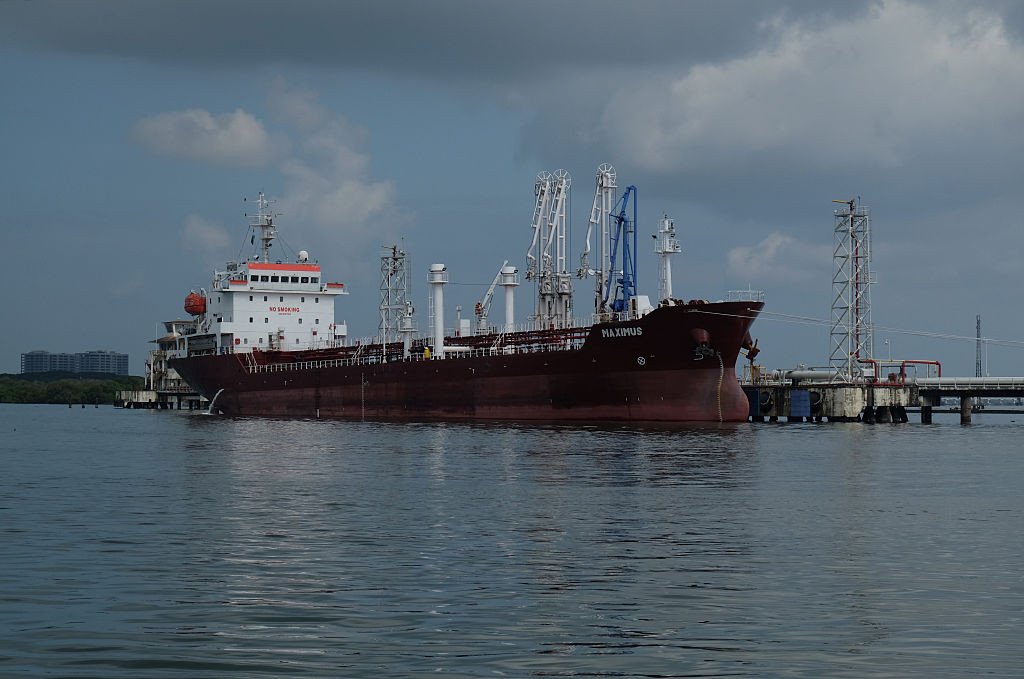
India’s Reliance Industries has resumed purchases of discounted Russian crude oil after a brief pause triggered by US sanctions, sourcing oil from non-sanctioned suppliers and routing it to its domestic-focused refinery in Gujarat, people familiar with the matter told Bloomberg on December 24.
India’s largest refiner has contracted Aframax tankers through RusExport to supply its 660,000-barrel-a-day refinery, which serves the domestic market, according to people who asked not to be identified because the information is sensitive.
We bring you stories from the ground. Your support keeps our team in the field.
The move is expected to soften a sharp drop in India’s Russian oil imports, which officials had warned could fall by more than half this month, according to Bloomberg.
Reliance halted Russian crude purchases in late October after the US imposed sanctions on Rosneft and Lukoil, giving refiners a month to wind down transactions. Under a temporary waiver, the company was allowed to receive vessels contracted before October 22, with the final cargo arriving on December 17, just before the exemption expired.
The resumption comes as markets closely watch the outlook for Russian oil exports following the latest US sanctions aimed at curbing Kremlin revenues from the war in Ukraine.
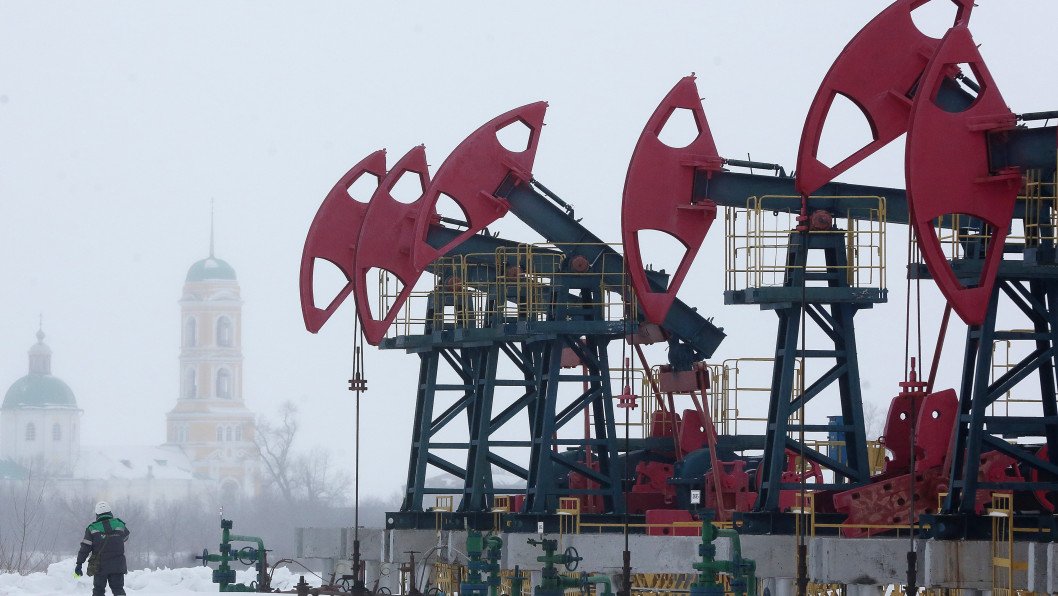
While Indian refiners have increasingly turned to non-sanctioned Russian suppliers or costlier alternatives, overall flows from Russia are still expected to decline significantly, Bloomberg reported.
Reliance operates the world’s largest refinery complex at Jamnagar, which includes a separate 700,000-barrel-a-day plant focused on exports. That export-oriented unit last received Russian crude on November 20, with subsequent Russian shipments directed exclusively to the domestic refinery, the company has said.
According to Bloomberg, Indian officials estimated earlier this month that Russia’s share of India’s oil imports could drop to about 800,000 barrels a day, down from an average of 1.9 million barrels a day in November, as refiners adjusted to the sanctions regime.
Previously, it was reported that Russian crude oil prices have fallen to their lowest levels since the start of the full-scale invasion of Ukraine, as Western sanctions and a global decline in benchmarks drive deeper discounts.
According to data from Argus Media, Russian oil exporters are now receiving just over $40 a barrel for cargoes from the Baltic, Black Sea, and Kozmino ports, marking a 28% drop in the last three months.
Discuss this article:



-c439b7bd9030ecf9d5a4287dc361ba31.jpg "Photo of Katherina Popilnichenko")