- Category
- Latest news
INS Vishal: India’s Bid for a Nuclear Aircraft Carrier to Rival China’s Fujian and USS Gerald R. Ford
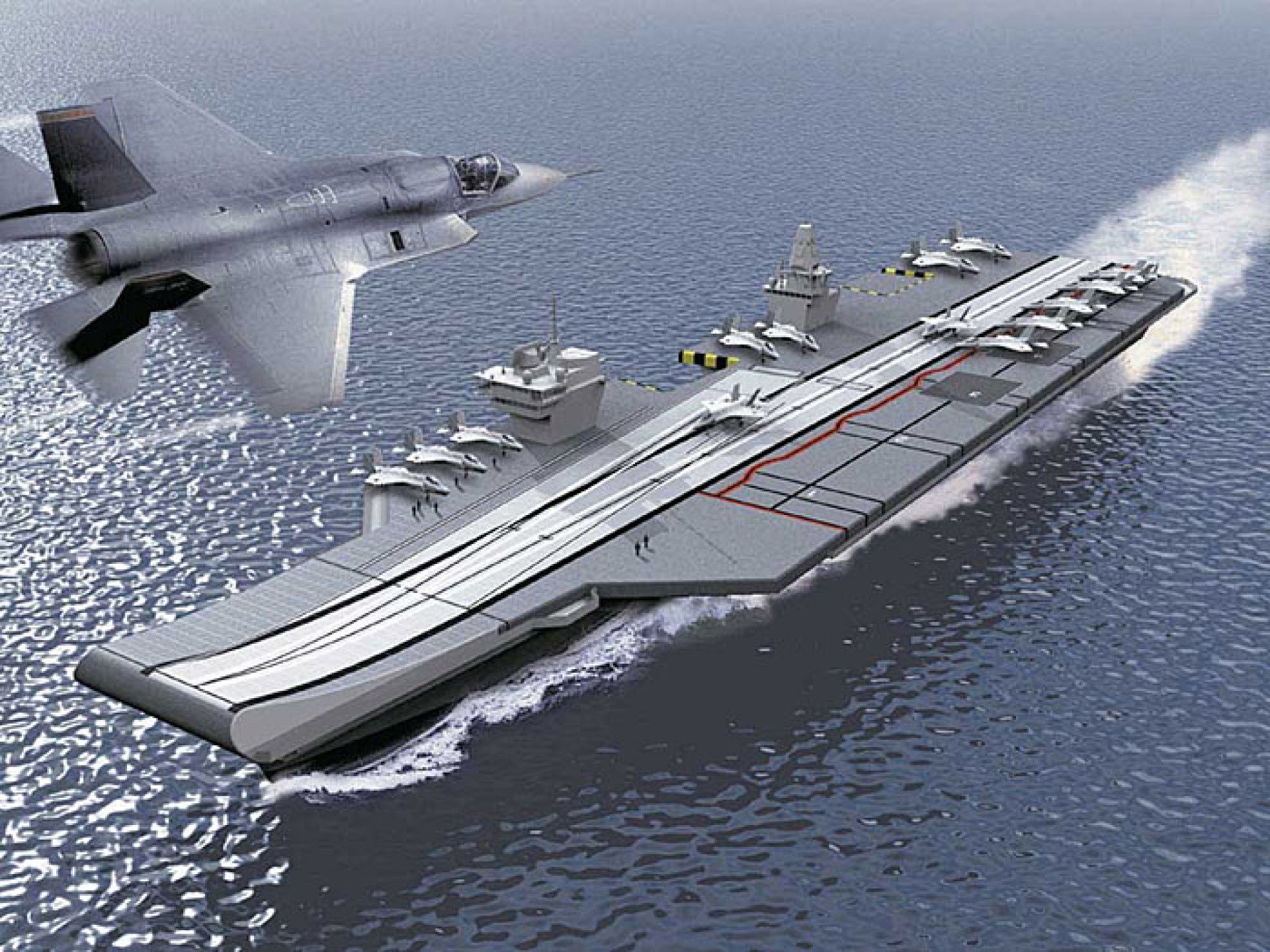
India is setting its sights on an ambitious naval milestone: building its first nuclear-powered aircraft carrier equipped with electromagnetic catapults, a capability that only the United States has operationalized so far.
 Prefer U24 Media on Google
- Authors


India’s Ministry of Defence released its Technology Perspective and Capability Roadmap 2025, a 15-year modernization blueprint that places a nuclear-powered aircraft carrier at the center of its naval strategy on August 6, 2025.
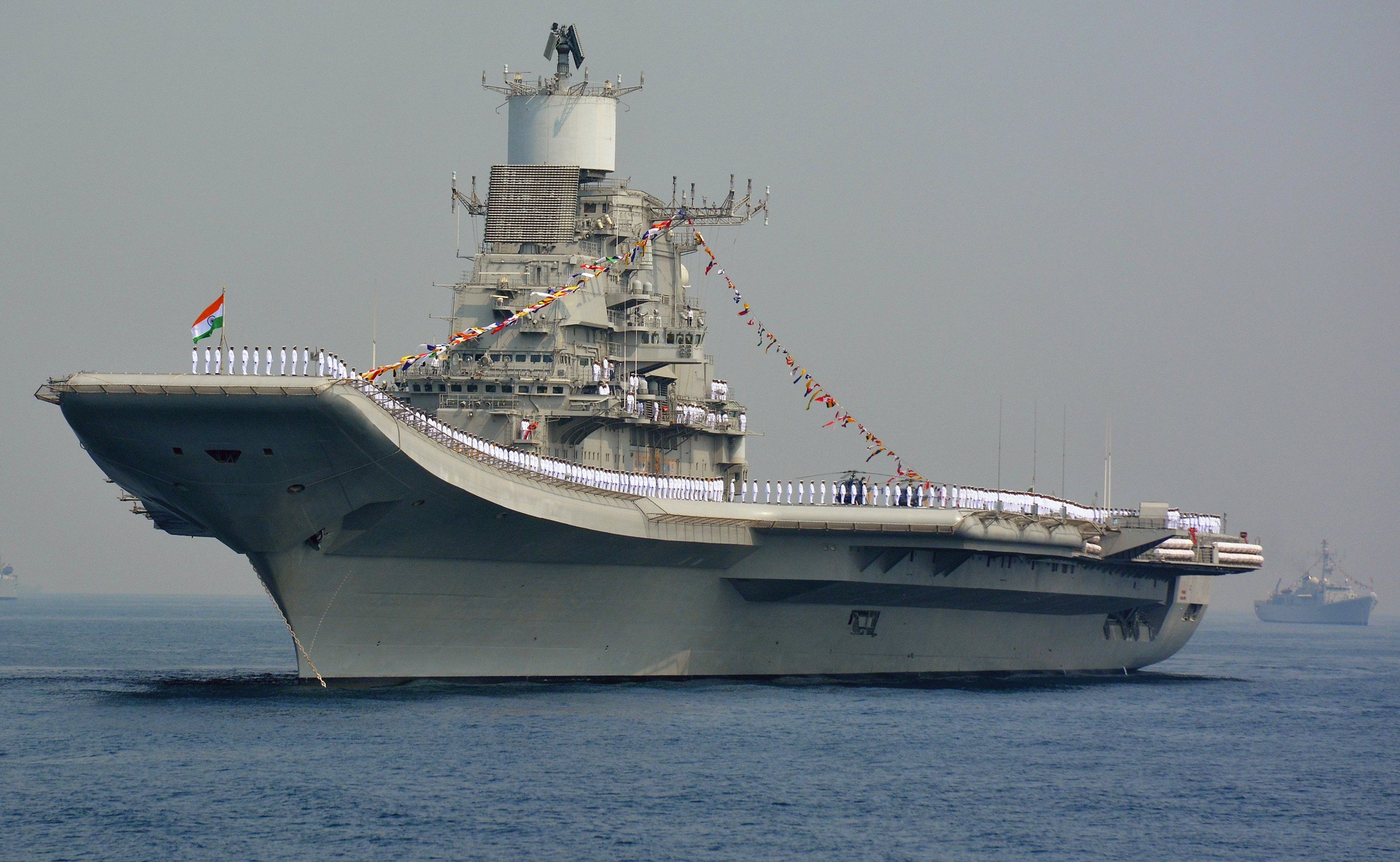
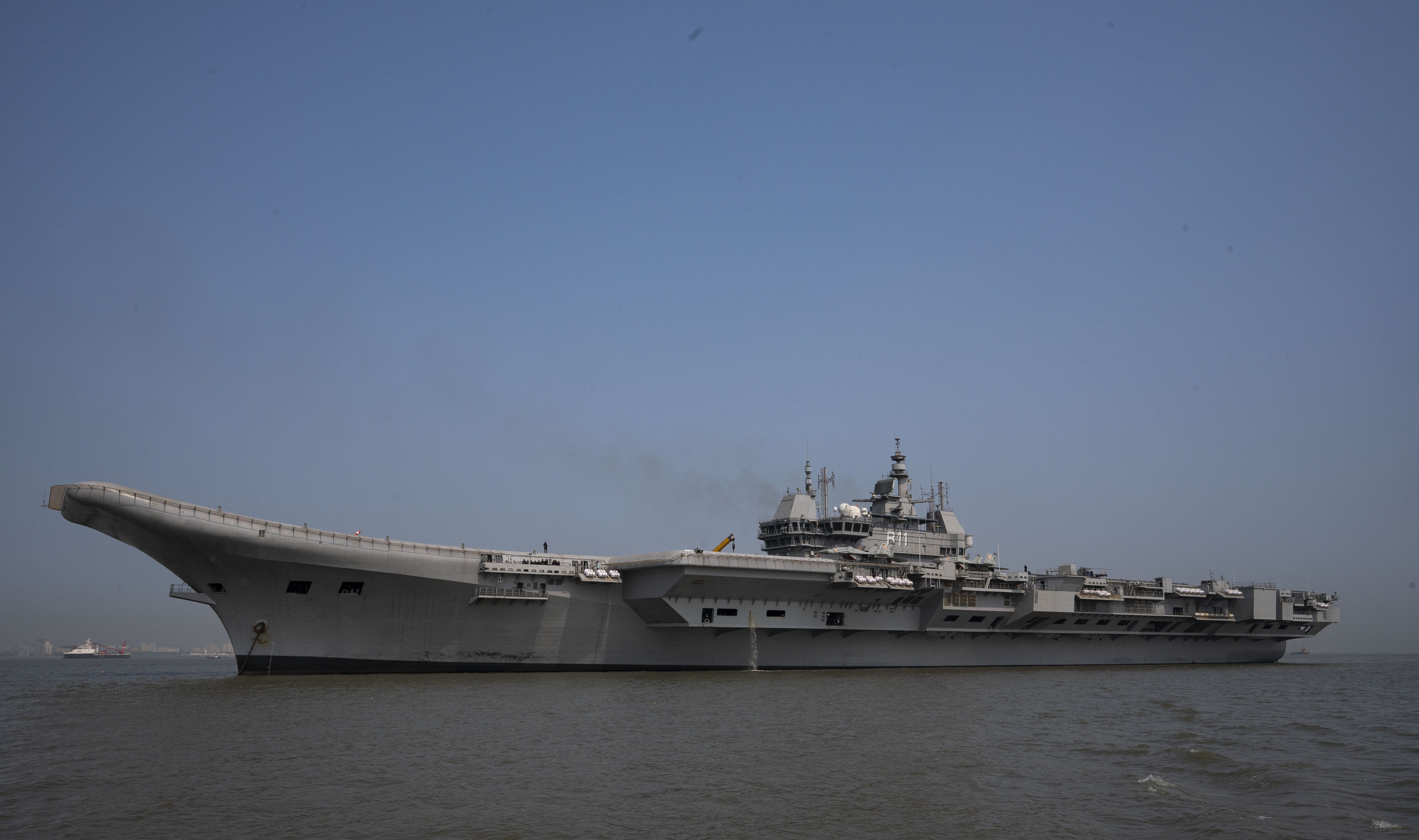
The plan marks a major shift beyond India’s two conventionally powered carriers—INS Vikramaditya and INS Vikrant—by charting a path toward a third vessel, envisioned as INS Vishal or IAC-3, with nuclear propulsion and electromagnetic aircraft launch systems (EMALS).
A step beyond the Soviet Union
The roadmap underscores just how ambitious the program is. The Soviet Union attempted but never completed a nuclear-powered carrier, the Ulyanovsk, before its collapse.
Today, only the United States and France operate nuclear carriers. Adding EMALS technology would place India among the few nations capable of launching heavier fixed-wing aircraft, including airborne early warning planes and unmanned combat drones.
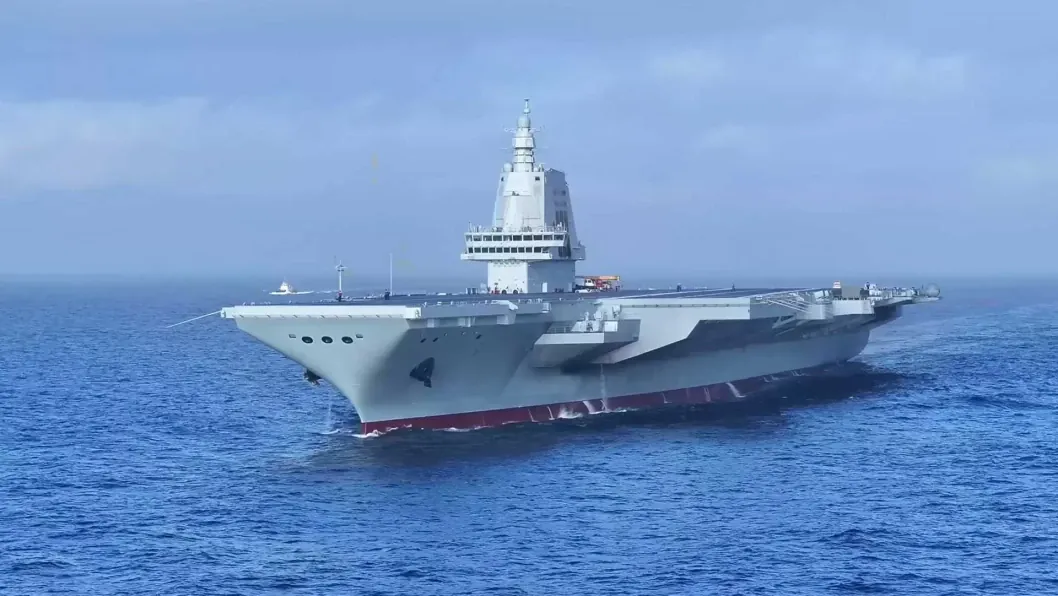
Currently, the only operational carrier with EMALS is the US Navy’s USS Gerald R. Ford. China’s new Fujian is undergoing trials with similar catapults, but it relies on conventional propulsion. India’s plan, by contrast, aims to leapfrog China with a nuclear-powered, catapult-equipped vessel.
INS Vishal—a nuclear flagship for the Indo-Pacific
Planned for construction at Cochin Shipyard Limited, INS Vishal is projected to displace up to 75,000 tons, measure around 300 meters, and operate at 30 knots.
The carrier would embark as many as 55 aircraft, including the future Twin Engine Deck-Based Fighter (TEDBF), helicopters, and unmanned platforms.
Video HD of INS Vikrant the brand new aircraft carrier from India, Its a 45,000 ton warship with +1500 crew .. 🇮🇳🔥 pic.twitter.com/sYccMEqrGk
— 𝐊𝐔𝐍𝐀𝐋 𝐁𝐈𝐒𝐖𝐀𝐒 (@Kunal_Biswas707) August 5, 2021
Nuclear propulsion would give the ship longer endurance at sea, reduce dependence on refueling, and provide the power output necessary for high-energy systems such as EMALS, directed-energy weapons, and next-generation sensors.
Indian defense planners see these as essential for sustained operations in contested waters of the Indo-Pacific, where China’s expanding carrier fleet and Pakistan’s new submarines are reshaping the regional balance.
Fighter aircraft may be the bottleneck
While developing a nuclear propulsion plant for a carrier is daunting, Indian analysts caution that aircraft may prove an even greater hurdle.
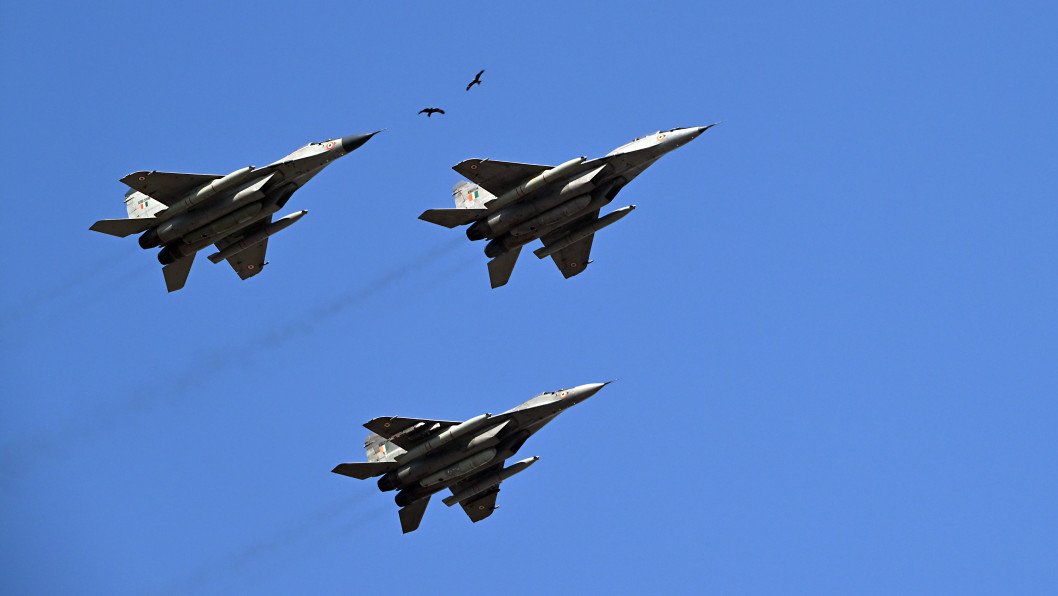
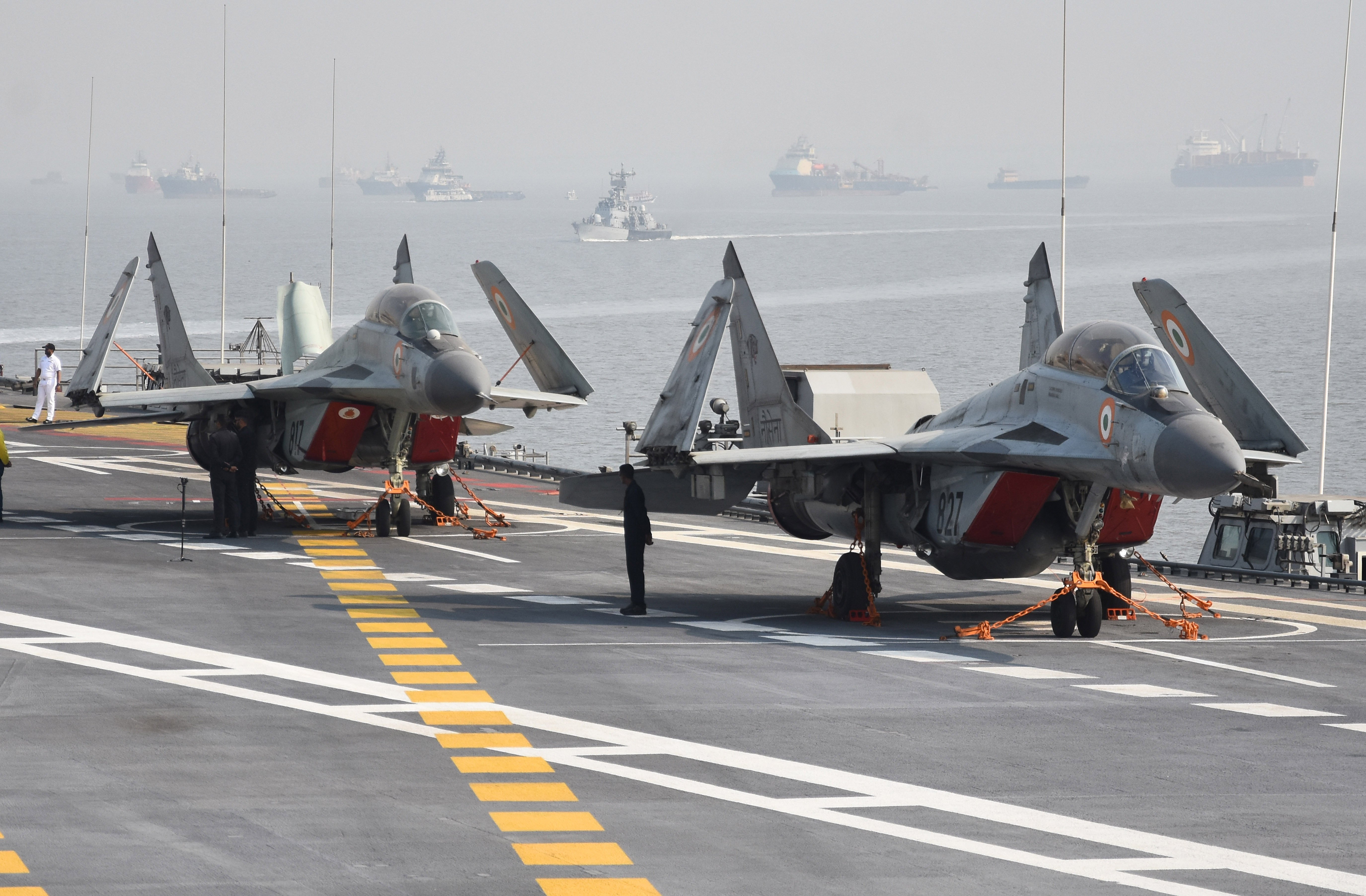
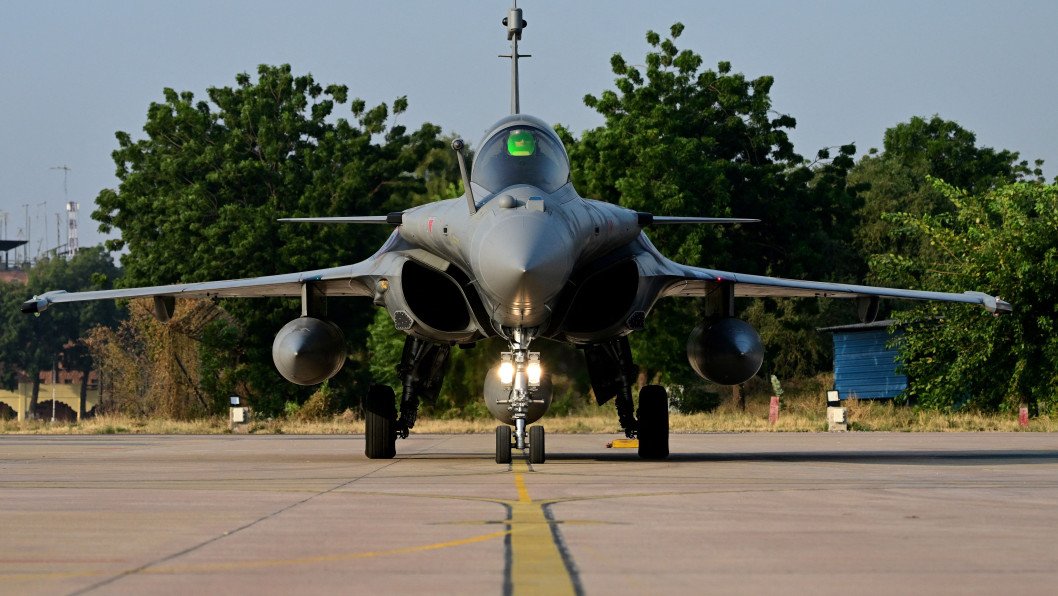
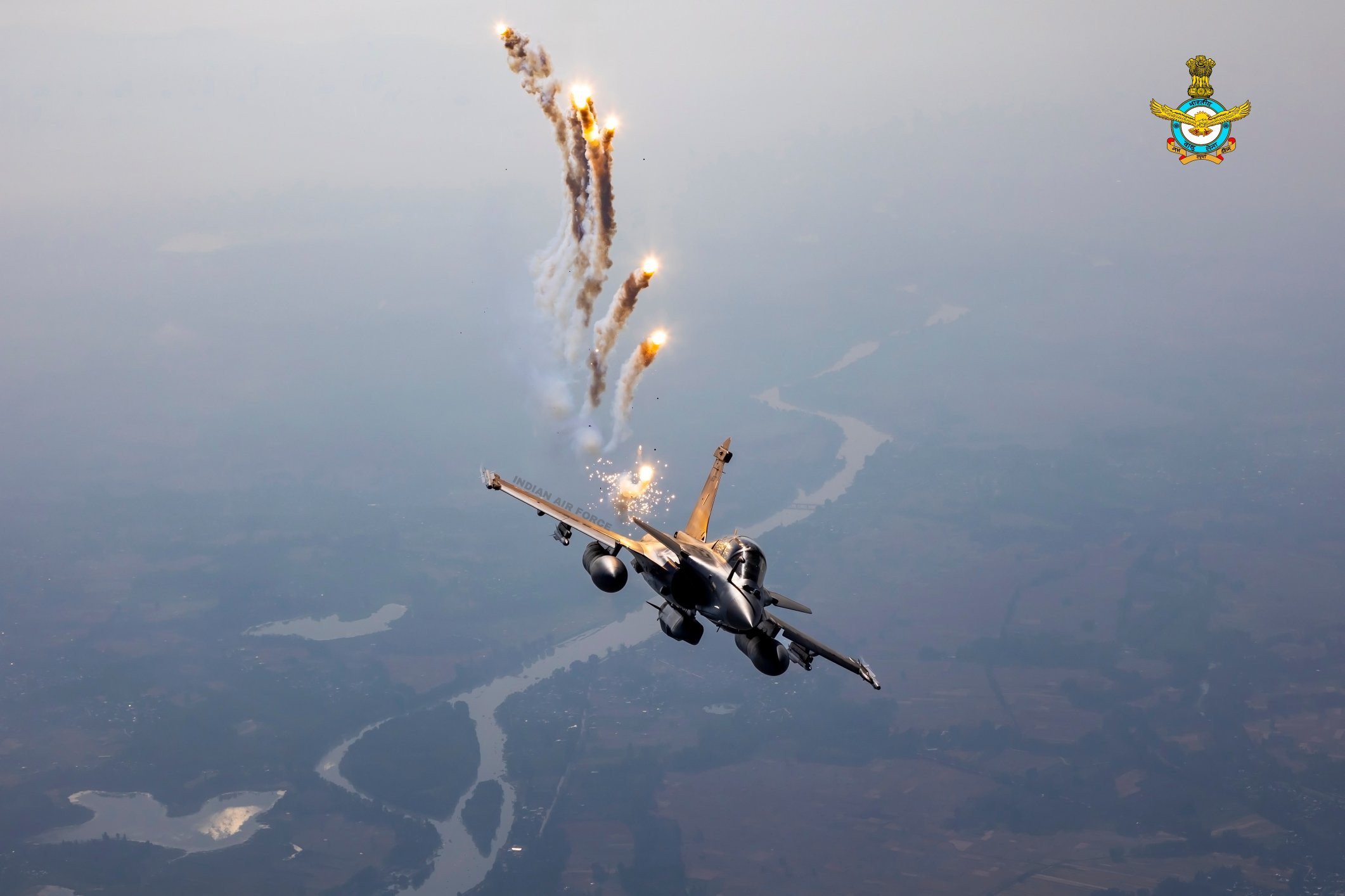
India signed an $8 billion deal in April 2025 for 26 Rafale-Marine jets to replace its aging MiG-29Ks aboard Vikramaditya and Vikrant. But the long-term plan rests on the indigenous TEDBF program, a twin-engine deck-based fighter still under development.

The LCA Navy, though not accepted as a frontline fighter, is being reconsidered as a training aircraft. Unmanned combat drones are also expected to become part of the carrier air wing, making INS Vishal more versatile than its predecessors.
Strategic logic of three carriers
India’s roadmap emphasizes the need for three carriers—two operational at any given time, while one undergoes refit.
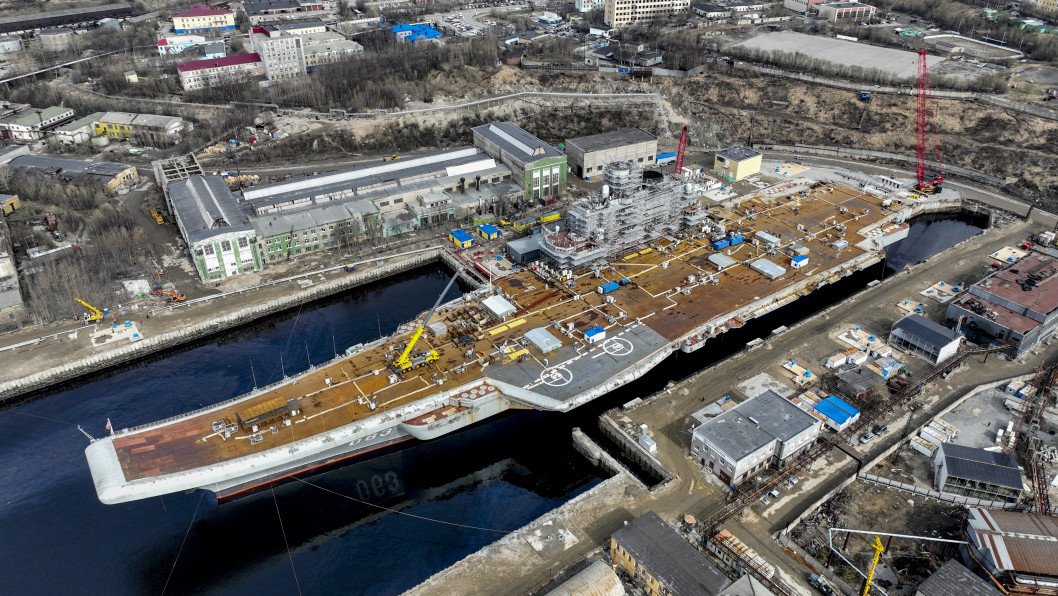
Vikramaditya, acquired from Russia and commissioned in 2013, has already undergone multiple overhauls. Vikrant, commissioned in 2022 as India’s first indigenously built carrier, recently completed trials and will soon host Rafale-M fighters.
With China preparing the Fujian and pursuing nuclear carrier designs, and Pakistan expanding its Hangor-class submarine fleet with Chinese assistance, Indian planners argue that only a nuclear-powered third carrier can guarantee sustained coverage in both the Arabian Sea and Bay of Bengal.
Technology gap and timeline
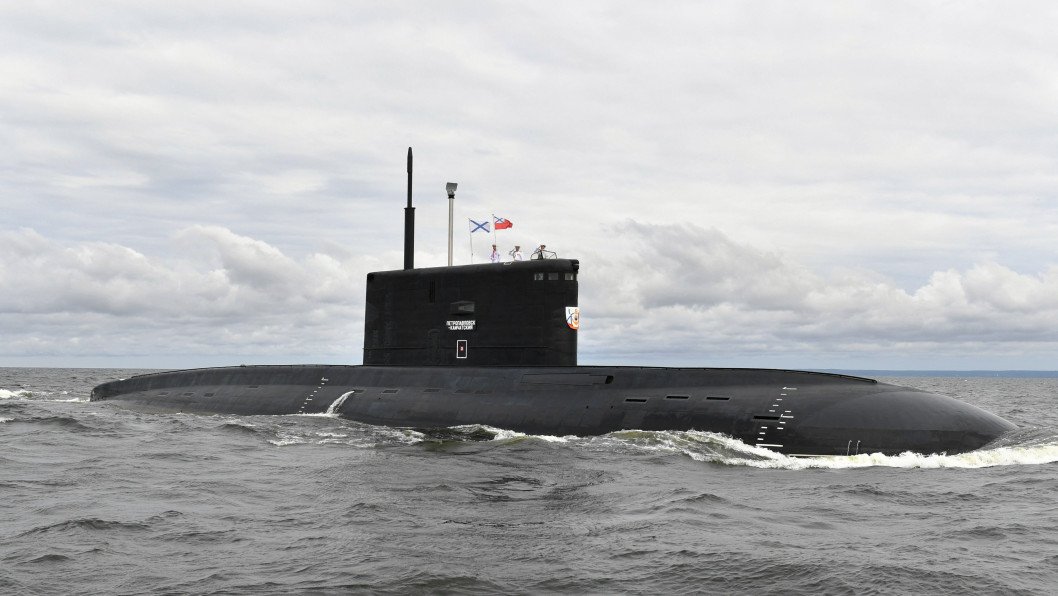
India has experience with nuclear propulsion on its Arihant-class submarines, but scaling reactors from 83 MW to the 500–550 MW required for a carrier remains unresolved.
The Defence Research and Development Organisation (DRDO) and Bhabha Atomic Research Centre (BARC) are debating reactor funding and feasibility, while India also studies advanced gas turbine–based integrated electric propulsion as a possible interim solution.
If fully funded by 2026, construction and integration would push the nuclear carrier’s entry into service into the late 2030s. Until then, India’s naval focus will remain on maximizing the effectiveness of Vikramaditya and Vikrant while building the industrial base needed for nuclear shipbuilding.
By pursuing nuclear propulsion, EMALS, and indigenous fighters in tandem, India is signaling its intent to not only match China’s growing naval power but to surpass it technologically.
The roadmap frames the nuclear-powered carrier not as an isolated project, but as the linchpin of a long-term naval modernization drive aimed squarely at the Indo-Pacific’s contested waters.
Earlier, Russia officially delivered the eighth Project 11356 frigate to the Indian Navy—INS Tamal—despite the vessel being powered by Ukrainian-made gas turbine engines.
Discuss this article:
-6c7b568bf1f65853b7afd9dc1c3ca1fe.jpeg)


-c439b7bd9030ecf9d5a4287dc361ba31.jpg "Photo of Katherina Popilnichenko")