- Category
- Latest news
Iran Just Hit A US F-35 For The First Time—Did Russian Tech Make It Possible?
 Prefer U24 Media on Google
- Authors


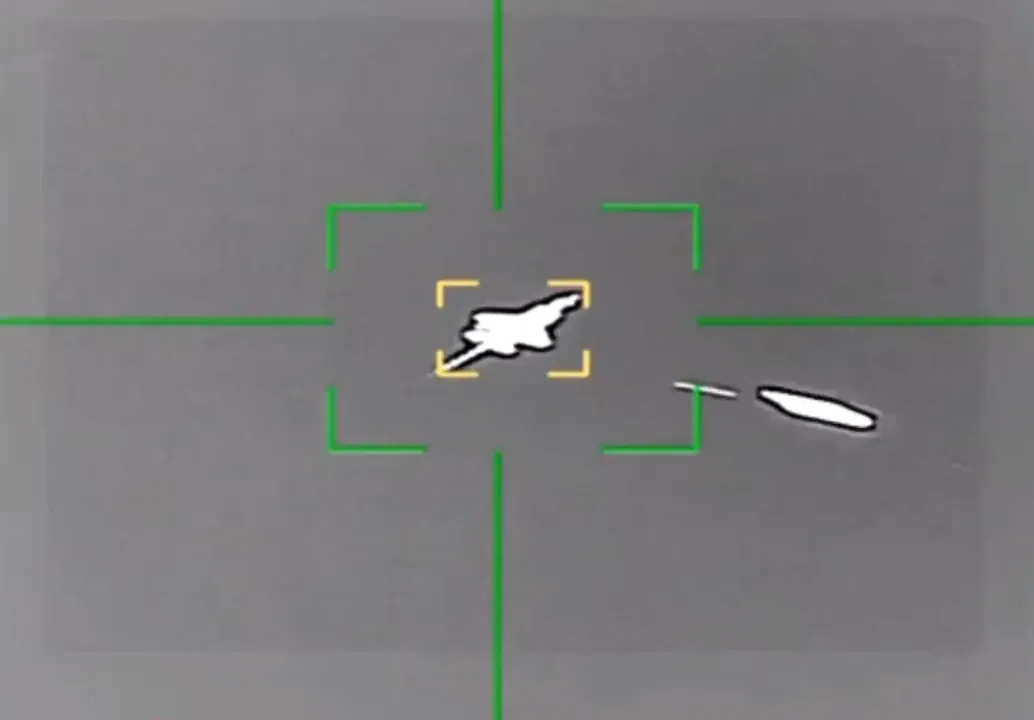
Iranian forces may have successfully struck a US-made F-35 fighter jet, marking what could be the first recorded instance of damage to the fifth-generation aircraft in combat conditions.
We bring you stories from the ground. Your support keeps our team in the field.
According to Defense Express on March 19, the aircraft was reportedly hit by a surface-to-air missile but remained operational and continued flight before making an emergency landing at a US base in the Middle East.
The incident was first indicated by footage released by Iran’s Islamic Revolutionary Guard Corps (IRGC), showing a thermal image of a missile approaching an F-35 and detonating nearby.
Iran just released footage reportedly showing one of its air defense systems successfully hitting an American F-35. pic.twitter.com/lWxzJsw5PN
— OSINTtechnical (@Osinttechnical) March 19, 2026
The publication reports that US officials have not issued an official statement, but several American media outlets, citing unnamed sources, confirmed that the aircraft sustained damage and conducted a forced landing.
According to Defense Express, the key question is which air defense system was capable of engaging the F-35, an aircraft designed to evade radar detection. The report notes that the mere ability to track and engage such a platform suggests that Iran’s air defense network remains operational and capable, at least under certain conditions.
The outlet outlines that only a limited number of systems available to the IRGC could theoretically perform such an interception. Smaller anti-drone missiles, such as the Iranian “358” or “359,” were initially considered due to their known use and adaptable launch interfaces.
However, according to Defense Express, these systems are subsonic, relatively small, and rely on visual guidance—making them unsuitable for intercepting a high-speed jet like the F-35, especially on a head-on trajectory.
BREAKING: Iran’s Islamic Revolutionary Guard Corps (IRGC) says it has shot down an American MQ‑9 Reaper drone over southern Iran, destroying the US UAV using its integrated air defense systems. pic.twitter.com/wj6pCVUyGt
— Intel Net (@IntelNet0) March 1, 2026
Instead, the publication points to larger, faster missile systems as more plausible candidates. Iranian systems such as the Raad and its upgraded variant, Sevom Khordad, are the only likely options within IRGC-controlled arsenals capable of such engagement.
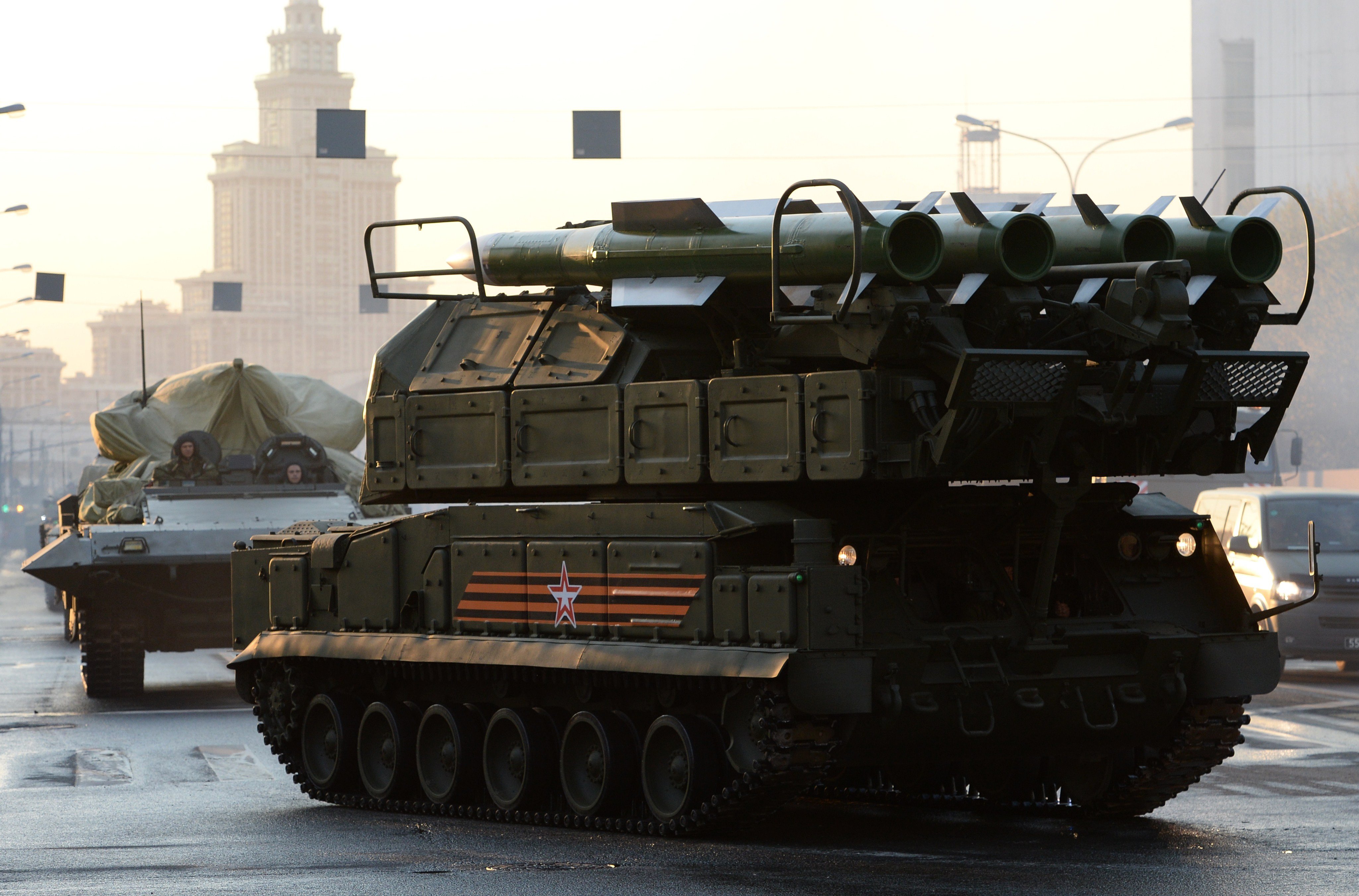
These systems are believed to be derived from or heavily influenced by Russia’s Buk and Buk-M2 air defense platforms.
The report also notes that the missile observed in the footage appears larger and faster than anti-drone systems, further supporting the theory that a medium-range air defense system was used.
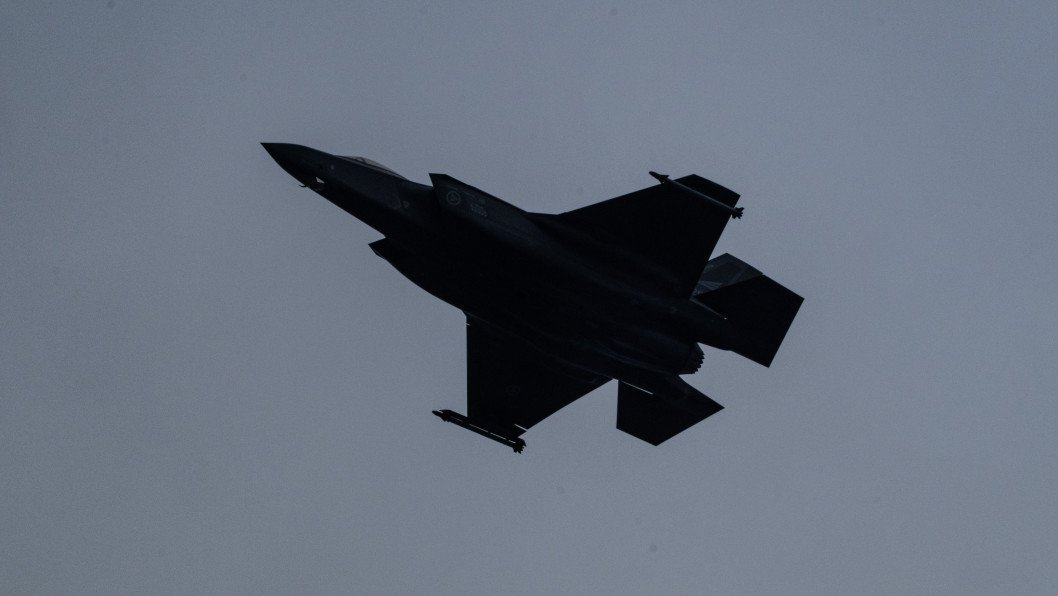
According to Defense Express, if confirmed, this would represent the first known case of an F-35 being successfully engaged and damaged by an air defense system since the aircraft’s introduction in 2006.
The publication also highlights longstanding concerns regarding technological links between Iranian and Russian air defense systems.
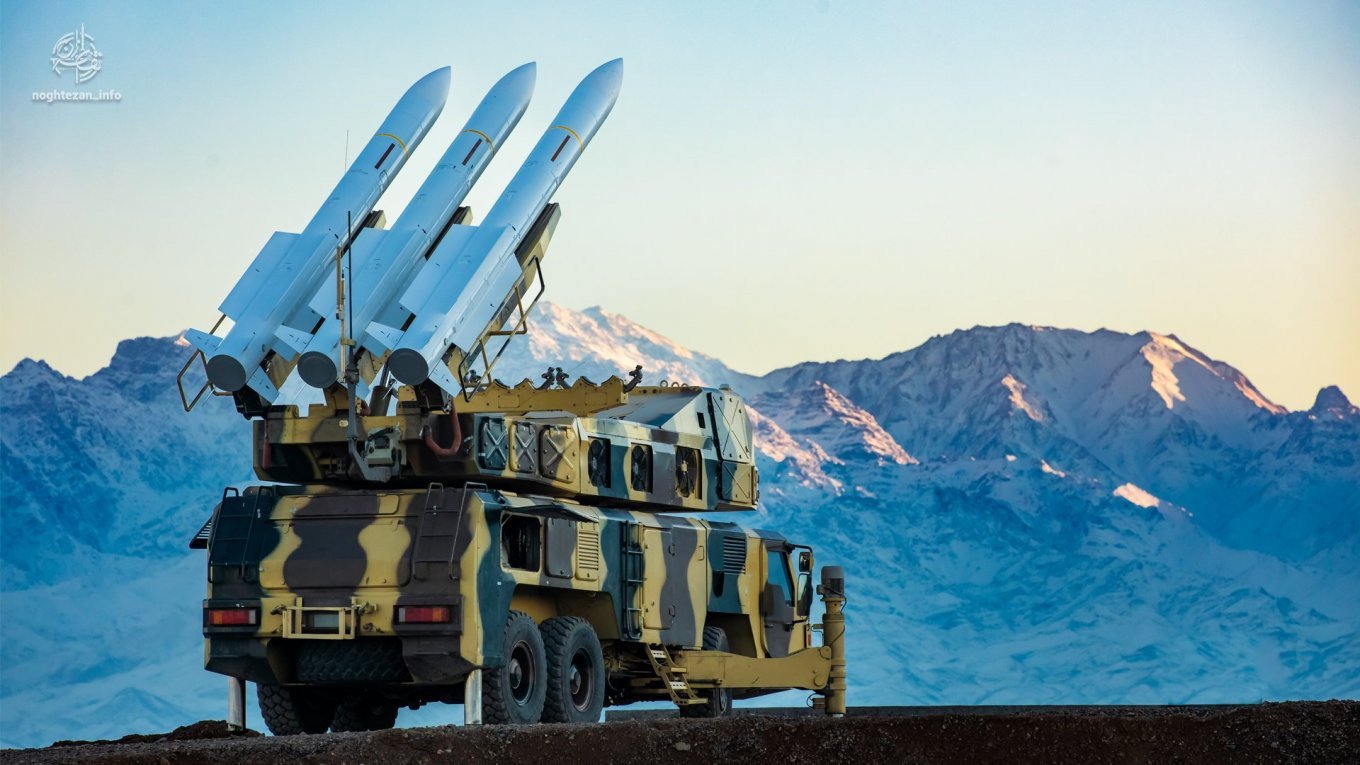
While Moscow has denied transferring such technologies, Defense Express reports that similarities between Iranian systems like Sevom Khordad and Russia’s Buk-M2 continue to fuel speculation about indirect support or shared design lineage.
At the same time, the report emphasizes that other advanced air defense systems capable of engaging high-performance aircraft are operated by Iran’s regular armed forces rather than the IRGC, narrowing the likely source of the launch.
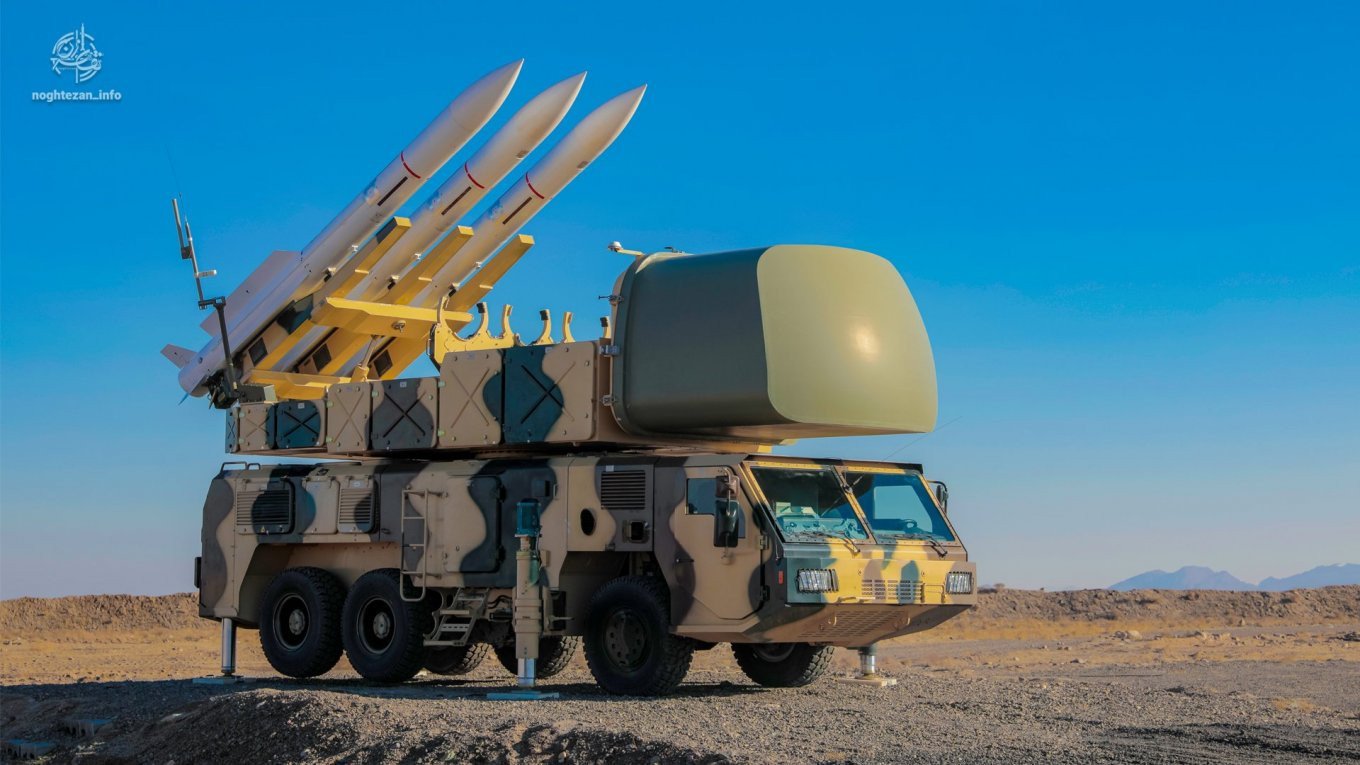
According to Defense Express, further confirmation from US or allied officials will be required to definitively determine both the extent of the damage and the system used in the engagement.
Earlier, China reportedly expanded its military support to Iran by supplying advanced radar systems, including the YLC-8B, capable of detecting and tracking stealth aircraft such as the F-35 at long range.
The reported cooperation also includes increased military transport activity, integration of radar systems into Iran’s air defense network, and broader support in cybersecurity and satellite navigation, including a shift toward China’s BeiDou system to reduce reliance on US GPS.
Discuss this article:
-9a7b3a98ed5c506e0b77a6663f5727c5.png)


-c439b7bd9030ecf9d5a4287dc361ba31.jpg "Photo of Katherina Popilnichenko")