- Category
- Latest news
Iran Masses 20+ Ghadir Subs in Persian Gulf as US Carrier Strike Groups Linger Nearby
 Prefer U24 Media on Google
- Authors

-111f0e5095e02c02446ffed57bfb0ab1.jpeg "Photo of Roman Kohanets")
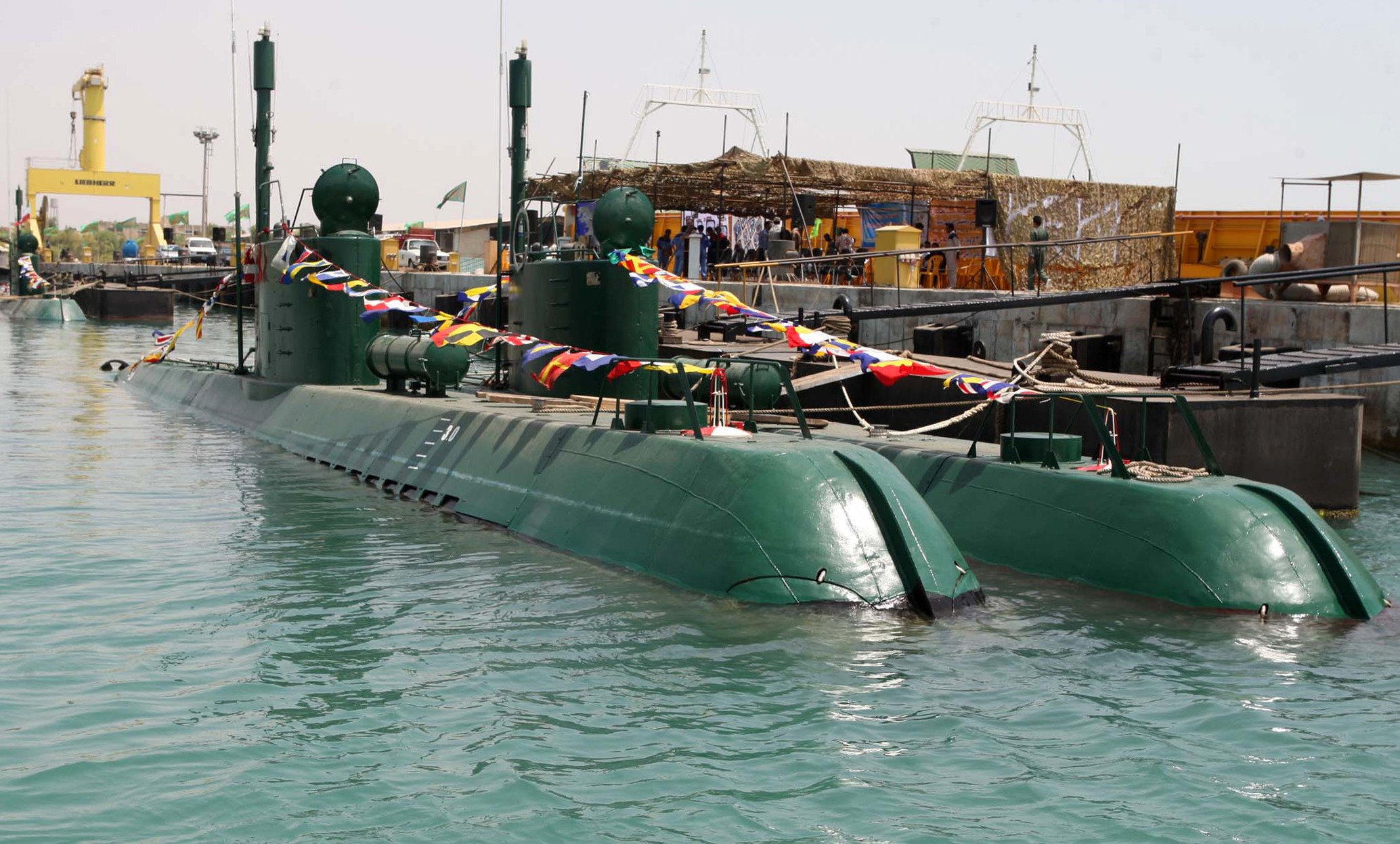
Iran has deployed more than 20 Ghadir-class midget submarines—boats designed for shallow-water ambush in the Persian Gulf—according to Army Recognition on February 18.
The deployment comes as the US has increased its naval and air presence around the Persian Gulf in recent weeks, after President Donald Trump said on January 22 that a US “armada,” including the aircraft carrier USS Abraham Lincoln and guided-missile destroyers, was heading toward Iran.
The outlet said Iran is assessed to field an undersea fleet of roughly 28 to 30 submarines, with the Ghadir-class forming the bulk of its small-submarine force tailored to the Gulf’s constrained, noisy environment of dense shipping, islands, and seabed clutter.
We bring you stories from the ground. Your support keeps our team in the field.
The Ghadir is designed for what amounts to close-in littoral combat. With a displacement of about 117 tons on the surface and 125 tons submerged.
Typical missions include anti-ship attacks, minelaying, reconnaissance, surveillance, and inserting special forces. Iran has produced multiple boats in this class, using them as a key part of a swarm/denial strategy to complicate naval operations near Iranian waters.
Its compact hull suits the Persian Gulf’s shallow waters and uneven seabed, where larger submarines face a higher risk of grounding and where sonar conditions can be unreliable.
🚨🇮🇷🇺🇸🇮🇱Urgent : La marine iranienne a envoyé 10 sous-marins de classe Ghadir armés de torpilles Hoot, ainsi que le navire du 86e groupe et le navire de guerre électronique Zagros, en mer d'Oman et dans le détroit d'Ormuz. pic.twitter.com/UPdGh1auVK
— AES Alerte (@Aesalerte) January 25, 2026
Iran’s strategic rationale is straightforward: the Persian Gulf is not an open-ocean battlespace.
It is a narrow, crowded, and noisy corridor where geography can constrain a superior navy’s movement, and where small undersea platforms can use coastal cover and short engagement distances to position for ambush.
In that environment, the Ghadir’s reported “bottom-resting” tactic is plausible: a diesel-electric midget submarine can go quiet, settle on the seabed, and become difficult to separate from surrounding terrain on sonar.
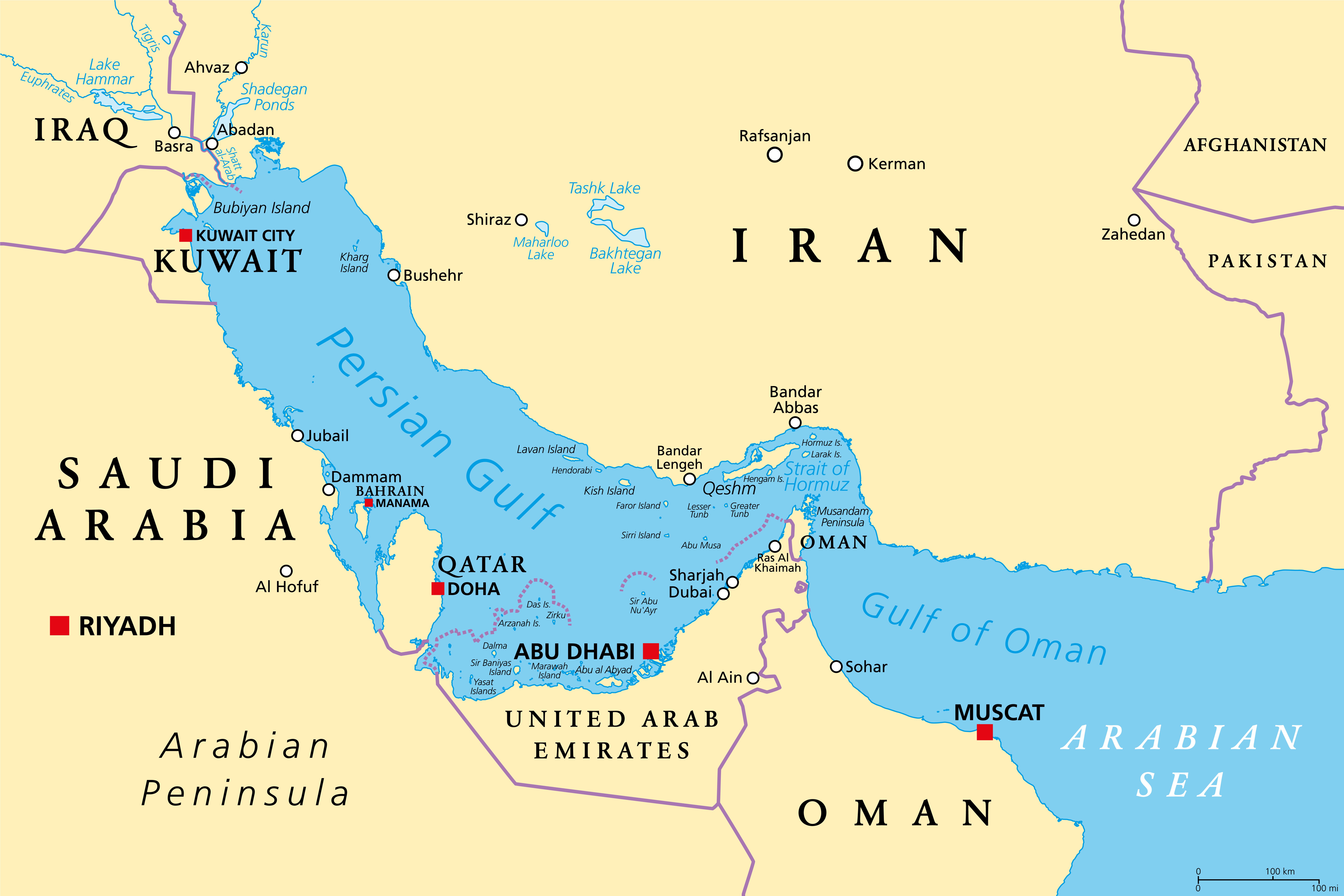
The operational challenge for the US in the Persian Gulf is that shallow-water acoustics and heavy ambient noise can complicate detection and tracking, increasing the demand on carrier escorts and aviation assets such as the US Navy’s MH-60R anti-submarine helicopter.
Earlier, it was reported that a Russian Navy corvette conducted a passing exercise with Iranian naval vessels near the approaches to the Strait of Hormuz after a port call in Bandar Abbas.
Discuss this article:
-4a56a6b482ec132402c16ef6fcabf9a2.png)