- Category
- Latest news
Is Russia Trying to Turn Its Kh-101 Air-Launched Missile Into a Ground Weapon?
 Prefer U24 Media on Google
- Authors


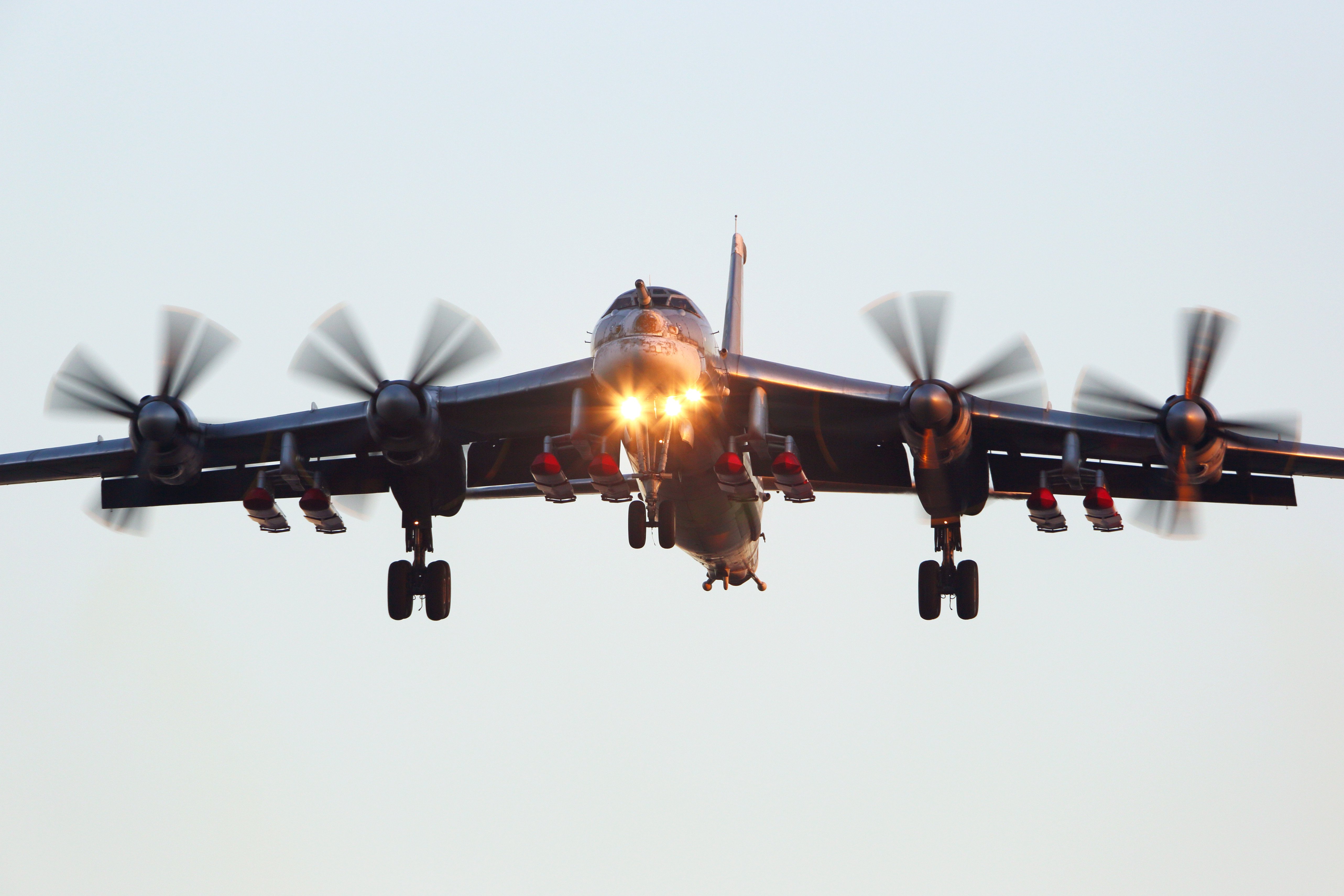
Reports have surfaced suggesting that Russia may be exploring the possibility of launching its Kh-101 air-launched cruise missile from a ground-based platform, but analysts say such a modification would involve significant technical challenges, Defense Express wrote on March 13.
The claim was circulated by the monitoring channel “eRadar,” which alleged that Russia could be developing a ground-launched version of the missile referred to as Kh-101P. The report did not cite a source, and the information remains unconfirmed.
We bring you stories from the ground. Your support keeps our team in the field.
According to Defense Express, the idea may have emerged amid Russia’s ongoing difficulties maintaining its fleet of strategic bombers, particularly Tu-95MS and Tu-160 aircraft, which traditionally serve as the primary launch platforms for the Kh-101.
If such a system were successfully developed, it could theoretically allow Russia to launch the missile without the usual indicators associated with bomber operations—such as aircraft movements between airbases, increased radio activity on combat frequencies, or the takeoff of strategic bombers heading toward launch positions.
Footage of the Kh-101 cruise missile launch from the Tu-95 strategic bomber.
— Massimo Frantarelli (@MrFrantarelli) December 26, 2022
📹Fighterbomber pic.twitter.com/AaqORLvcgq
However, Defense Express notes that verifying the credibility of these claims is currently impossible, although examining the concept from a technical standpoint is still worthwhile.
At first glance, the difference between an air-launched and a ground-launched cruise missile might appear relatively minor. When fired from an aircraft, the missile is released at high speed and altitude, conditions that are already sufficient for the engine to ignite. The missile then deploys its wings and continues flight independently.
WoW! Ukrainian F16 fighter jet Chase a Russian kh 101 air launch cruise missile over western Ukraine. pic.twitter.com/kBVoJD3x1l
— RB. (@rahul4bisht) February 2, 2026
A ground launch, however, is far more complicated. In this scenario, the missile must be accelerated from zero speed and lifted into the air using a solid-fuel booster, which propels it to several hundred kilometers per hour within seconds.
While it might seem straightforward to simply attach such a booster to an existing air-launched missile, Defense Express explains that the engineering reality is far more complex.
Air-launched cruise missiles like the Kh-101 are designed with structural frameworks optimized for a completely different type of stress.
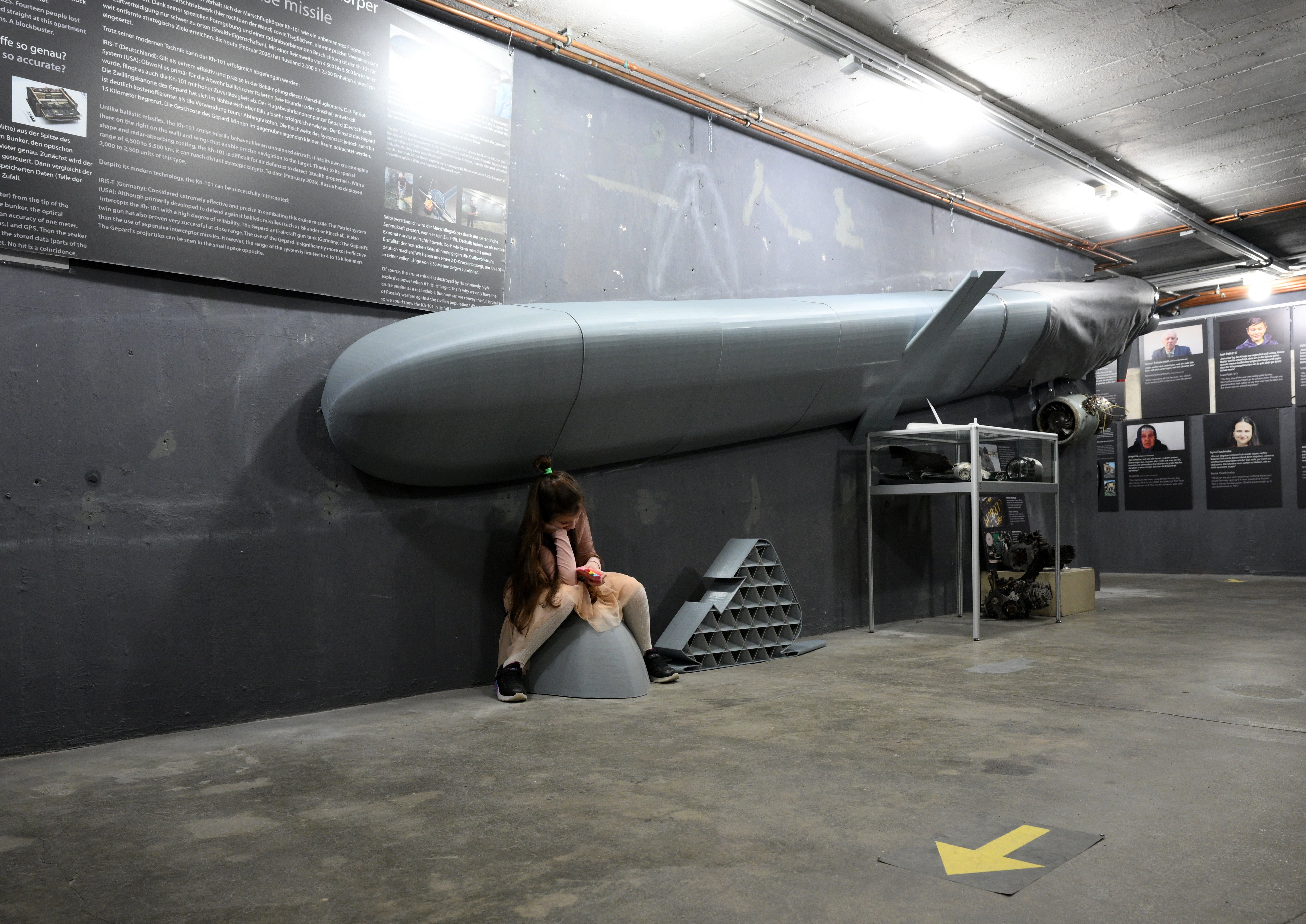
When mounted beneath an aircraft, the missile is suspended at several points along the fuselage and does not experience the intense acceleration forces associated with a ground launch.
A missile designed for ground launch, on the other hand, must withstand the extreme overload created by the booster during initial acceleration.
Defense Express notes that designing a missile from the start as a multi-platform weapon is very different from attempting to retrofit an existing design.
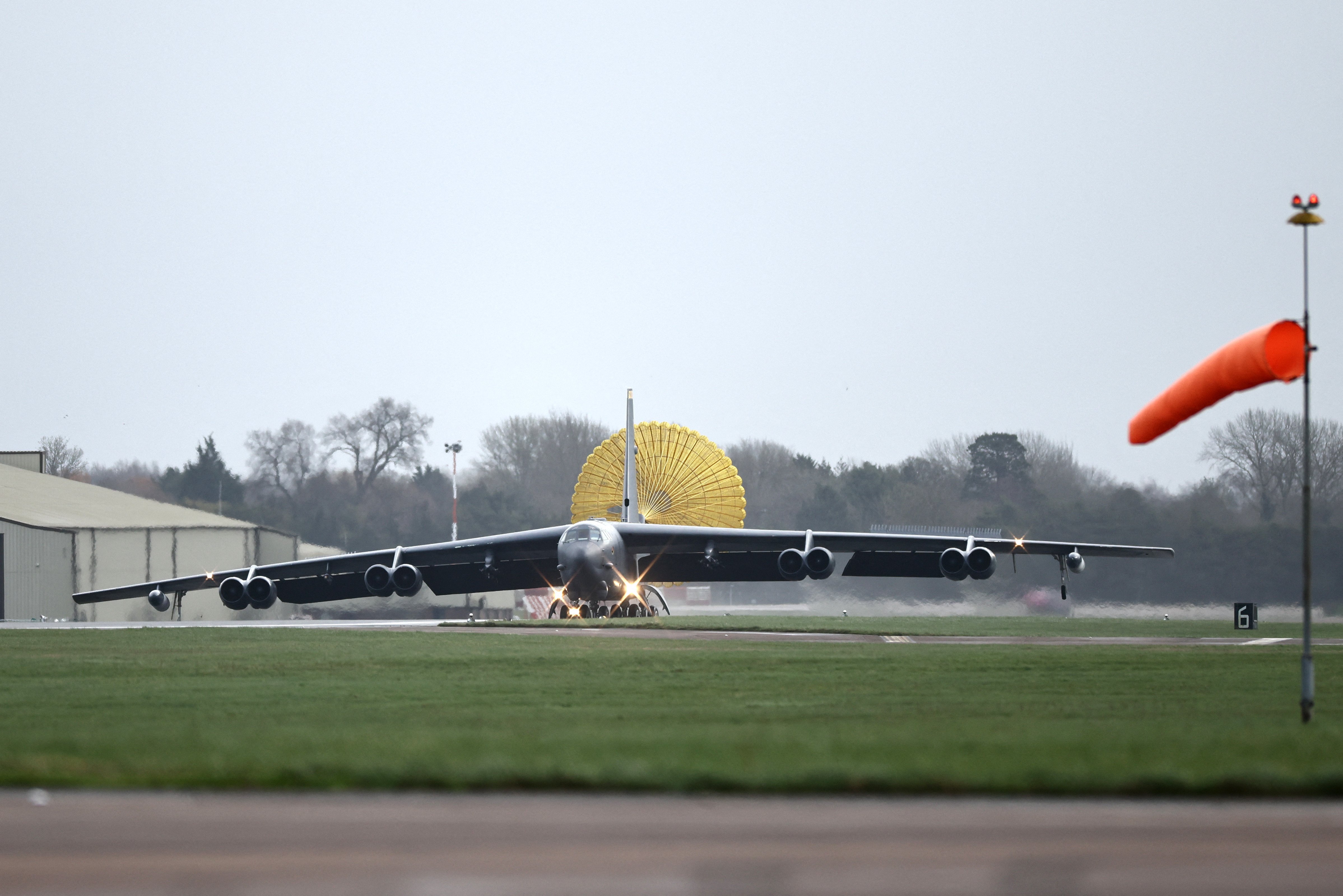
Historical examples illustrate the challenge. The US B-52 strategic bomber, for instance, cannot launch the Tomahawk cruise missile, even though the weapon is widely deployed on ships and submarines.
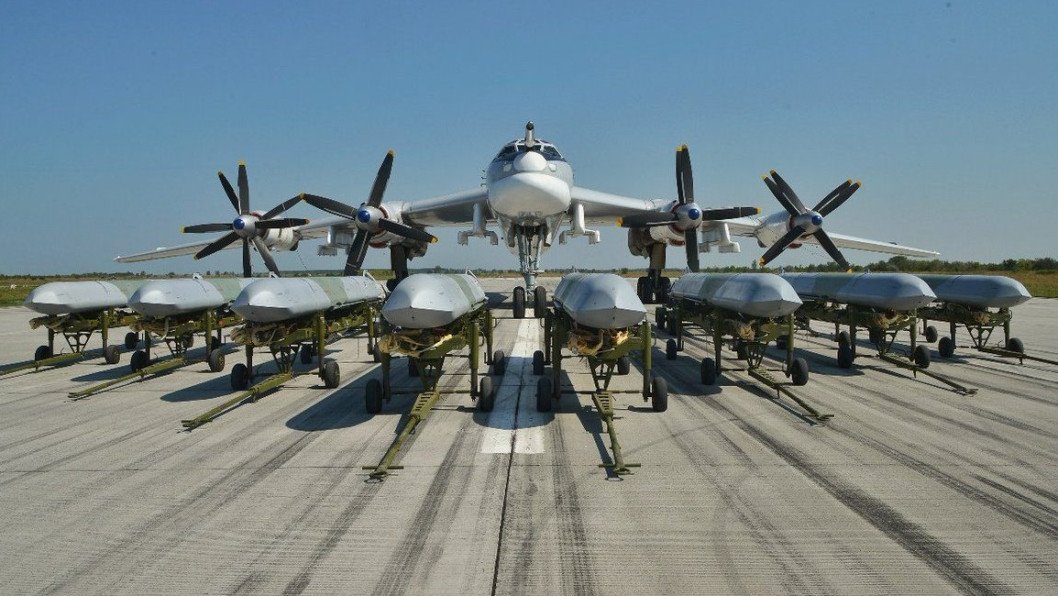
Similarly, Russia’s Tu-95MS bombers do not carry Kalibr cruise missiles, because the air-launched variant of Kalibr was developed separately and never entered mass production.
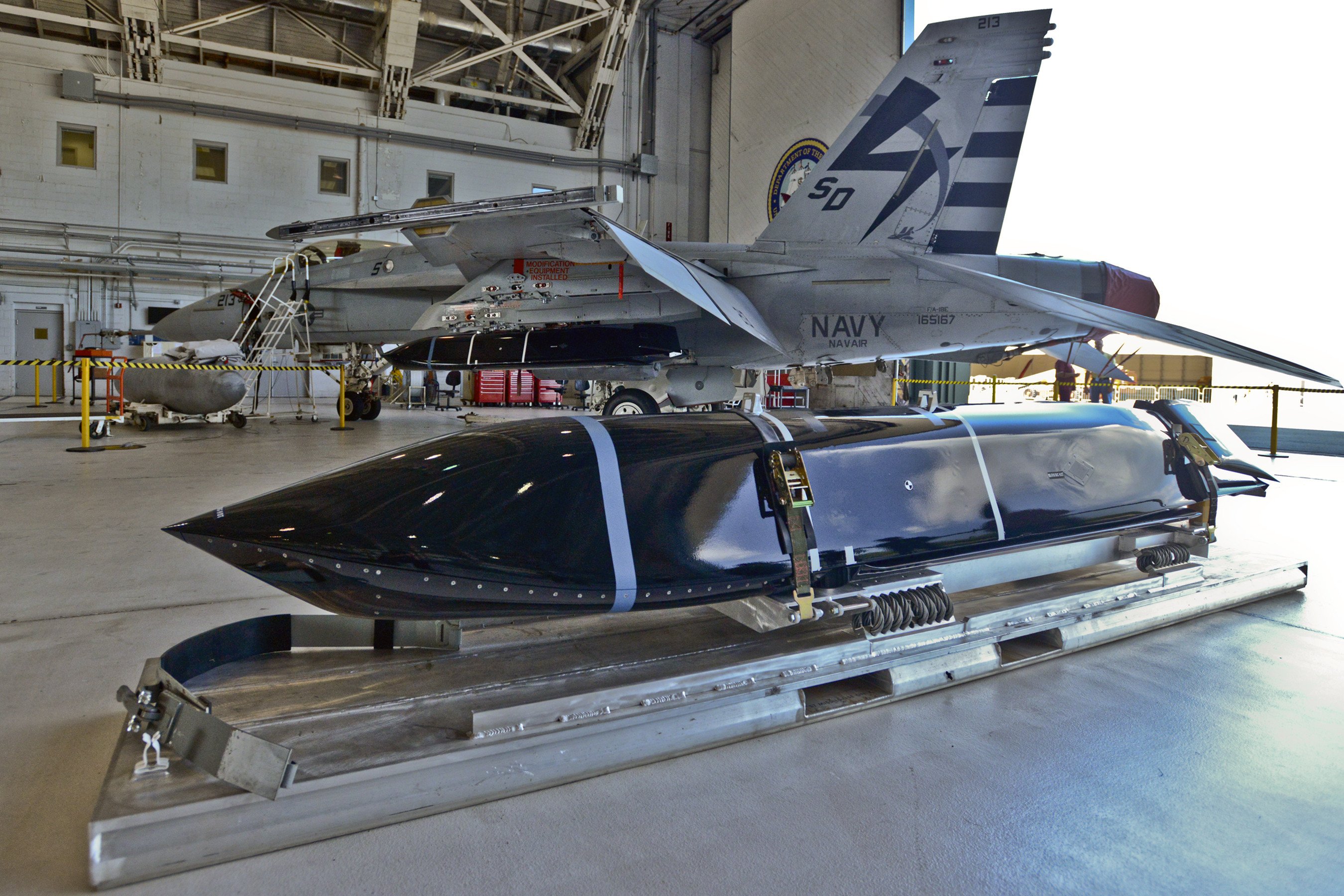
In contrast, some modern weapons are designed from the outset to operate across multiple platforms. One example cited by Defense Express is the US AGM-158C LRASM, which was developed as a universal system capable of launching from aircraft, ships, and ground-based platforms.
Although the missile can technically be launched using a booster from the ground, that configuration has never been ordered.
Even so, Defense Express warns that dismissing the possibility of Russian efforts to adapt the Kh-101 for ground launch would be premature.
The more important question, analysts suggest, is whether Russia would attempt to retrofit existing Kh-101 missiles for ground launch—a technically demanding task—or instead develop an entirely new universal variant designed from the beginning to operate across multiple launch platforms.
If the latter approach were chosen, such a system could take years before reaching production.
Earlier, a time-lapse video recorded from the International Space Station captured a large-scale Russian missile attack on Kyiv, showing both incoming Kh-101 missiles and Ukrainian air defense activity over the capital and surrounding areas.
Discuss this article:
-9a7b3a98ed5c506e0b77a6663f5727c5.png)