- Category
- Culture
Italy Dispatches Inspectors to Probe Venice Biennale Russian Pavilion
- Authors

-72b63a4e0c8c475ad81fe3eed3f63729.jpeg "Photo of Cyril Barabaltchouk")
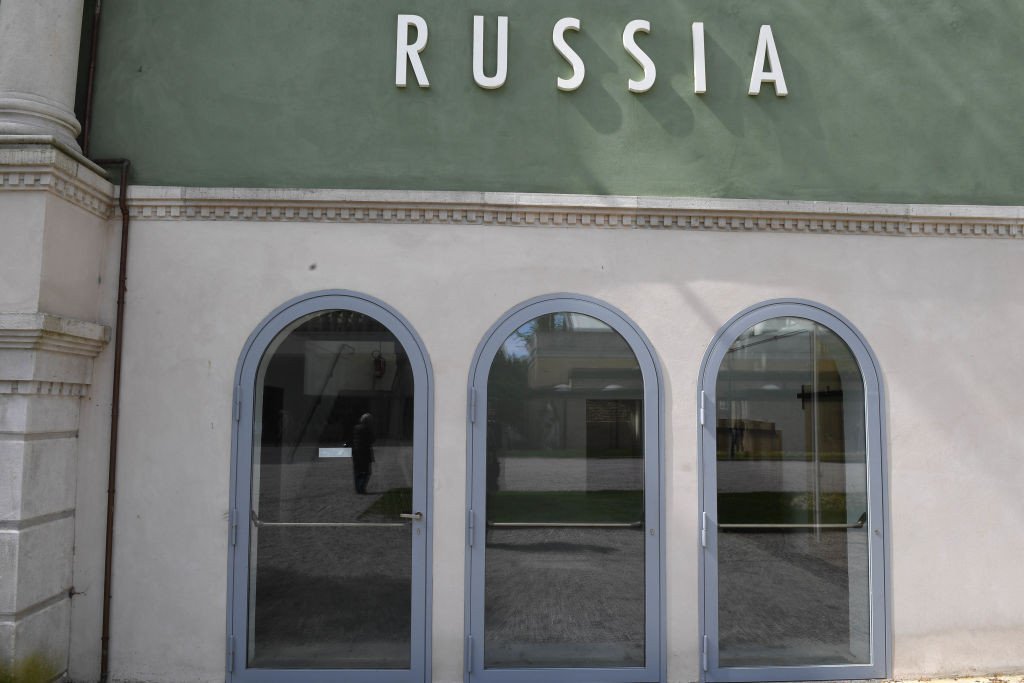
The Italian Culture Ministry has dispatched inspectors to the Venice Biennale to investigate the controversial decision to allow the Russian Pavilion to reopen for the 2026 exhibition, Ansa reported on April 29.
The move follows political pressure and a warning from the European Commission that €2 million ($2.3 million) in European Union funding for the event is now at risk.
We bring you stories from the ground. Your support keeps our team in the field.
The decision is controversial, with critics, such as Italian Culture Minister Alessandro Giuli, arguing that Russia uses cultural events to advance state messaging. The Russian delegates scheduled for the Biennale are individuals with documented ties to the Russian government, military defense corporations, and state media networks, rather than dissidents. Opponents state that allowing these representatives to participate provides Moscow with a European platform that legitimizes its administration during the war against Ukraine.
The jury of the 61st Venice Biennale announced last week that it would exclude both Russia and Israel from competing for the prestigious Golden Lion and Silver Lion awards. The jury motivated the exclusion as a defense of human rights, citing the International Criminal Court arrest warrants issued against Russian leader Vladimir Putin and Israeli Prime Minister Benjamin Netanyahu.
While the Biennale administration defended the jury’s autonomy, it maintained that it could not outright exclude countries formally recognized by the Italian state.
Despite the official stance of the Biennale, internal compromises have restricted Russia’s participation, marking its first appearance since the 2022 full-scale invasion of Ukraine. Recent communications between the event’s management and Russian Pavilion organizers reveal that the exhibit will only be accessible during the pre-opening days from May 5 to May 8, strictly for industry insiders.
Following this preview period, the physical pavilion will close to the general public for the remainder of the event, with the performance only available through digital documentation, Exibart reported.
-18cac287c831fb316cb9444a40df5889.jpg)
The situation has also triggered a diplomatic backlash from the Israeli government, which condemned the jury’s decision as a boycott and accused the members of transforming a free artistic space into an anti-Israeli political indoctrination show. Belu-Simion Fainaru, the artist chosen to represent Israel, heavily criticized the jurors for overstepping their mandate and creating a hostile and degrading environment while allegedly ignoring human rights violations by other participating nations.
The tensions have caused a clear rift between the artistic and political spheres overseeing the event. In a display of disagreement with the Biennale leadership, Italian Culture Minister Alessandro Giuli, who previously called for the revocation of the Russian invitation, announced he will boycott the pre-opening days and the official inauguration ceremony scheduled for May 9, according to Exibart.
The diplomatic backlash surrounding the 2026 Venice Biennale extends across Europe. Latvian Minister of Culture Agnese Lāce had previously announced she would boycott the May 9 opening ceremony if Russia is allowed to participate, representing a collective stance shared by 25 European nations.
The Latvian Ministry of Culture argued that inclusion grants Moscow legitimacy through a European-funded cultural platform, citing the Russian pavilion’s direct ties to Kremlin structures. In response to these concerns, 37 Members of the European Parliament formally urged the European Union to suspend its estimated two million euros in funding for the event and called for potential sanctions against individuals linked to the Russian exhibit.
Discuss this article:


-8efbefc45fbc75d853543573fabeeae8.jpg "Latvia to Skip Venice Biennale Opening if Russia is Allowed to Participate")