- Category
- Latest news
Japan Just Changed the Game With New Long-Range Missiles—China and Russia Are Watching
 Prefer U24 Media on Google
- Authors


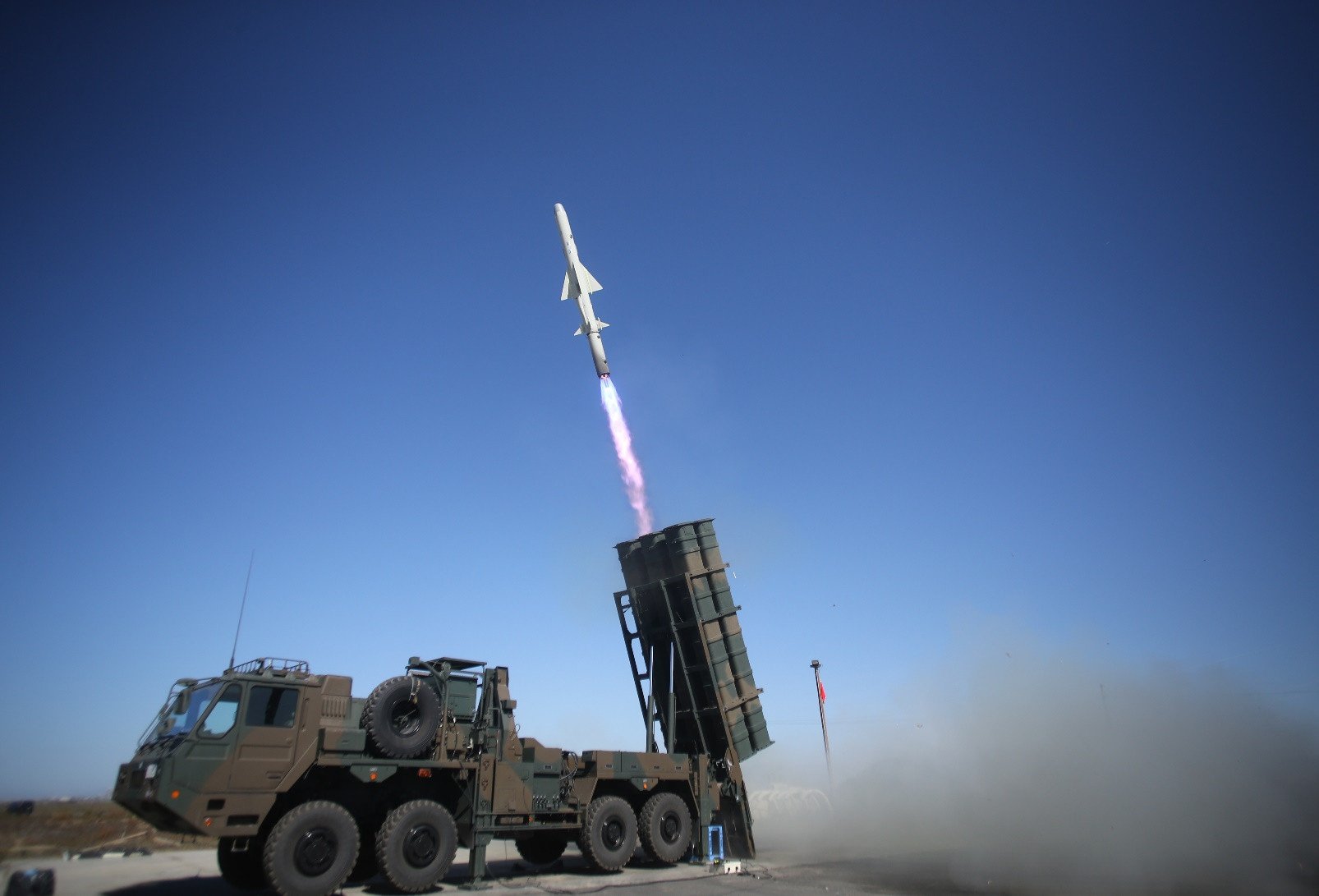
Japan has officially deployed its first domestically developed stand-off missiles, marking a major shift in its military posture as tensions with China and regional threats continue to grow.
The Japan Ground Self-Defense Force (JGSDF) confirmed on March 31 that it has begun operational fielding of two new systems: the Type-25 surface-to-ship missile and the Type-25 high-speed gliding projectile. Both weapons represent the country’s first indigenous stand-off strike capability to be deployed to active units.
We bring you stories from the ground. Your support keeps our team in the field.
Previously developed under different designations, the systems have now completed testing and entered service, signaling Japan’s move toward longer-range and more proactive defense measures.
“Based on the severe security environment surrounding our country, the Ground Self-Defense Force has been working to build stand-off defense capabilities,” the JGSDF said. “These systems have now been officially designated and deployed for the first time as Japan’s first domestically produced stand-off missiles.”
The deployment comes as Japan faces what its Defense Ministry describes as a rapidly worsening security environment, shaped in large part by China’s expanding military activity near Japanese territory and around Taiwan.
In response to the increasingly severe security environment surrounding Japan, the Ground Self
— Japan Ministry of Defense/JGSDF (@Japan_GSDF) March 31, 2026
Defense Force is engaged in the development of stand-off defense capabilities.
Today, the “Type-12 Surface-to-Ship Guided Missile (surface-launched variants)” and the “Hyper Velocity… pic.twitter.com/rvxH7axk1R
In recent years, Chinese forces have increased operations in the East China Sea and near Japan’s southwestern island chain, raising concerns in Tokyo about potential flashpoints and response timelines.
At the same time, North Korea continues to advance its missile programs, adding another layer of pressure to Japan’s security calculus.
The Type-25 surface-to-ship missile, deployed to Camp Kengun in Kumamoto, provides Japan with a land-based strike option capable of hitting targets at distances of roughly 1,000 kilometers.
🇦🇺 🚀 🇯🇵
— Defence Australia (@DefenceAust) July 25, 2025
The @Japan_GSDF conducted a Type-12 surface-to-ship missile live-fire exercise at 📍 Beecroft Weapons Range, Jervis Bay, NSW.
Surface-to-Ship missiles were launched from a truck-mounted JGSDF Coastal Defence Battery, engaging with a floating maritime target located… pic.twitter.com/4EgjmMAr00
That range allows Japanese forces to engage hostile naval assets or fixed positions well beyond immediate threat zones, significantly expanding operational reach.
The Type-25 high-speed gliding projectile, stationed at Camp Fuji near Gotemba, introduces a different capability. Designed to travel at supersonic speeds along unpredictable flight paths, it is intended to complicate interception by enemy air and missile defense systems.
Together, the two systems form the backbone of a new layered strike architecture that enhances both deterrence and response options.
Japan’s evolving stand-off capability is not limited to ground-based systems.
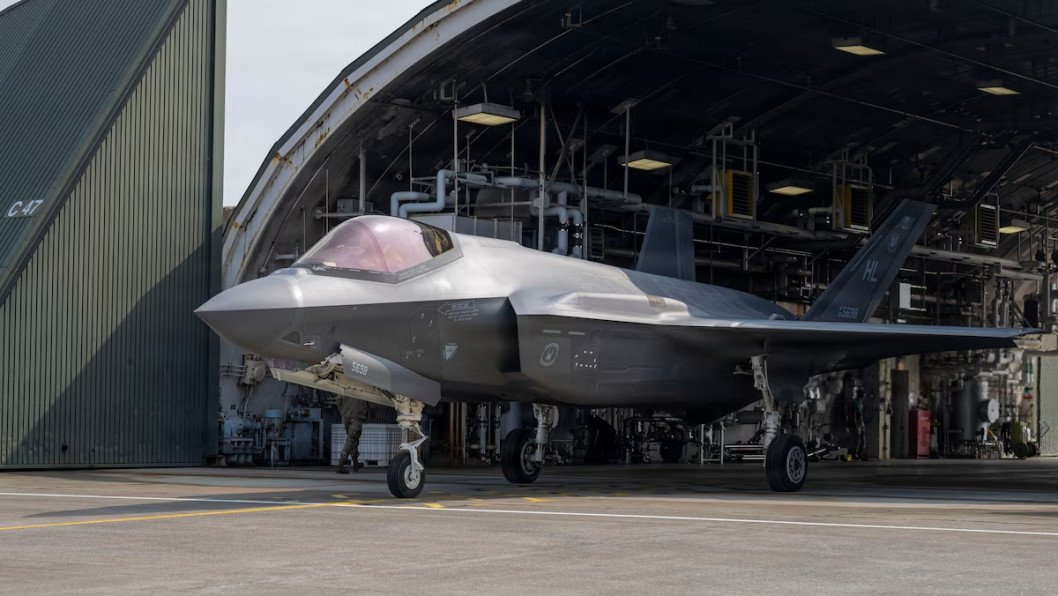
The new missiles are being integrated into a broader framework that includes destroyers capable of launching Tomahawk cruise missiles, as well as future ship- and air-launched variants expected to enter service later this decade.
This approach gives Japan multiple options for striking distant targets, improving flexibility in both defensive and retaliatory scenarios.
The deployment is closely tied to Japan’s 2022 National Security Strategy, which formally opened the door to counterstrike capabilities—an important shift for a country that has long maintained a strictly defense-oriented military posture.
By fielding long-range strike systems, Japan is signaling its intent to deter potential adversaries by holding key assets at risk, including missile launch sites, naval forces, and supporting infrastructure.
Japanese Maritime Self-Defense Force Kongo-class guided missile destroyer JS Chokai (DDG-176) coming into San Diego for a year-long deployment to receive modifications and training to operate U.S. made Tomahawk cruise missiles - October 15, 2025
— WarshipCam (@WarshipCam) October 16, 2025
SRC: TW-@cjr1321 pic.twitter.com/mJ1CrPgGHI
The operational range of the new systems has significant geopolitical implications.
From current deployment locations, the missiles could cover large portions of the East China Sea, reach areas along China’s coastline, and place nearly all of North Korea within range.
In practical terms, that means Japan is no longer limited to intercepting threats—it is building the ability to respond at distance, shaping the strategic balance in Northeast Asia.
Earlier, Japan scrambled fighter jets after detecting a Chinese military aircraft operating over the East China Sea, with early assessments suggesting the platform may be a new or modified submarine-hunting variant.
Air Self-Defense Forces’ response was triggered after a Chinese patrol aircraft was spotted flying southwest of Okinawa on March 28.
Discuss this article:
-4a56a6b482ec132402c16ef6fcabf9a2.png)


-c439b7bd9030ecf9d5a4287dc361ba31.jpg "Photo of Katherina Popilnichenko")