- Category
- Latest news
Lithuania Secures Spike LR2, NATO’s Most Advanced Anti-Tank Weapons, to Counter Russian Tanks
 Prefer U24 Media on Google
- Authors


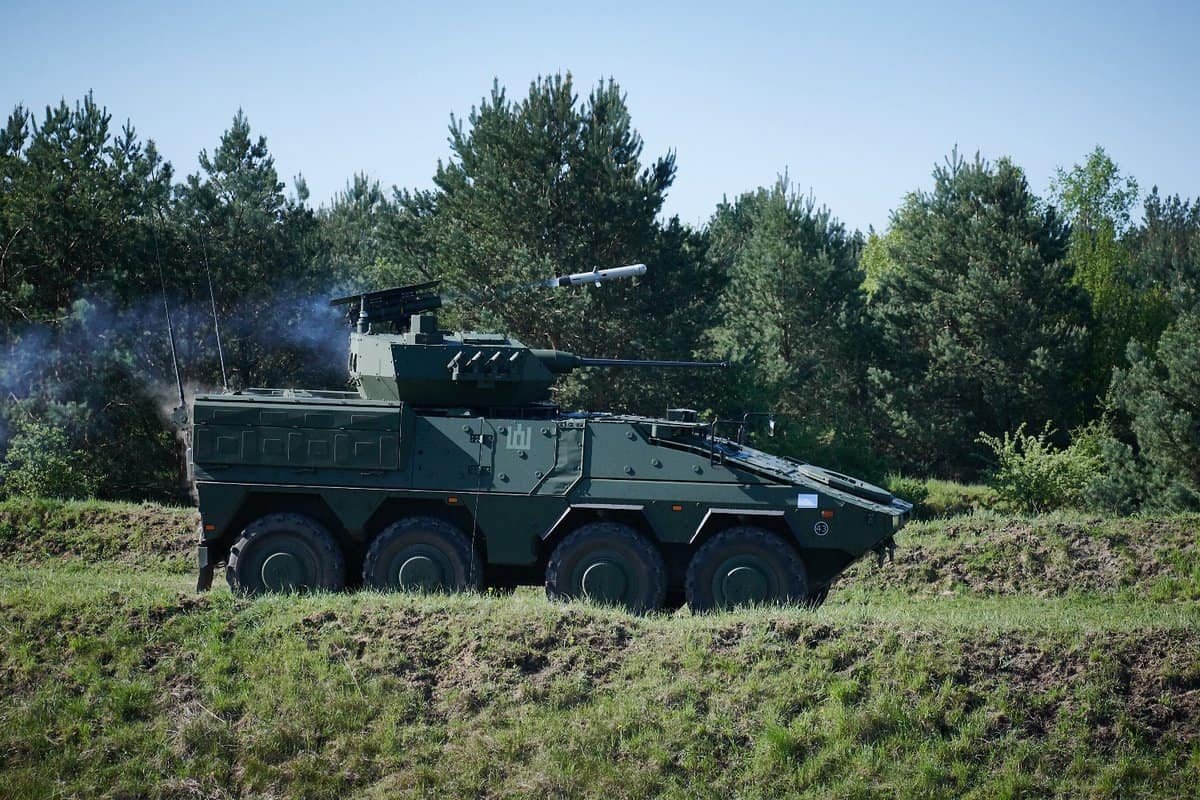
Lithuania has strengthened its defenses with the arrival of a new batch of Israeli-made Spike LR2 anti-tank guided missiles, valued at €6 million ($6.6 million), Lithuanian outlet LRT confirmed, citing the country’s Ministry of Defense on August 19.
The missiles, delivered as part of long-term modernization efforts, are now integrated into Vilkas infantry fighting vehicles (IFVs)—Lithuania’s localized variant of the German Boxer platform.
Defense officials say the delivery reflects not only a routine arms purchase but a deliberate step to bolster deterrence at NATO’s eastern flank.
“By equipping our forces with advanced anti-armor capabilities, Lithuania demonstrates its readiness to defend its sovereignty and contribute to NATO’s collective defense,” the ministry noted.
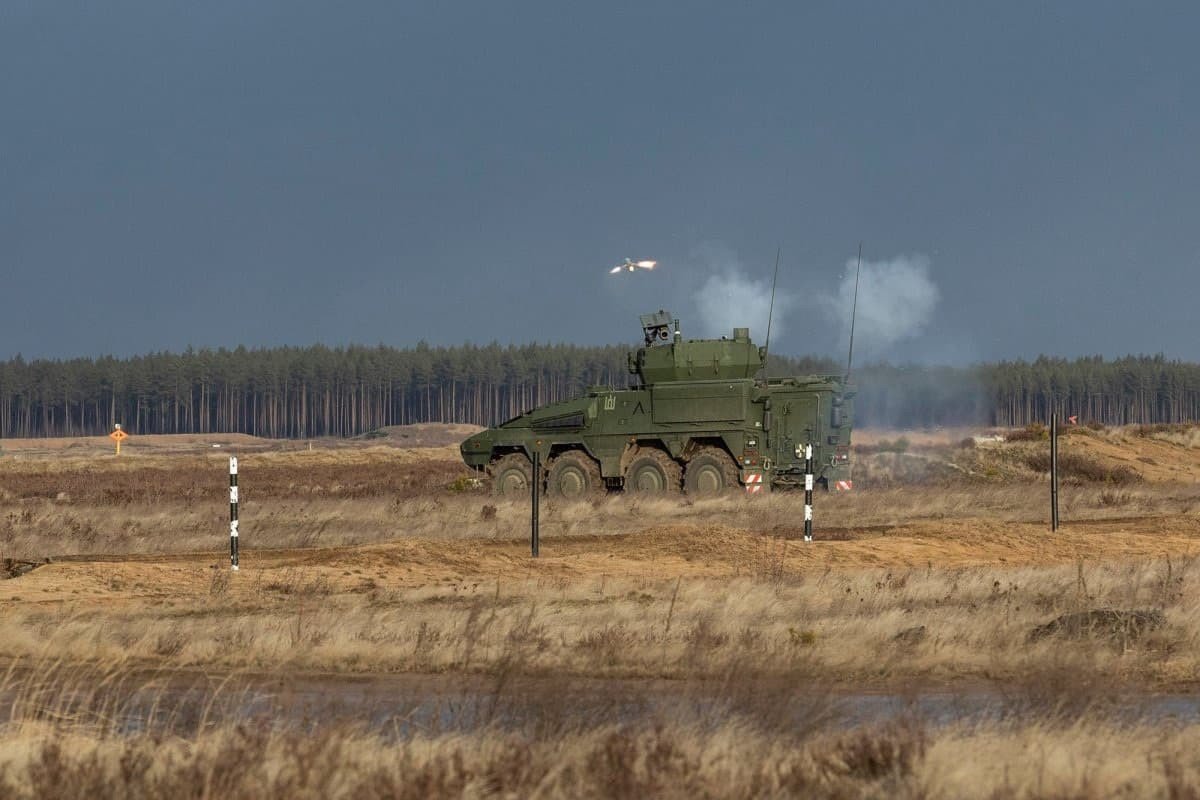
The Spike LR2, developed by Israel’s Rafael Advanced Defense Systems, is one of the most advanced anti-tank weapons in NATO service.
Featuring tandem warheads and fire-and-forget guidance, it is capable of piercing advanced Russian armor, including reactive and composite plating, at ranges of more than 5.5 kilometers.
Military analysts often describe it as a “sledgehammer against armored targets,” giving Lithuania’s mechanized brigades a decisive edge against Russian formations stationed in Kaliningrad and Belarus.
Lithuania has already integrated Spike launchers into its Vilkas IFVs, which are equipped with Israeli turrets. These vehicles form the backbone of Lithuania’s mechanized forces and represent a critical counterweight to Russian heavy armor concentrated along NATO’s northeastern frontier.

The system also compares favorably to other NATO-standard anti-tank systems such as the US-made Javelin and France’s MMP. Its lock-on-after-launch capability and versatile targeting options allow commanders to engage threats with more flexibility and greater precision.
Financially, the €6 million purchase is part of Lithuania’s steadily rising defense budget, which now exceeds 2% of GDP in line with NATO commitments. Earlier defense talks with Israeli partners included the possibility of launching local missile production—a move that would strengthen Lithuania’s defense industry and reduce dependence on external supply chains.
Lithuania has also invested heavily in complementary capabilities, including 120mm ammunition, drones, and counter-drone systems, signaling its ambition to build a resilient, self-sustaining defense industrial base.
Earlier, reports emerged that Lithuania would strengthen protection of its state border ahead of the joint Russian-Belarusian military exercises “Zapad-2025.”
Discuss this article:


-32d15505fc2972c43cc64011a4cf60cd.jpg "Sir Paul McCartney performs during a concert at Estadio BBVA on November 8, 2024 in Monterrey, Mexico. (Source: Getty Images)")


-b3edefa350ac9e77d9bc1b18bd02eac6.jpg "Illustration of a Russian Pantsir-S1 air defense system. (Source: General Staff of the Armed Forces of Ukraine)")