- Category
- Latest news
Lithuania to Relocate Civil Defense Reserves Away From Belarus Border by 2027
 Prefer U24 Media on Google
- Authors


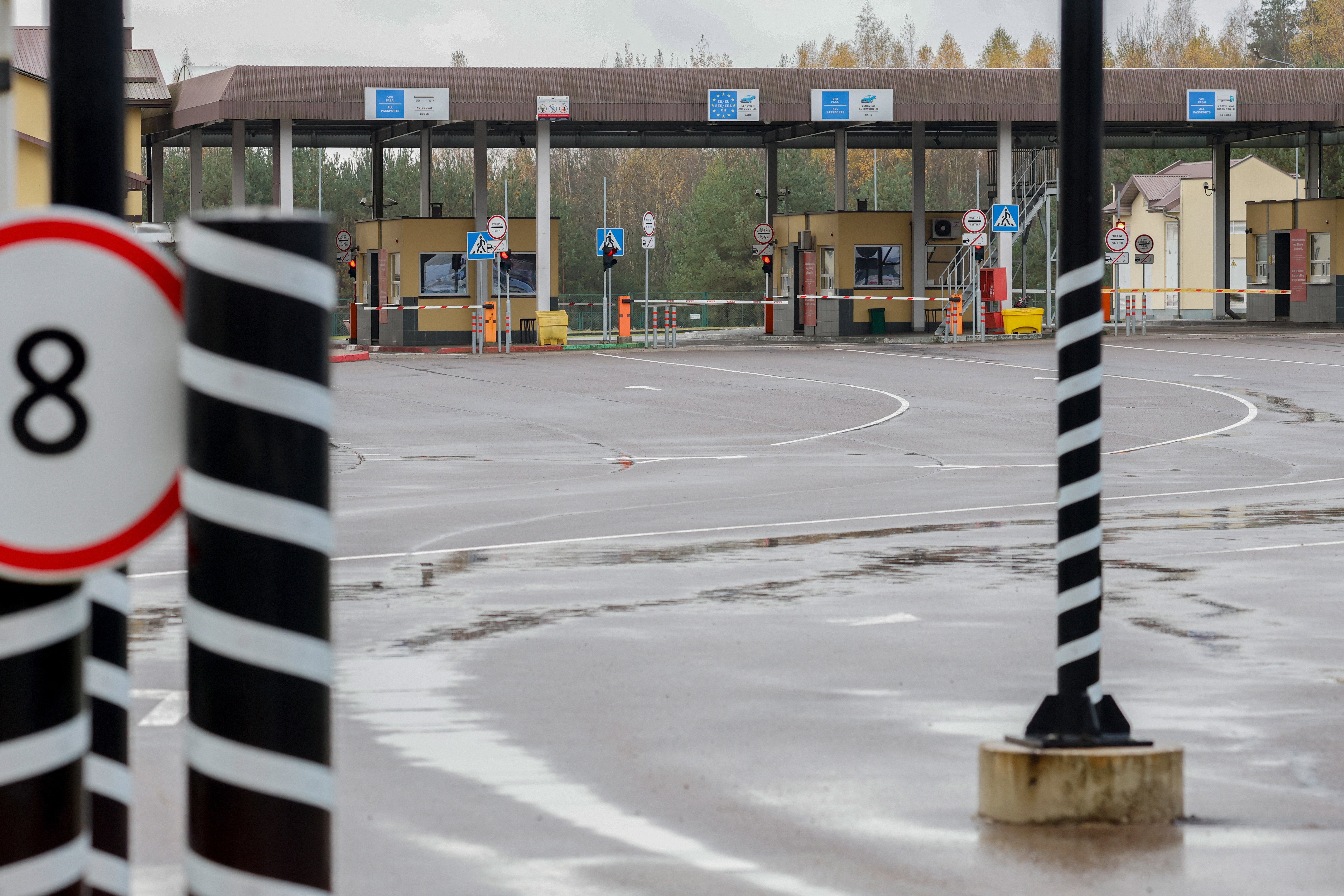
Lithuania plans to move its civil defense reserves, currently stored near the border with Belarus, to safer locations by 2027, according to Aurimas Guščius, the head of the National Crisis Management Center’s planning bureau.
Speaking at a meeting of the Seimas Committee on Budget and Finance, Guščius stated that the process of relocating these reserves will take years to complete, with 2027 marking the deadline for the transfer, according to LRT on April 8.
We bring you stories from the ground. Your support keeps our team in the field.
“We will move them from the border areas. Of course, the construction and design process takes time, but 2027 is the final stretch for relocating reserves from dangerous zones,” he said.
As of now, 60% of the reserves from facilities near the Belarusian border have already been relocated to central Lithuania. Guščius also noted that reserves under the jurisdiction of the Department of Fire and Rescue will be moved in 2027 after the construction of two new storage facilities in central and northern Lithuania, as reported by LRT.
This year, Lithuania will lease two warehouses in the central part of the country for the healthcare system's needs. The state reserves are intended for use during emergencies, crises, or in the event of mobilization, as well as during the declaration of a state of emergency or martial law.
-e930e1dbcf1700c92c4c17d7e9c0b288.jpg)
According to Lithuania’s State Control Office, €12.6 million (approximately $13.75 million) has been allocated for the accumulation and management of reserves from 2022 to 2025. The volume of financial resources, types of supplies, quantities, and storage locations remain classified.
Meanwhile, Lithuania is taking significant steps to bolster its defense against drone threats, with plans to train at least 100 operators for anti-aircraft drones to counter Shahed-type drone attacks.
This initiative was highlighted by Defense Minister Robertas Kaunas during a discussion on enhancing air defense capabilities in the Baltic region. Kaunas emphasized the importance of human control in modern interception technology, despite advances in artificial intelligence.
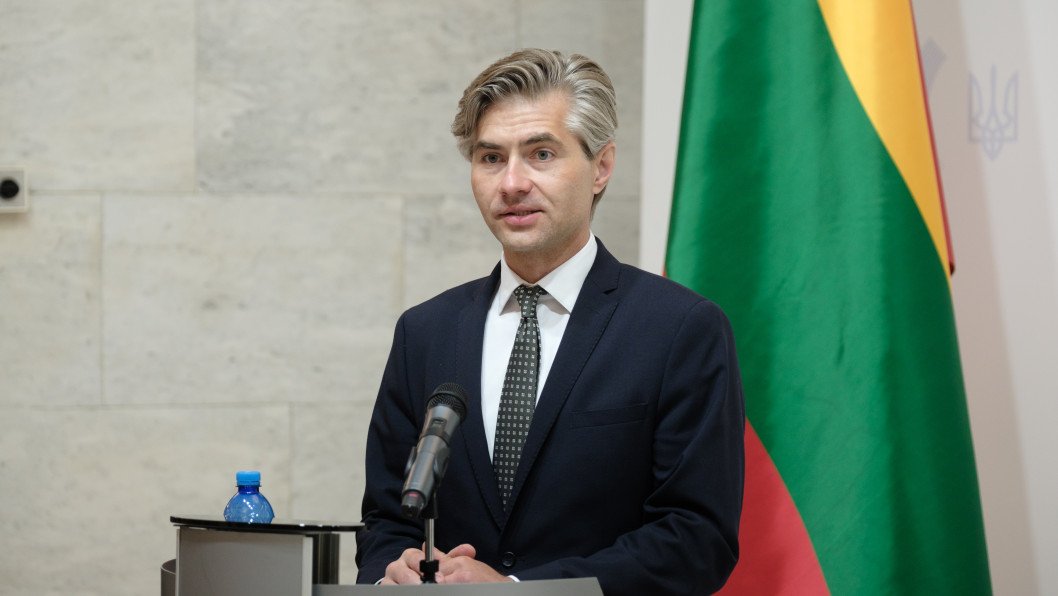
The country’s efforts to fortify its defense come in the wake of Kaunas's recent visit to Ukraine, where he witnessed firsthand how Ukraine's defense systems have been deployed to respond to Russia’s ongoing invasion.
Kaunas explained that to intercept 100 enemy drones, Lithuania would need a comparable number of trained operators. He noted that while interception drones can engage targets, they can only do so effectively in the final stages of their flight, which requires human oversight.
Additionally, the International Criminal Court has officially launched an investigation into Belarusian officials accused of crimes against humanity, with a focus on the mass deportations and the persecution of political opponents under President Alexander Lukashenko’s regime, which began in May 2020.
Discuss this article:
-9a7b3a98ed5c506e0b77a6663f5727c5.png)




-c439b7bd9030ecf9d5a4287dc361ba31.jpg "Photo of Katherina Popilnichenko")