- Category
- Latest news
NATO Builds Classified Cloud to Fuse Ukraine's Battlefield Data
 Prefer U24 Media on Google
- Authors

-111f0e5095e02c02446ffed57bfb0ab1.jpeg "Photo of Roman Kohanets")

NATO has developed a new cloud infrastructure to store and process Ukraine’s classified battlefield data and expects to bring it online in January 2026, once final information-sharing rules are agreed upon, according to Defense One on November 25.
Russia’s full-scale war has produced vast amounts of sensor and operational data that Kyiv wants to share with allies, but NATO still lacks an efficient way to manage it. Tom Goffus, NATO’s assistant secretary general for operations, said Ukraine plans to send this data to a joint training center in Poland and that a new NATO cloud solution to handle it could be operational by January 2026.
We bring you stories from the ground. Your support keeps our team in the field.
Goffus said the remaining obstacles are procedural rather than technical, noting that “they’ve got all the equipment to do it” but that the alliance still lacks “a policy on how to accredit it” so the system can be used safely.
He said NATO’s existing tools are designed for “network-centric security” while the new effort aims for “cloud-centric security,” and described one of the main challenges as devising an accreditation process that allows members to trust the system.
To address this, he plans to draw lessons from major US cloud providers that already operate classified clouds for national security customers and from ongoing Pentagon work to improve secure communications with allies and partners.
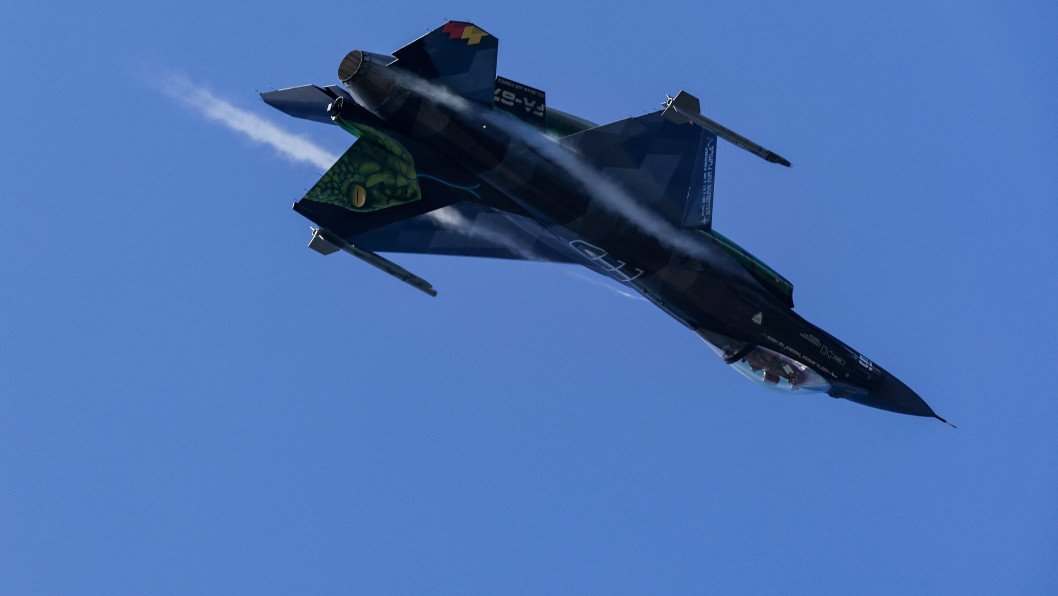
According to Goffus, the alliance intends to build the platform from scratch rather than extend existing networks, in order to avoid the “limitations” and proprietary constraints of current federated, system-of-systems architectures that can make it harder for different tools and sensors to interoperate.
He said the design will rely on commercially available, open-architecture technologies, allowing equipment from multiple vendors to plug into the environment. However, he stressed that the resulting infrastructure “has to, in the end, be government defined and government owned,” with NATO acting as “the gatekeepers on that.”
The move comes as the volume of battlefield data from fighter jets, drones, ships and other platforms has increased the pressure on militaries to access, analyze and move information quickly, including for medical support.
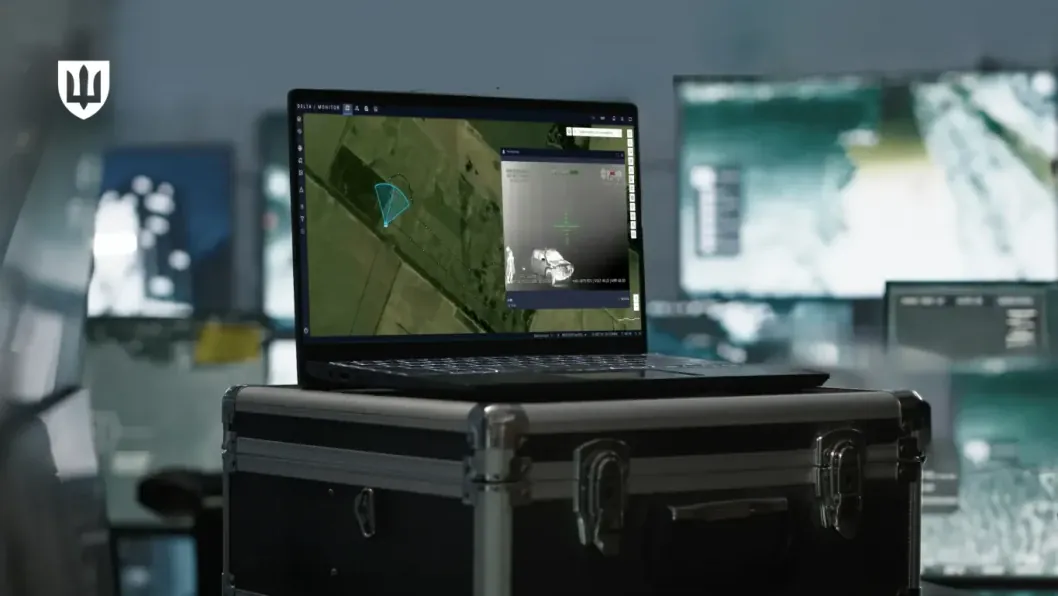
Goffus said NATO’s broader vision is to let individual nations buy their own sensors while the alliance “does the data integration and makes it all good” through a central, cloud-based backbone funded collectively, creating what he described as a “common data layer that everybody can pull from.”
Earlier, it was reported that NATO allocated nearly $40 million to equip Ukraine’s Defense Forces with satellite communication hardware, secure digital services, and support for innovation centers, including DELTA combat management system, drawing directly on Ukraine’s experience with cloud technologies and artificial intelligence.
Discuss this article:



-72b63a4e0c8c475ad81fe3eed3f63729.jpeg "Photo of Cyril Barabaltchouk")