- Category
- Latest news
NATO Countries Revive Bogs to Defend Borders From Russia—and Fight Climate Change
 Prefer U24 Media on Google
- Authors


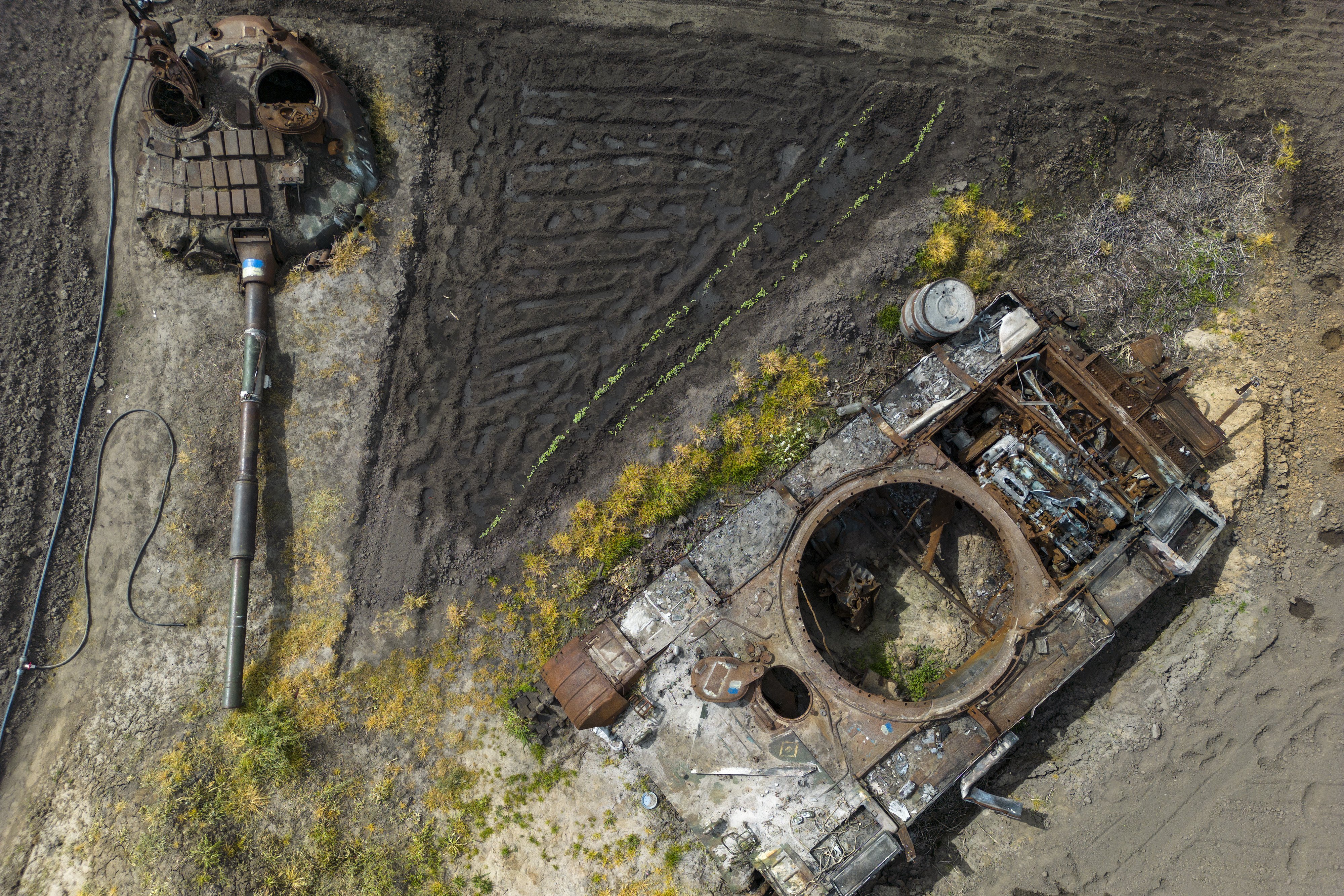
As Europe faces growing concerns over defense and climate change, countries like Poland and Finland are increasingly looking to restore bogs as a strategic solution. Drawing inspiration from Ukraine’s use of boggy floodplains to disrupt Russia’s 2022 advance on Kyiv, these nations are exploring how revitalizing peat-rich wetlands can both protect borders and combat global warming, Politico reported on August 26.
According to Politico, bogs offer a dual advantage: they serve as effective natural barriers to military forces and as carbon sinks that help mitigate climate change.
In February 2022, defense consultant Oleksandr Dmitriev suggested flooding the Irpin River’s marshes by destroying a dam, knowing the flooded terrain could bog down Russian tanks. His plan succeeded, halting the Russian advance and creating viral images of Moscow’s tanks stuck in the mud. This creative defense strategy has inspired countries along NATO’s eastern edge to consider similar approaches to fortify their borders while addressing climate issues.
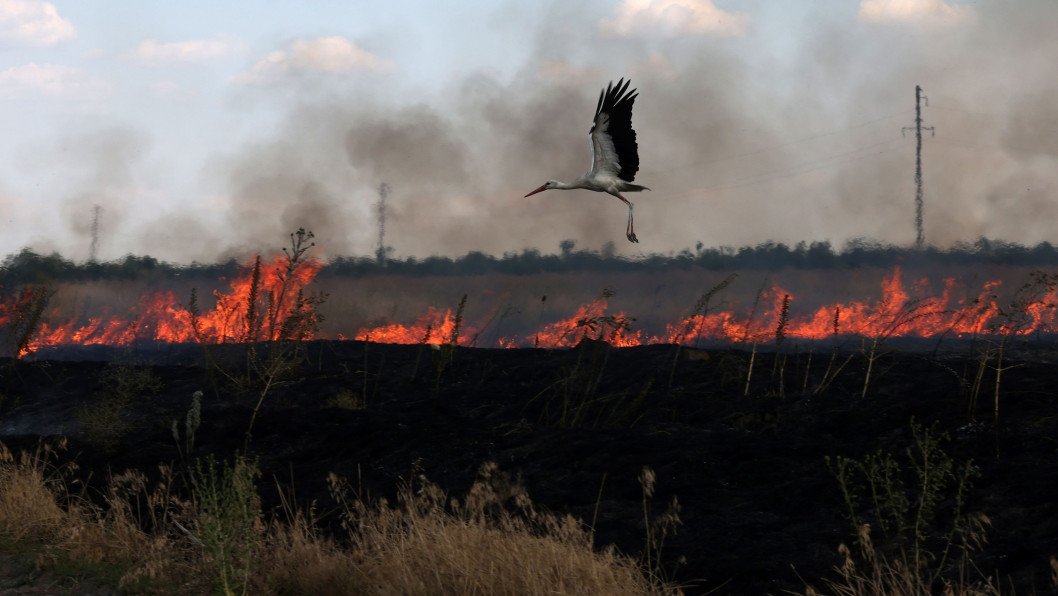
As Politico reports, Poland and Finland are actively pursuing bog restoration as a key element of their defense strategies, alongside their efforts to reduce carbon emissions. Peatlands, which naturally capture carbon dioxide, could become a central tool in both securing borders and fighting climate change.
However, half of the EU’s peatlands have been drained for agriculture, which releases stored greenhouse gases and makes the land more passable for military vehicles. In response, European governments are looking at bog restoration as a way to address multiple challenges. Poland’s $2.5 billion Eastern Shield border fortification project, launched in 2024, includes peatland restoration as part of its environmental protection measures.
Bogs are some of Earth’s most powerful carbon sinks, storing a third of the world’s carbon despite covering just 3 percent of the planet. But when drained, they release centuries of stored carbon, worsening global warming. In Europe, where half of peatlands have been degraded, restoring these wetlands could provide a significant win for both defense and climate goals.
In 2022, EU countries reported 124 million tons of greenhouse gas emissions from drained peatlands, nearly matching the Netherlands' annual emissions. Some scientists say this is an underestimate. The EU’s new Nature Restoration Law mandates the revival of 30% of degraded peatlands by 2030, with plans due by September 2026.
On NATO’s eastern flank, restoring bogs is seen as an affordable way to meet climate and defense goals. "It’s definitely doable," said Aveliina Helm, an expert in restoration ecology. Bogs, which are concentrated along NATO’s border with Russia and Belarus, can trap military vehicles when waterlogged, as seen in Lithuania earlier this year, where US soldiers died after their vehicle got stuck.
-6a831ba8208ee2b72860a2631c8ff8f7.jpg)
Bogs have historically served as natural defense barriers, from Roman times to Finland’s use against the Soviets. Finland is now considering bog restoration along its eastern border.
“There are excellent areas to restore,” said Finnish lawmaker Pauli Aalto-Setälä.
While the Baltics are less interested, scientists see potential in restoring peatlands, which cover 10% of the region. “Restoration is easy,” said Helm. But experts stress that bogs alone can’t replace traditional defense.
“They can’t stop drones or missiles, but they make terrain harder to cross,” said Tanneberger, a defense consultant.
Unlike Ukraine, EU governments have the opportunity to restore peatlands thoughtfully, considering the needs of nature, farmers, and military forces. “Perhaps it’s better to think ahead instead of being forced to act in a hurry,” she said. “We have this opportunity. Ukraine didn’t.”
Previously, it was reported that Finland will reintroduce the use of anti-personnel landmines from January 10, 2026, following its formal withdrawal from the Ottawa Treaty, which prohibits such weapons, according to Yle on August 26.
Discuss this article:

-c439b7bd9030ecf9d5a4287dc361ba31.jpg "Photo of Katherina Popilnichenko")