- Category
- Latest news
Putin Claims Russia Has Next-Gen Nuclear Cruise Missiles Ready for Deployment

Russia has announced the start of work on a new generation of nuclear-powered cruise missiles capable of reaching Mach 3 and eventually achieving hypersonic speeds, Vladimir Putin said at a Kremlin ceremony honoring the teams behind the Burevestnik and Poseidon programs, according to Army Recognition on November 5.
 Prefer U24 Media on Google
- Authors


Russia is signaling a move from a single prototype to a family of nuclear-powered cruise missiles.
Speaking on November 4, Putin praised the developers of the Burevestnik and Poseidon systems and said the country was now beginning work on a “next generation” of nuclear-propelled weapons that could fly three times the speed of sound—with a path toward hypersonic capability, Army Recognition notes.
⚡ Russia has successfully tested its nuclear-powered Burevestnik cruise missile:
— OSINT Updates (@OsintUpdates) October 27, 2025
Putin announces successful test of Russia’s 9M730 Burevestnik (SSC-X-9 “Skyfall”), a nuclear-powered, nuclear-capable intercontinental cruise missile said to have unlimited range and the ability to… pic.twitter.com/zNkjcyK3OF
The statement follows recent Russian claims that the Burevestnik (NATO: SSC-X-9 “Skyfall”) completed a 14,000-kilometer test flight lasting 15 hours, reinforcing Moscow’s message that it is expanding its strategic missile portfolio, Russian state media TASS reported.
The Burevestnik program, which dates back to Putin’s 2018 presidential address, is intended to give Russia a cruise missile with “virtually unlimited” range using a miniature onboard reactor.
Burevestnik vs. Minuteman III pic.twitter.com/usQVXk1WE9
— Sprinter Press News (@SprinterPress) November 6, 2025
Putin’s remarks suggest that Russia is now seeking to serialize the concept, moving beyond a single demonstration weapon to multiple variants that could be launched from land, sea, or air.
Army Recognition notes that such a development would pressure US and NATO air defenses by introducing new flight paths, lower radar visibility, and nearly unlimited loitering potential.
Russian state media quoted officials claiming that future missiles could reach supersonic and later hypersonic speeds, powered by advanced nuclear-thermal propulsion systems that allow rapid reactor activation “within seconds.”
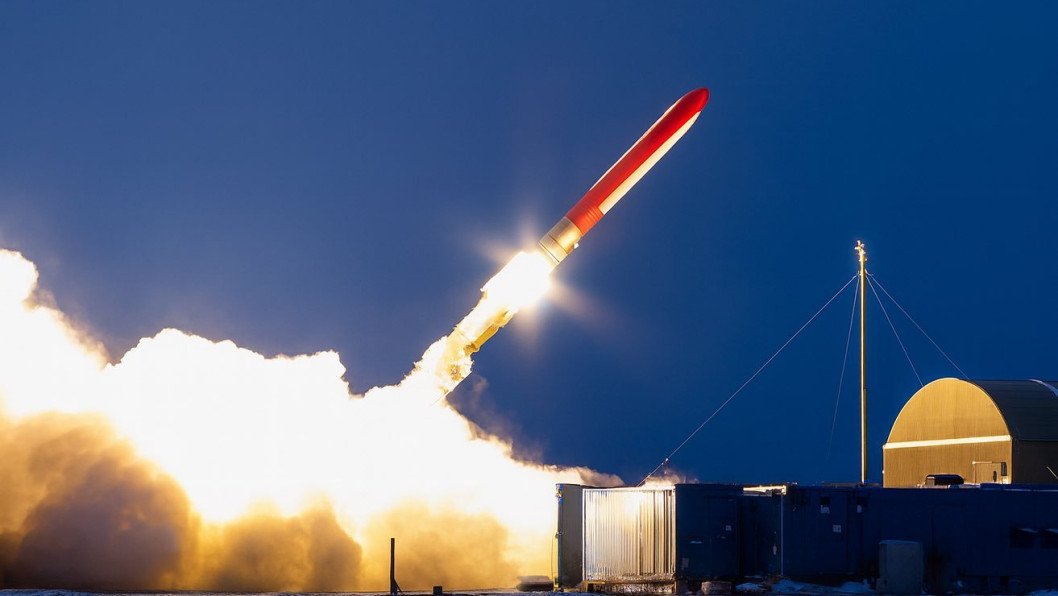
If realized, such weapons would compress response times for Western defenses and further complicate arms-control negotiations already strained by Moscow’s withdrawal from key Cold War-era treaties.
However, the program faces serious safety, reliability, and environmental concerns. Army Recognition recalls that previous testing incidents—including the 2019 Nyonoksa explosion—underscored the dangers of handling miniature nuclear reactors for flight applications, according to Army Recognition.
Experts also point to technical hurdles, including stable guidance over long, low-altitude routes and secure reactor containment during potential crashes.
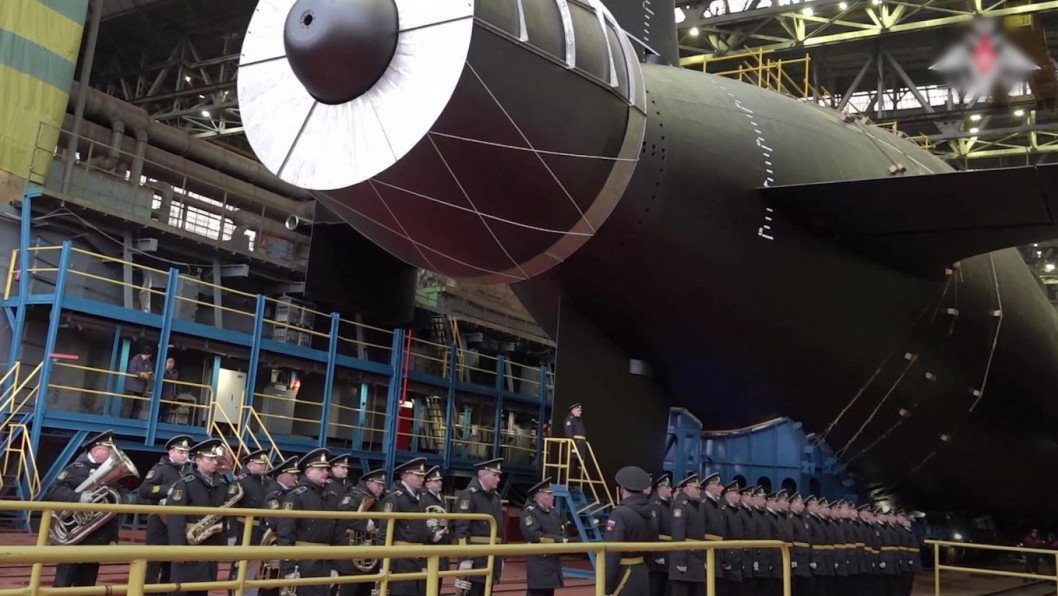
For Russia, though, the message is political as much as technological. By touting a new generation of nuclear-powered missiles with “unlimited range” and supersonic potential, Moscow is signaling that it intends to stay ahead of Western missile defenses—even if the cost and risk are immense.
Earlier, Putin ordered his government and security agencies to begin preparing for potential full-scale nuclear weapons tests—a move that would end a 35-year moratorium and mark the country’s return to Cold War–style atomic posturing.
Discuss this article:




-c439b7bd9030ecf9d5a4287dc361ba31.jpg "Photo of Katherina Popilnichenko")