- Category
- Latest news
Cyberattack on Russian Military Targets Hundreds of Devices, Exposing Key Military Data
 Prefer U24 Media on Google
- Authors


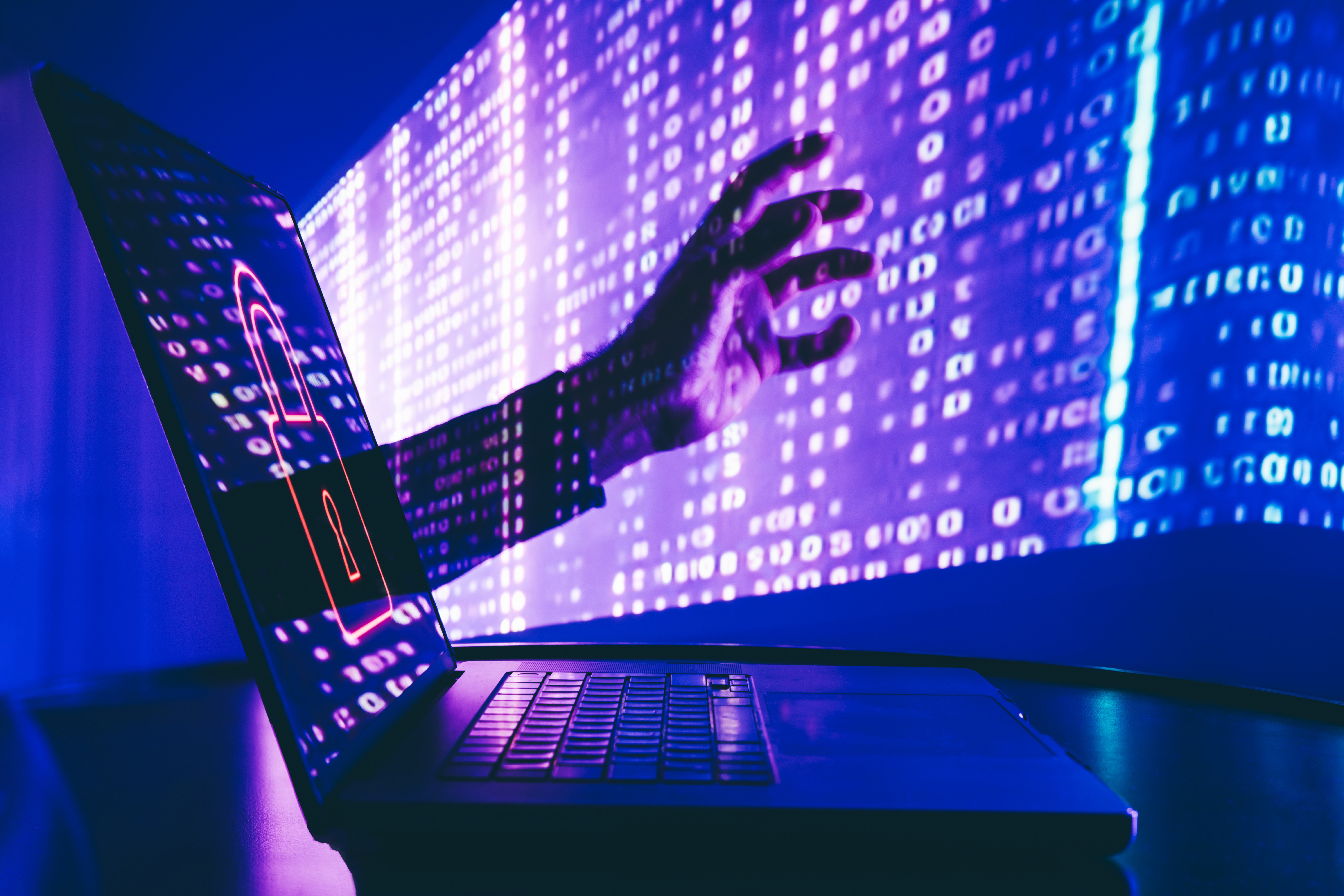
On the night of February 23-24, Russian military personnel were hit by a successful cyberattack, carried out by the partisan movement ATESH, according to agents from the '“Dnepr” and “East” military formations.
The attack, revealed on February 25, capitalized on the distractions of the Russian celebration of Defender of the Fatherland Day. The festive atmosphere led many soldiers to unknowingly open malicious files on their personal devices, exposing them to the virus.
We bring you stories from the ground. Your support keeps our team in the field.
Several senior officers from the Russian military’s headquarters were among those affected, according to a report from ATESH.
“The virus infiltrated hundreds of phones and computers used by Russian military personnel. As a result, mass checks were carried out within the units, a ban on personal mobile devices was enforced, and official investigations were launched,” the statement said.
Cybersecurity experts are currently examining the equipment of individuals believed to have been affected by the attack.
The scale of the breach raises concerns over the potential compromise of critical data, including official documents, private communications, and sensitive military coordinates. This could expose the locations of vital sites such as military headquarters, ammunition depots, and repair facilities, the movement noted.

This is not the first time Russian military and defense entities have been targeted. In December 2025, Russian defense and technology companies were also hit by a cyber-espionage campaign, believed to be linked to “Paper Werewolf,” a hacking group known as GOFFEE. Active since 2022, the group is widely thought to be pro-Ukrainian.
The campaign, as reported by cybersecurity firm Intezer, used AI-generated decoy documents and other methods to trick employees of Russian organizations involved in air defense and sensitive electronics into opening malicious files.
The decoy materials included Russian-language documents, such as an apparent invitation to a concert for senior officers and correspondence that falsely claimed to be from Russia’s Ministry of Industry and Trade.
Earlier, cyber specialists from Ukraine's Defense Intelligence executed an attack that disabled Russia’s national payment system, which has been widely used to channel funds into so-called "charitable and volunteer organizations" backing the war effort.
Discuss this article:
-4a56a6b482ec132402c16ef6fcabf9a2.png)

-c439b7bd9030ecf9d5a4287dc361ba31.jpg "Photo of Katherina Popilnichenko")