- Category
- Latest news
Russia’s “Poseidon” Nuclear Torpedo Submarine Is Here—But Does It Make Any Sense?
 Prefer U24 Media on Google
- Authors


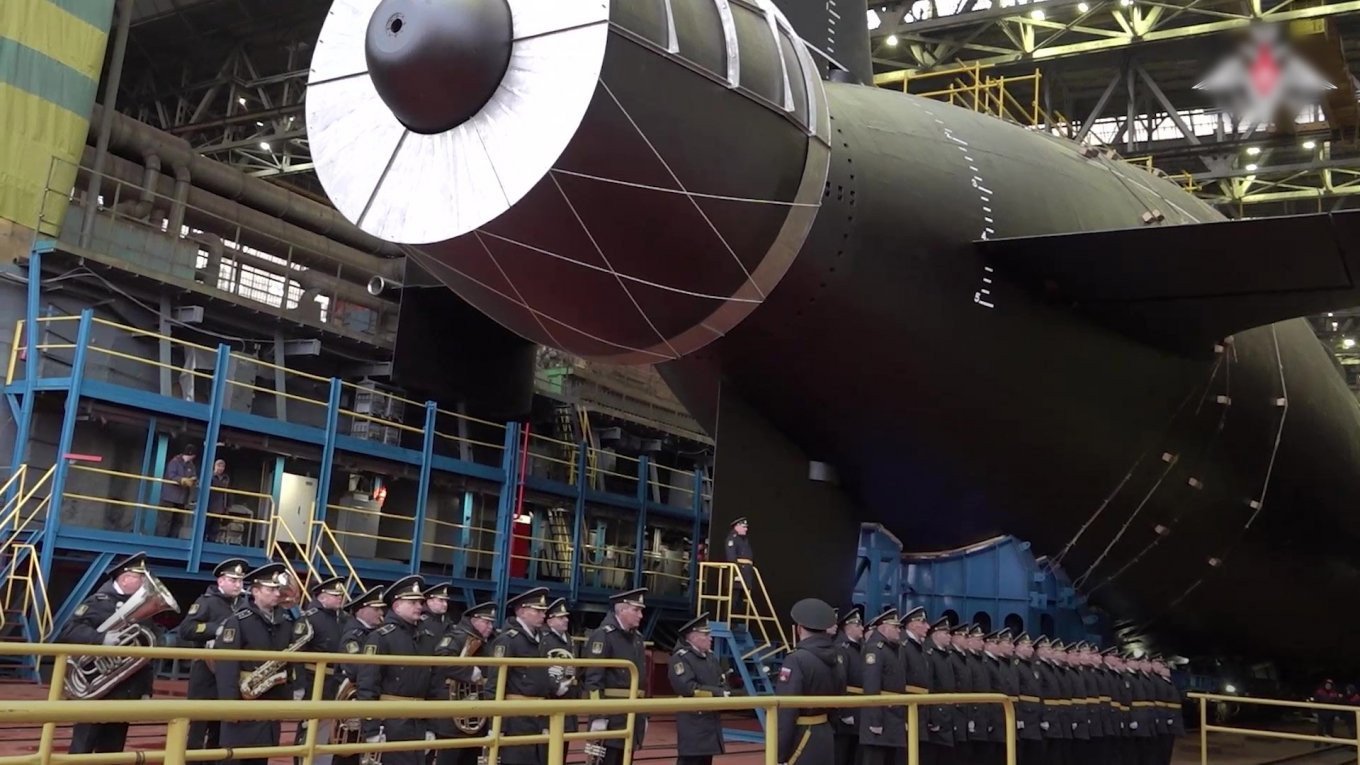
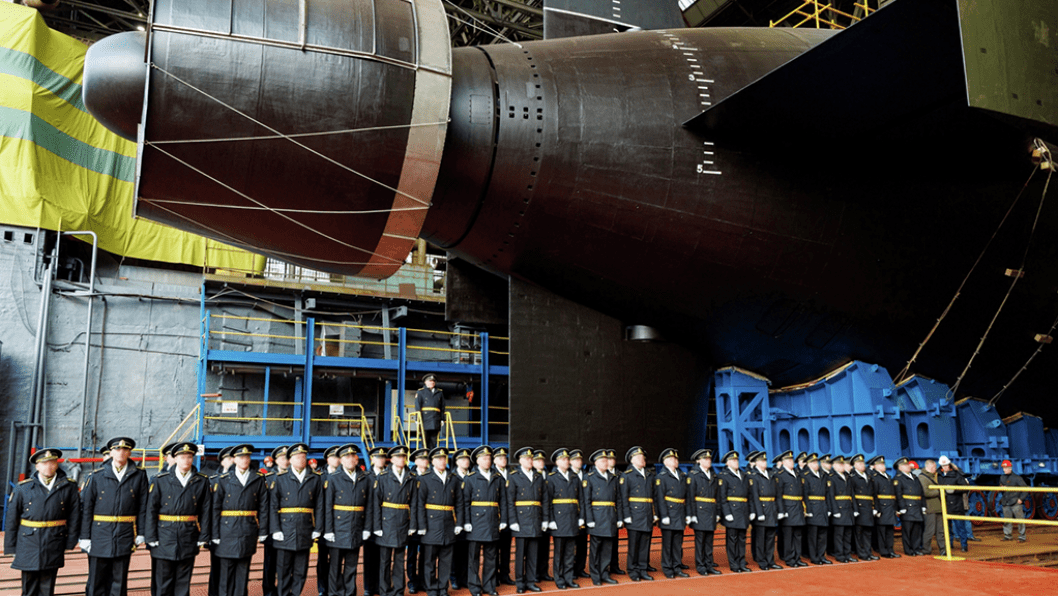
Russia has launched the Khabarovsk, a new nuclear-powered submarine designed to carry the so-called “Poseidon” nuclear torpedoes. The vessel, known as Project 09851, was floated out at the Sevmash shipyard in Severodvinsk on November 1, according to Defense Express.
The Khabarovsk—officially described in Russian media as a “heavy nuclear-powered cruiser” equipped with advanced underwater weaponry—will serve as the primary platform for the Poseidon system.
The launch ceremony revealed only the submarine’s stern, but analysts say even limited imagery provides clues to its configuration and design lineage.
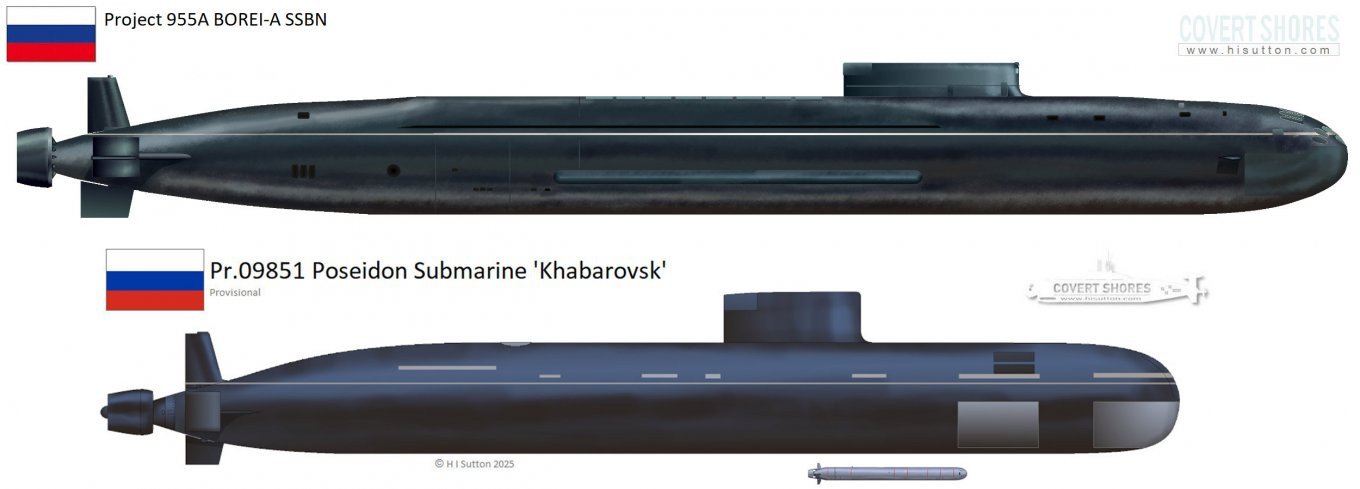
According to naval analyst H. I. Sutton, the Khabarovsk shares several design elements with Russia’s Borei-A class ballistic missile submarines, including the pump-jet propulsion system.
However, Sutton noted that the new vessel appears shorter—around 135 meters compared with 170 for the Borei-A—and sits lower in the water, suggesting a reduced buoyancy reserve.
Instead of missile launch silos, Defense Express reported, the Poseidon-carrying submarine likely houses torpedo tubes angled along the hull to deploy the nuclear-powered drones.
Construction of the Khabarovsk began in 2014. Russian sources initially projected its launch for 2020 and its commissioning by 2024–2025 with the Pacific Fleet, but the navy has not provided an updated timeline for its entry into service.
As Defense Express observed, a key question remains unresolved: why Russia needs a dedicated carrier for the Poseidon system at all. Russian officials have repeatedly claimed the unmanned torpedoes possess “practically unlimited range” thanks to a miniature nuclear reactor.
If that were true, analysts note, such weapons could be launched directly from shore facilities without the need for an expensive and specialized submarine.
Even Russian estimates citing a range of 10,000 kilometers raise doubts about the necessity of a carrier, as that distance would already cover potential targets along the US coastline—from California to Florida.
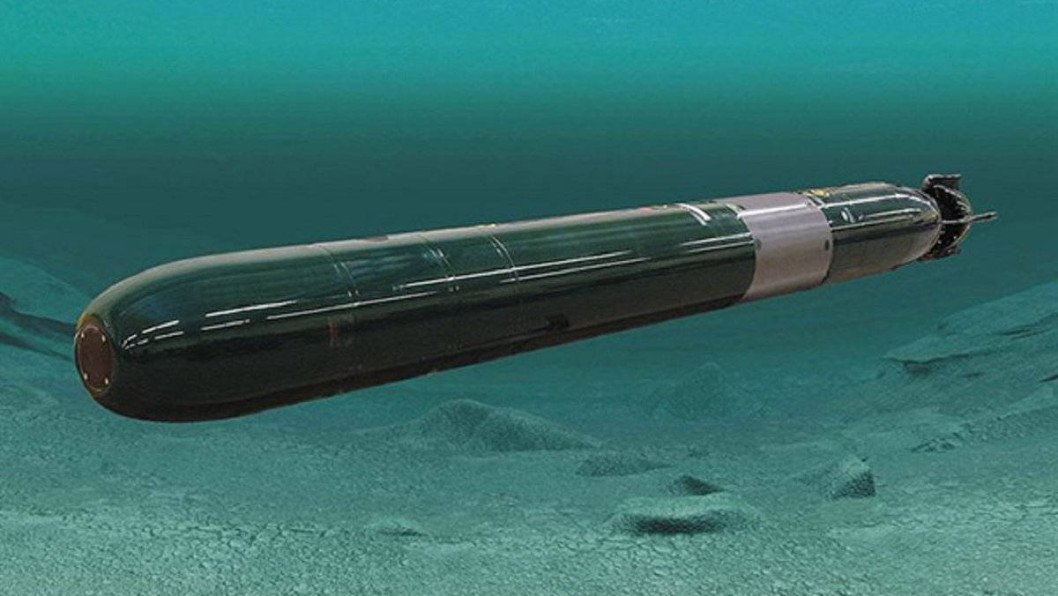
The publication suggests the submarine’s purpose may relate to limitations in Poseidon’s navigation system or effective range—issues that Russian sources have not addressed publicly.
Project 09851 represents a continuation of Russia’s pursuit of novel strategic deterrence platforms following the Borei-A and Yasen-M programs.
Western defense analysts have questioned the practicality of Poseidon as a viable deterrent, pointing to its technical complexity and unclear deployment doctrine.
Earlier, Putin hailed the first full test of the nuclear-powered Poseidon underwater vehicle as a “huge success,” claiming its speed, depth, and power “significantly exceed” those of the Sarmat intercontinental missile.
Discuss this article:



-c439b7bd9030ecf9d5a4287dc361ba31.jpg "Photo of Katherina Popilnichenko")