- Category
- Latest news
Ukraine Gains Secrets of Russia’s Newest Nuclear Sub “Knyaz Pozharsky"—Crew, Schematics, Combat Orders Leaked
 Prefer U24 Media on Google
- Authors


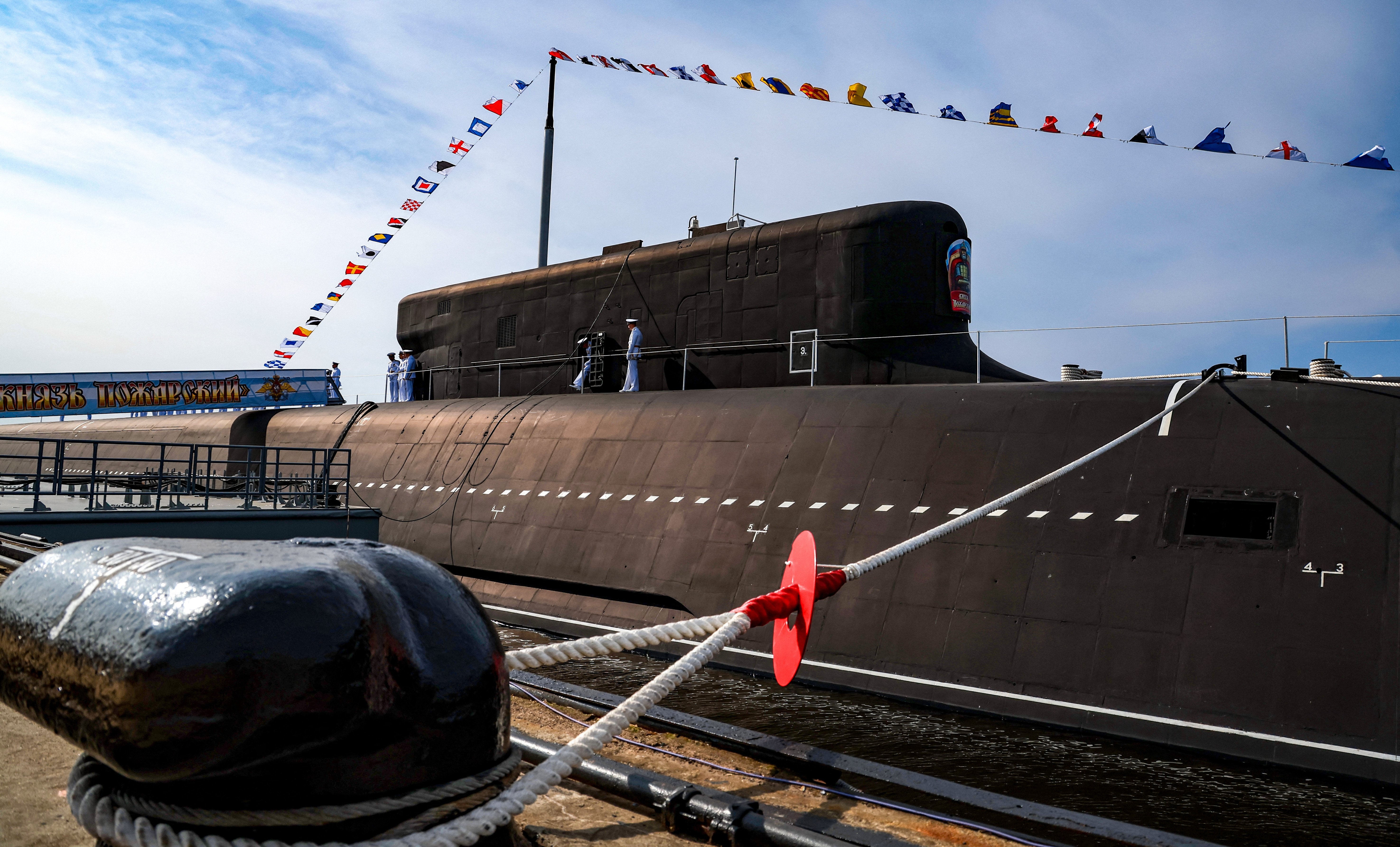
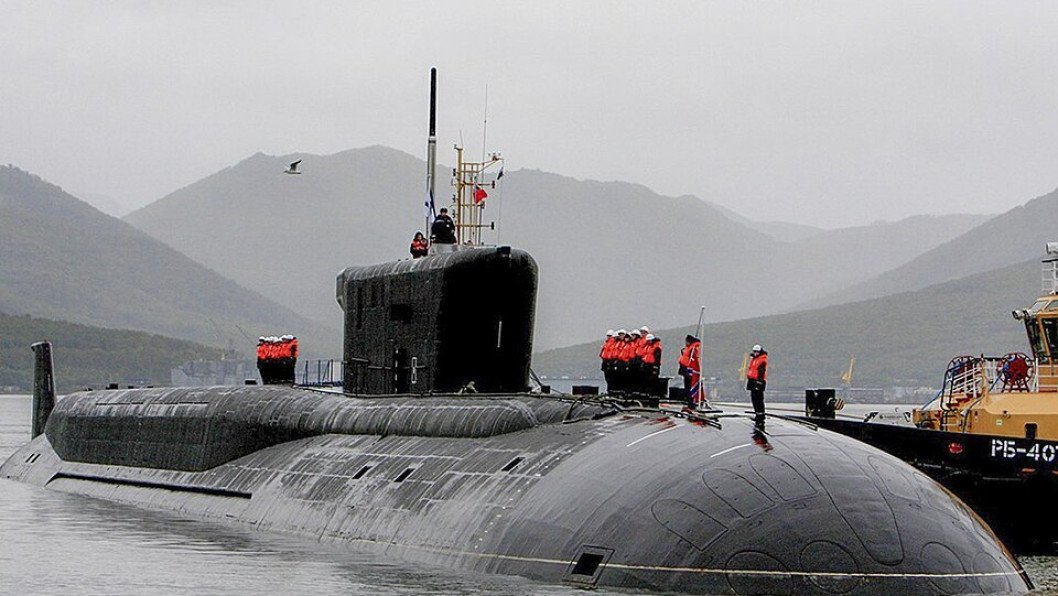
Ukraine’s Defense Intelligence Directorate (HUR) has acquired a full set of classified internal documentation concerning the Russian Navy’s newest nuclear-powered ballistic missile submarine, “Knyaz Pozharsky”, part of the Borei-A (Project 955A) class.
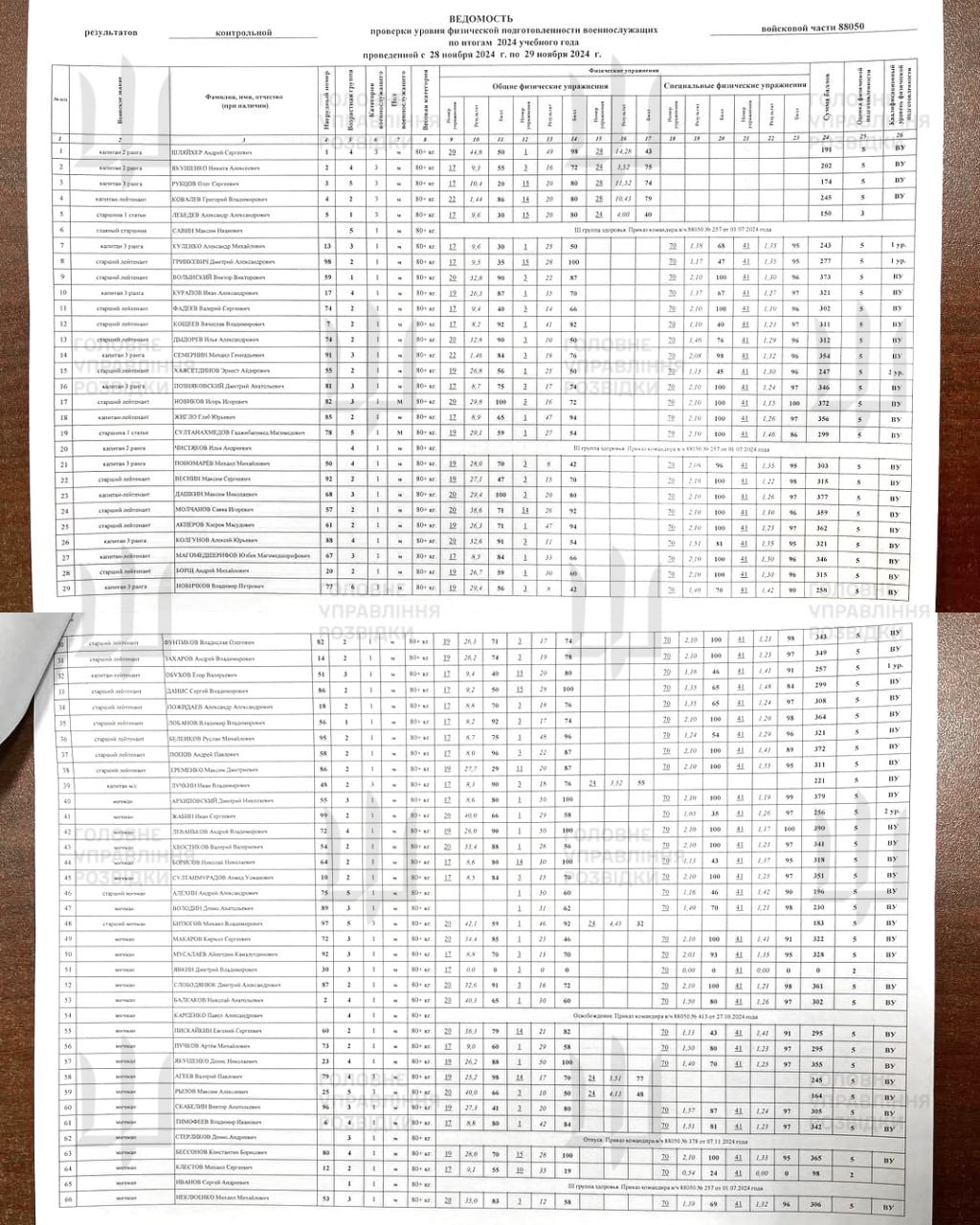
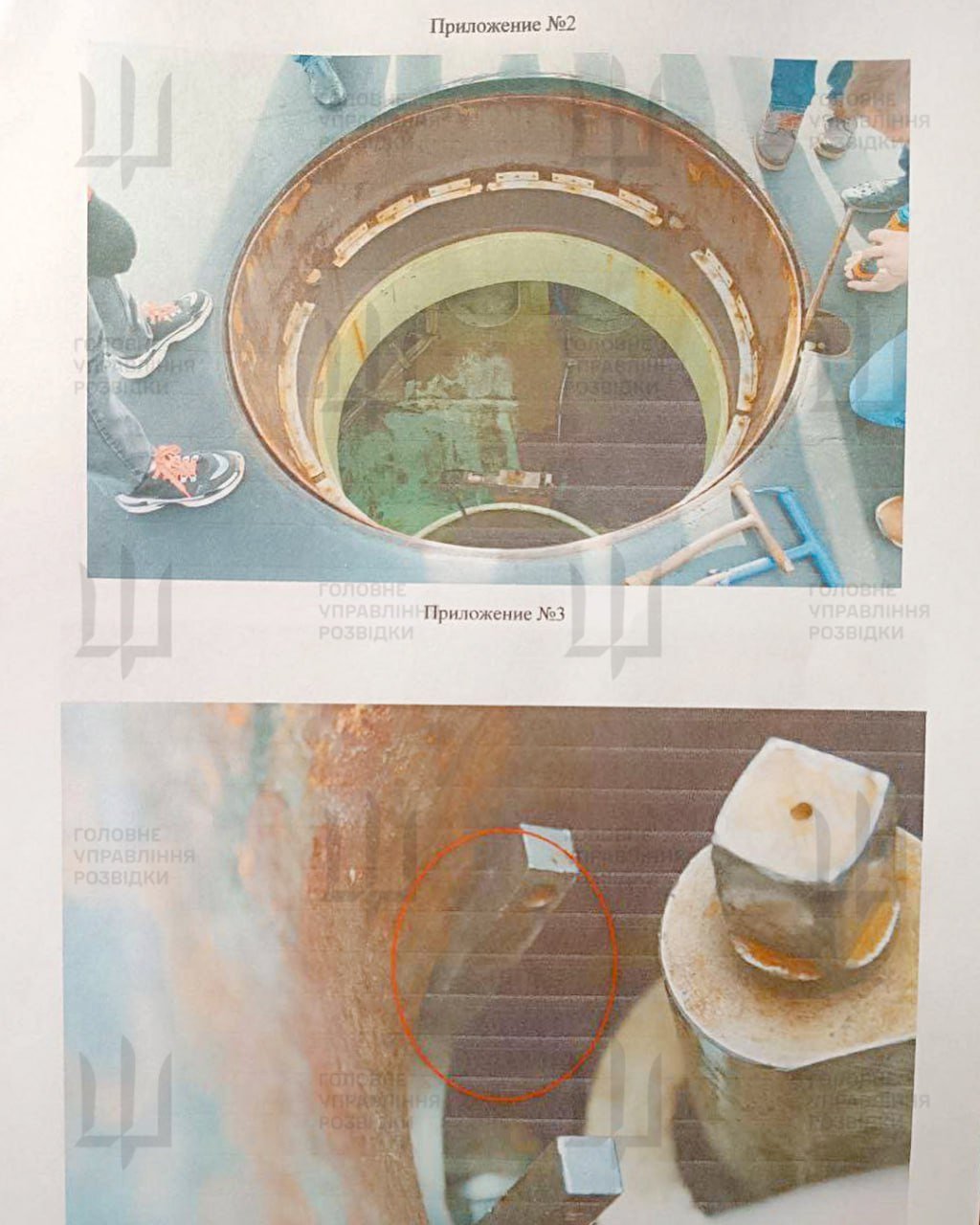
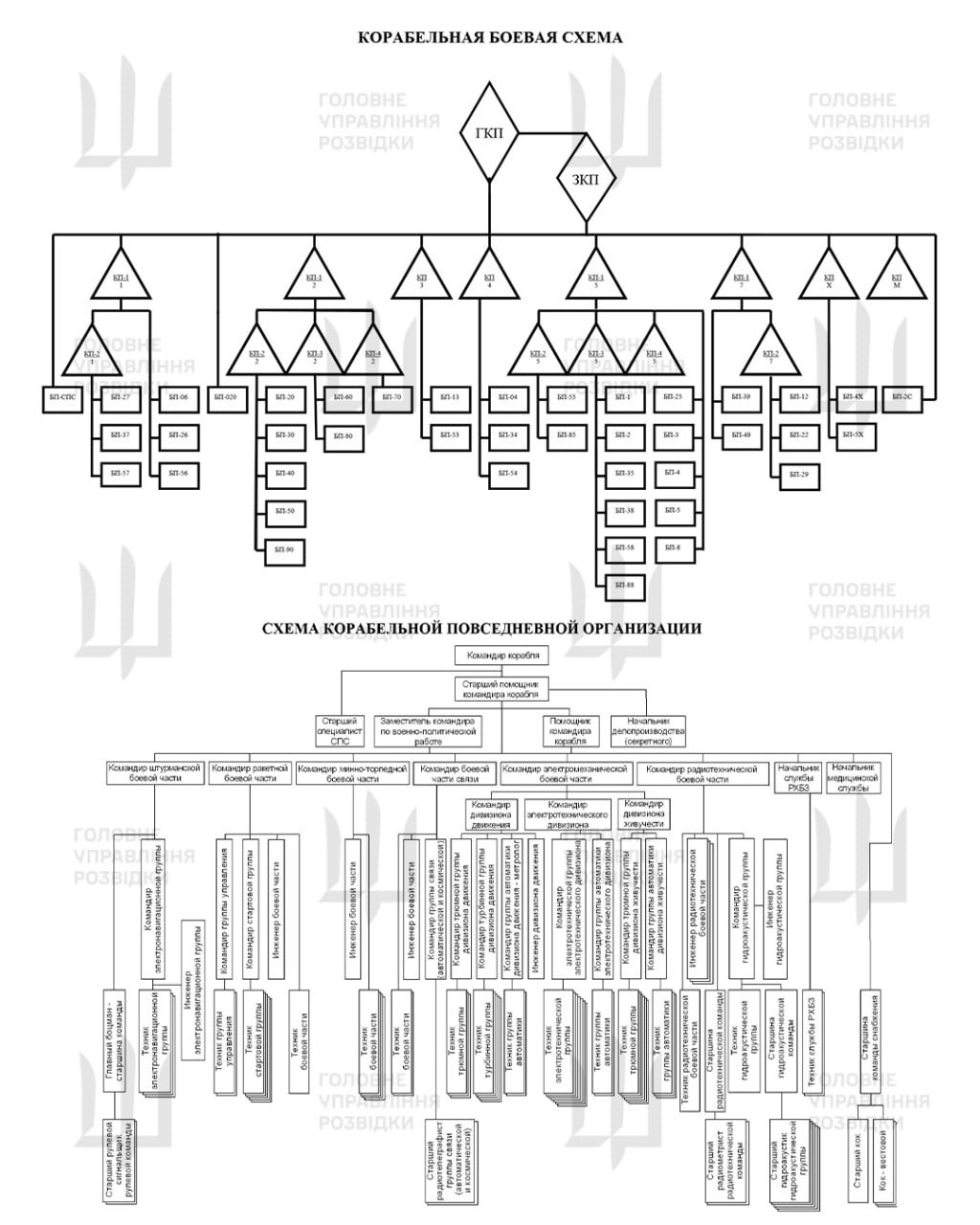
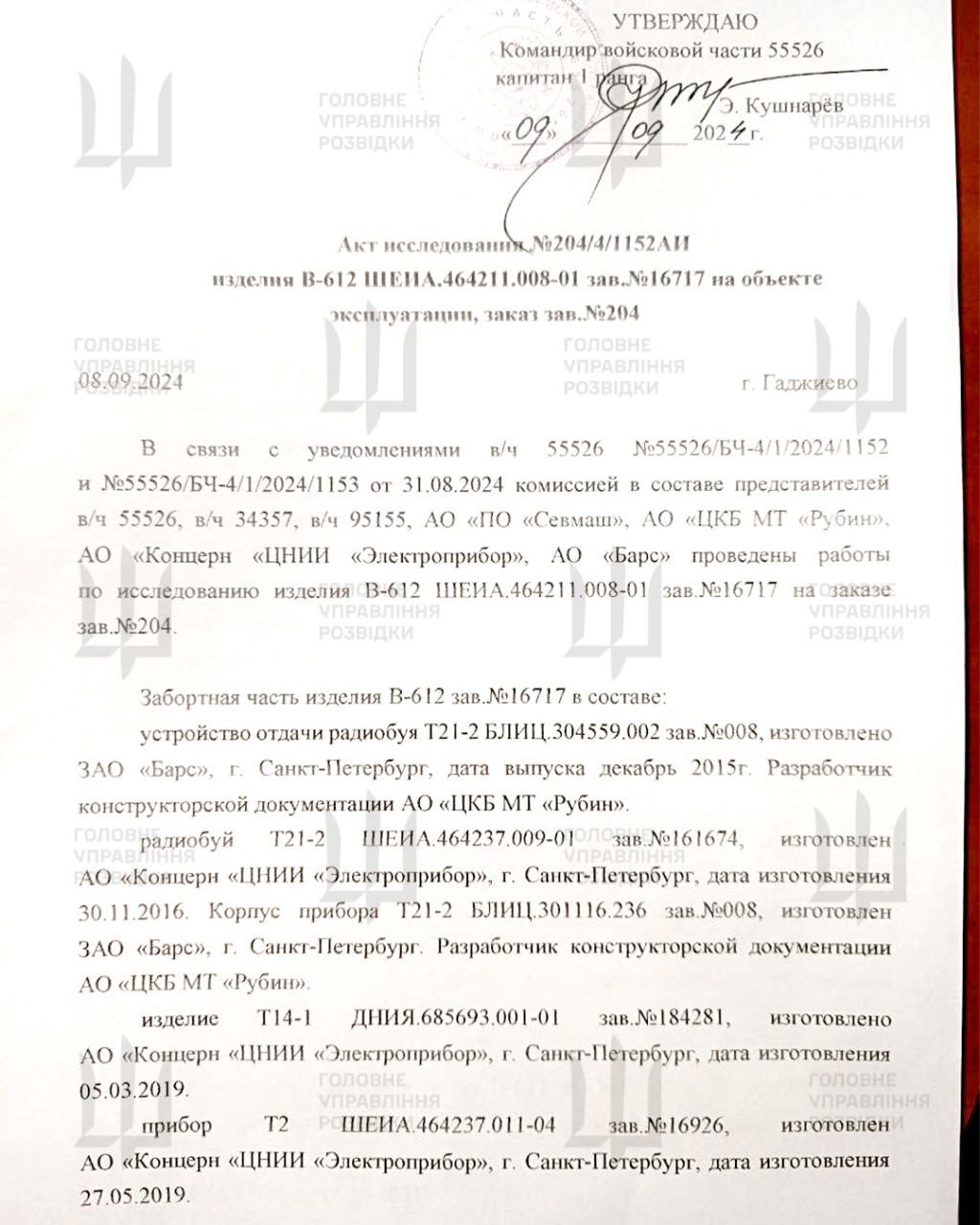
According to an official HUR statement published on August 3, the obtained materials include comprehensive technical, operational, and personnel-related information. The documents reportedly detail:
Full name-by-name crew lists, including positions, qualifications, and physical fitness levels;
Combat manuals and daily operational schedules;
Schematics of the vessel’s combat systems, survivability infrastructure, and internal crew hierarchy;
Onboard protocols for casualty evacuation, cargo transfers, and towing procedures;
Engineering documentation, including an official report on a deformed communications buoy, listing involved organizations and commission members.
Additionally, HUR gained access to excerpts from the submarine’s internal schedule book, governing the daily combat and routine activities aboard the vessel.
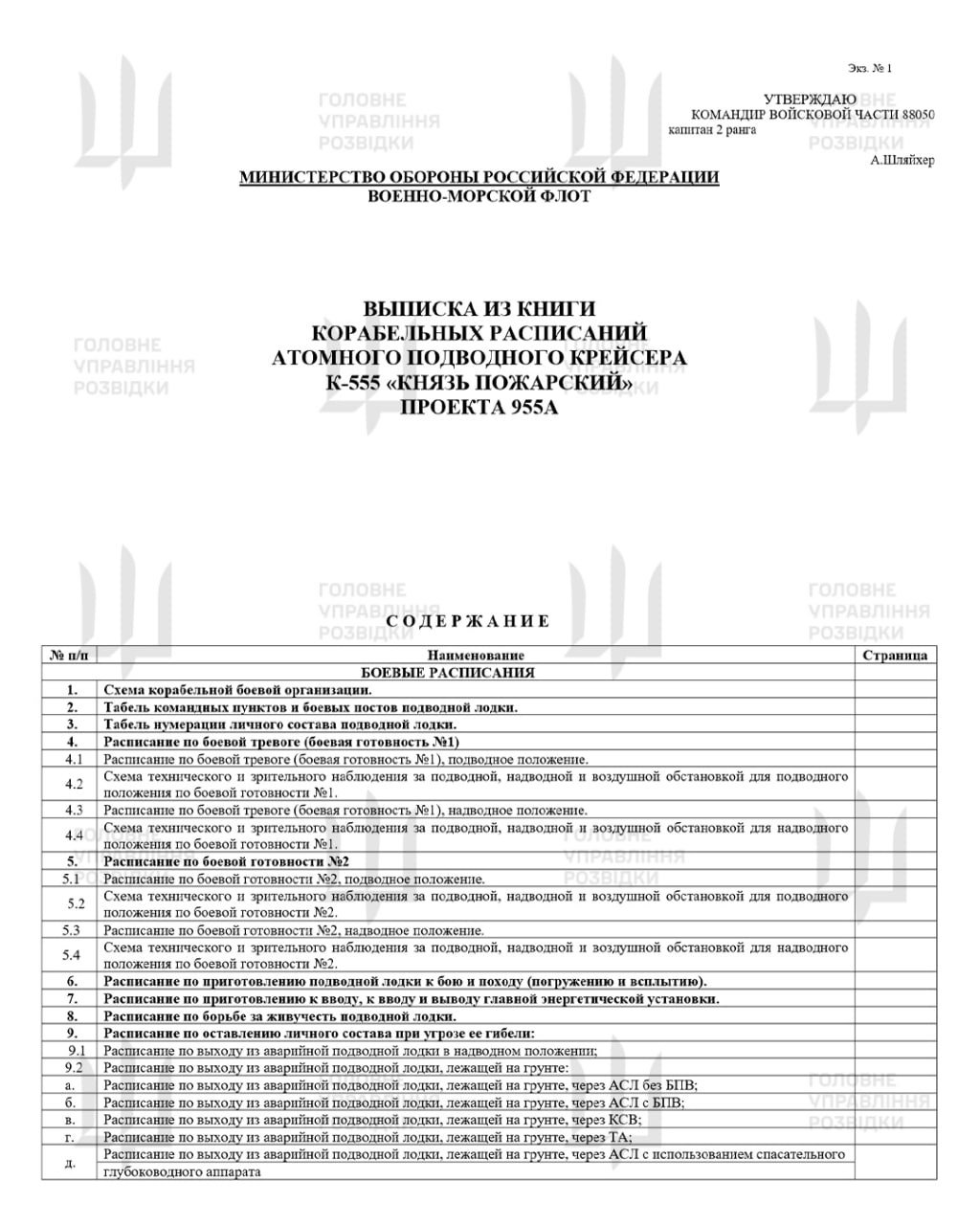
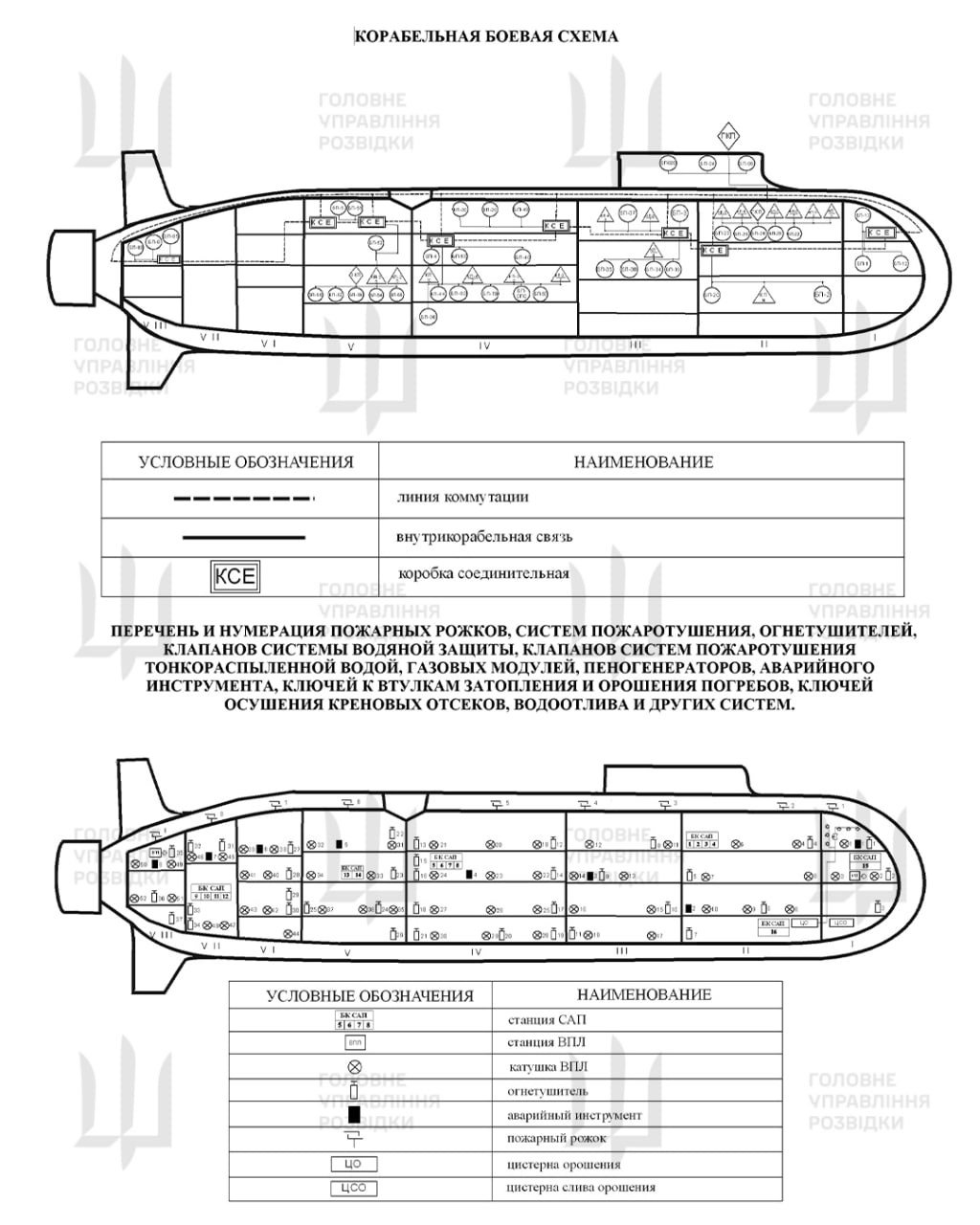
The Knyaz Pozharsky was officially commissioned into service on July 24, 2025, joining the 31st Submarine Division of Russia’s Northern Fleet.
The vessel is based in Gadzhiyevo, Murmansk region—home to several other strategic submarines. The submarine’s entry into active duty was overseen by Russian leader Vladimir Putin.
The submarine represents the latest unit of the modernized Project 955A Borei-A series. Construction began in December 2016, followed by sea trials starting in 2024. The Knyaz Pozharsky is the fourth serial and fifth overall submarine built under the Borei-A program.
The Borei-A class is a critical component of Russia’s strategic nuclear triad. Each submarine is equipped with 16 R-30 Bulava intercontinental ballistic missile launch tubes. Each missile can carry up to 10 independently targetable warheads. The submarine is also armed with 533mm torpedo tubes.
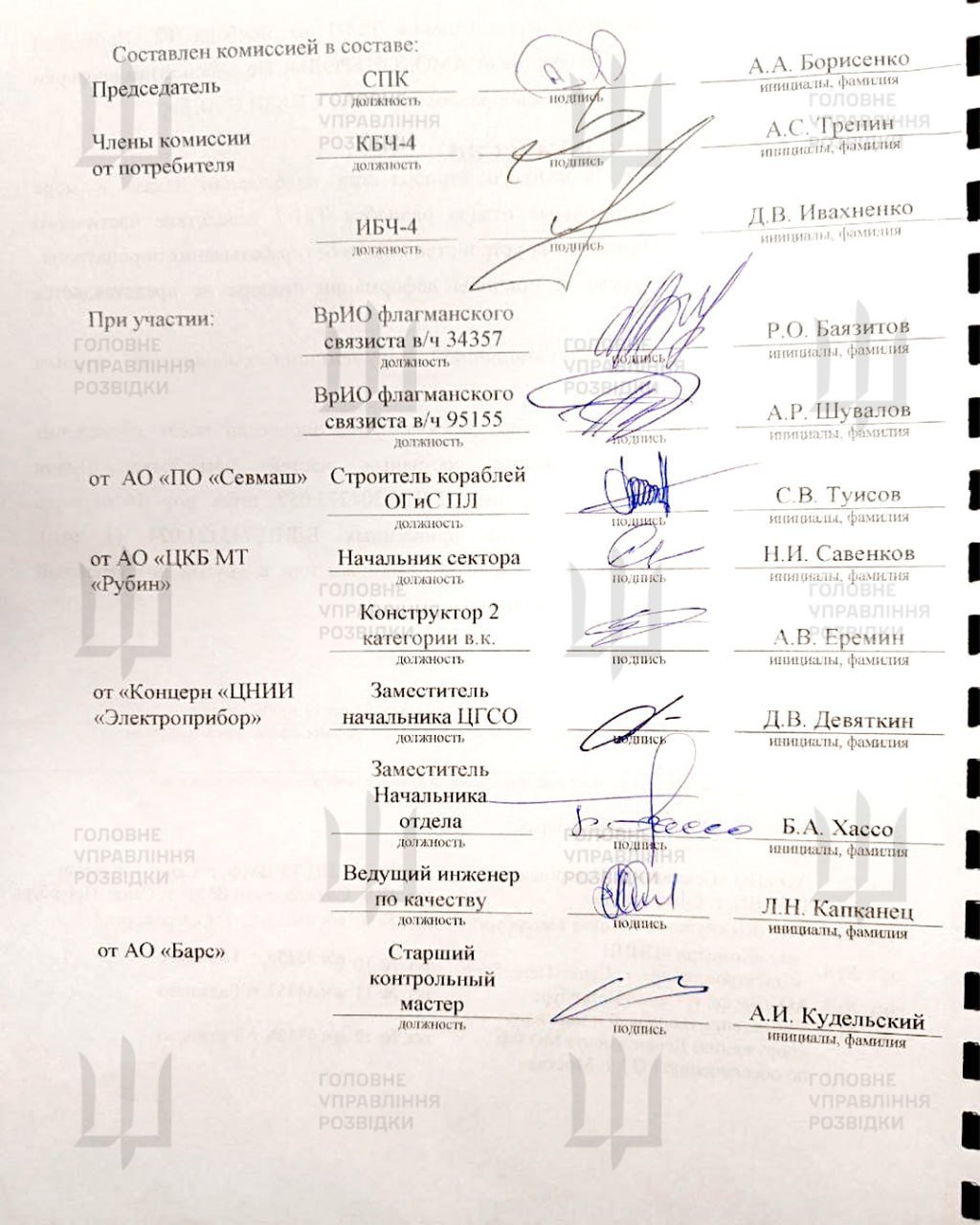
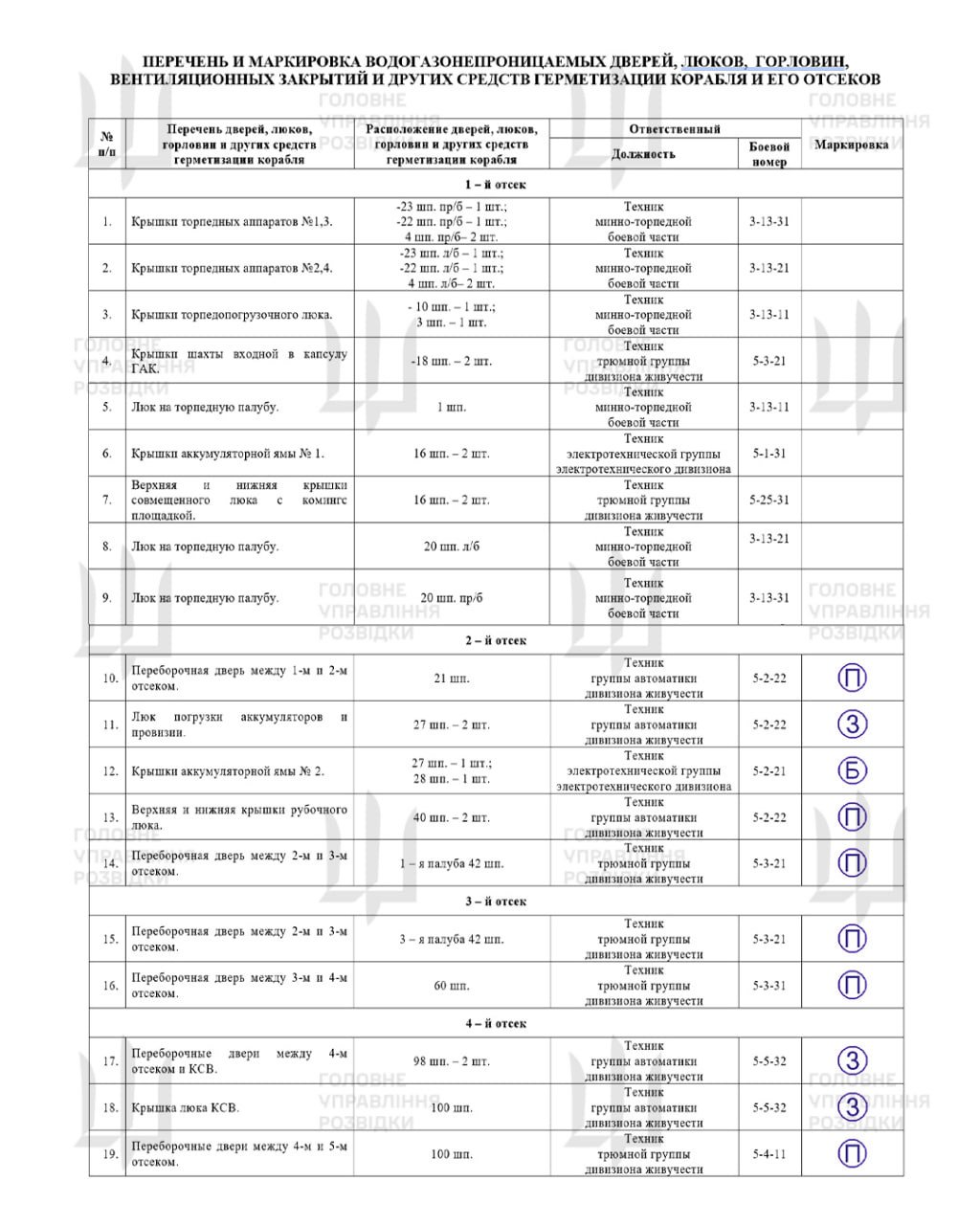
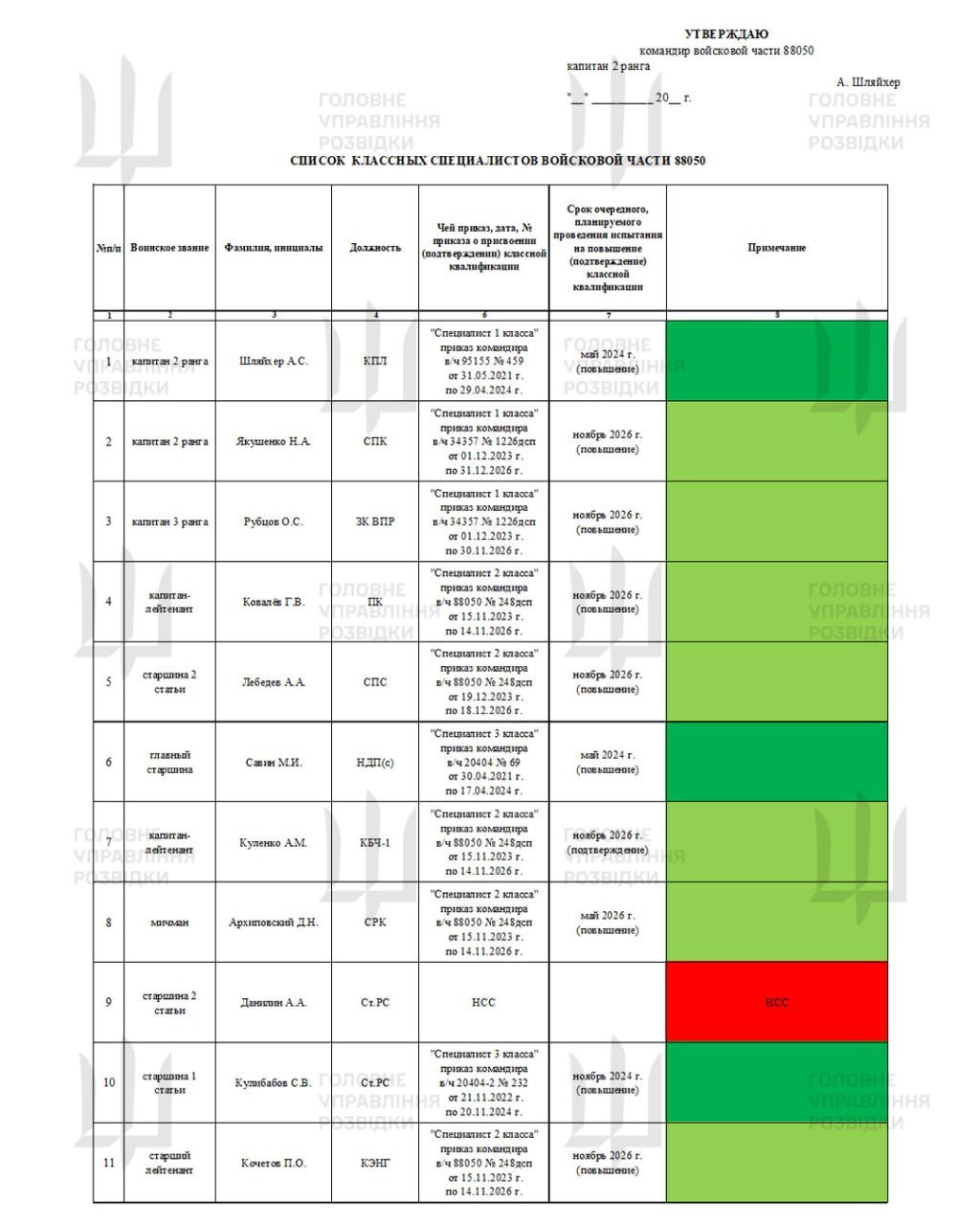
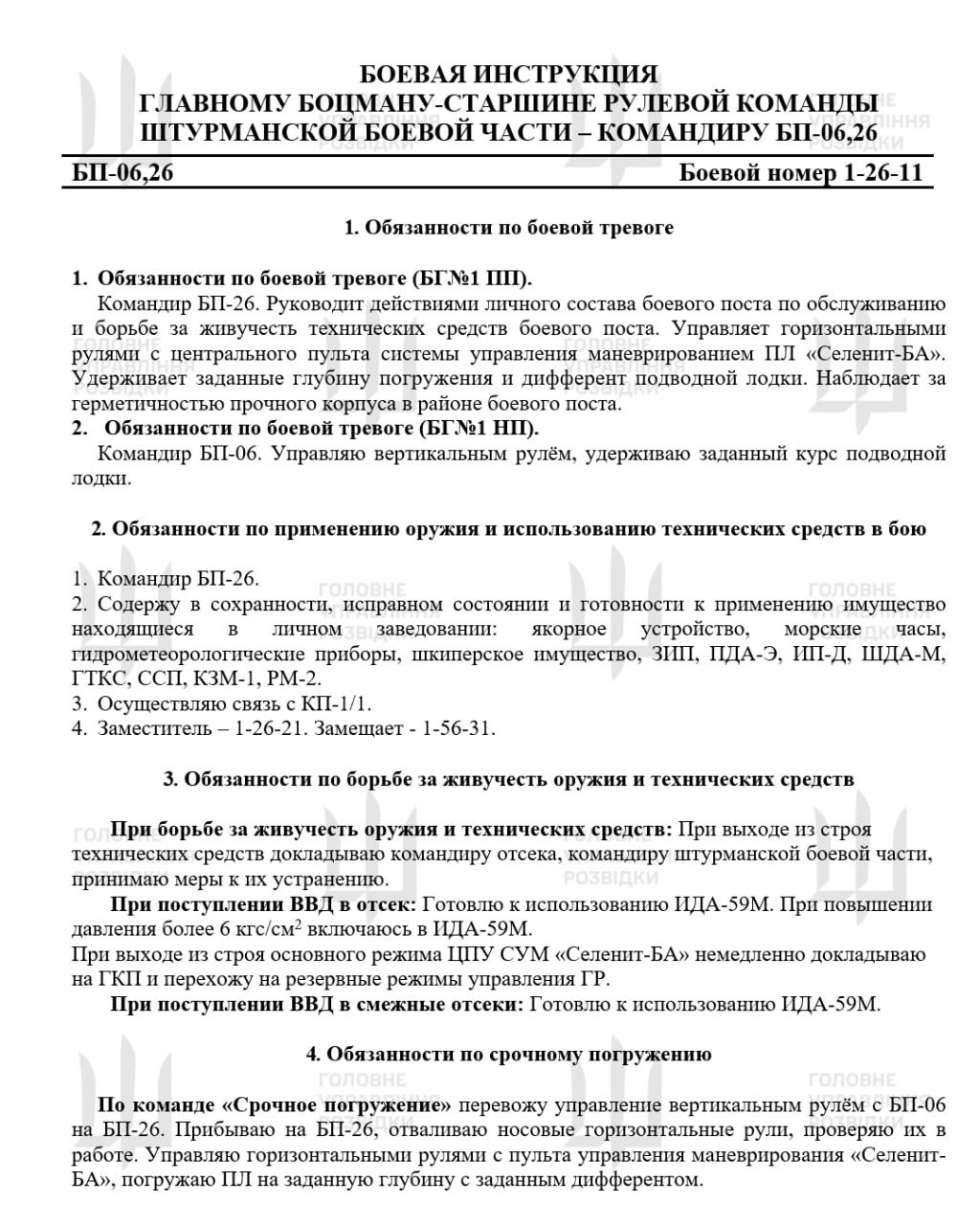
Design modifications compared to earlier Borei-class submarines include changes to the hull shape, bow structure, and conning tower. These adjustments reduce acoustic signature and increase stealth capabilities. Improvements have also been made to the ballistic missile launch systems.
Ukrainian intelligence officials emphasize that the obtained documentation provides insight not only into the Knyaz Pozharsky but also reveals broader technical characteristics and limitations across the entire Borei-A class. These submarines play a central role in Russia’s naval nuclear deterrent posture.
Earlier, Russia commissioned the Yakutsk, the final Project 636.3 diesel-electric submarine for its Pacific Fleet, completing the six-submarine Improved Kilo-class program. Designed for stealth and armed with Kalibr cruise missiles, these subs enhance Russia’s undersea capabilities in the Pacific amid rising regional tensions.
Discuss this article: