- Category
- Latest news
Putin Orders Nuclear Tests After Boasting of Nuclear-Powered Burevestnik Missile and Poseidon Torpedo
 Prefer U24 Media on Google
- Authors


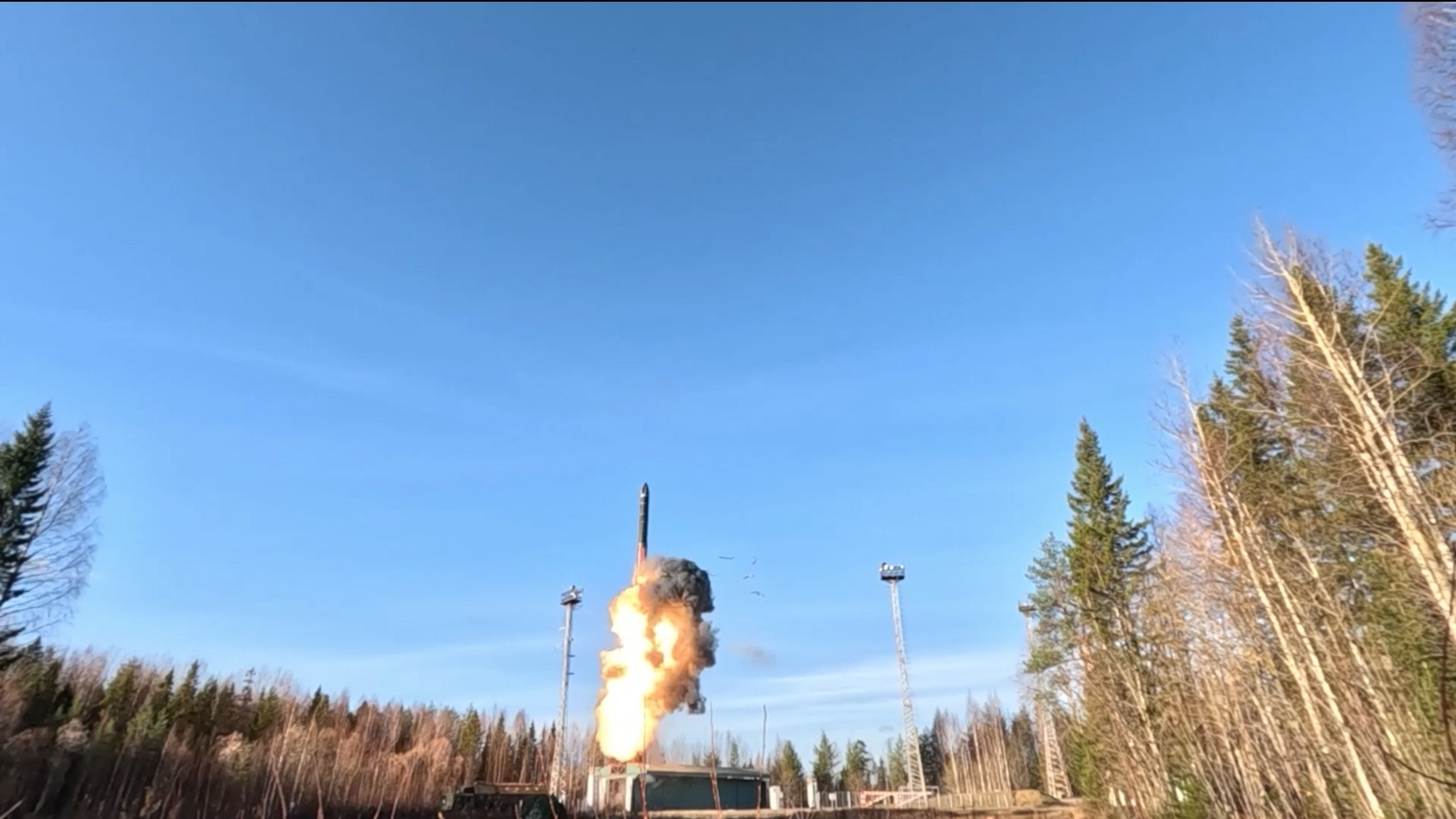
Russian leader Vladimir Putin has ordered his government and security agencies to begin preparing for potential full-scale nuclear weapons tests—a move that would end a 35-year moratorium and mark the country’s return to Cold War–style atomic posturing, according to Russian media outlet Meduza on November 5.
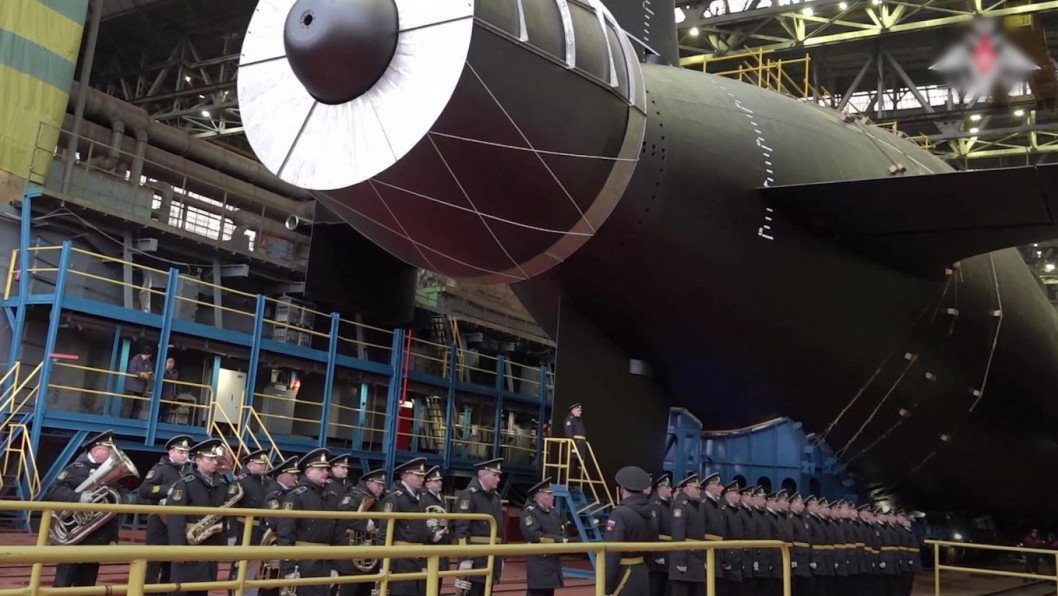
The announcement came just days after Putin boasted about new trials of Russia’s nuclear-powered Burevestnik cruise missile and Poseidon underwater drone, both of which are designed to bypass Western missile defense systems and deliver nuclear payloads across intercontinental ranges.
Dramatic moment Russian nuclear missile malfunctions and EXPLODES moments after test launch https://t.co/GZcDiRtjmp pic.twitter.com/jybdJdlCbh
— Daily Mail (@DailyMail) July 3, 2017
During a meeting of Russia’s Security Council, Defense Minister Andrei Belousov proposed that Putin “immediately begin preparations” for nuclear testing at the Novaya Zemlya test range, a remote Arctic archipelago once used for the Soviet Union’s most powerful nuclear detonations, including the world’s largest nuclear explosion, the 60 Mt Tsar Bomba.
“I consider it appropriate to begin preparations for full-scale nuclear tests immediately,” Belousov said, according to the Kremlin press service.
“The readiness of the central testing site on the Novaya Zemlya archipelago makes it possible to ensure this in a short time.”
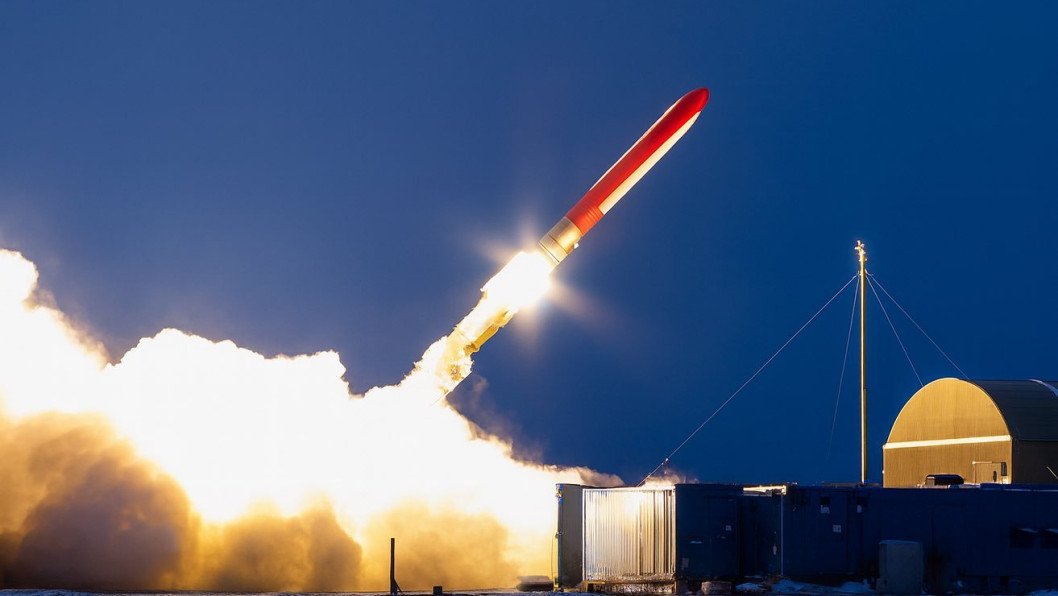
Belousov justified his call by accusing the United States of “systematically withdrawing from arms control treaties” and “rapidly modernizing its strategic offensive forces.”
He claimed that these alleged US plans, which include “the potential resumption of nuclear testing,” have “significantly increased the level of military danger for Russia.”
“We must maintain our nuclear potential in a state of readiness to inflict unacceptable damage on an adversary under any conditions,” Belousov continued. “Given these factors, I consider it appropriate to start preparations for full-scale nuclear tests immediately.”
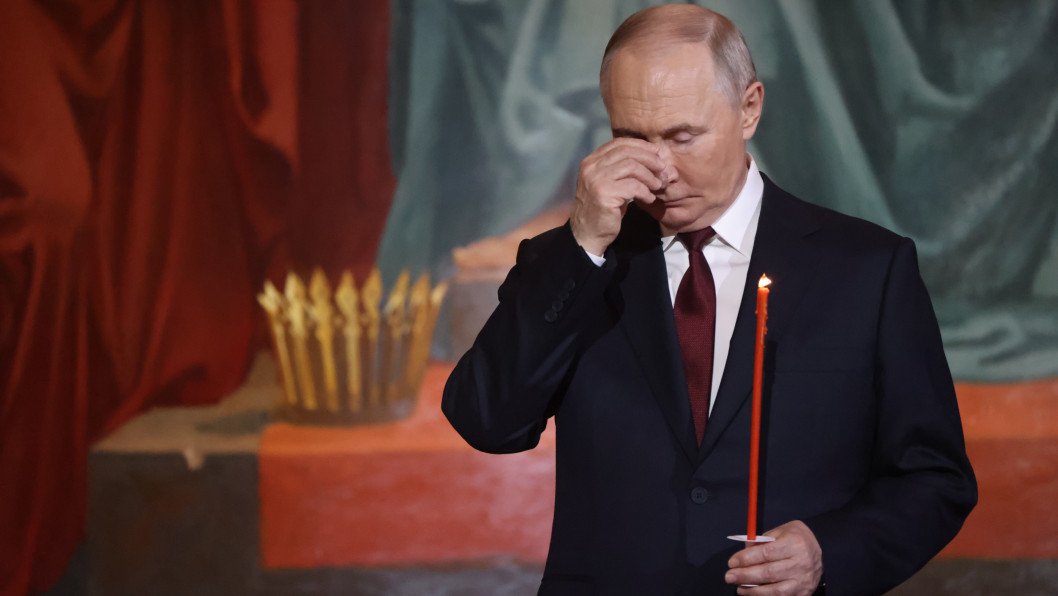
Putin did not immediately endorse the proposal but directed the Foreign Ministry, the Defense Ministry, intelligence services, and other agencies to collect data, assess the situation, and present “coordinated proposals on the possible start of preparations for nuclear weapons testing.”
“I instruct the Foreign Ministry, the Ministry of Defense, special services, and relevant civilian agencies to do everything necessary to gather additional information, conduct an analysis within the Security Council, and submit coordinated proposals regarding the possible start of preparations for nuclear weapons testing,” Putin said.
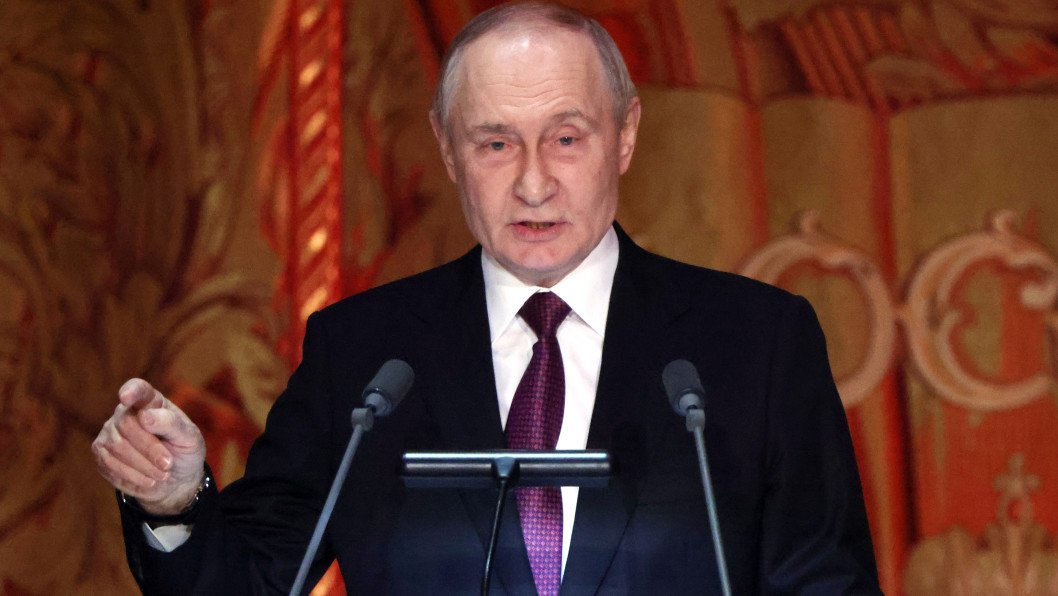
While Putin maintained that Russia “continues to adhere” to the Comprehensive Nuclear-Test-Ban Treaty (CTBT), he warned that Moscow would “respond accordingly” if the United States or any other signatory resumed nuclear tests.
“If the United States and other participants in the treaty carry out such tests, then Russia must respond accordingly,” the Russian leader declared.
The Novaya Zemlya testing ground has not hosted a nuclear detonation since October 24, 1990, when the Soviet Union conducted its last test before declaring a moratorium.
Analysts say a renewed test would mark the most serious breach of the international nuclear testing taboo in decades.
Earlier, Norway’s Vice Admiral Nils Andreas Stensoenes, head of Norway’s Intelligence Service, confirmed that Russia tested its nuclear-powered Burevestnik long-range cruise missile. The test launch of the weapon—dubbed the SSC-X-9 Skyfall by NATO—was conducted from Novaya Zemlya, an Arctic archipelago in the Barents Sea.
Discuss this article:

-c439b7bd9030ecf9d5a4287dc361ba31.jpg "Photo of Katherina Popilnichenko")