- Category
- Latest news
Putin Ready to Drop Iran After Venezuela to Secure a Relationship With Trump, Says Bloomberg
 Prefer U24 Media on Google
- Authors


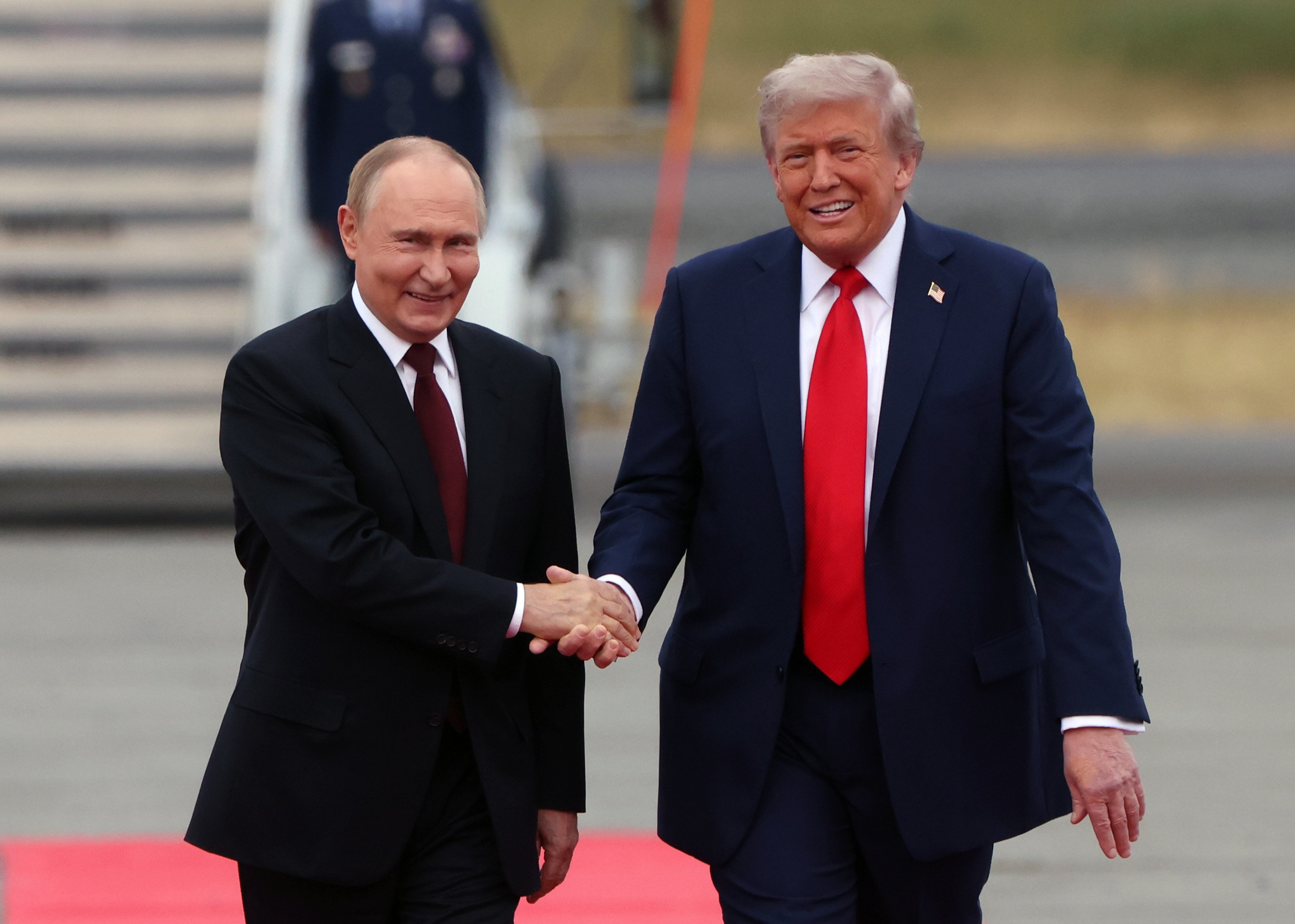
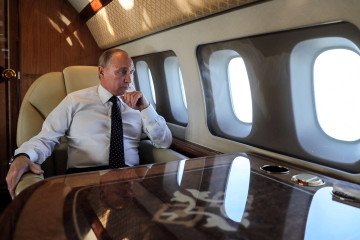
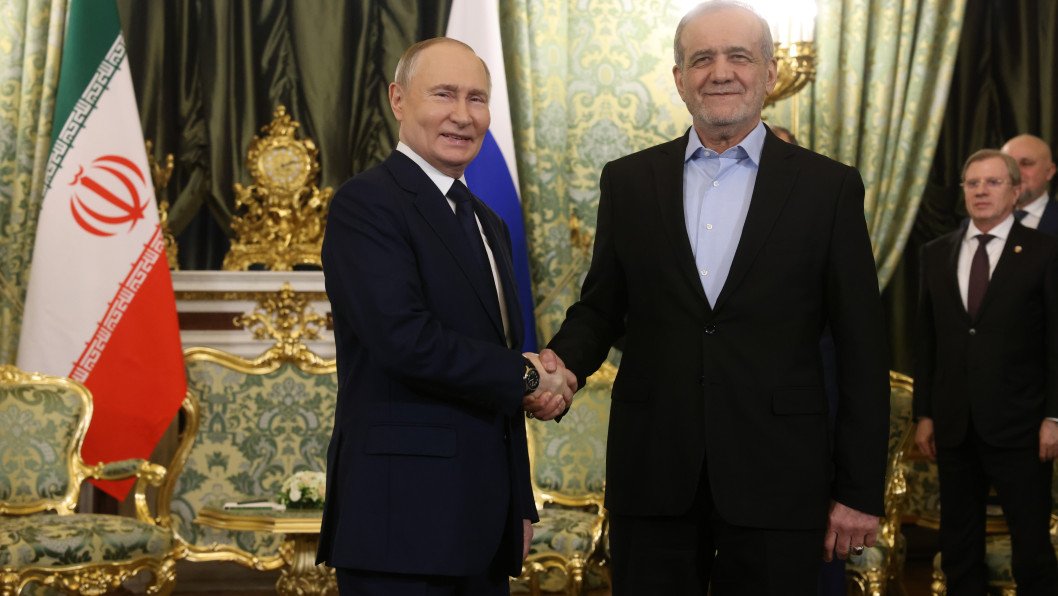
Russian leader Vladimir Putin appears increasingly reluctant to provide meaningful support to Iran despite a formal strategic partnership, as the Kremlin recalibrates its global priorities and focuses on improving relations with US President Donald Trump.
According to Bloomberg, Russian officials have indicated that while Moscow may continue to offer rhetorical backing to Tehran, direct involvement is unlikely.
Bloomberg, citing sources familiar with the Kremlin’s internal discussions, reports that Moscow is not expected to take significant action to support the Iranian regime, which is facing widespread domestic protests and the threat of further US military action.
-36ecf3ae032b188e3a67450954113aca.jpg)
This comes despite a formal “comprehensive strategic partnership” between Russia and Iran that came into effect in October 2025.
The sources note that Russia’s current military and economic priorities lie elsewhere—most notably in Ukraine—limiting its capacity to intervene on Tehran’s behalf. “Russia is unlikely to become deeply involved in helping Tehran, given its limited capacity and the priority of ending the war with Ukraine,” one source told Bloomberg.
This stance follows similar developments in Syria and Venezuela, where longstanding Russian allies have been removed or marginalized.
The government of Bashar al-Assad collapsed in December 2024, and former Venezuelan leader Nicolás Maduro was detained by US forces in January 2026. Both regimes had received military and financial support from Moscow in previous years.
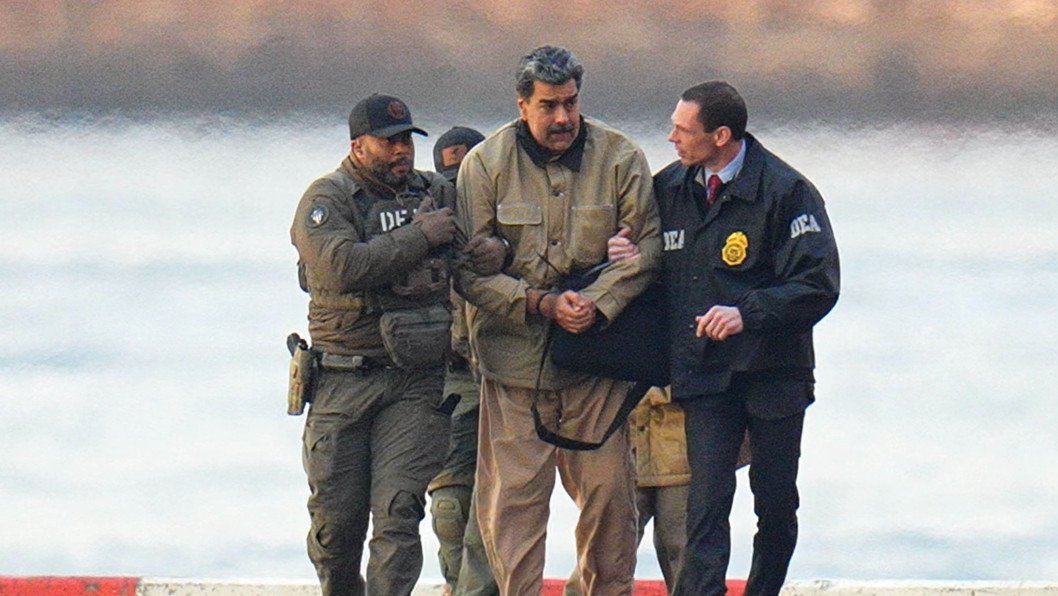
While the US operation to capture Maduro angered the Kremlin, Bloomberg reports that Russian officials do not see his loss as strategically devastating. Instead, the Kremlin appears to view stronger ties with Trump’s administration as a higher priority. “Relations with the US are more important to Moscow now than Venezuela,” a source familiar with the Kremlin’s position said.
Despite the scale of military-technical cooperation between Russia and Iran, which has included over $3 billion worth of arms—ranging from ballistic missiles to artillery shells—Moscow has taken limited action during key flashpoints. These include US strikes on Iranian nuclear facilities and a 12-day war between Iran and Israel in mid-2025.
In August 2025, Seyed Mohammad Sadr, a member of Iran’s Expediency Discernment Council, criticized Russia’s lack of action, reportedly calling the alliance with Putin “useless.”
According to Bloomberg, Sadr also claimed that Moscow shared information with Israel on Iran’s air defense systems, which allegedly enabled Israeli aircraft to strike strategic targets in central Iran.
The fallout from Russia’s limited support extends beyond Iran. In Venezuela, officials have privately expressed frustration with the failure of both Cuban and Russian intelligence services to detect or prevent the US operation that led to Maduro’s capture.
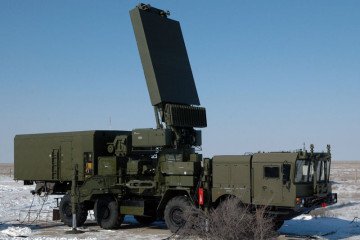
Bloomberg notes that Russian-made air defense systems, including the S-300 and Buk-M2, did not function effectively during the operation. Additionally, US cyberattacks reportedly disrupted Caracas’s power grid, further undermining Venezuela’s trust in Russian technical assistance.
Earlier, Iran has faced a renewed wave of nationwide protests driven by economic pressure, power shortages, and public frustration with the country’s leadership. The unrest has spread across major cities, with demonstrators openly challenging the authority of Supreme Leader Ali Khamenei amid fears of further US pressure and potential military escalation.
Discuss this article:
-4a56a6b482ec132402c16ef6fcabf9a2.png)