- Category
- Latest news
Pentagon Weighs Naval and Airborne Options to Counter Iranian Mines in Hormuz
 Prefer U24 Media on Google
- Authors

-111f0e5095e02c02446ffed57bfb0ab1.jpeg "Photo of Roman Kohanets")
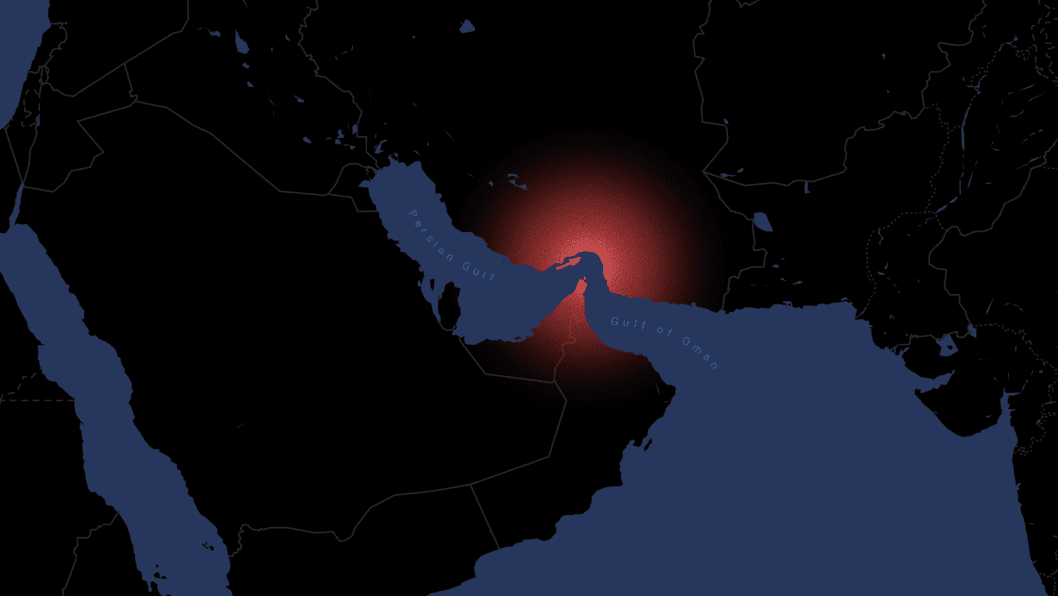
The United States has several naval and airborne options to counter Iranian mines in the Strait of Hormuz, according to Defense News on March 16.
The report remarked that Iran’s Islamic Revolutionary Guard Corps Navy has long treated mine warfare as a core part of its maritime strategy and that mines were reportedly laid in the sea passage last week.
Still, US Defense Secretary Pete Hegseth cautioned on Friday that there was “no clear evidence” of mines in the strait.
We bring you stories from the ground. Your support keeps our team in the field.
US forces have already targeted parts of Iran’s mine warfare infrastructure. Adm. Brad Cooper, head of US Central Command, stated on March 16 that American forces destroyed storage bunkers for naval mines during a strike on military targets on Iran’s Kharg Island on Friday.
CENTCOM also reported that 16 Iranian minelayers were destroyed last week. The report added that Iran is estimated to hold roughly 6,000 mines of several types, including limpet, moored, bottom, and drifting mines.
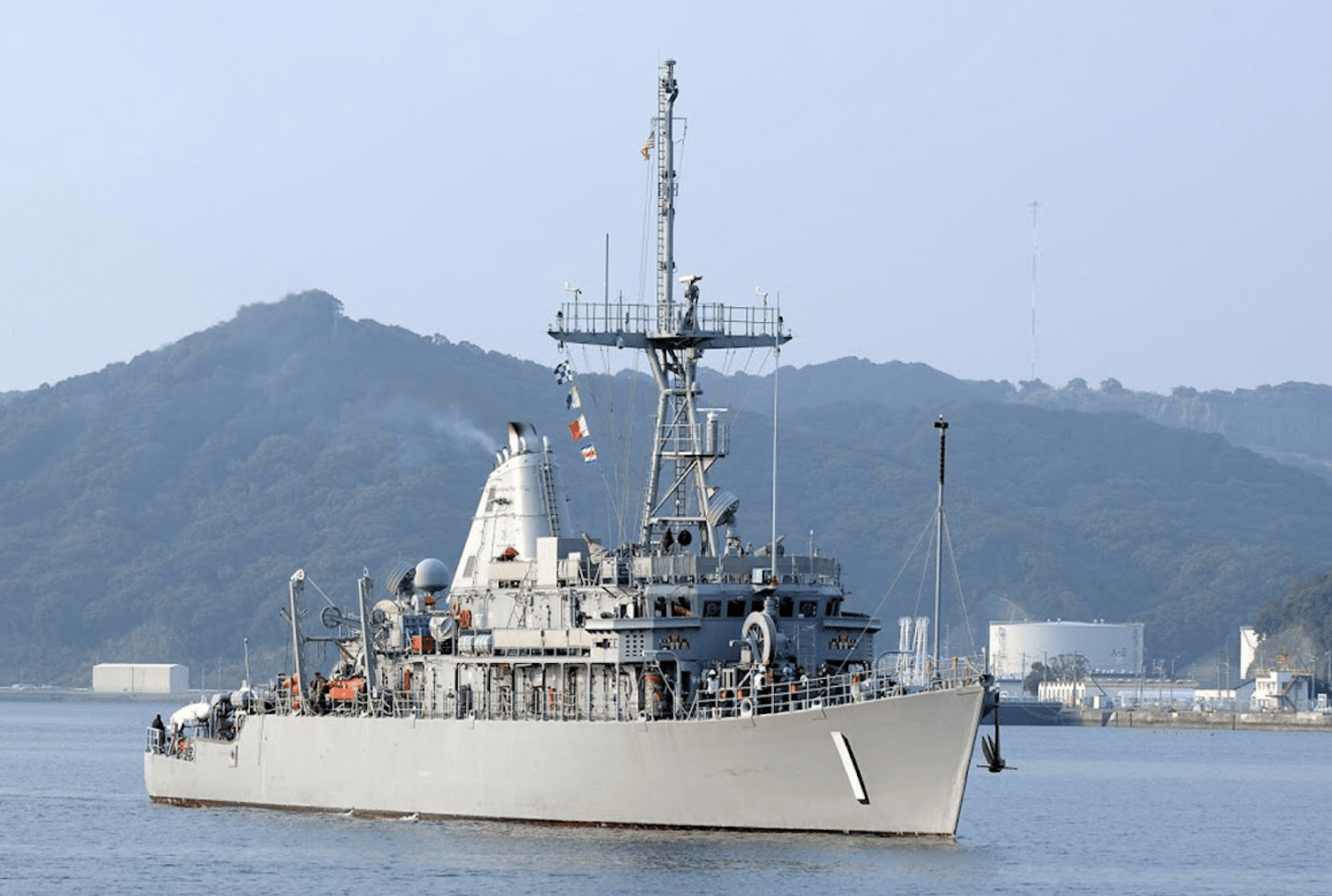
Among the key US assets are Avenger-class mine countermeasure ships, four of which are currently stationed in Sasebo, Japan, and could be sent to the Middle East if needed.
These vessels use sonar, remote operating vehicles, acoustic systems, electromagnetic tools, and mechanical sweeps to detect and destroy mines.
Built from wood and fiberglass to reduce their signature, they are designed to work inside or near mine-threat zones.
The US Navy has also shifted toward Independence-class littoral combat ships equipped with the mine countermeasures mission package. Defense News reported that the USS Canberra, USS Santa Barbara, and USS Tulsa are now based in Bahrain.
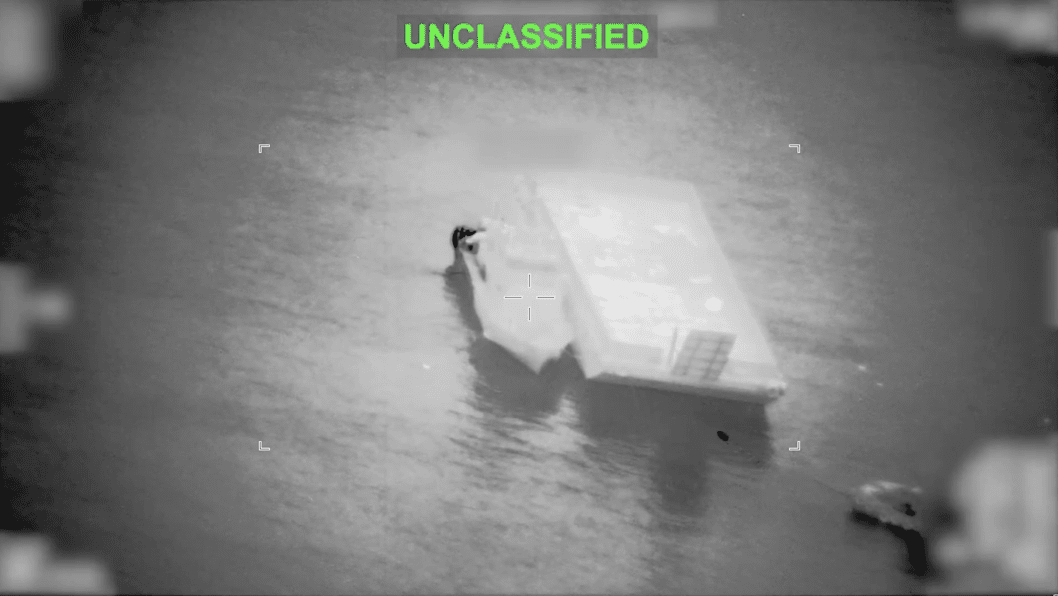
Unlike the older minesweepers, these ships stay outside mine-threat zones and rely on unmanned surface and underwater vehicles to locate and clear mines.
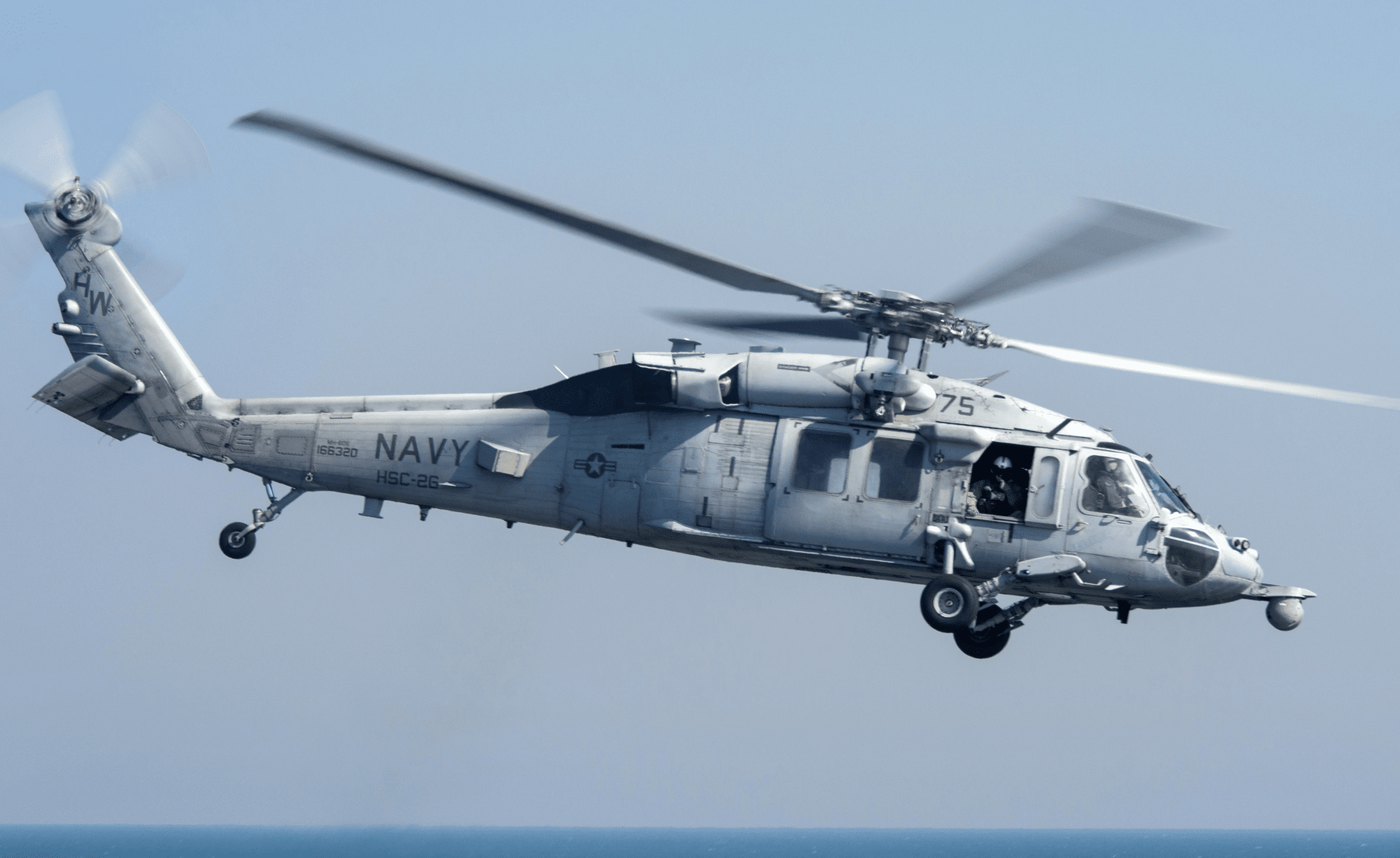
Helicopters remain another part of the US countermine toolkit. The mine warfare package includes the MH-60S Seahawk, which can detect floating and near-surface mines and deploy unmanned underwater vehicles to destroy them.
The situation is also shaped by emerging tactics that extend beyond conventional mine deployment.
Iran is increasingly suspected of deploying naval drones against commercial shipping in the Strait of Hormuz, with analysts pointing to recent strikes that damaged several tankers and set one vessel ablaze.
OSINT researchers documented that Tehran may already have displayed a craft that can operate with a crew on board or continue operating remotely after the sailors disembark.
Critics cautioned that the evidence remains inconclusive, but the narrow geography of the strait could reduce some radio-control limits and make such low-cost attacks harder for largely defenseless tankers to counter.
Discuss this article: