- Category
- Latest news
Rheinmetall CEO Says Lack of Funding—not Weapons—Now Limits Military Aid to Ukraine
 Prefer U24 Media on Google
- Authors


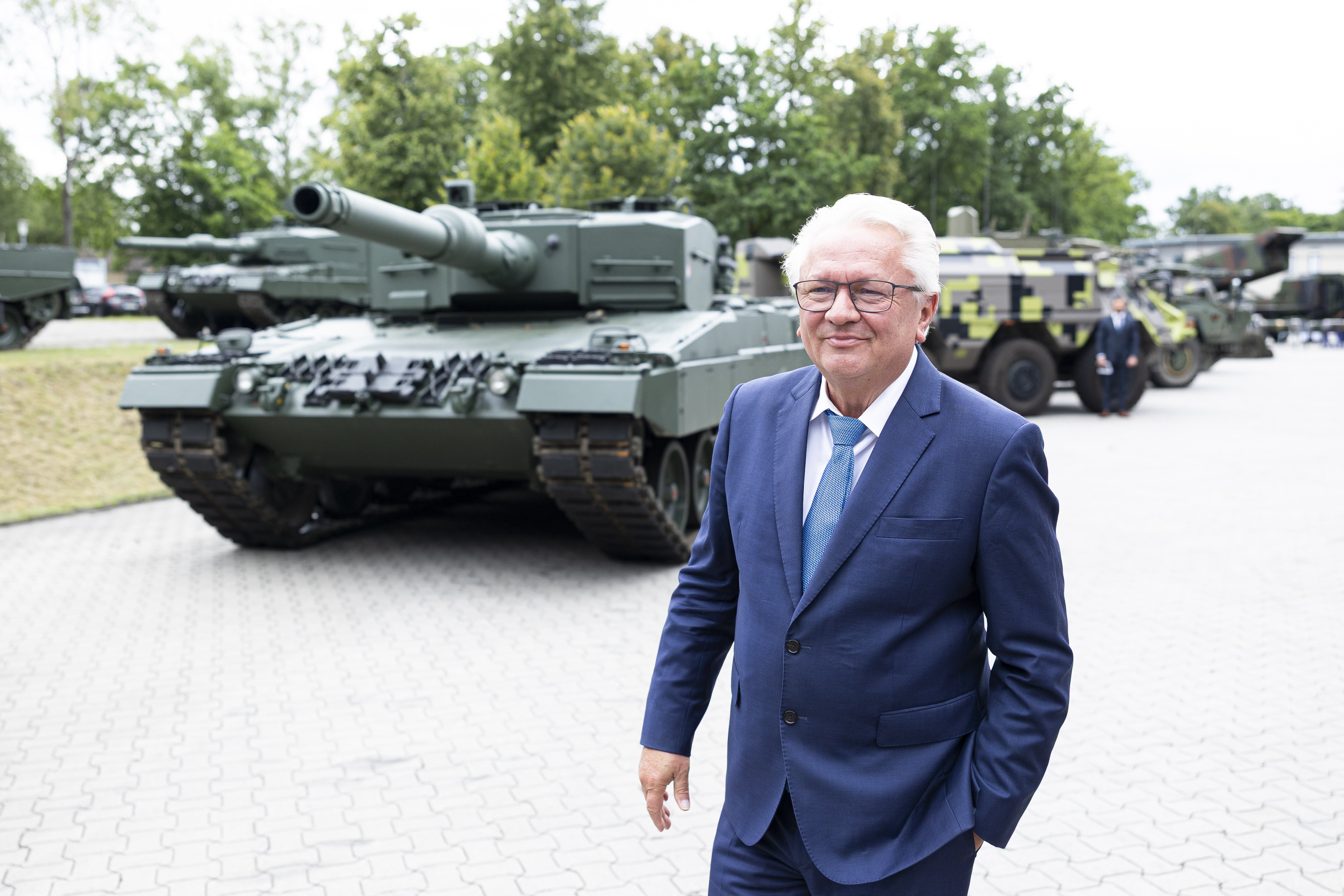
A lack of financing—not industrial capacity—is currently the main factor restricting the scale of military assistance that could be delivered to Ukraine, Rheinmetall Chief Executive Officer Armin Papperger said in remarks published by the Berlin-based outlet Table Media on February 16.
Speaking at the Table.Today podcast, Papperger said the German defense manufacturer could provide significantly larger quantities of ammunition, air-defense systems, and armored vehicles if governments or international partners secured the necessary funding.
We bring you stories from the ground. Your support keeps our team in the field.
“There is currently a lack of funding for Ukraine, and much more could be provided in terms of military aid if only someone would pay for it,” Papperger said during the interview, as reported by Table Media.
He added that sustained military support will remain necessary and said he does not expect the war to end in the near future, expressing the view that the war is unlikely to conclude in 2026.
Rheinmetall—one of Europe’s largest defense contractors—has become a central supplier of equipment to Ukraine since the start of Russia’s full-scale invasion, producing artillery ammunition, armored platforms, and air-defense components used by NATO-aligned forces.
Papperger’s comments come as European governments debate long-term funding mechanisms for continued military assistance to Ukraine.
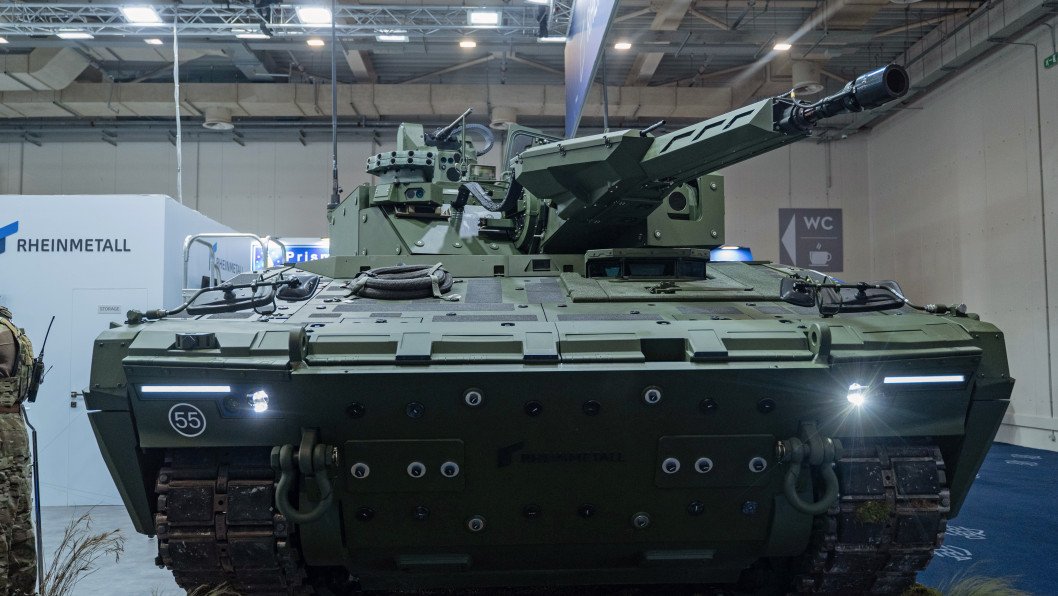
While production capacity across the European defense industry has expanded, including Rheinmetall’s investments in ammunition output and armored-vehicle programs, financing decisions by partner states remain the decisive constraint on future deliveries.
Analysts note that Ukraine’s battlefield needs remain extensive despite Germany emerging as one of the largest contributors of military aid, both through direct equipment transfers and through financing defense production in Germany and Ukraine.
Examples frequently cited in defense reporting include systems such as IRIS-T SLM air defense, Skyranger and Skynex anti-drone platforms, artillery ammunition, and KF41 Lynx infantry fighting vehicles, some of which have already demonstrated effectiveness in combat.
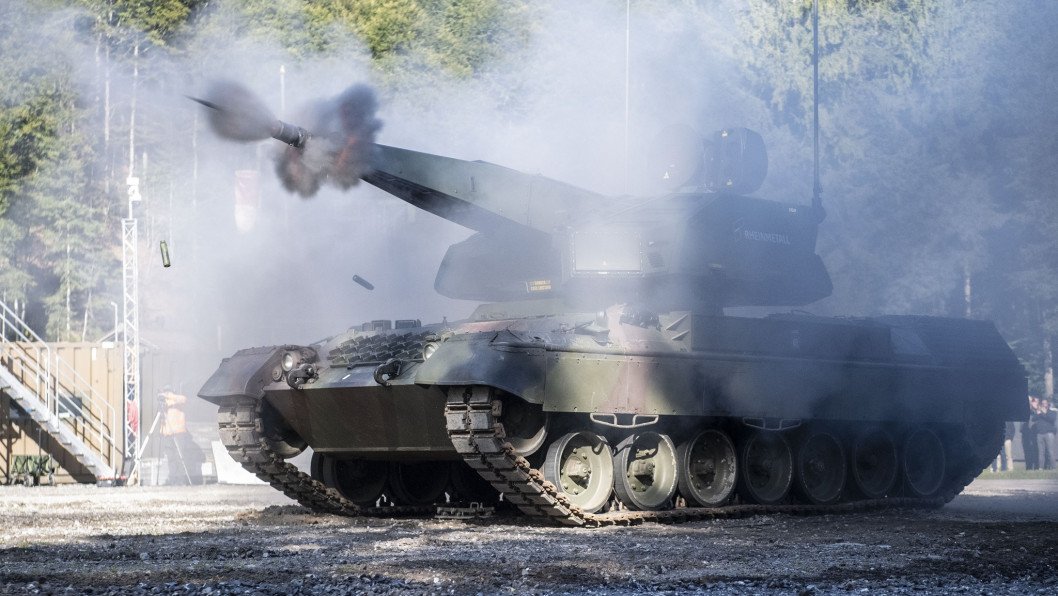
Even so, the scale of Ukraine’s operational requirements continues to exceed available funding.
Additional financial support—from partner nations or potentially from frozen Russian assets—could significantly expand procurement volumes, including previously constrained programs.
Papperger’s assessment reflects broader concerns within the European defense sector that sustained, predictable financing will be essential to maintain long-term military support for Ukraine.
His remarks also underscore a central reality of the war’s industrial dimension. The capacity to produce weapons increasingly exists—but the political will and funding to purchase them determine how much aid ultimately reaches the battlefield.
Earlier, reports emerged that Germany became Ukraine’s largest provider of military support, with German funding and contracts indicating further deliveries of air defense systems, artillery, and drones through 2026.
Discuss this article:

-f8b795e6bf1d73fc2fdbfd74f5e7ea96.jpeg "Massive flames and thick black smoke rise from the Omsky Kauchuk chemical plant in Russia following a Ukrainian drone strike on October 24, 2026. (Source: Exilenova+)")