- Category
- Latest news
Russia and China Advance Power of Siberia-2 Pipeline—But Beijing Remains Cautious
 Prefer U24 Media on Google
- Authors


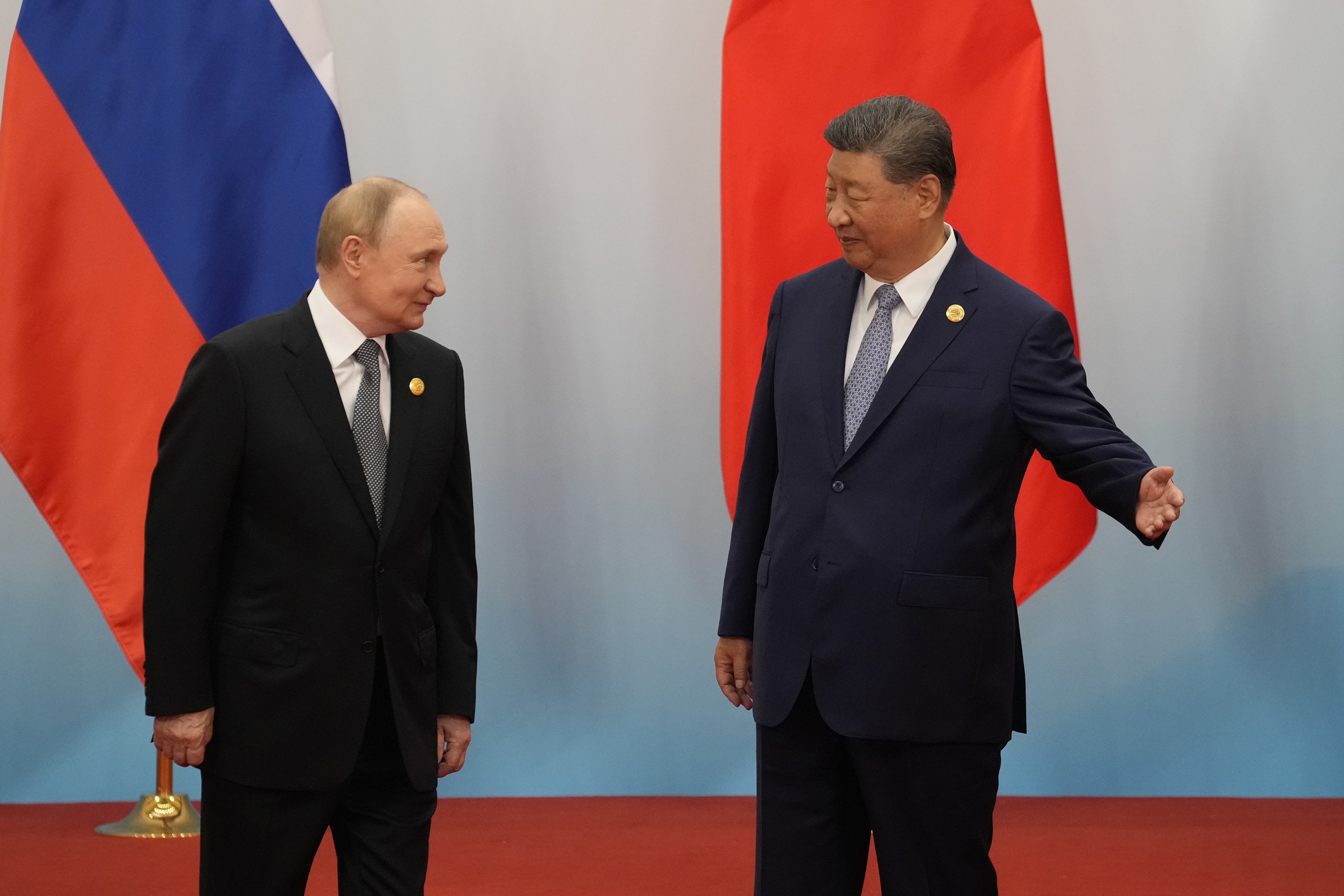
Russia’s Gazprom has signed a memorandum with China on the construction of the “Power of Siberia-2” gas pipeline, a project planned to run through Mongolia, according to Russian state media TASS on September 1.
The agreement was announced in Beijing during Russian leader Vladimir Putin’s visit following the Shanghai Cooperation Organization summit, according to Russian state media TASS.
Gazprom chief Alexei Miller said the pipeline could supply up to 50 billion cubic meters of gas annually to China over a 30-year period. He described it as one of the largest energy projects globally, also including the transit line “Union East” through Mongolia.
In addition, Russia pledged to increase annual deliveries through the existing “Power of Siberia” pipeline from 38 to 44 billion cubic meters.
While Moscow framed the announcement as a breakthrough, Beijing has not publicly confirmed the details. China’s state news agency Xinhua reported on the signing of more than 20 bilateral cooperation agreements but did not mention the new pipeline.
Negotiations over “Power of Siberia-2” have been stalled for years, with disagreements over price, financing, and long-term demand.
According to Bloomberg, the memorandum leaves key questions unanswered. It is not clear whether China will commit funds to construction or require Russia to cover the costs. Pricing terms, delivery flexibility, and a construction timeline were also not disclosed.
Russia views the project as a way to redirect exports lost in Europe after 2022, when EU states began phasing out pipeline imports following the full-scale invasion of Ukraine.
-6aa9a81a4422f2c7e9b1b5fbb005877d.jpg)
The European Union aims to end such imports entirely by 2027. Analysts note that China, cautious about overreliance on Russian energy and facing slowing domestic demand, has used the negotiations to secure favorable terms.
Political observers suggest that for Moscow, the agreement provides diplomatic leverage but further binds Russia’s energy sector to China. For Beijing, it ensures access to cheaper gas while leaving financial risks with Russia.
Earlier in August, China significantly increased imports of Russia’s Urals crude, nearly doubling average volumes as Indian refiners pulled back under pressure from new US tariffs.
Chinese refiners secured up to 15 cargoes for October and November, capitalizing on discounted prices amid a temporary trade truce with Washington.
Discuss this article: