- Category
- Latest news
Russia Equips Shaheds With Chinese Mesh Modems, Making Them FPV-Capable
 Prefer U24 Media on Google
- Authors


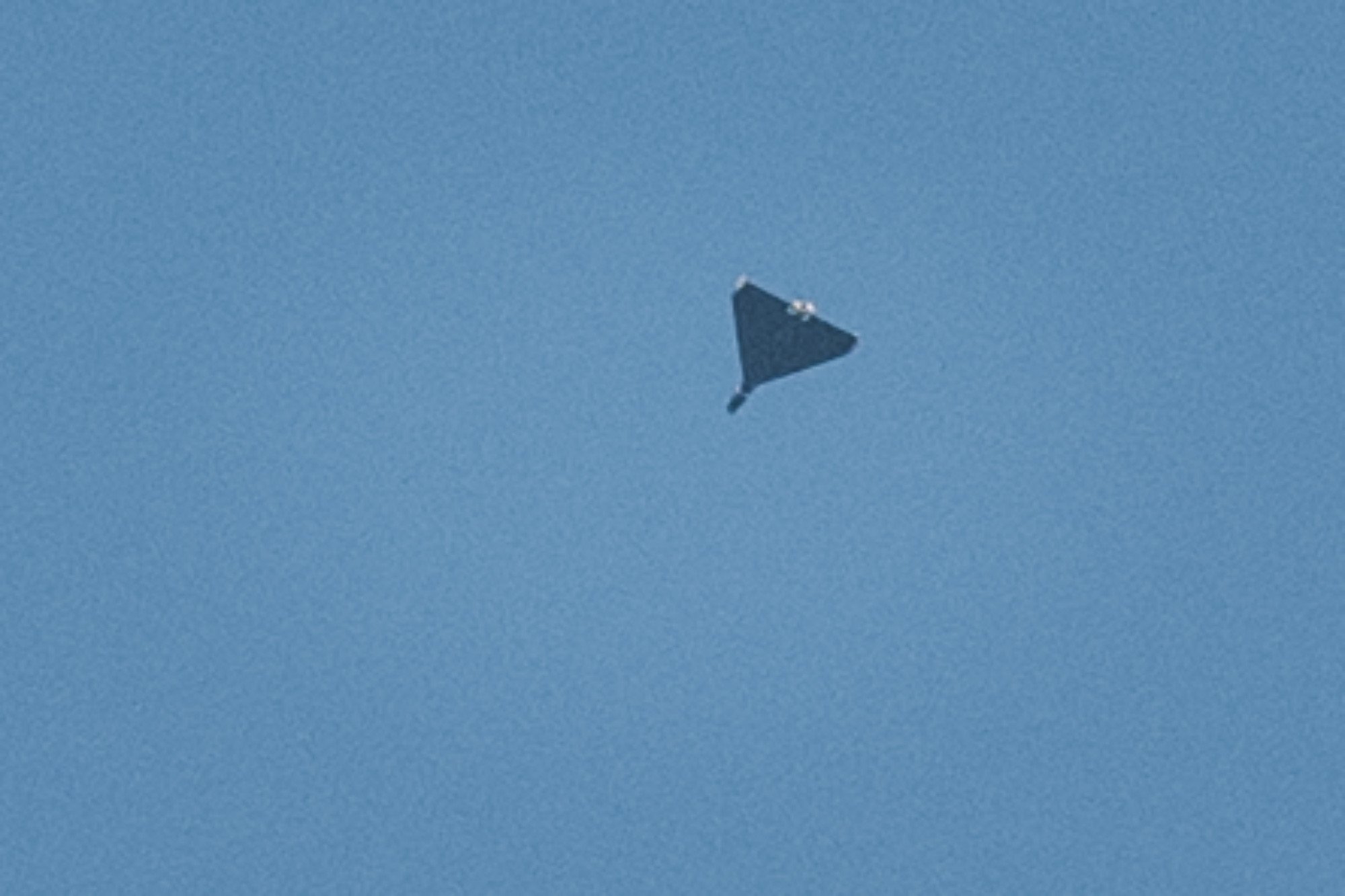
Wreckage from a recently downed Shahed drone revealed a complete set of equipment—including a mesh modem, antennas, and a forward-facing camera—that could allow the loitering munition to be converted into a steerable FPV-style weapon, Ukrainian defense outlet Defense Express reported on September 11.
According to the analysis, Russia has increasingly integrated mesh-networking technology into its long-range Geran-2 (Shahed-136) drones, alongside surveillance-grade cameras rigidly mounted to their nose.
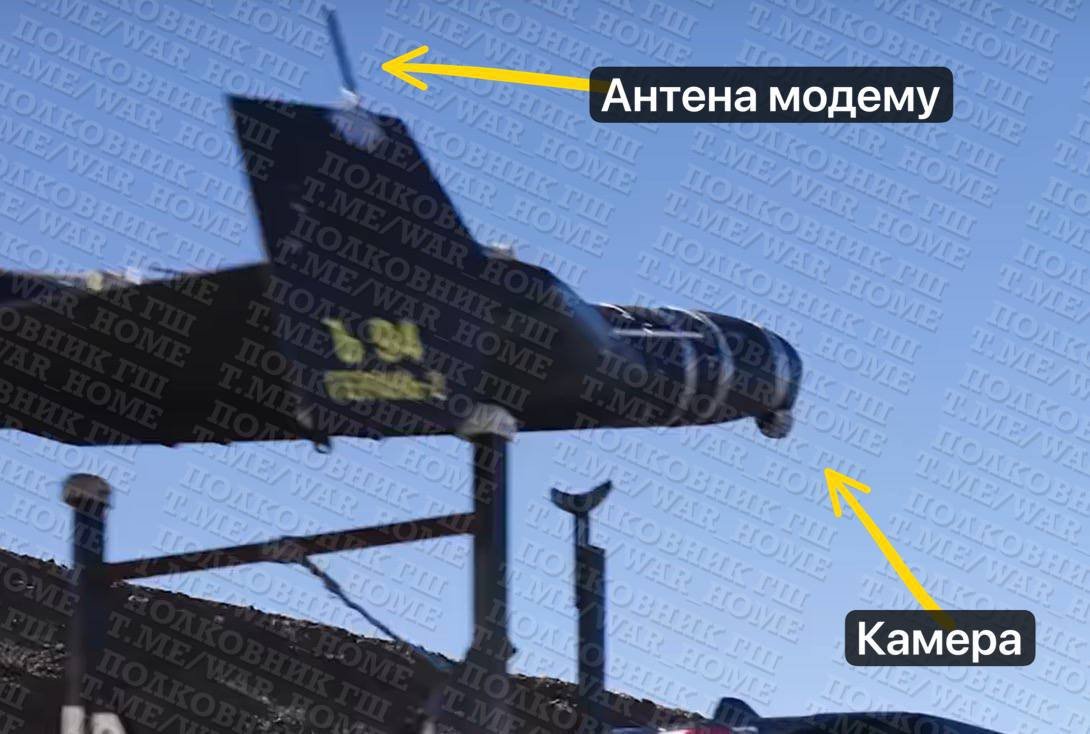
The discovery, confirmed by Defense Express through its own sources and photographs, indicates that the modification has transitioned from an experimental stage to serial use.
From experiments to serial production
Mesh modems first appeared earlier this year on smaller Russian foam-body drones, dubbed “Gerbers,” according to Serhii Flash, a specialist in electronic warfare.
By July, Ukrainian defenders began spotting the same modems on Shaheds, with sightings becoming more frequent in August. By September, analysts concluded that Russia had adopted the modification on a regular production basis.
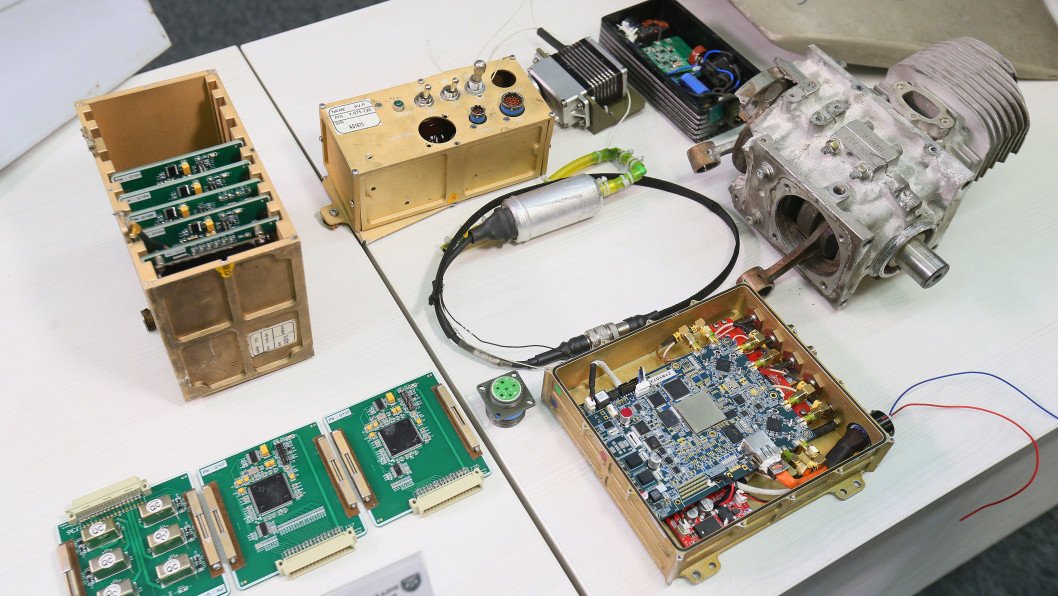
The specific hardware identified is the Chinese-made Mesh Network XK-F358 by Xingkai Tech, labeled in some cases as HX-50.
Defense Express noted that the unit on the Shahed matches the same type previously recovered from Gerber drones.
Why it matters
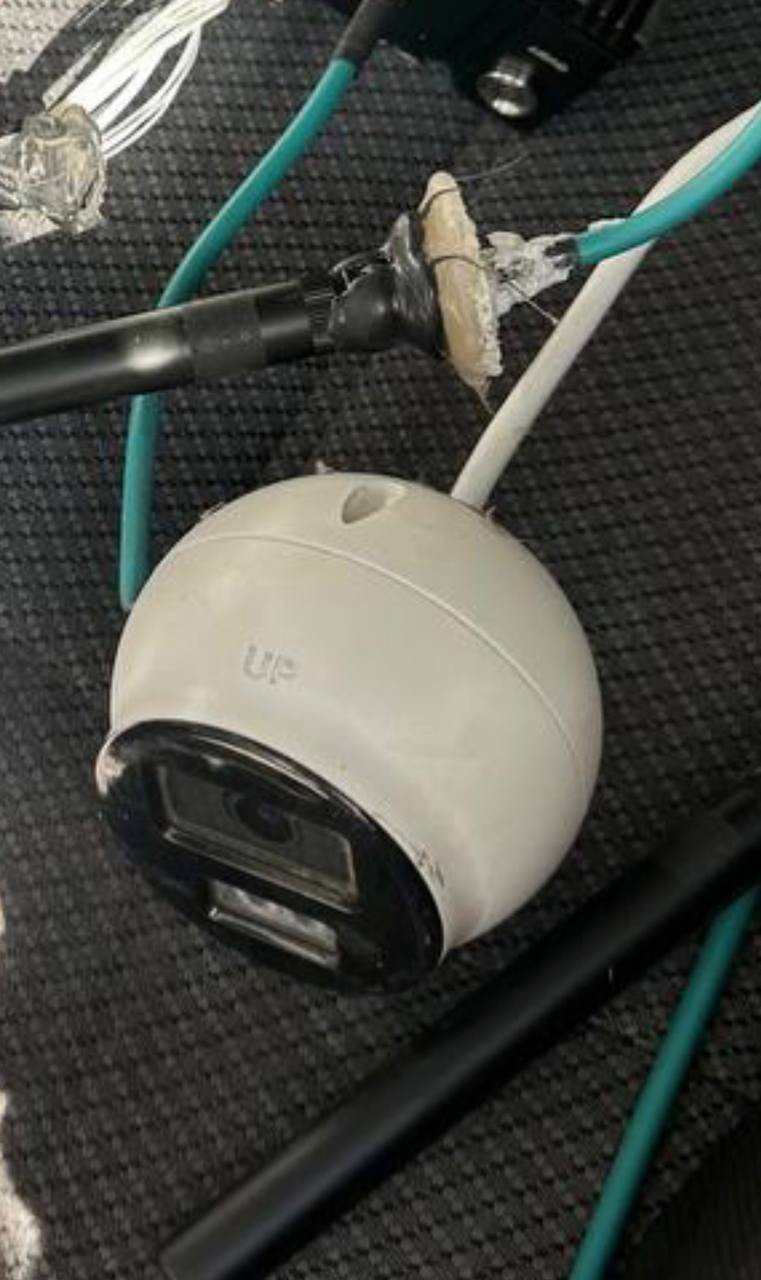
The mounted camera, while not high-grade, resembles those used in standard security surveillance systems.
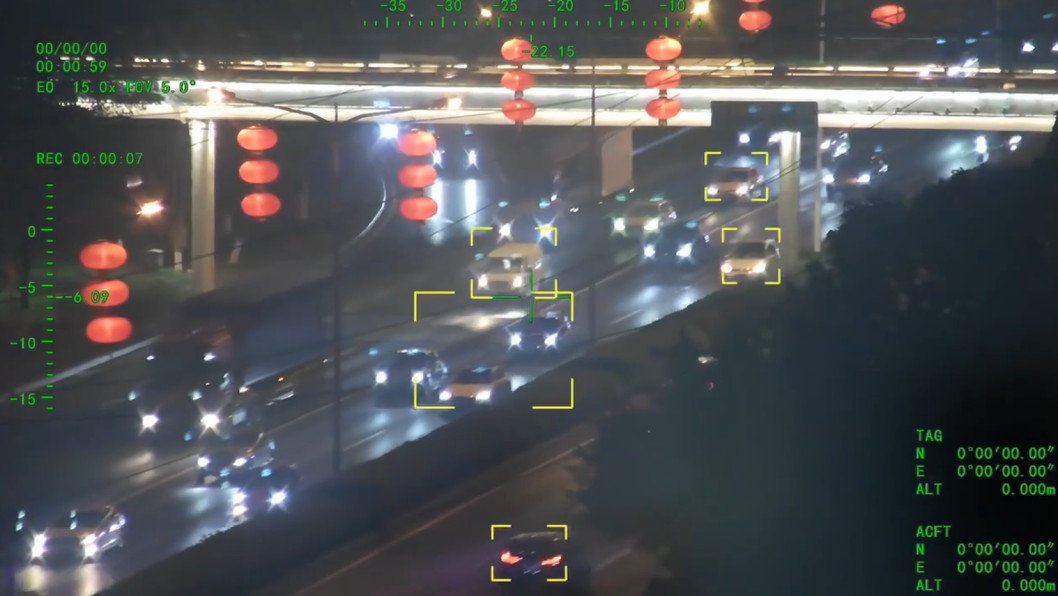
Its narrow forward view could be sufficient for mid-flight course corrections or terminal guidance if the drone is piloted in real time.
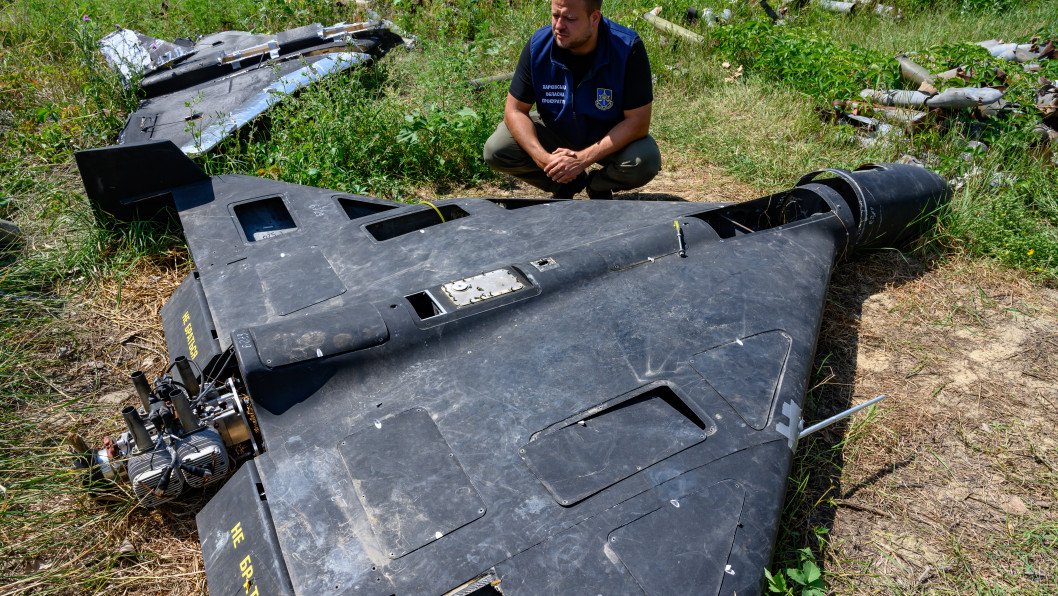
The critical question, analysts argue, lies in data transmission. Defense Express pointed out as early as July that such drones may require ground-based relay stations installed by Russian agents.
Another theoretical possibility is creating an airborne mesh “chain” of drones relaying signals to each other. While technically feasible, experts describe this as operationally complex.
A new layer of threat
If confirmed at scale, the adaptation would give Russia the ability to steer drones onto targets mid-flight, raising risks for both military and civilian infrastructure across Ukraine.
As Defense Express emphasized, the evolution of Shaheds from one-way suicide drones to potentially controllable, networked strike platforms represents a significant tactical shift in Russia’s drone war.
Earlier, Ukraine’s Defense Intelligence Directorate (HUR) identified a new Russian drone that relies on mobile internet networks for control.
Discuss this article:


-72b63a4e0c8c475ad81fe3eed3f63729.jpeg "Photo of Cyril Barabaltchouk")
-c439b7bd9030ecf9d5a4287dc361ba31.jpg "Photo of Katherina Popilnichenko")


-111f0e5095e02c02446ffed57bfb0ab1.jpeg "Photo of Roman Kohanets")