- Category
- Latest news
Russia Expected to Use Spring Foliage to Hide Troops From Ukrainian Drones
 Prefer U24 Media on Google
- Authors

-111f0e5095e02c02446ffed57bfb0ab1.jpeg "Photo of Roman Kohanets")
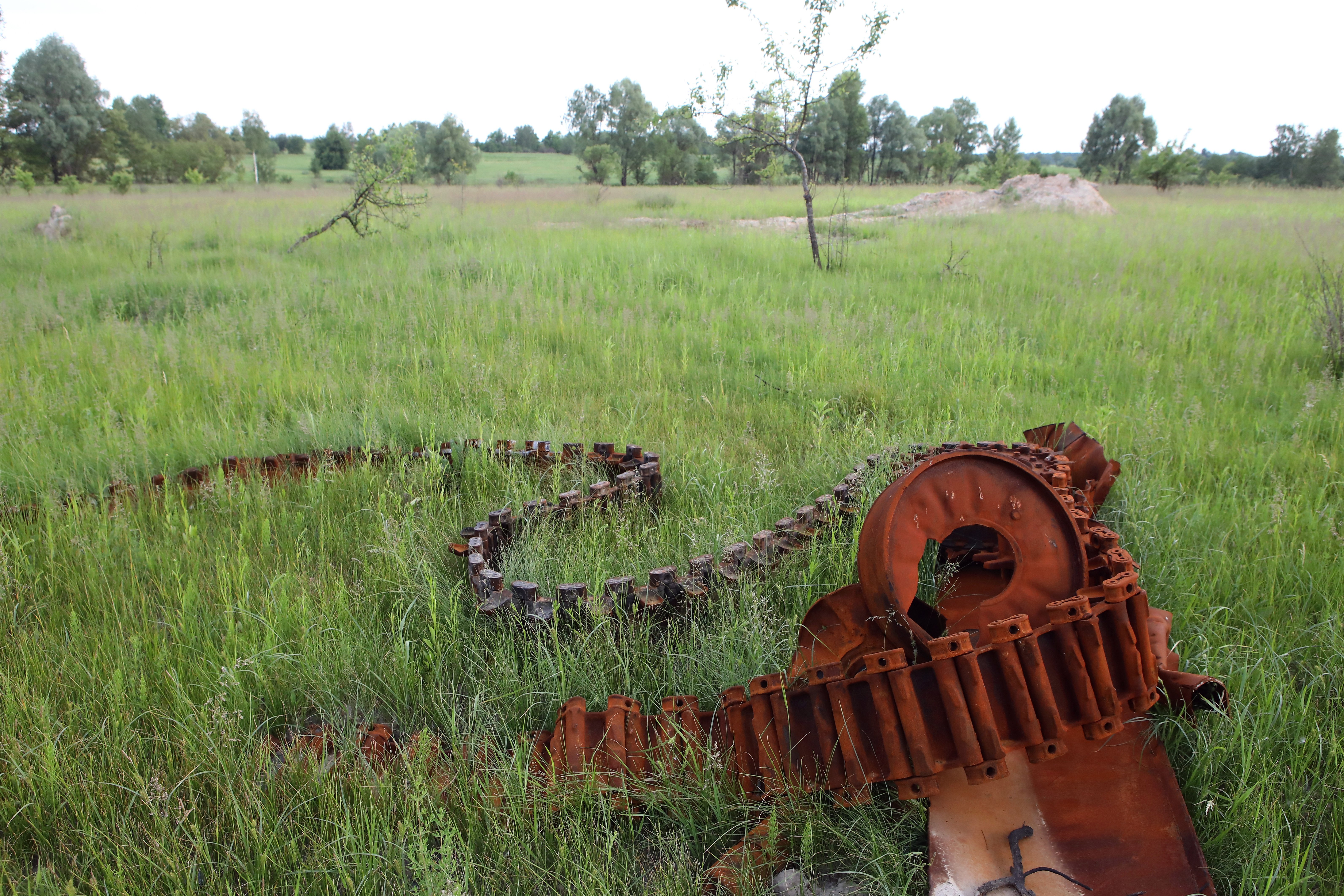
Russia is expected to use the return of spring vegetation to help conceal troops from Ukrainian drones and surveillance systems, according to The New York Times on April 6.
The shift in seasonal conditions is emerging as a key factor on the battlefield as both armies prepare for intensified operations.
We bring you stories from the ground. Your support keeps our team in the field.
In a war increasingly shaped by drone reconnaissance and precision strikes, thicker foliage and renewed ground cover can reduce air visibility and make it harder to detect troop movements, hidden positions, and equipment concentrations.
The report noted that Russia is likely to benefit from the changing terrain as it presses ahead with offensive operations.
Trees, brush, and denser vegetation can help mask infantry movements and staging areas, especially in frontline sectors where drones have become central to spotting targets and directing artillery.
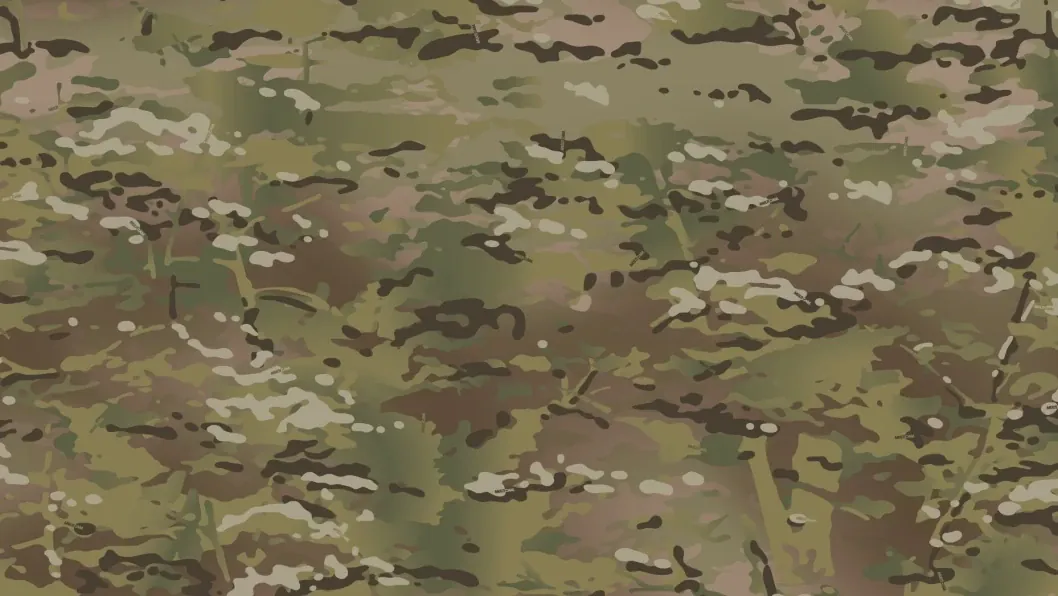
That gives Russian forces more opportunities to move personnel and matériel with less exposure than during the bare winter months.
Ukrainian commanders have repeatedly stressed how heavily the war now depends on aerial observation. In that environment, seasonal foliage is not a minor detail but a battlefield variable that can affect how quickly units are identified and struck.
The report presented the spring green-up as one of the conditions Russia may try to exploit to complicate Ukraine’s surveillance and defensive response.
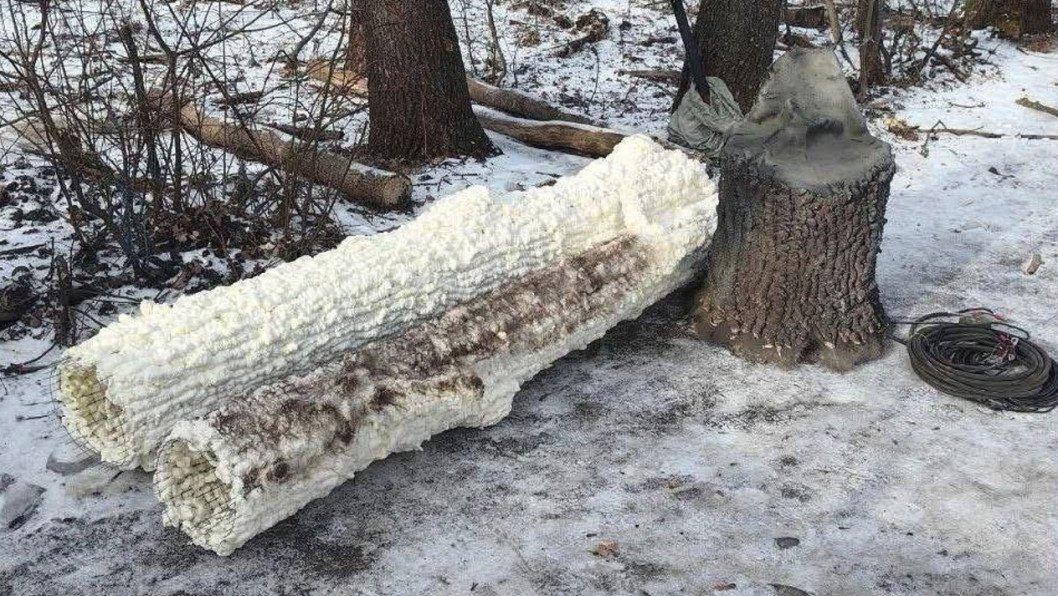
But even with a thicker cover returning to the battlefield, Ukrainian forces have continued to show they can detect and strike concealed Russian systems.
A report came that Ukrainian drone operators destroyed a Russian Buk-M3 surface-to-air missile system in the temporarily occupied Luhansk region after locating it hidden in tree lines, according to footage released by Ukraine’s Unmanned Systems Forces on March 31.
The Buk-M3 entered service in 2016 as a modernized version of the Soviet-designed Buk and serves as a key part of Russia’s layered air defense network against aircraft, cruise missiles, and other aerial threats.
Discuss this article:
-9bd5e1532102621f8fb1c4ba871a3171.png)

-c439b7bd9030ecf9d5a4287dc361ba31.jpg "Photo of Katherina Popilnichenko")