- Category
- Latest news
Russia Preparing Mass Naval Drone Strikes in Black Sea, Ukrainian Intel Warns
 Prefer U24 Media on Google
- Authors


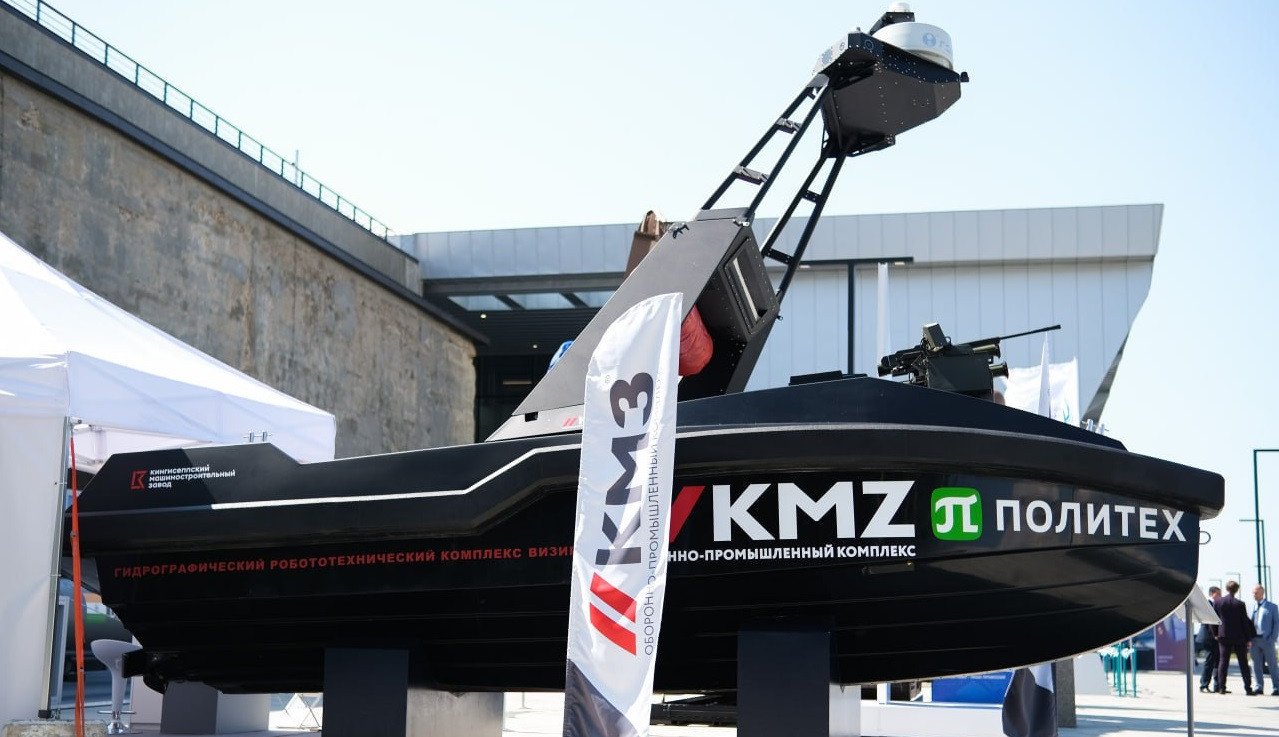
Russia is preparing to expand the use of naval drones in its war against Ukraine, with plans indicating a potential shift toward mass deployment in the Black Sea.
According to RBC-Ukraine on February 18, citing Ukraine’s Main Directorate of Intelligence (HUR), Russia has not yet achieved systematic or effective combat use of these systems with significant battlefield impact. However, intelligence officials state that production plans point to preparations for broader application.
We bring you stories from the ground. Your support keeps our team in the field.
HUR told RBC-Ukraine that no “systemic or effective use of these assets with significant combat impact” has been recorded so far. At the same time, intelligence officials noted that plans to manufacture up to 40 units per month of certain platforms, including the “Skat” type naval drone, “indicate the enemy’s intention to shift to tactics of mass deployment.”
Among the systems under development is the “Triton” naval drone, reportedly capable of reaching speeds of up to 100 km/h. Ukrainian intelligence assesses that this platform could be intended for attacks against civilian shipping and port infrastructure.
HUR also highlighted the development of the autonomous underwater vehicle “Prosveet-1,” reportedly designed to counter Ukrainian underwater unmanned systems.
Dmytro Pletenchuk, spokesperson for Ukraine’s Navy, told RBC-Ukraine that Russia is not copying a specific Ukrainian platform but rather the broader operational model behind Ukraine’s naval drone campaign.
“They are not copying a specific drone. They are copying the logic: a fast platform, low visibility, modularity, an attempt at integration into a system,” Pletenchuk said.
-78efa6719df78036a8fc5a7364cb2542.jpg)
Russia has moved over the past year from conceptual design to active testing and attempts at serial production. Most projects remain in development or limited operational testing phases.
In addition to “Triton” and “Skat,” open sources referenced by RBC-Ukraine mention other concepts, including “Odduvanchik,” “Murena,” “Vizir,” and “Katran.” These reportedly range from direct strike platforms with large explosive payloads to sensor-equipped systems intended for surveillance roles.
Some designs are described as carrier-type unmanned surface vessels capable of launching smaller FPV drones closer to shorelines or protected infrastructure. However Ukrainian intelligence assesses that Russia continues to face challenges in communications, navigation, and access to key components—factors that limit operational reliability.
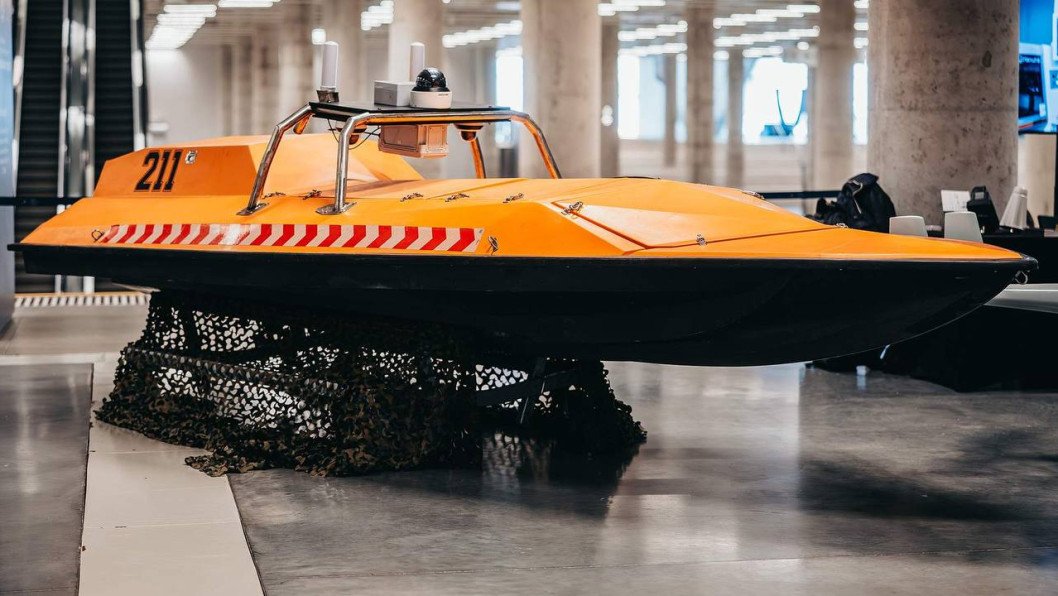
According to RBC-Ukraine, sources in Ukrainian military and political circles indicate that the Kremlin views naval drones as part of a broader strategy aimed at exerting pressure on Ukrainian shipping and establishing a de facto blockade in the Black Sea.
Russia has continued missile and drone strikes against port infrastructure in Odesa, Chornomorsk, and Izmail, and naval drones are being considered as an additional instrument within that pressure campaign.
HUR stated that in the strategic dimension, the development of naval unmanned systems is viewed by Russia as part of a long-term military policy aimed at asymmetric confrontation with technologically advanced naval powers.
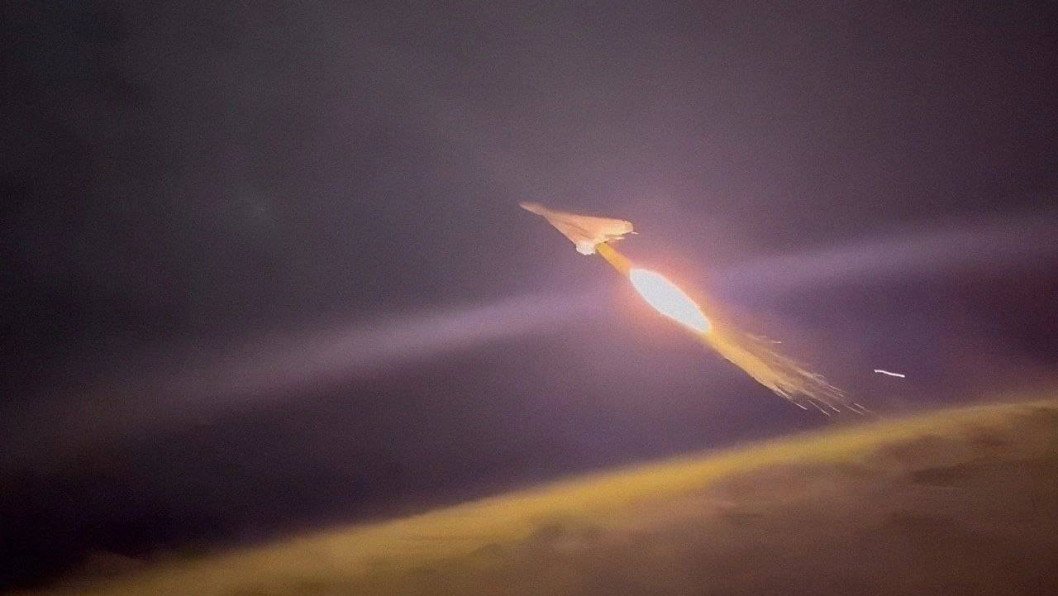
At the same time, analysts note that Russia continues to rely primarily on aerial drones and missile systems, which are already integrated into large-scale strike operations. Defense expert Oleh Katkov told RBC-Ukraine: “They have missiles. They have ‘Shaheds,’ which operate regularly and against a broad spectrum of targets. Why complicate the scheme and bring in a naval drone if the effect is significantly smaller?”
Katkov also noted that Ukraine does not operate large naval groupings in open waters, making maritime drone hunting operations more complex and potentially less cost-effective.
Ukrainian intelligence concludes that while Russian naval drones have not yet altered the balance in the Black Sea, development is consistent and systematic. Officials warn that the risk lies in potential combined use—integrating naval drones with aerial unmanned systems, reconnaissance assets, and missile strikes as part of multi-layered operations.
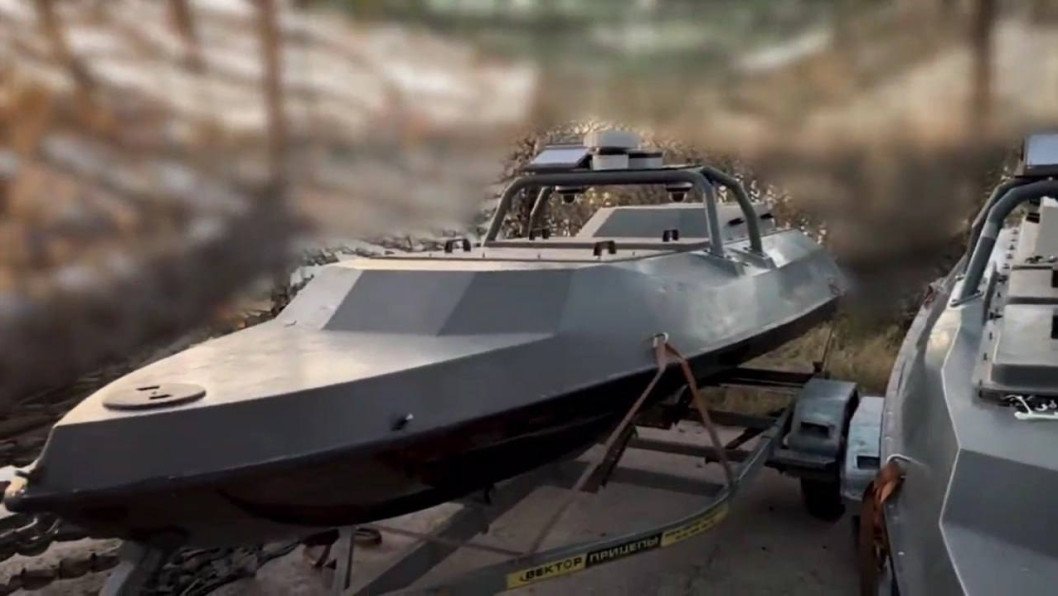
Expanded deployment of such systems could also increase risks to international commercial shipping routes if used beyond direct combat scenarios.
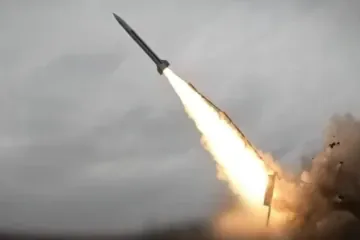
Earlier, on February 16, Russian state media claimed that Moscow’s new “Sarma” multiple launch rocket system—positioned as a domestic analogue to the US-made HIMARS—was already undergoing combat trials in Ukraine.
The system is described as using 300-mm rockets with a range of up to 120 kilometers and a six-tube launcher designed for rapid “shoot-and-scoot” strikes, although no visual confirmation of its battlefield deployment has emerged.
Discuss this article:
-4a56a6b482ec132402c16ef6fcabf9a2.png)

-c439b7bd9030ecf9d5a4287dc361ba31.jpg "Photo of Katherina Popilnichenko")



-111f0e5095e02c02446ffed57bfb0ab1.jpeg "Photo of Roman Kohanets")