- Category
- Latest news
Russia Produces 30,000 Attack Drones Annually, Plans to Double Output as Strikes on Ukraine Surge
 Prefer U24 Media on Google
- Authors


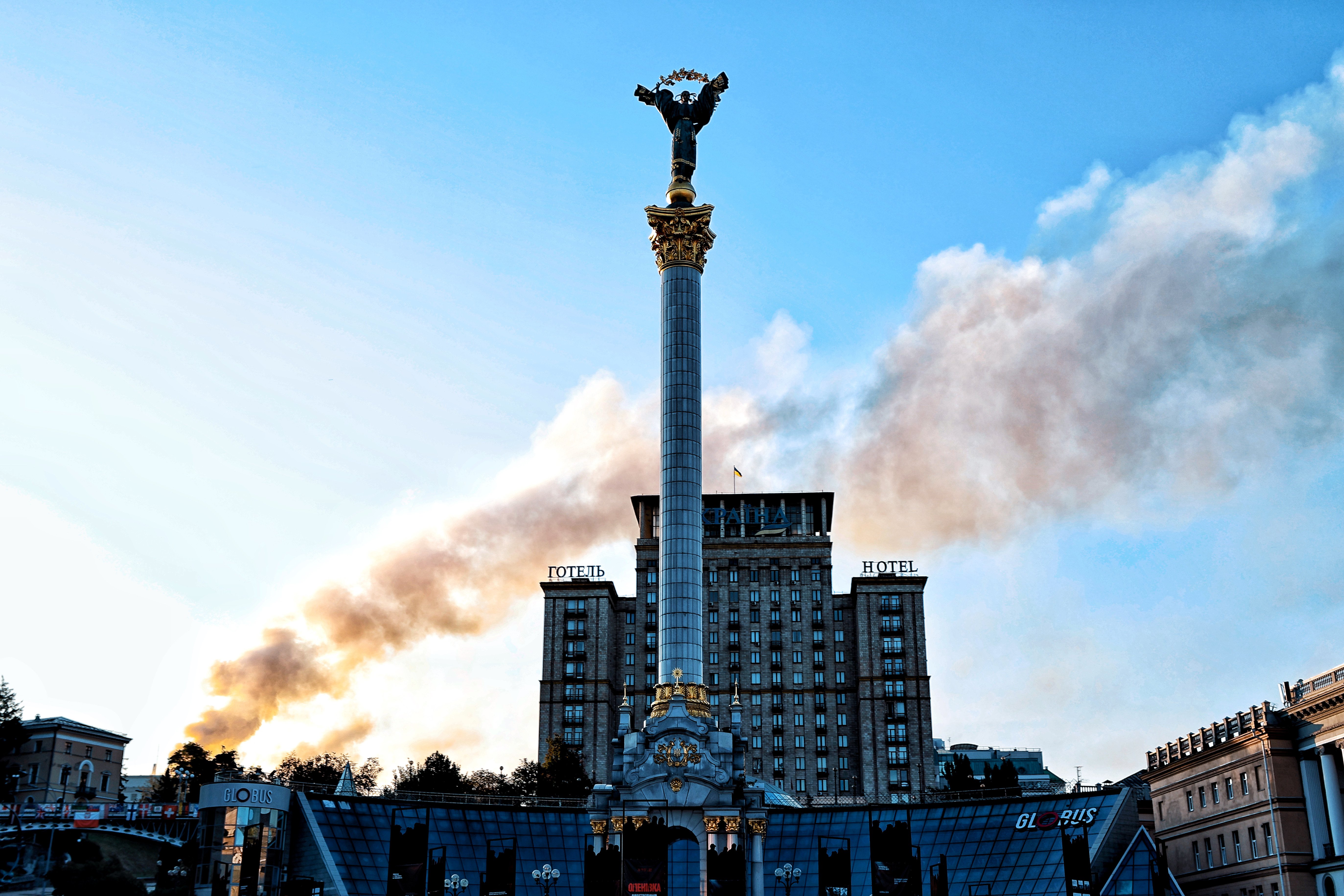
When Russia introduced self-destructing drones from Iran into its war against Ukraine three years ago, Moscow made headlines by launching 43 of them in a single strike. Today, the scale of Russia’s drone program has grown significantly.
According to The New York Times (NYT), Russia now produces around 30,000 one-way attack drones per year and plans to double that output in 2026.
The surge is already visible. NYT reports that in 2025 alone, Moscow has launched more than 34,000 drones and decoys at Ukraine—nearly nine times the number from the same period last year.
In one night this September, a record 810 drones and decoys crossed into Ukraine. Ukrainian air defenses intercepted roughly 92 percent, but dozens still struck targets in 33 locations. On average, 88 percent of incoming drones are destroyed, down from 93 percent in 2024, highlighting the mounting strain on Kyiv’s defenses. Experts cited by NYT warn that at this scale, some strikes are inevitable.
The increase reflects both production and technological improvements. Russia now assembles drones at two main domestic facilities, with regional governments, factories, students, and foreign workers contributing, The New York Times notes.
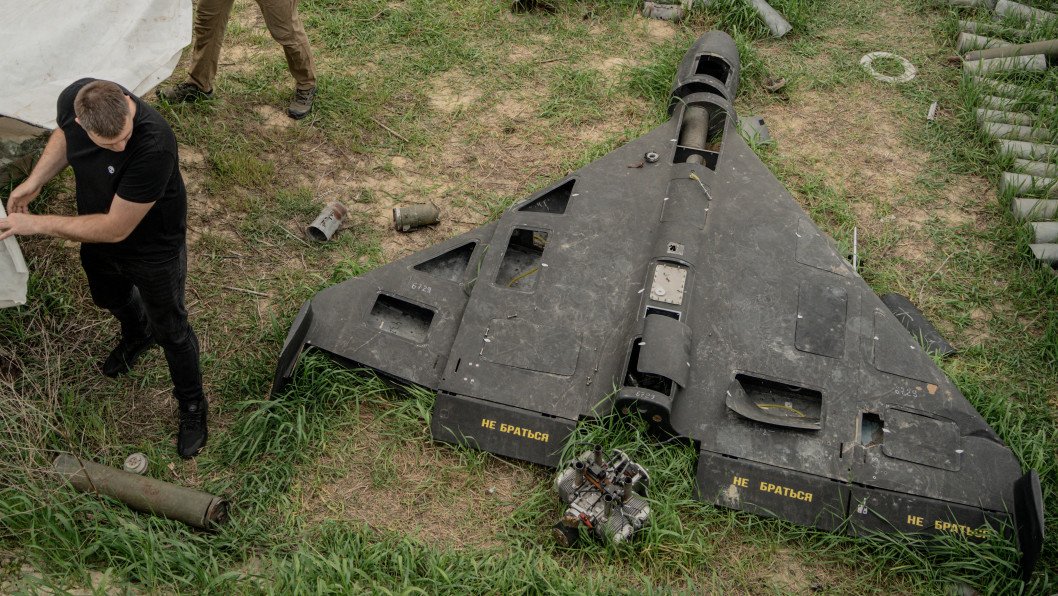
Smaller tactical drones for frontline use have also been scaled up. Newer models feature improved guidance systems, stronger resistance to jamming, and varied warheads. Moscow has also introduced cheap decoys made of foam or plywood, some armed, designed to confuse Ukrainian defenses.
Tactics have evolved alongside technology. Drones are launched in swarms and follow unpredictable routes over rivers, forests, and urban areas to avoid detection. In cities, tall buildings make interceptions riskier. While strikes target weapons factories and energy infrastructure, hospitals, schools, apartment buildings, and public spaces have also been hit, spreading fear and disrupting civilian life.
Ukraine has adapted with mobile teams in pickup trucks armed with heavy machine guns, electronic warfare units, and Western-supplied air-defense systems protecting major cities and key infrastructure. Kyiv has also conducted drone strikes deep inside Russia, including an oil refinery near St. Petersburg. Still, Moscow’s scale and tactics give it the current advantage.

The threat is spilling beyond Ukraine. Last week, at least 19 Russian drones entered Polish airspace, with only a few intercepted. Romania also reported a drone intercepted near its border. NYT highlights that these incidents underscore the challenge NATO would face against large-scale swarms.
“The war has reached a new stage in drone warfare,” said Michael Kofman, senior fellow at the Carnegie Endowment for International Peace. “Russia’s mass production, new tactics, and Ukraine’s countermeasures are locked in a cycle of adaptation. The numbers are changing the balance on the battlefield.”
Even as the damage mounts, analysts caution that drone bombardment alone is unlikely to decide the war.
“History shows strikes of this kind rarely achieve victory on their own,” Kofman added. “The goal is disruption and pressure, not a decisive breakthrough.”
Previously, it was reported that authorities in Poland have neutralized a drone operating over key government sites, including the Belweder presidential palace and nearby Parkowa Street.
Discuss this article:



-c439b7bd9030ecf9d5a4287dc361ba31.jpg "Photo of Katherina Popilnichenko")