- Category
- Latest news
Russia Revives Cavalry 70 Years After Disbanding for Horseback Assaults in Ukraine
 Prefer U24 Media on Google
- Authors


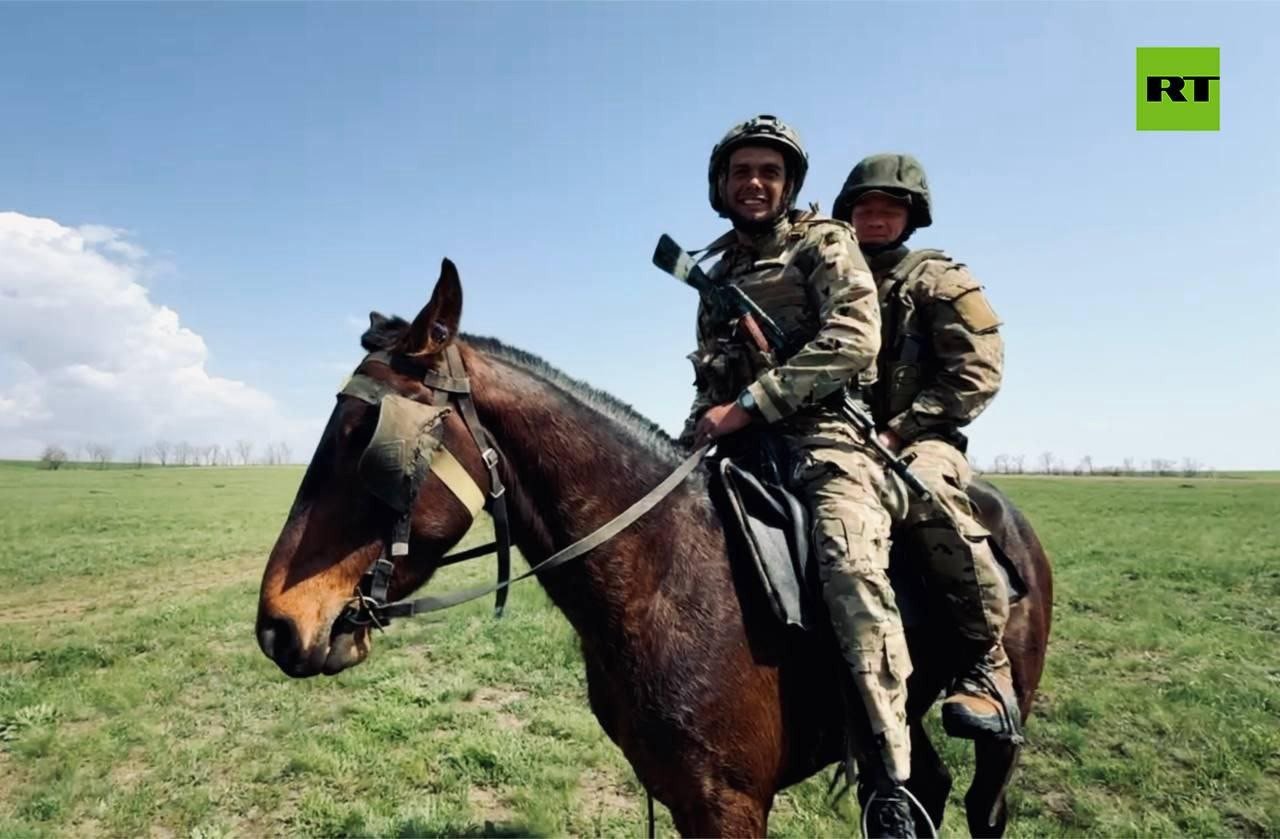
A Russian special-operations commander has reportedly begun training horse-mounted assault teams—part of a broader shift to improvised, low-tech mobility in depleted frontline formations, according to The Moscow Times on September 30.
Russian forces operating in parts of the occupied Donetsk region have started training horse-mounted assault teams. Russian “war correspondent” Semyon Pegov of the Z-military project Wargonzo says the initiative is driven by the commander of the Storm special unit in the 9th Brigade of the 51st Army, who uses the callsign “Khan .”
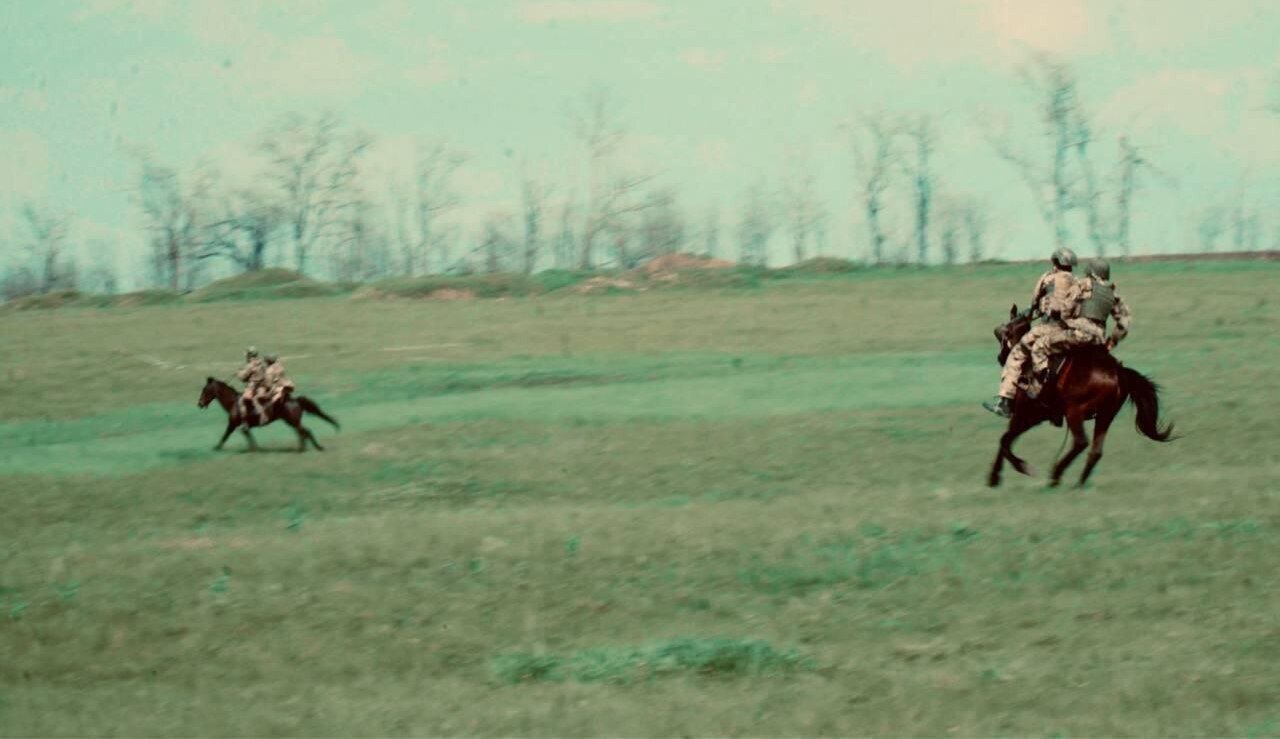
“On the brigade training ground they now run equestrian training,” Pegov wrote. He added that instruction covers both riders and animals—horses must be conditioned to gunfire and explosions so they do not panic under combat conditions.
Pegov described a two-rider assault pattern: one rider manages the mount while the second provides covering fire.
“Khan’s idea is not a total rollback into the past,” Pegov wrote.
🫏 Even more donkeys in Russian Armed Forces… pic.twitter.com/Ak91ATysbE
— MAKS 25 🇺🇦👀 (@Maks_NAFO_FELLA) February 6, 2025
“Horses see well at night, don’t need roads to accelerate on the final approach, and their instincts can, reportedly, help them avoid mines.”
He concluded: “I am sure we will soon witness the historic return of the Russian cavalry to the ranks. Let’s wish Khan and his modern ‘horde ’ luck. We expect epic footage from the front.”
The history of the cavalry in the Russian army ended in 1955 when the Soviet Union completely disbanded such formations in its armed forces.
Analysts say the move reflects battlefield realities that have limited the utility of heavy formations. Ukrainian forces have increasingly used drones, loitering munitions, and precision strikes to blunt massed advances and to target armored logistics.
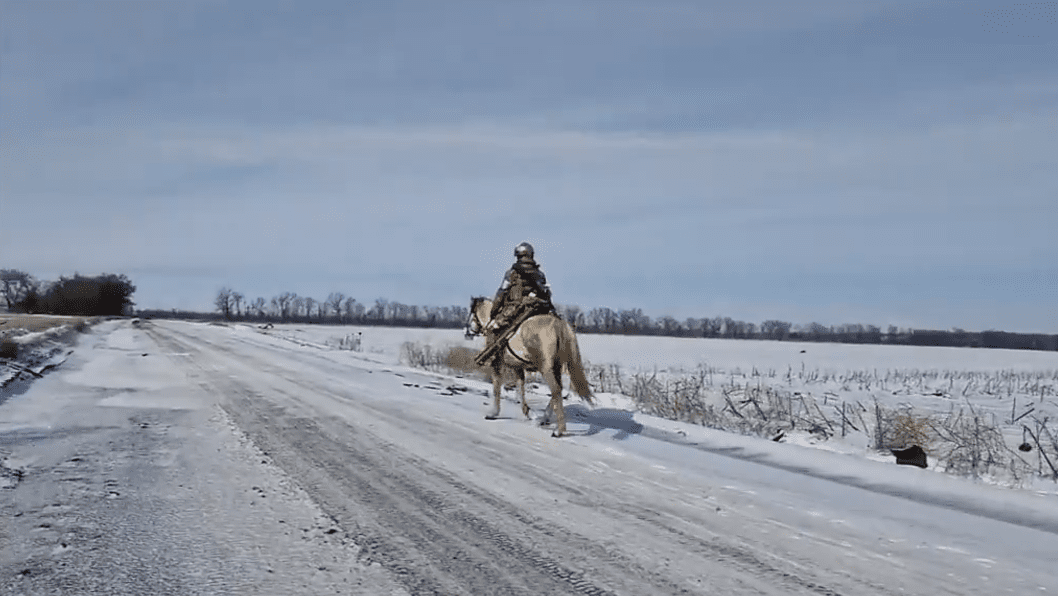
In response, some Russian units have experimented with light, highly mobile tactics—from motorcycle assault teams to small, improvised combat vehicles and even electric scooters—to try to regain tactical surprise and keep forces on the move.
Pegov’s account follows earlier reporting of Russian units using motorcycles, pick-up-mounted machine guns, and even domesticated pack animals, like donkeys, to move personnel and supplies in contested areas where fuel, spare parts, and protected transport are scarce.
Earlier, it was reported that Russian forces resorted to the massive use of cars, buggies, ATVs, and even electric scooters.
Discuss this article:

-c439b7bd9030ecf9d5a4287dc361ba31.jpg "Photo of Katherina Popilnichenko")