- Category
- Latest news
Russia Revives MiG-41 to Compete With US F-47—But Only on Paper So Far
 Prefer U24 Media on Google
- Authors


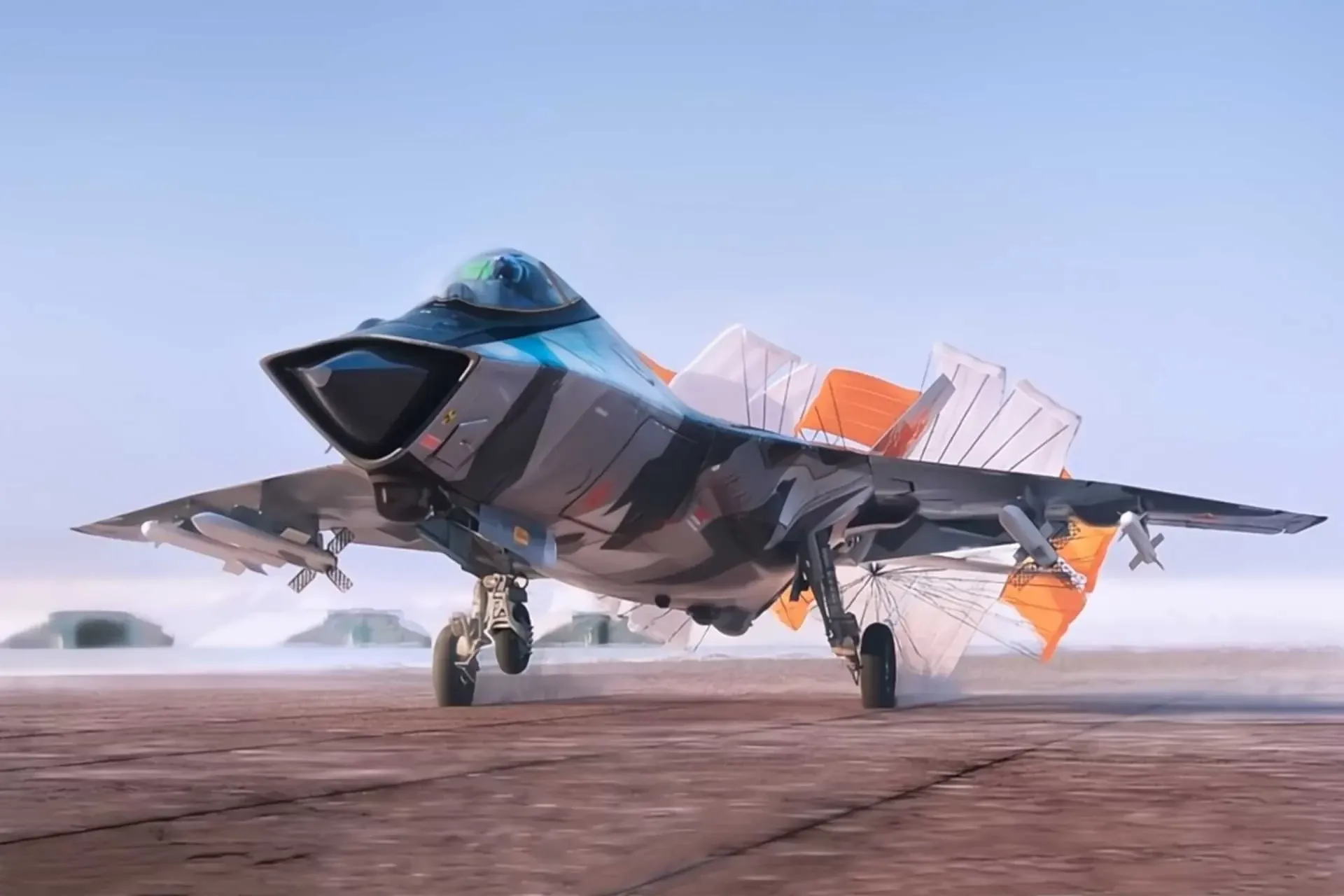
Russia has once again announced plans to develop the MiG-41—an advanced interceptor aircraft intended to replace the aging MiG-31, according to Defense Express on October 3.
The news follows reports of progress in the United States and Europe on sixth-generation fighter programs such as the F-47 and the GCAP Tempest.
The renewed claims originated from retired Air Force Major General Vladimir Popov, who now appears mainly as a television analyst.
Defense Express notes that Popov does not currently hold an official position in Russia’s defense industry, raising doubts about the credibility of his statements.
The MiG-41, officially part of the Prospective Aviation Complex for Long-Range Interception (PAK-DP), is described as a successor to the MiG-31, a platform introduced in the 1980s and best known today for carrying hypersonic “Kinzhal” missiles.
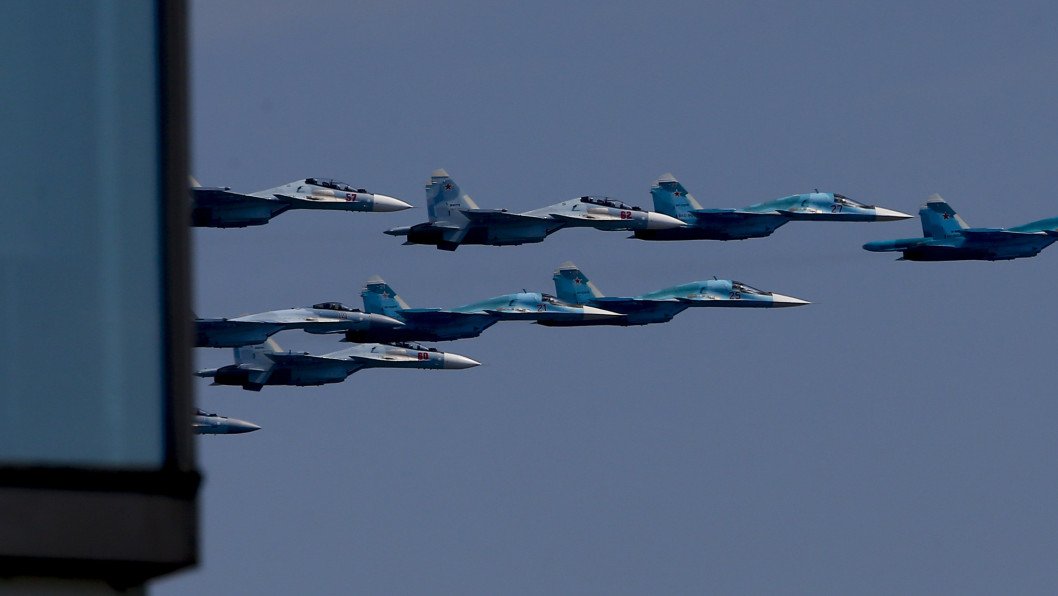
According to the Russian side, the future interceptor could reach speeds of Mach 4.3, altitudes up to 50,000 meters, and a range of 11,000 kilometers. Even scaled-down figures—12,500 meters and 5,000 kilometers—remain ambitious given current Russian aerospace capabilities.
The aircraft is reportedly planned to use the “Product 30” (AL-51F1) engines, originally designed for the Su-57 fighter but still under testing.
Defense Express notes that no prototype MiG-41 has been seen, and existing information suggests that the project relies on incomplete or experimental technologies.
Analysts emphasize that achieving such performance would require extensive advances in high-temperature materials and avionics—areas in which Russia faces significant sanctions-related shortages. Similar challenges have already slowed the Su-57 program, which remains limited in production.

The publication adds that the very concept of high-altitude long-range interceptors is being questioned globally. While Russia’s vast territory creates a need for wide-area air defense coverage, modern multirole fighters and missile systems already perform many of these tasks more efficiently.
Defense Express concludes that the MiG-41, heavily promoted in Russian media as an answer to Western sixth-generation programs, remains largely a public-relations initiative rather than a concrete industrial effort. Given funding constraints and technological limitations, the aircraft is likely to remain a digital-era design rather than a flight-ready system.
Earlier, on August 18, Frontelligence Insight reported that Russia’s Su‑57 stealth fighter jets were delivered to the military without key targeting subsystems—despite each aircraft costing over $37 million.
Documents reviewed by Ukrainian OSINT analysts revealed that the jets lacked the 101KS‑N electro‑optical pod, with the omission formally approved through contract amendments. Sanctions and disrupted supply chains were cited as key reasons behind the incomplete deliveries.
Discuss this article:



-c439b7bd9030ecf9d5a4287dc361ba31.jpg "Photo of Katherina Popilnichenko")